
Slavyanka beetroot is one of the most popular table varieties, recognized by gardeners for its high productivity, disease resistance, and excellent taste. It's appealing for its versatility: suitable for both fresh consumption and long-term storage. The key is to provide the crop with proper care.
Introduction to the variety
Developed by S. V. Maksimov and N. N. Klimenko, representatives of Agrofirma Poisk, LLC, it is resistant to stem rot and cercospora leaf spot when grown according to proper cultivation practices.
The variety yields between 290 and 530 centners per hectare, equivalent to 6-7 kg per square meter. The marketability of the root crops reaches 87-94%, and they store well over the winter.
Features of the plant and taste
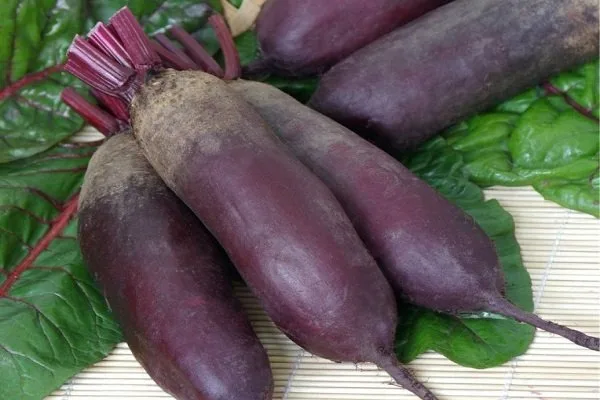
The bushes have a semi-erect rosette of oval-shaped leaves, slightly blistered and with distinctly wavy edges, colored green. The petioles are red on the underside. The vegetable is cylindrical, 10-15 cm long, 6-9 cm in diameter. The weight of a single root varies from 190 to 330 g.
The surface is smooth, and the skin is dark burgundy. The flesh is juicy and tender, with a pleasant sweet flavor, making it an excellent choice for cooking and preserving.
Planting beets
Beets are one of the most popular root vegetables, widely used in cooking and boasting numerous beneficial properties. To ensure a bountiful harvest, it's important to approach the planting process correctly and understand key aspects.
Planting date
Determining the right time is the key to successful cultivation. The optimal timing depends on the regional climate. Typically, the crop is planted outdoors when the soil warms to 8–10°C and the risk of frost has passed.
In central Russia, this time falls in late April or early May. For an earlier harvest, use the seedling method, planting the plants in the ground after stable above-zero temperatures appear.
Size of the planting hole
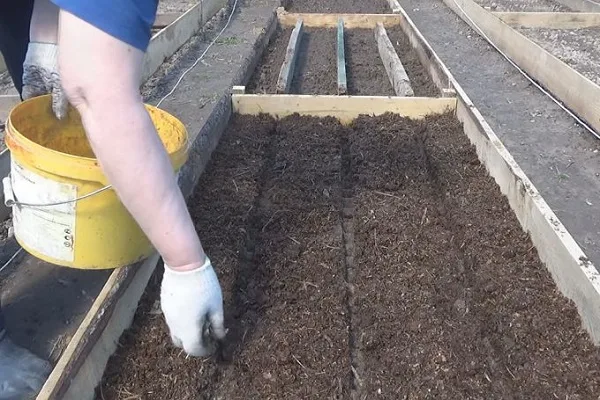
The holes shouldn't be deep; about 2-3 cm is ideal. Space the seeds 7-10 cm apart, leaving 25-30 cm between rows to ensure sufficient space for growth and nutrition. If planted too closely, the beets will become smaller and lose their marketable quality.
Landing site
Choose well-lit areas with access to sunlight throughout the day. Root crops do not grow well in the shade, which reduces yield and impairs flavor.
The crop grows best after predecessors such as potatoes, cucumbers, onions, or tomatoes. Avoid growing it after cabbage and carrots, as they deplete the soil of essential nutrients.
Required soil
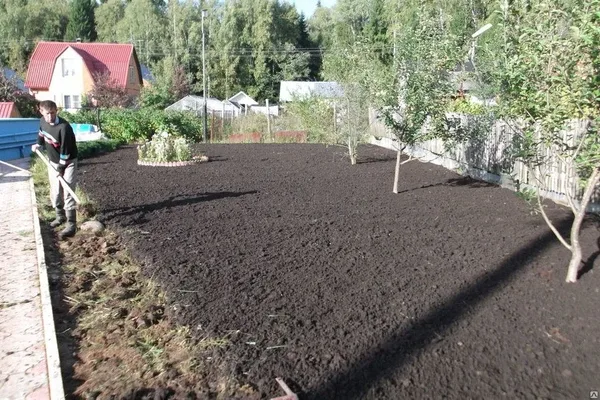
Light, fertile soils with a neutral or slightly acidic pH (6.5-7) are preferred. Loamy or sandy loam soils with good drainage and aeration are ideal. The soil should be loose and well-drained to prevent the vegetables from rotting.
Before planting, add organic fertilizers, such as humus or compost, or mineral supplements containing potassium and phosphorus. Avoid using fresh manure, as it can increase nitrate levels in the fruit and impair its flavor.
Preparing and sowing seeds
Prepare the planting material in advance to improve germination and accelerate growth. A few days before sowing, soak it in warm water for 24 hours to awaken the embryos and soften the seed coat.
Sow the seeds in pre-prepared furrows, carefully filling them with soil and compacting them lightly. Immediately water the soil with warm water to ensure a moist environment for germination. Avoid both drying out and standing water.
Care
Beets are an easy-to-grow, yet demanding, root vegetable that requires care. Simple agricultural practices promote proper development and the accumulation of essential nutrients.
Watering
During the initial growth stage, when the seedlings are still young, the soil should be kept constantly moist, but not waterlogged, to prevent root rot. As they grow, reduce the frequency but do not stop. Water once every 7-10 days, depending on weather conditions.
During particularly dry periods, water more frequently, especially during the root formation phase. Apply water at the roots, avoiding contact with the leaves, to help prevent fungal diseases.
Top dressing
Three to four weeks after germination, apply nitrogen fertilizers to stimulate leaf growth and root strengthening. Apply ammonium nitrate or urea in small doses.
- ✓ The appearance of black spots in the pulp of the root vegetable.
- ✓ Deformation and cracking of root crops.
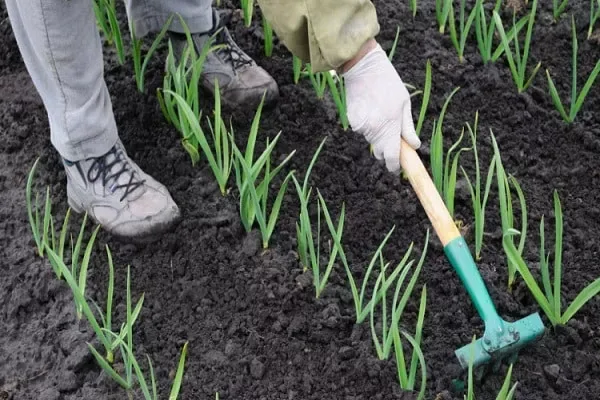
During root formation, potassium and phosphorus are essential. Potassium is responsible for sugar accumulation, while phosphorus promotes proper root development. Complex fertilizers such as superphosphate, potassium salt, or wood ash are effective (they enrich the soil with beneficial elements and serve as a disease preventative).
Diseases and pests of beets
Despite a strong immune system, the crop can suffer from various problems. It's important to identify the problem promptly and begin combating it:
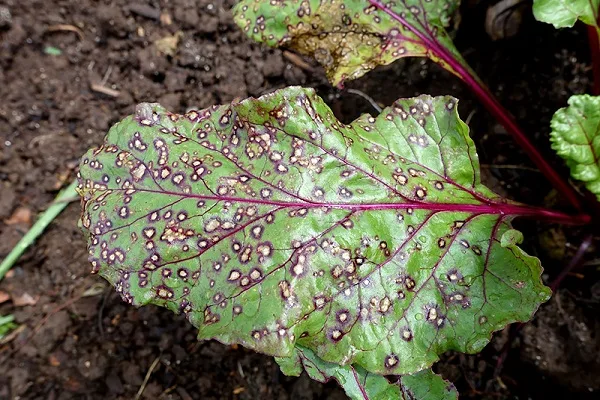
- Cercospora leaf spot. Symptoms include leaf spots and reduced yields. To prevent this, monitor watering, avoid overcrowding, and promptly remove affected plants. Effective treatments include fungicides such as Fundazol or Skor.
- Root eater. It attacks young seedlings and causes their death. Practice crop rotation, avoid planting beets in the same spot several years in a row, and pre-treat the seeds with a weak solution of potassium permanganate.
Among pests, beet aphids and toadstools can cause the most damage to beets. Use insecticides such as Aktara or Iskra. Folk remedies such as garlic or tobacco infusions can also help, as they repel pests and protect plants.
Reviews
Slavyanka is a beetroot variety that won't disappoint both beginner and experienced gardeners. Its consistently high yield, juicy and sweet flesh, and ease of care make this variety the best choice for growing. With minimal care, you can increase productivity and produce high-quality vegetables.