
Ronda beetroot is a storehouse of nutrients and vitamins that easily integrates into a variety of dishes. Its low maintenance and high yield make it an excellent choice for both experienced and novice vegetable growers. Proper cultivation and care will ensure excellent quality root vegetables.
History of selection
This is a hybrid table grape variety. It was developed by Bejo Zaden BV and officially approved for use in 2007.
Introduction to the variety
Ronda is a popular variety known for its distinctive shape and flavor. It was named after the Spanish city of Ronda, where it was first bred.
Characteristics of appearance
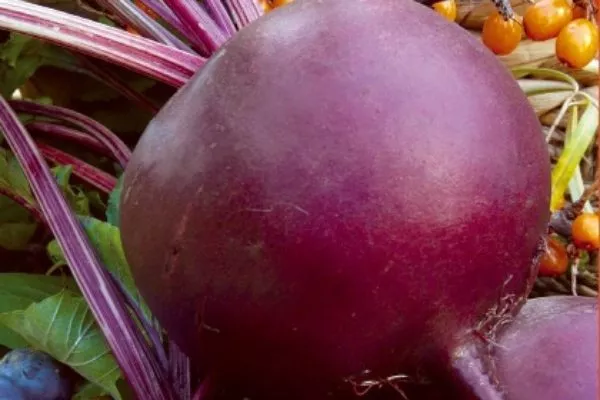
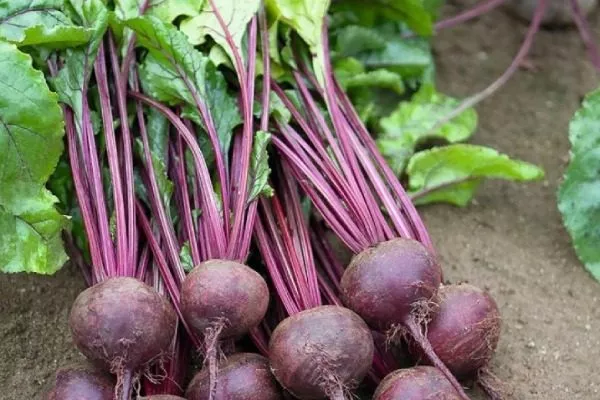
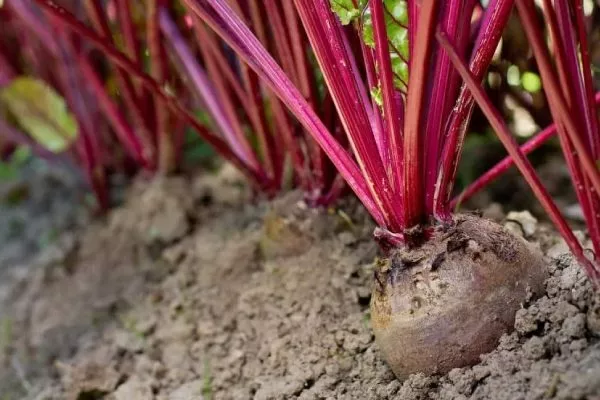
The rosette is semi-erect, composed of oval-shaped leaves. They are green, slightly blistered, and have moderately wavy edges. The petiole, located on the underside, is red or purple. The head is slightly corked and has distinct rings.
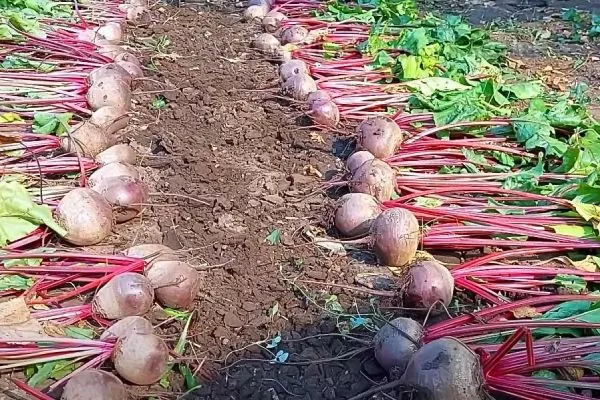
The roots are round in shape, their weight varies from 254 to 345 g. The skin is dark burgundy, and the flesh is a rich dark red color.
Taste qualities, purpose
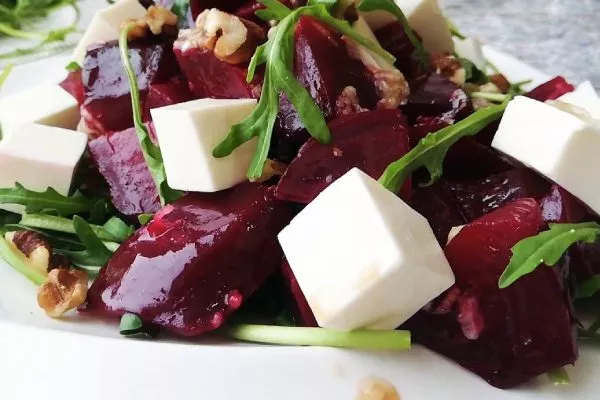
The tubers contain 13.8-18.4% dry matter and 10.7-16% total sugar. Due to their excellent shelf life, the vegetable is ideal for a variety of dishes, such as salads, appetizers, and side dishes, as well as for long-term storage and canning.
Beneficial properties
Beets contain vitamins C and B, iron, magnesium, potassium, and other beneficial elements essential for health. Benefits for the body:
- Sodium in the composition promotes vasodilation and improves blood circulation, which has a beneficial effect on the cardiovascular system.
- Vitamin C, acting as an antioxidant, helps the body fight viruses and infections.
- Potassium lowers blood pressure and improves heart function.
- Special substances in the vegetable help cleanse and protect the liver from toxins.
Productivity and ripening time
Ronda is a late-ripening variety, with the period from germination to harvest being approximately 120 days. It is characterized by good productivity. Marketable yields range from 254 to 420 centners per hectare. Marketability of root crops is 87-94%.
How to grow Ronda beets: in the garden or in the backyard?
Growing this crop isn't particularly difficult, so even novice gardeners can easily handle it. However, it's important to follow certain guidelines.
Preparing the soil for growing Ronda beets
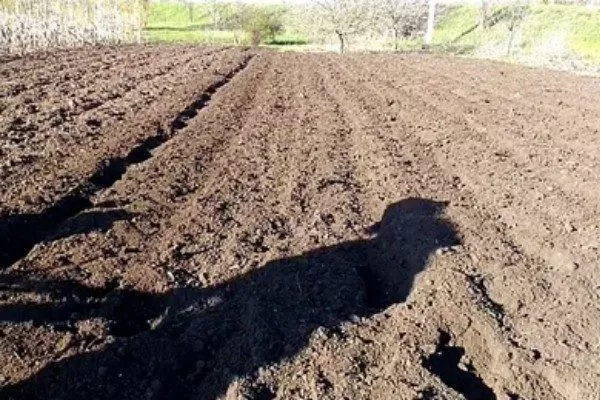
In the fall, dig over the area to remove weeds and break up compacted soil clods. In the spring, before planting, perform additional tillage to improve the soil structure and enrich it with minerals.
- ✓ The optimal soil pH should be within 6.0-7.0 to prevent the development of fungal diseases.
- ✓ The soil must be well-drained to avoid water stagnation and root rot.
The preparation stages include:
- removing weeds and stones from the site;
- adding lime to reduce acidity;
- loosening the soil to a depth of 20 cm;
- application of organic and mineral fertilizers;
- surface leveling.
After all the preparatory steps, the site will be ready for sowing seeds.
Sowing Ronda beet seeds
Plant after the last frost and when warm weather sets in, usually in April or May. Scatter the seeds across the bed at intervals of 20-30 cm and cover them with a 2-3 cm layer of soil. Once the seedlings emerge, water regularly and thin them out, ensuring they have sufficient space to grow.
Caring for beets in open ground
Ronda beetroot is a drought-resistant crop that requires little attention from the gardener. However, to obtain a bountiful and high-quality harvest, it's important to take care of it and devote a little attention to it.
Temperature and light conditions
This sun-loving crop requires good lighting throughout the growing season. The optimal daylight length is 13-16 hours. If daylight hours are reduced to 10-11 hours, root growth slows, and development occurs only in the above-ground portion.
The effect of temperature on beets:
- It can germinate at soil temperatures of only +3…+5°C, although in this case germination is delayed, and the first shoots appear only after 23-24 days.
- Higher temperatures promote faster germination: at +20…+25 °C, beets sprout in a week.
- If the temperature during germination rises above +25°C, the seedlings may die.
- After three or more leaves appear, plants become more resistant to adverse conditions.
Subtleties of watering
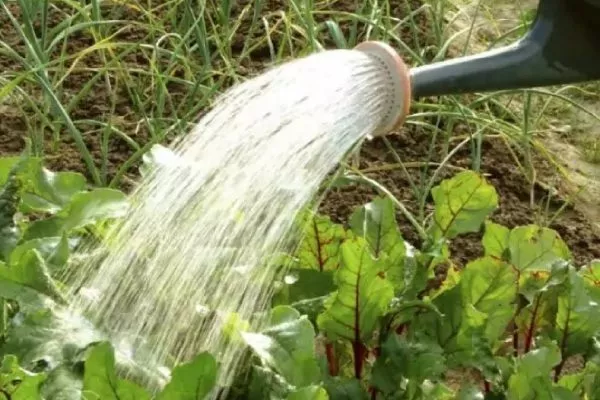
Beets tolerate drought well, but lack of moisture can negatively impact yield. Ensure the crop receives regular moisture.
Follow these recommendations:
- In hot and dry weather, water plants using the sprinkler method.
- Use warm and settled water.
- The frequency after emergence is once every 2-3 days.
- To retain moisture in the soil and reduce the amount of water applied, mulch the soil, for example, with dried grass.
Alternate watering with loosening the soil. Loosen the soil very carefully to avoid damaging the developing roots. The crop does not require hilling.
Thinning
A single seed can produce 2-4 sprouts at once, so remove weak plants. Otherwise, the vegetables will not develop properly and will not reach their full potential.
- ✓ The first thinning should be carried out when the plants reach a height of 5 cm, leaving the strongest shoots.
- ✓ The second thinning is necessary at the stage of formation of 3-4 true leaves, leaving a distance of 8-10 cm between plants.
Top dressing
Beets require sufficient fertilizer applied before planting. Fertilize only if growth is noticeably slow. Since beets can actively accumulate nitrates, use natural ingredients:
- Periodically water with herbal infusions diluted with water or yeast solutions.
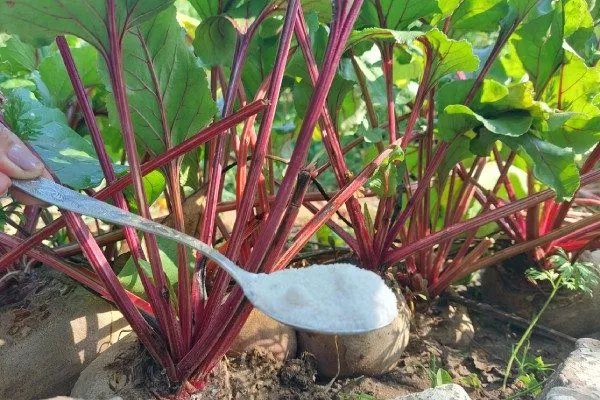
- 2-3 times per season, use a weakly saturated salt solution: dissolve 20 g of salt in 10 liters of water.
- Apply complex fertilizers according to the dosage recommendations given in the instructions.
- If you didn’t add ash in the fall, do it in the summer, adding 200 g per 10 liters of water every two weeks.
For less fertile soils, ready-made mineral fertilizers are effective. Use potassium fertilizers (except manganese) twice a month. Apply nitrogen fertilizers into furrows at least 5 cm from the roots. Apply boron twice per season, diluting 2 g of the product in 10 liters of water.
Pest and disease control
The crop is susceptible to insect attacks and various diseases. To prevent and combat these problems, inspect your plants regularly:
- Fusarium. Symptoms include wilting and yellowing of the lower leaves and darkening of the roots. Remove affected plants, practice crop rotation, and treat the soil with fungicides such as Topsin or Fundazol.
- Powdery mildew. A whitish coating on the leaves causes them to turn yellow and die. Use antifungal agents such as Topaz or Skor.
- Gray rot. Gray, water-soaked spots appear on leaves and roots. Remove infected foliage. The fungicide Previkur is effective.
- Beet aphid. Leaves curl, plants lose turgor, and may bend. Insecticides like Karate or Aktara, as well as folk remedies like soapy water, will help.
- Beet beetle. It destroys foliage, especially when young. Insecticides and traps can be used to control the pest.
- Mole cricket. It damages roots, which can lead to plant death. Grom poison baits will solve this problem.
Don't plant beets in the same spot more than one year in a row. Remove plant debris and weeds. Proper watering, fertilizing, and ventilation help strengthen the plant's immune system.
Harvesting
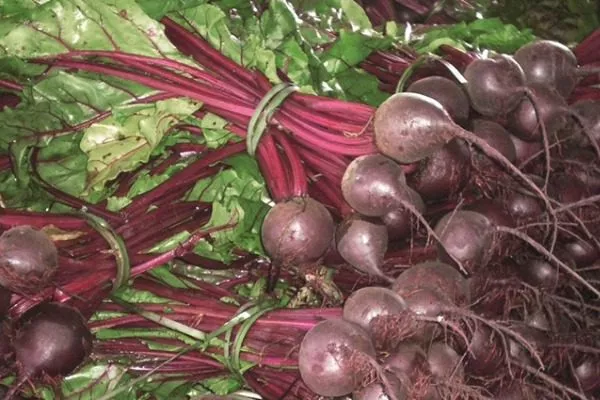
Carefully dig up the root vegetables to avoid damaging them. After the event, use the vegetables in a variety of dishes.
Advantages and disadvantages
Before growing a crop, carefully consider its pros and cons. Ronda has many advantages:
Among the negative qualities, some gardeners note:
Reviews
Ronda beetroot has gained popularity among gardeners due to its excellent varietal characteristics and ease of cultivation. This crop boasts numerous beneficial properties, making it indispensable in cooking and diets. Disease resistance and good productivity are among the variety's best qualities. The key is to provide proper care.