
The Rodena beetroot is a modern variety that has gained popularity due to its excellent characteristics and versatility. It attracts the attention of gardeners and farmers due to its consistent yields, high-quality root vegetables, and excellent resistance to adverse conditions. The key is proper care.
Introduction to the variety
This variety fully meets the needs of vegetable growers. It combines all the necessary characteristics of a table variety: good productivity, uniform fruit, and strong immunity.
The ripening period reaches up to 120 days. It is characterized by high yields – 527-648 centners per hectare. Commercial quality of vegetables ranges from 91% to 97%.
History of origin
Developed by Sakata Vegetables Europe SAS Approved for use in 2018.
Description of appearance and taste
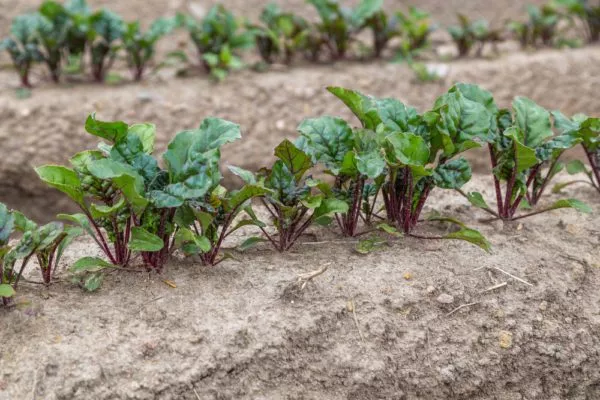
The rosette is semi-erect. The leaves are narrowly oval, green, with red veins and slightly bubbly and wavy margins. The petiole has a purple tint on the underside.
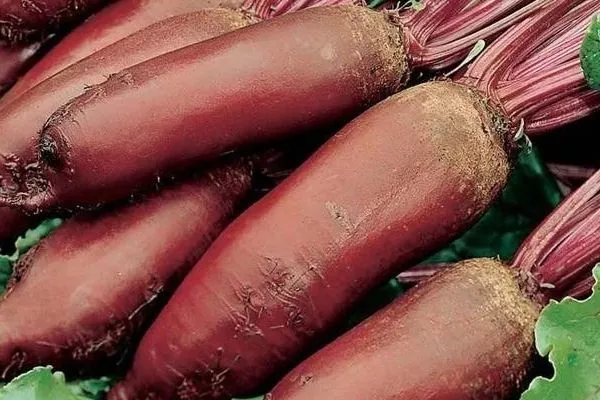
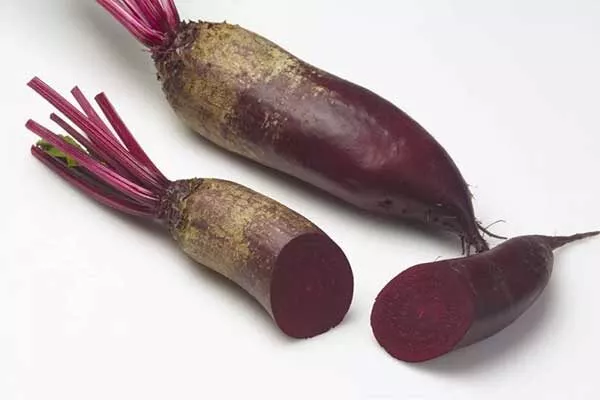
The roots are cylindrical in shape, weighing between 170 and 280 g. They are suitable for fresh consumption, canning, and culinary processing due to their excellent flavor. The flesh has a delicate texture and a bright red color with subtle ringing, making it ideal for preserving color in dishes.
Landing features
Cultivation of this crop requires careful attention to ensure a good harvest. Key recommendations:
- Beets prefer sunny sites with loose, well-drained soil. They grow best in neutral or slightly alkaline soils. Make sure the area is not prone to flooding or stagnant water.
- Pre-dig and add organic fertilizers, such as compost or humus. This will improve the soil structure and provide the plants with essential nutrients.
- Sow seeds early in the spring, when the soil temperature reaches 8-10°C. Depending on the region, sow from April to May. In southern regions, sow in the fall.
- Use fresh seeds for planting. Place them 1-2 cm deep, with a spacing of 30-40 cm between rows and 10-15 cm between plants within a bed.
- ✓ Soil pH levels should be strictly between 6.0-7.5 for optimal growth.
- ✓ The soil must contain at least 3% organic matter before planting.
Caring for beets in open ground
Caring for your crop is key to achieving a high yield and quality fruit. Follow simple agricultural practices.
Thinning seedlings is a necessary agricultural technique
Beet seeds are clusters of seedlings, each producing 4-5 sprouts. Therefore, the crop emerges not as individual plants, but in clusters. To ensure large root crops and normal plant growth, thin the seedlings properly:
- When the seedlings develop their first true leaf, perform the following procedure. Leave a distance of about 2-3 cm between plants in a row.
- When 4-5 true leaves appear, the distance between sprouts should be 4-6 cm. Remove the largest specimens that can be used for food.
- Perform the final thinning 25-30 days after the second thinning. Leave a 7-8 cm gap. Perform this thinning after watering or rain to make it easier to remove the plants.
Use the removed shoots as seedlings, transplanting them one at a time. When transplanting, be sure to pinch the main root to prevent it from growing deep and encourage it to gain mass.
Watering beets
Regular and proper watering is essential to maintain optimal soil moisture levels. Underwatering can result in hard, small roots, while overwatering can lead to rot and disease. Water regularly to keep the soil moderately moist but not waterlogged.
Young plants require 10 liters of water per square meter. When vegetables begin to grow actively, especially in dry and hot weather, double the amount. Stop watering two weeks before harvest.
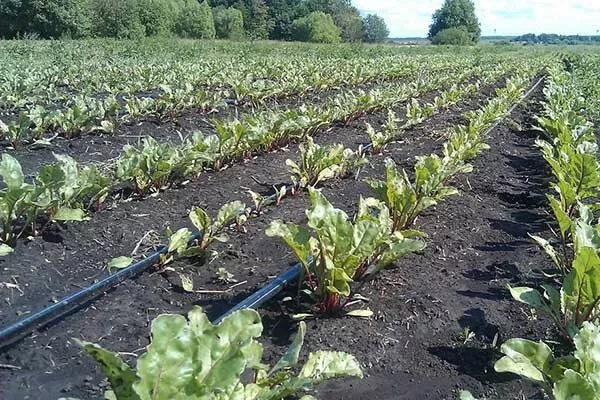
Weeding, loosening the soil and mulching between rows
After watering, gently loosen the soil between rows to prevent compaction. Use a small hoe, being careful not to damage the roots. Carry out the first loosening in the spring, before the seedlings emerge. After the first pair of true leaves has formed, repeat the process and remove any weeds.
Fertilizers and feeding for beets
Avoid growing the crop immediately after adding fresh manure or compost. Ideally, sow it two to three years after adding these fertilizers.
Helpful tips:
- In fertile soils where the necessary fertilizing has already been carried out, additional fertilizer may not be needed.
- In poor soils not fertilized with organic or mineral fertilizers, beets may lack nutrients. In this case, use an herbal infusion.
- Feed plants only when necessary if they are not growing well enough.
- If yellow, round spots appear, this may indicate high soil acidity and a potassium deficiency. Water the seedlings with lime milk with added potassium chloride.
- 2 weeks before planting, apply 50 g of superphosphate per 1 sq. m.
- After 4 weeks from germination, feed the plants with a solution of mullein (1:10) at a rate of 5 liters per 1 sq. m.
- During the period of root formation, apply potassium fertilizers (30 g per 1 sq. m).
The crop responds well to boron. A deficiency of this micronutrient slows growth and makes the core of the roots loose. To compensate, use specialized fertilizers, diluting them according to the manufacturer's instructions. Apply both root and foliar feeding.
Removing old leaves
If the lower, older plants begin to turn yellow, do not remove them until they have released all their nutrients and dried out completely. Removing them before they are completely dry can lead to premature flowering in the first year, which will negatively impact the quality of the harvest.
Viral diseases of beets
Diseases can seriously impact plant health and reduce yields. They are caused by various viruses transmitted by insect pests, contaminated seeds, or soil. Timely control can help minimize damage and ensure successful cultivation.
Beetroot mosaic
It is caused by aphids. It appears as light green and yellow spots that can resemble a mosaic pattern. Leaves become twisted, small, and deformed. In severe cases, growth is stunted, and root vegetables remain small and unattractive.
Spray regularly with Aktara or Confidor insecticides. Remove and destroy affected bushes. Preventative measures include crop rotation.
Beet jaundice
Signs of the disease include yellowing of older lower leaves, wilting, and curling. They may become spotted, and seedlings stop developing. Root crops often remain small and stop growing.
Reduce aphid populations by using insecticides such as Actellic or Fitoverm. Prevention involves thoroughly clearing the area of weeds and pruning infested plants.
Beetroot rhizomania
Ulcers and root gangrene develop, vegetables fail to grow, become deformed, and rot. Leaves may turn yellow and die, leading to general weakening.
Fungicides and insecticides such as Topaz or Ridomil are effective. Preventive measures include disinfecting seeds and soil.
Harvesting and storage
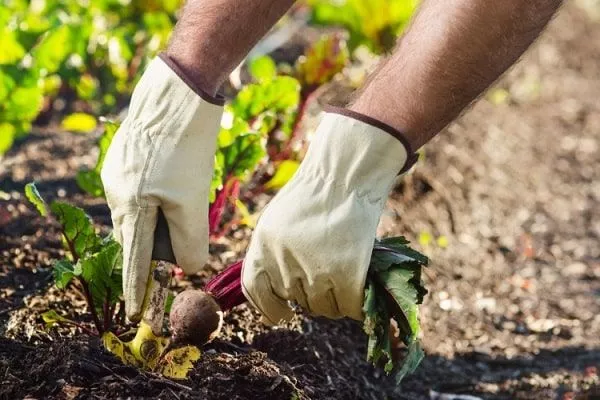
Complete harvesting before frost sets in, as even a light frost can reduce the marketable quality of the vegetables. Water the bed the day before harvesting. Avoid breaking off the tops with your hands, as this can cause the vegetables to rot. Cut off the leaves completely, including the stems.
Remove the soil from the roots and leave them to dry for 2-3 hours under a canopy or in the garden beds, provided there is no rain. Place them in clean polypropylene bags and immediately store in a cool, dark place.
Positive and negative qualities
Before planting a crop in your garden, carefully consider its advantages and disadvantages. The variety's value lies in its numerous characteristics:
Gardeners do not note any significant shortcomings in the hybrid.
Reviews from vegetable growers
Roden beetroot offers an excellent combination of good productivity, excellent flavor, and tolerance to adverse conditions. This variety is suitable for both commercial and amateur cultivation, delivering excellent results even in challenging weather conditions. It's important to ensure proper and comprehensive care, including a little attention and care.