
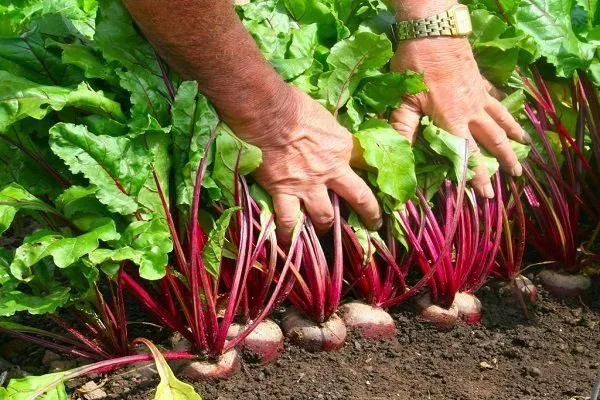
Thanks to the development of new cold-resistant varieties, early beets can now be easily grown in Siberia. The key is to observe weather conditions and properly grow and plant the seedlings. More on this below.
Peculiarities of choosing a variety for growing in Siberia
Siberian conditions aren't exactly ideal for vegetable growing, but growing beets here is quite easy. The key is choosing the right variety.
Characteristics of beet varieties for growing in Siberia:
- Early to mid-season ripening. Growing season is approximately 100 days.
- Resistance to temperature changes.
- Cold resistance and unpretentiousness.
- Lack of tendency to flowering.
The optimal choice is varieties zoned for Siberia. They are ideally adapted to the harsh Siberian climate. These varieties were developed by domestic breeders who emphasized survival and adaptation in the most adverse conditions.
The best varieties for Siberia
| Name | Ripening period | Disease resistance | Root shape |
|---|---|---|---|
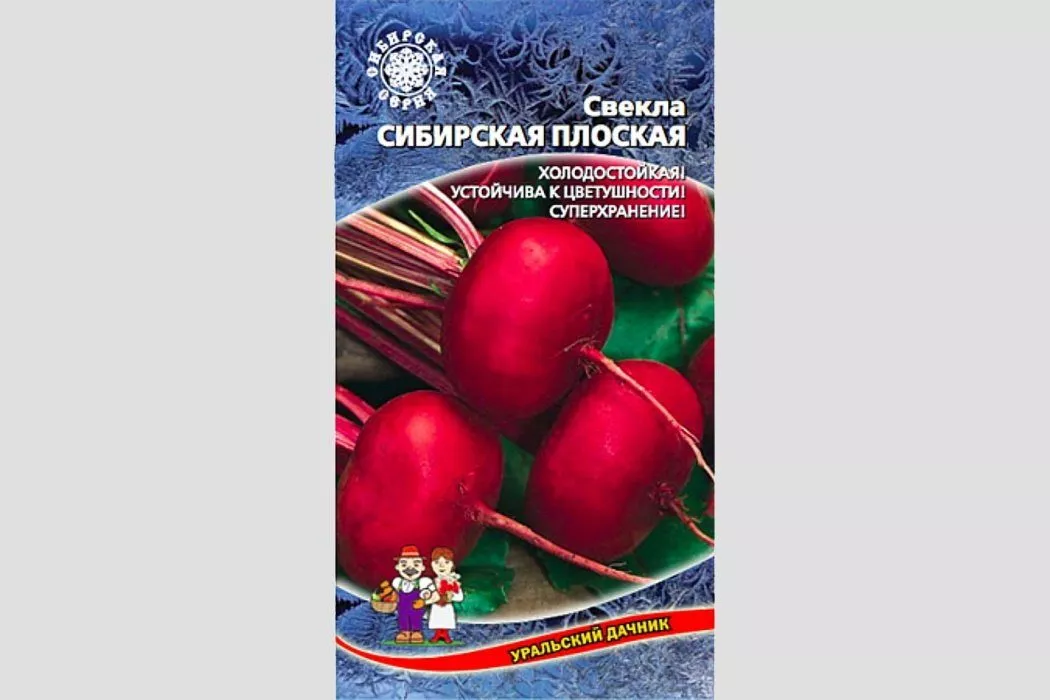
| Siberian Flat | Early | Resistant to cercospora leaf spot | Flat |
| Bordeaux 237 | Mid-early | Resistant to major diseases | Rounded |
| Incomparable | Mid-early | Resistant to cercospora leaf spot | Oval |
| Single-sprout | Late-ripening | Resistant to major diseases | Spherical |
Not all beet varieties are capable of producing high-quality root vegetables in harsh climates. Due to the late spring and short summer, common beet varieties don't have time to ripen.
In Siberian conditions, it is necessary to plant varieties and hybrids intended specifically for this region:
- Siberian Flat. This is the earliest variety. Its roots are flat, weighing 200-300 g. It is resistant to cercospora leaf spot and is not prone to leaf-sprouting. Yields range from 3 to 7 kg per square meter. The flavor is excellent.

- Bordeaux 237. A mid-early variety. The roots are round and sweet. Productive even under unfavorable conditions, and keeps well. Yields 7-9 kg per square meter.
- Incomparable. A mid-early variety. Oval roots weigh 140-400 g. Resistant to cercospora leaf spot. Yields 3-7 kg per square meter. Excellent shelf life.
- Single-sprout. A late-ripening, spherical variety. Roots weigh 300-600 g. It's shelf-stable and delicious. 4 kg of beets are harvested per square meter.
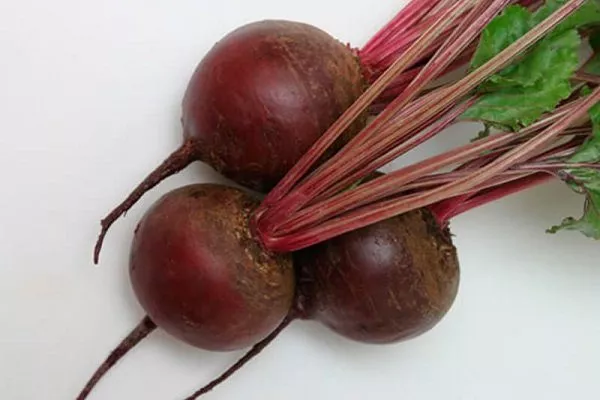


Along with spring sowing, beets are also sown in the fall. This method is especially popular in southern regions with mild winters. However, in Siberia, beets are also sown before winter, and special frost-resistant varieties exist for this purpose.
Beet varieties for winter sowing:
- Cold-resistant 19. A mid-early variety. Roots grow up to 250 g in weight. Round shape. Suitable for both winter and spring planting. Yield: 3.3-4.2 kg per square meter.
- Podzimnyaya A-474. A mid-early variety. 7 kg or more are harvested per square meter. Root crops Podzimney A-474 round, weighing 200-400 g. Characterized by high cold resistance and resistance to diseases.
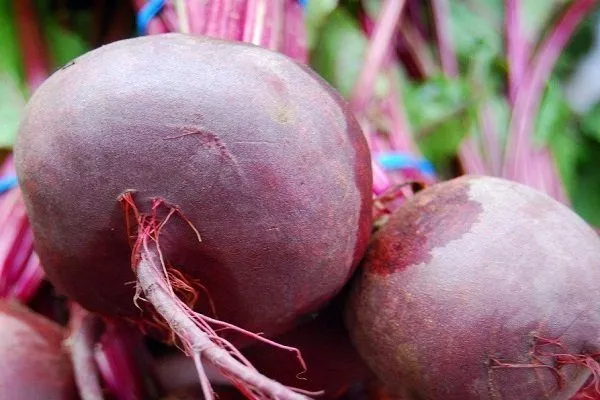
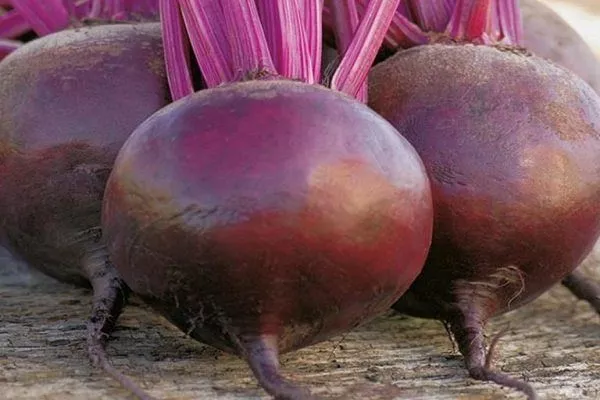
- ✓ Resistance to freezing at temperatures below -10°C.
- ✓ Ability to germinate quickly under short daylight hours.
Pre-sowing work
To get a good beet harvest, it's important not only to care for it well but also to properly prepare for planting. Pre-planting preparation involves seed and soil treatment.
Seed preparation
Beets are a crop whose seeds can be safely planted without any special treatment. However, many gardeners prefer to soak the seeds to speed up germination.
Store-bought seeds that have undergone special treatment should not be soaked in water or disinfectant solutions, as this will damage their protective shell.
Uncoated and home-collected seeds are recommended to be treated in a light pink solution of potassium permanganate. Treatment time is 12 hours.
Options for preparing seeds for sowing:
- Quick soak. Soak the seeds in water for 8 hours. The water temperature should be between 30 and 35°C. After 4 hours of soaking, change the water. You can place the seeds in a cloth bag before soaking.
- Germination. This procedure will take several days. Here's how:
- Place the seeds in a cloth or sprinkle with moistened sawdust.
- Place the cloth with seeds in a saucer, and if you are using sawdust, cover them with film or glass.
- Place the sprouted seeds in a warm place (+20…+22°C).
- Check the seeds daily. Do not allow them to dry out; moisten the cloth or sawdust as needed.
- When the seeds germinate, which usually happens within 2-3 days, plant them in the ground immediately.
Choosing a landing site
When choosing a site for planting beets, first of all, its illumination, predecessors and moisture are assessed.
Site requirements:
- Illumination. Beets love the sun, so shade should be avoided.
- Predecessors. Beets grow well after nightshades, cucumbers, and cabbage. Avoid planting beets after radishes, rutabagas, and celery.
- Neighbours. The crop goes well with onions, cabbage, dill, and lettuce.
- Soil. Fertile and loose soils with neutral acidity are welcome.
- Moisturizing. Marshy or waterlogged areas are unsuitable. If the groundwater level is high, the crop can be planted, but only in raised beds.
Soil preparation
It's best to prepare the soil in the fall to allow the applied fertilizers time to soak into the soil. If this opportunity is missed, prepare the plot in the spring, but no later than 3-4 weeks before planting the beets.
Soil preparation procedure:
- Dig the area to a depth of 30 cm. Add a bucket of compost/humus and 1 tablespoon of superphosphate per square meter of area. Fertilizer is especially important in poor or sandy soils.
- Loosen clay and heavy soils with peat or sand, adding 1/2 bucket of each per 1 sq. m.
- Deacidify acidic soils. Wood ash is best for this purpose – apply 200 g per square meter; apply 300 g to clay soils.
- After digging and adding fertilizer, immediately level and loosen the area.
- Even if you have done all the preparatory work in the fall, in the spring you should still dig up the bed and level the soil with a rake.
If there is no autumn preparation, apply nitroammophoska in the spring instead of superphosphate – 1 tbsp. per 1 sq. m.
Sowing in open ground
Sowing seeds in open ground is the simplest and most popular method of growing. The key is timing the sowing and spacing the seeds.
Deadlines
In spring, early beets are planted around mid-May. By this time, soil temperatures in Siberia warm up to +5…+6°C. Moreover, the soil should warm up not only on the surface, but also at a depth of 10 cm.
Mid-season and late beets are planted later, when the soil warms up to +8…+10°C.
Winter sowing is carried out in October-November, depending on the air temperature – it should drop to +2…+4°C.
Spring sowing of beets
If you're unsure whether the weather will be favorable for sowing within 2-3 days, skip the soaking step. This way, you can easily reschedule the sowing process for a later date.
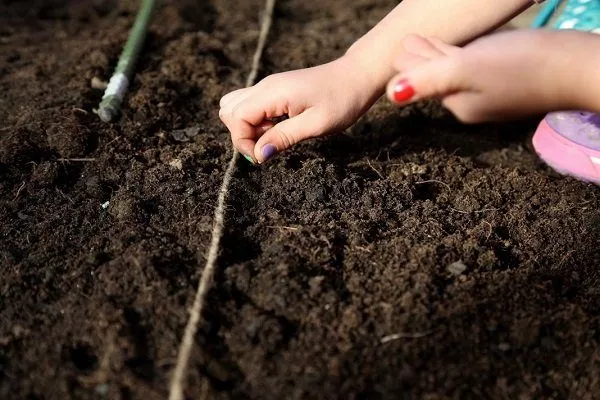
Sowing order:
- Make furrows 3-4 cm deep in the prepared beds. Maintain a 30 cm interval between rows.
- Water the rows generously and wait for the water to soak in.
- Place the seeds in rows at a distance of 4-5 cm from each other.
- Fill the furrows with soil and compact them using a board.
- Water the area again. Be careful not to wash away the soil. Use a rain attachment for watering.
If the forecast calls for cold weather, cover the crops with plastic or other covering material. Remove it as soon as the seedlings emerge. If they have already emerged, stretch the plastic over the arches to prevent it from touching the plants.
Planting beets in winter
Siberia has a hot summer, and snow can fall as early as October. But its presence shouldn't discourage gardeners. Simply clear the dusted beds of snow, and beets can be planted.
Features and procedure of winter sowing:
- Sow only dry seeds.
- The soil should be dry. There is no need to water the crops.
- Place seeds at intervals of 10 cm.
- Fill the seed furrows with soil and mulch with peat or sawdust. Apply a 2-3 cm thick mulch layer.
- Cover the crops with fallen leaves or pine needles. The protective layer should be 10-20 cm thick. Place branches on top and cover with snow.
Seedling method
The seedling method allows for an earlier harvest. Beets planted from seedlings are ready for harvesting 20-25 days earlier than those sown from seeds in open ground.
Timing of sowing for seedlings
Seeds for seedlings are sown approximately 30 days before planting. Sowing occurs in April, and seedlings are planted in the ground no earlier than the third ten days of May. Seedlings are planted outdoors after consistently warm weather. The soil should warm to 10°C.
Sowing seeds
Any gardener can grow beet seedlings at home. To do this, you'll need seedling containers, soil or store-bought growing medium, and seeds.
How to sow beet seeds for seedlings:
- Fill the pots or containers with a substrate or soil mixture of soil, peat and humus (1:2:1).
- Water the soil with a disinfectant, for example, Fitosporin-M.
- Compact the soil and spray it with a spray bottle.
- Plant the seeds in rows spaced 2-3 cm apart if planting in containers, or one seed per cup if using individual containers. In the former case, you'll need to transplant the seedlings at the cotyledon stage into larger containers.
- Cover the seeds with soil on top, with a layer of about 1 cm.
- Spray the soil again with a spray bottle.
- Cover the crops with transparent film or glass and place in a warm place.
Caring for seedlings
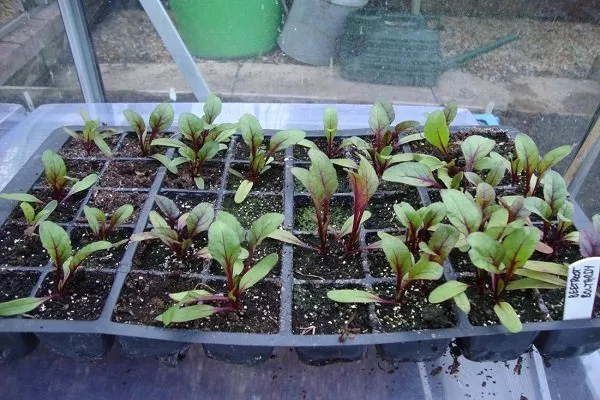
As soon as the seedlings emerge, which usually happens a few days after sowing, the transparent cover is removed. The seedling containers are placed closer to the light, preferably on a south-facing window.
Seedling care:
- Watering. Water the seedlings as the soil dries out. Watering should be moderate, as beet seedlings do not tolerate overwatering. Water the seedlings regularly, but in small amounts. Drain any excess water from the tray.
- Thinning. Each seed produces up to five sprouts, so the plantings are densely packed. Weak and defective sprouts are removed with scissors. Neighboring plants should not allow their cotyledons to touch each other.
- Picking. At the cotyledon stage, seedlings can be transplanted into larger containers. The plants are replanted in soil with the same composition as in the original container.
- Top dressing. If seedlings are planted in a substrate, they don't require additional fertilizer. Homemade soil can be fertilized with complex mineral fertilizers that are high in nitrogen.
- Temperature. Beet seedlings do not like high temperatures; when shoots appear, the temperature is lowered from +18…+20°C to +16°C.
- Lighting. Seedlings require 12 hours of daylight. Artificial lighting is provided if necessary. Grow lights are placed 30-50 cm from the seedlings. If there is insufficient light, the plants will weaken and stretch.
- Hardening. Seven to ten days before planting, the seedlings are taken outside. The time spent outside is gradually increased, reaching several hours.
- Start hardening off 7-10 days before planting by taking the seedlings outside during the day.
- Gradually increase your time outdoors from 1 hour to a full day.
- Avoid direct sunlight during the first days of hardening, use shade or diffused light.
Planting plants in open ground
Seedlings are planted in open ground when 4-6 true leaves appear. Seedling readiness isn't the only requirement for planting; favorable weather conditions must also be present.
Beets tolerate transplantation well, but it is important to exercise caution when transplanting seedlings from individual containers to a permanent location.
The procedure for transplanting seedlings:
- Loosen the bed and level it with a rake.
- Create rows in the garden bed, spaced 20-30 cm apart. Or make individual holes for each seedling. In either case, space adjacent plants 6-10 cm apart, depending on the variety. 40 to 50 seedlings should fit per square meter.
- Water the holes with warm water, and when the water has soaked in, transplant the seedlings into them. Transplant the seedlings along with the soil clumps. When planting, you can pinch the roots to help the seedlings establish faster and produce larger roots.
- Cover the roots with soil and compact it lightly.
- Water the planted plants. Use warm, settled water.
- Mulch the soil with peat, humus, or sawdust. Mulch will retain moisture in the soil and prevent weed growth.
Some gardeners trim all but the central leaves of seedlings before planting. This procedure relieves the roots, which are very weak after planting, from stress.
Features of growing and caring for beets
Beets are not the most demanding vegetable in the garden, so caring for them is not particularly difficult.
How to care for beets:
- Watering. If beets are planted as seedlings in open ground, water the beets Daily until the roots are established. Once established, reduce watering. Watering should be infrequent but generous. Overwatering can cause scab, rot, and crop loss during storage.
- Loosening. Regularly loosen and weed the soil between the rows. Do this carefully to avoid damaging the tender beet roots.
- Top dressing. It's best to feed the plants with a mullein infusion—dilute it with water 1:6. Apply mineral fertilizers at the beginning of the growing season. When the roots reach 2 cm in diameter, they will begin to accumulate nitrates, so at this stage, the fertilizer should contain only potassium and phosphorus.
To make beets sweet, feed them with a salt solution (1 tablespoon of table salt per 10 liters) a month before harvesting.
When growing beets in Siberia, the key is to use cold-resistant, regionalized varieties. Otherwise, beet cultivation in Siberian conditions is fairly straightforward. With timely watering and fertilizing, you can reap a bountiful harvest of delicious beets.