
In the fall, the most viable and frost-resistant beet varieties are planted. This is because the seeds will remain in the ground all winter and will only germinate in early spring, yielding the first harvest. You can learn about preparing for sowing, planting beets, and subsequent beet garden care in this article.
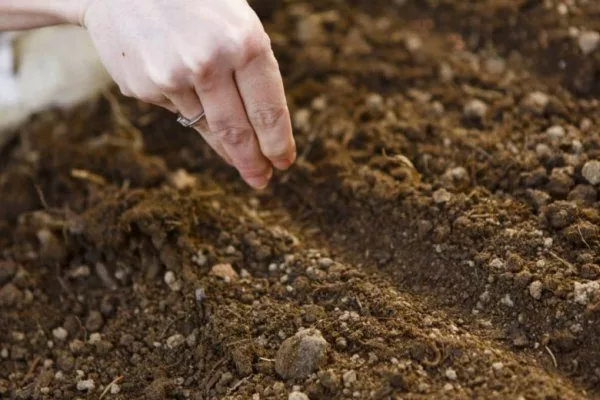
Advantages and disadvantages of autumn beet planting
A distinctive feature of sowing root vegetables for the winter is that the seeds germinate without any gardener intervention. They require no additional watering or warming, which occurs naturally until spring.
The advantages include:
- Hardening off. This is a natural factor. Plants grown from seeds are more resilient to climate change and moisture stress.
- Saving time. Gardeners have enough to do in the spring, so planting beets in the fall reduces the workload later.
- Early harvest. Fruits form 2-3 weeks earlier than with traditional sowing.
- Weather independence. No need to wait for the soil and air to warm up before starting work.
But there are some negative aspects:
- Expiration dates. The harvested crop is not suitable for long-term storage.
- Germination. There is a risk that the crops will perish during a thaw or frost.
Choosing a beet variety for winter sowing
| Name | Cold resistance | Growing season (days) | Fruit shape |
|---|---|---|---|
| Podzimnyaya A-474 | High | 105 | Round-oval |
| Red ball | Average | 75-85 | Rounded |
| Pablo F1 | Average | 100 | Spherical |
| Egyptian flat | High | 70 | Flattened |
| Bordeaux 237 | High | 90-100 | Rounded |
| Captain | Average | 70 | Rounded |
| Cold-resistant-19 | High | 75 | Rounded |
| Siberian flat | High | 70 | Flattened |
| Matryona's Dining Room | Average | 90 | Oblong |
It's crucial to choose the right variety for the beets you plan to plant in the fall. This will determine how well the crop will germinate and the resulting yield.
Criteria to consider:
- cold resistance;
- large weight and size;
- good germination.
Most often, early ripening varieties are chosen, since they are less susceptible to bolting.
The following are popular for winter planting:
- Podzimnyaya A-474. The resulting fruits are dark red, round-oval in shape, weighing around 400 g and ripening in 105 days. Podzimnyaya A-474 are distinguished by their good keeping quality.

- Red ball. The roots are round and a rich scarlet color. They weigh up to 300 g. The harvest is 75-85 days after germination.
- Pablo F1. The vegetables look like small (up to 120 g) burgundy balls. The growing season of beets Pablo lasts about 100 days.
- Egyptian flat. The flattened red-purple fruits grow to a weight of up to 450 g and ripen quickly, in just 70 days.
- Bordeaux 237. The name refers to the skin color, which also features light veins. The vegetables weigh approximately 300 g. Harvesting takes 90-100 days.
- Captain. Bright red roots with a shiny surface. Weighing 200-300 g, they take 70 days to ripen.
- Cold-resistant-19. The vegetables are dark pink in color and have no veins. Optimal weight is approximately 300 g. They are grown for 75 days.
- Siberian flat. The fruits grow red with a purple tint, reaching 300 g in weight. The harvest is ready 70 days after germination.
- Matryona's Dining Room. The root vegetables are distinguished by their distinctive elongated shape and rich burgundy color. The largest specimens weigh up to 500 g. You'll have to wait approximately 90 days to enjoy the harvest.

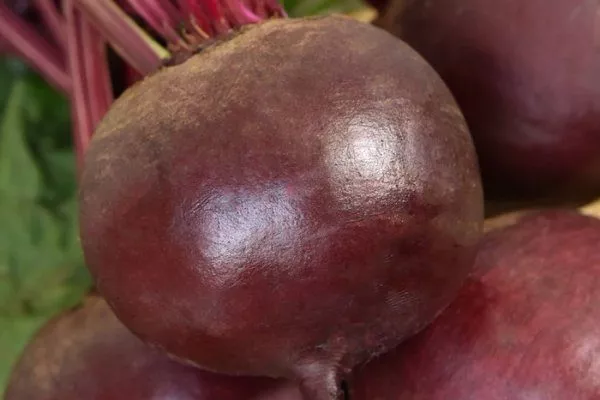
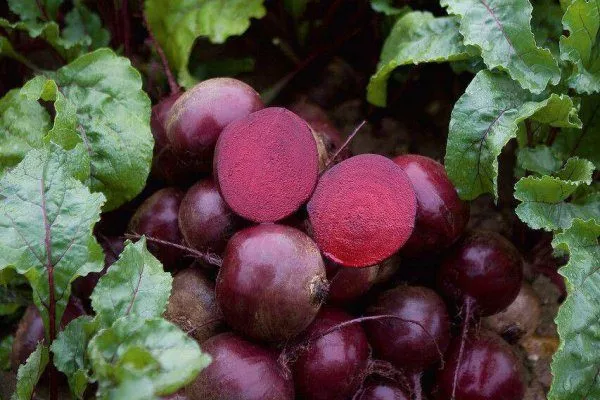
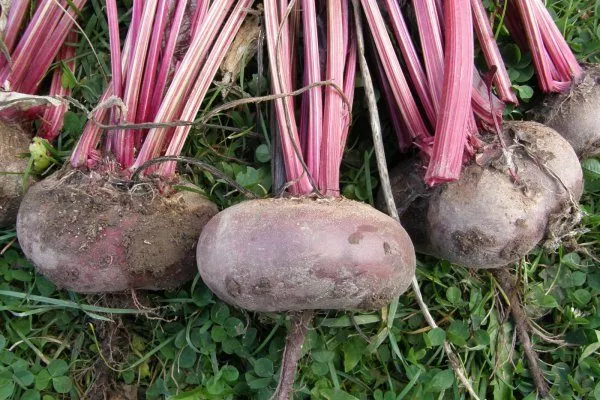

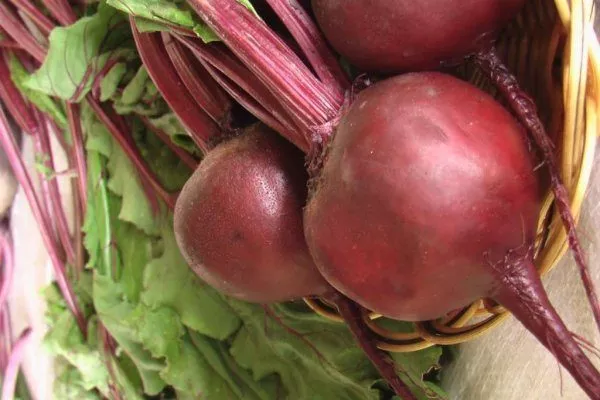
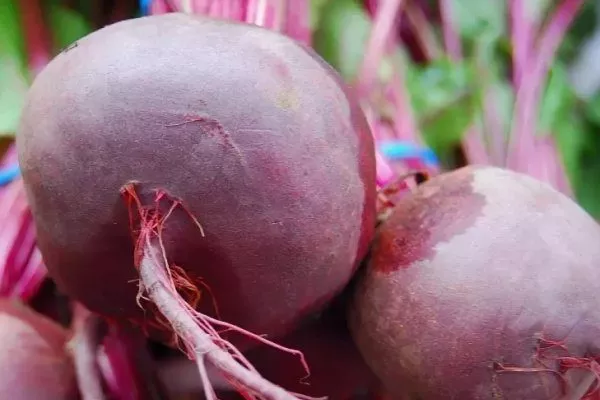
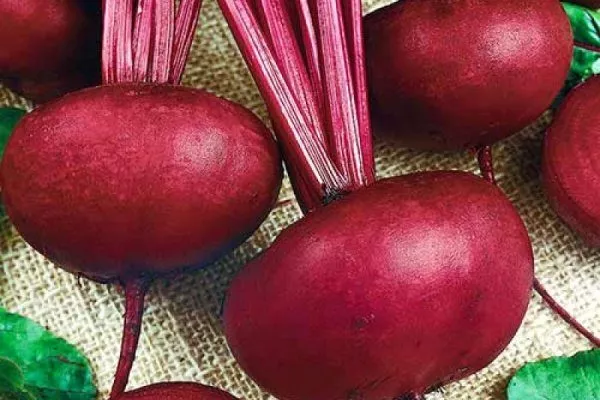
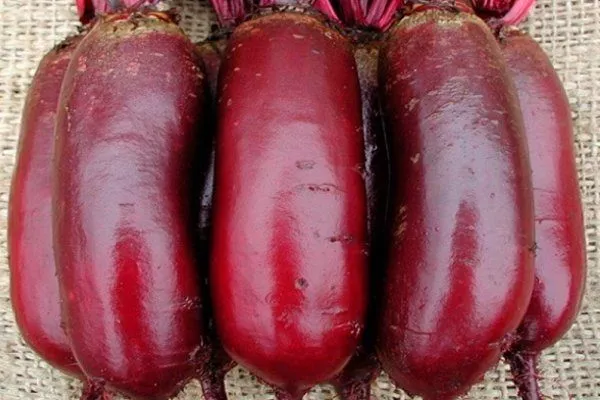
The suitability of a variety for winter sowing is usually indicated on the seed packaging.
Preparing for landing
Pre-sowing work improves the quality of the harvest. The main activities required are described below.
Choosing a location
It is better to do this in advance – in September-October.
Basic rules:
- Location. The garden bed should be elevated to prevent flooding during snowmelt. Avoid areas with groundwater below the surface.
- Warm-up. Preference is given to areas open to sunlight.
- Soil. Rich in humus, light, with neutral acidity.
- Crop rotation. Onions, potatoes, and cucumbers are considered good predecessors. Avoid planting in beds where cabbage, carrots, or beets previously grew.
Seed treatment
Usually occurs just before planting the crop into the soil.
What you need to do:
- take 200 ml of water and heat it to 45 degrees;
- add potassium permanganate to obtain a weak solution;
- soak the seeds for 30-60 minutes;
- lay out to dry on porous paper.
Dry seeds are used for sowing. This treatment will help protect the crops from diseases and ensure optimal moisture levels.
Soil preparation
It's necessary for better seed germination and enrichment of the soil with nutrients. It allows you to address any existing deficiencies in advance.
- ✓ The soil pH level should be strictly within 6.0-7.0 for optimal beet growth.
- ✓ The soil should be dug to a depth of at least 25 cm to ensure good drainage and aeration.
How it happens:
- remove debris, weeds and remnants of previous plantings;
- dig up the area;
- Add a mixture of 4 kg of compost, 60 g of potassium and 50 g of superphosphate to each square meter;
- loosen the soil;
- level it with a rake.
If the soil is acidic, sprinkle it with wood ash or dolomite flour.
Winter sowing
This is the most important stage of beet planting. Therefore, it's important to pay close attention to the instructions.
Autumn planting dates in different regions
Work should begin before the ground is too frozen and can be dug.
The sowing period differs for each climate zone:
- North. Cold weather sets in much faster, so it is recommended to start activities in late September - mid-October.
- Middle zone. Planting is done after the first frost, approximately in mid-November.
- South. Winter comes much later, so sowing can be done from November to early December.
Technology and scheme for sowing beets before winter
It is recommended to sow during the period when the threat of thaw has passed.
Instructions:
- make grooves 3-5 cm deep;
- Place the seeds at a distance of 4-6 cm from each other, keeping the gaps between rows at 30-40 cm;
- sprinkle with a layer of warm garden soil or a mixture of soil, sand and compost in equal proportions;
- mulch with peat.
Watering crops is not recommended.
You can learn about the detailed process and specifics of beet planting in the fall by watching the video below:
Aftercare
Proper care of your garden beds is essential to ensure optimal germination and yield. Here's what you can do.
When and how to cover for winter?
This procedure is necessary to protect crops from premature germination and death. It is performed immediately after sowing.
What is used:
- sawdust;
- spruce branches;
- dry leaves;
- snow.
What to do with a garden bed in spring?
There is no need to rush to remove snow, as it will further warm the beds.
Instead:
- sprinkle the snow cover with coal dust or wood ash;
- Install arches onto which you can stretch film or non-woven fabric at night or in cloudy weather.
- After the snow melts, lightly loosen the soil to improve aeration.
- When the first shoots appear, apply nitrogen fertilizers at a rate of 10 g per 1 m².
- Carry out the second thinning when 4-5 leaves appear, leaving a distance of 8-10 cm between plants.
When the weather gets warmer, remove the cover and move the mulch layer.
Once the seedlings have developed two true leaves, thinning should be done to avoid crowding. To do this, remove the plants, leaving 4-5 cm between each seedling. Root crops that survive the winter thrive in other locations, so the seedlings can be replanted.
Helpful tips
You should pay attention to the recommendations of experienced gardeners:
- Temperature. The optimal time for sowing is when the soil remains warm at around 2-4 degrees, and the temperature outside drops below freezing.
- Weather. Even if there's snow outside, that's no reason to postpone planting. You can simply sweep it aside to clear the area.
- Quantity. Use 25-30% more seeds than during spring planting. This increases the chances of germination.
Fall beet planting offers several undeniable advantages. These include greater root resistance to variable weather conditions, reduced time investment, and an early harvest. However, to grow high-quality fruit, care must be taken to select the right variety and adhere to proper agricultural practices.
I once planted beets in the fall, and I was pleased that I got an early harvest, right in the spring. But the beets didn't store well. After reading your article, I realized I chose the wrong variety. Last year, I planted Red Ball and Egyptian Flat (as you recommended), and... oops, the beets already had excellent shelf life. I'm happy, and thank you!