
It's impossible to get a good beet harvest without fertilizer. The composition, quantity, and timing of fertilizer application determine not only the yield but also the quality of the root vegetables—their taste, sweetness, and texture. Let's learn how, what, and when to fertilize beets in open ground.
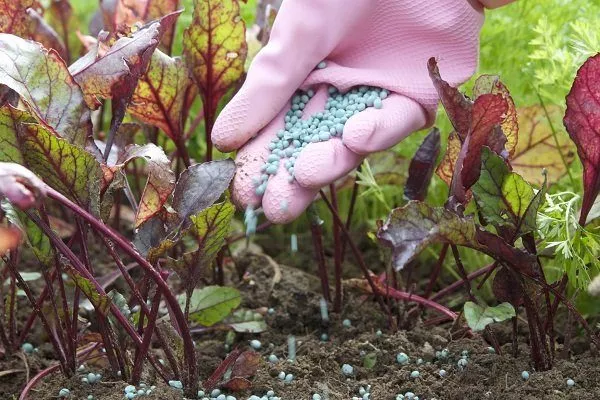
Why fertilize beets?
Beets are a hardy and undemanding crop that doesn't require much effort from gardeners. However, this undemanding nature often backfires on gardeners—the beets may grow, but the quality of their roots is poor.
Beets need fertilizers to form root crops:
- in accordance with the varietal sizes;
- sweet and delicious;
- not hard or fibrous.
Lack of fertilizer can result in beets growing that are completely inedible.
When growing beets, it's important to apply fertilizer according to a schedule—each growing season requires its own set of fertilizers. At the beginning of the growing season, beets require nitrogen, and at the end, phosphorus and potassium.
To grow tasty and sweet beets, they need to be fertilized even in fertile soil. The sweetness and flavor of the roots are due to sodium, an element supplied to the crop by adding sodium nitrate or table salt to the soil.
How can you tell what elements beets lack?
Experienced gardeners can tell if there is a lack of nutrients by the appearance of the beets.
Signs of nutritional deficiency:
- Nitrogen. Deficiencies of this element are typically observed at the beginning of the growing season. The main symptom of nitrogen deficiency is pale and stunted foliage.
- Potassium. This condition occurs mid-growing season. The foliage turns dark red and even purple. Yellow spots appear on the leaves, which curl and dry out. If fertilizer isn't applied in a timely manner, necrosis develops on the leaves.
- Phosphorus. Typically observed in light, acidic soils lacking organic matter. Leaves become small, the above-ground parts turn red, and the tops stop growing. Roots fail to develop and do not accumulate sugar.
- Magnesium. The lower leaves become light-colored. Yellow spots appear on the tops, followed by necrotic lesions.
- Sodium. The tops take on a red tint.
- Bor. The core is rotting. Young leaves are not developing. The growing point is dying.
Too much of a nutrient can be just as harmful as not enough.
Signs of overfeeding:
- Nitrogen. The leaves become dark green, large, and juicy. Root crops lag in growth.
- Potassium. Growth slows down, leaves become light green and covered with brown spots.
- Phosphorus. Chlorosis appears on the leaves. Then, the foliage becomes necrotic, turning yellow and dying.
- Magnesium. The roots die off and the plant cannot absorb calcium.
Types of fertilizers
Any means are good for feeding beets. Along with commercial chemical fertilizers, gardeners actively use natural fertilizers.
Minerals
Mineral fertilizers are a product of the chemical industry. They can be purchased at any agricultural store. The advantages of mineral fertilizers include ease of use, concentrated nutrients, and high efficiency.
What mineral fertilizers are recommended for feeding beets:
- ammonium nitrate;
- urea;
- superphosphate;
- potassium sulfate;
- potassium chloride.
Organic
Beets respond well to organic fertilizers. Organic fertilizers contain the same nutrients as commercial chemicals, but in an easily digestible form.
To add nitrogen to the soil, manure or bird droppings are used. Wood ash provides other nutrients. Using only these two organic fertilizers, beets can be grown without the need for mineral fertilizers.
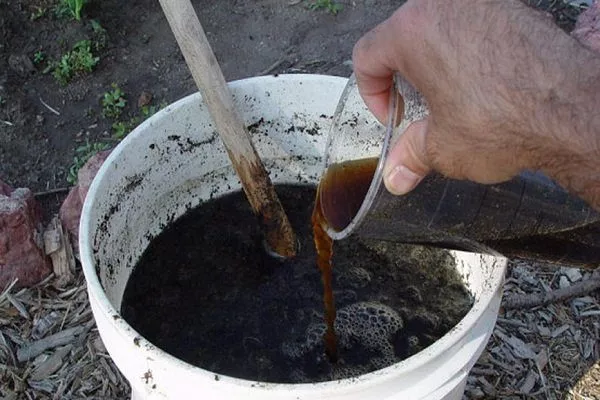
Other popular organic fertilizers include humus, compost, nettle infusion, peat and other natural products.
Complex
Along with simple mineral fertilizers, beets can be fed with complex fertilizers. These differ from simple fertilizers in that they contain not just one, but two or three essential elements. The most well-known complex fertilizers are nitrophoska, ammophoska, nitroammophoska, and others.
Beets are also fertilized with complex fertilizers containing micronutrients essential for this crop. Thanks to their balanced composition, a single complex fertilizer can be used throughout the growing season.
Rules and types of fertilizing
Fertilizers, both mineral and organic, can be applied in two ways: under the root and by spraying.
Root
Beets get most of their nutrition from the soil, so root feeding is essential for a good harvest. Root crops need to grow not only to a reasonable size but also to be tasty, and root feeding helps achieve this.
Features of root feeding:
- During the growing season, at least two additional feedings are carried out: when thinning the seedlings and before the tops close.
- Fertilizers are applied in the form of nutrient solutions. They are poured into specially made furrows 3-4 cm deep. The furrows are made between the rows. The distance from the furrows to the roots is 5-10 cm.
- After adding nutrient solutions, the beds are watered - this helps prevent root burns.
- Fresh manure or litter should not be added to beetroot. They should only be added to poor soils, a year before planting.
Foliar
Foliar feeding involves spraying plants and the surrounding soil. This treatment is used in addition to root feeding when a deficiency of a particular element needs to be urgently addressed.
Features of foliar feeding:
- are absorbed faster and more completely than root dressings;
- can be carried out at any period of vegetation;
- uniform distribution with minimal risk of overdose.
The following solutions are used for spraying:
- Urea. Per bucket of water – 20 g of granulated fertilizer.
- Manganese. A light pink solution is used. Plants are sprayed five times per season. This treatment not only replenishes manganese deficiency but also prevents beetroot from being affected by rot.
For foliar feeding, solutions of boric acid and table salt are also used.
Beetroot fertilizing scheme
When growing beets, it is extremely important to apply fertilizers at specific stages, with different fertilizer compositions used at each stage.
Beets are fed:
- at certain stages of vegetation;
- depending on the condition of the plants;
- during agricultural activities.
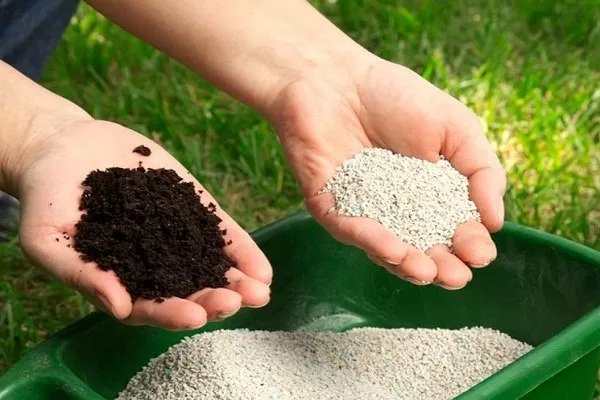
Fertilizers are applied to beets at the following stages:
- Preparing the soil for planting. The beet plot is prepared in the fall and spring. Specific aspects of beet plot preparation include:
- Rotted manure is added in the fall during digging – it should cover the area with a layer of 2 to 5 cm.
- Dolomite flour or crushed shells are added in the fall - 2-3 cups per 1 sq. m.
- In spring, wood ash is added to the soil – 500 g per 1 sq. m.
- Sandy and sandy loam soils are fertilized twice—in the fall and in the spring. Black soils only require autumn fertilization.
- In heavy soils, an increased dose of potassium is added, as well as sawdust, sand and lime.
Critical parameters for soil preparation- ✓ The optimal depth of soil digging for beets should be at least 25-30 cm to ensure good drainage and aeration.
- ✓ The soil pH level should be between 6.0 and 7.0; to adjust the acidity, use dolomite flour at a rate of 500 g per 1 sq. m.
- When sowing. During this period, fertilizer is applied if it has not already been added. The fertilizer is scattered directly into the furrows. 10 grams of saltpeter, superphosphate, and potassium sulfate are applied per square meter.
- During cultivationFertilizers are applied according to schedules based on calendar dates and growing seasons. Approximate fertilizing schedule:
- Fertilize for the first time after thinning the plantings. Take 30 g of superphosphate, potassium sulfate, and carbamide (urea) each, dissolved in a bucket of water. This amount is enough for 10 square meters.
- The second feeding is done three weeks later. Use the same fertilizer as the first.
- The third treatment is carried out 2-3 weeks later. Its composition is slightly different from the previous ones. Double superphosphate and potassium sulfate are used – 40 g each per bucket. The prepared solution is watered over 10 square meters. This mixture is then used to water the beds to promote root crop growth.
- When growing late-season beet varieties, additional feeding is often required. This should be done 3-4 weeks before harvest.
Folk remedies
Gardeners, striving to produce an environmentally friendly product, are replacing mineral fertilizers with organic matter and also using various folk remedies. They use a wide variety of ingredients, including weeds, yeast, and other readily available resources.
Saline solution
Regular table salt, not iodized, is used to feed beets. Salt fertilizers are a source of sodium, which determines the sweetness of the root vegetables.
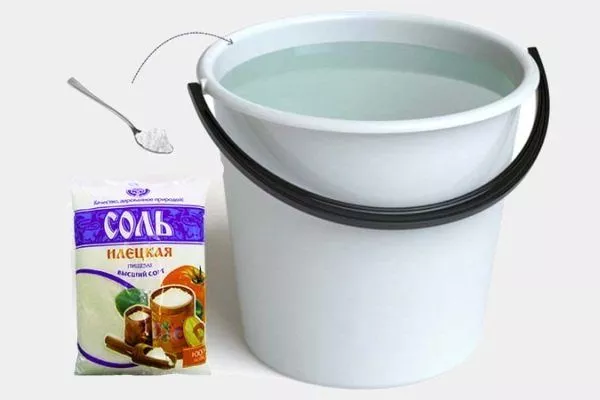
How to feed beets with a saline solution:
- Dissolve 1 tablespoon of table salt in a bucket of water.
- Water the beds at a rate of 10 liters of solution per 1 square meter.
- Apply fertilizer three times per season:
- when the plants have formed 6 leaves;
- when the root crops protrude from the ground by 3 cm;
- half a month after the previous salt feeding.
A salt solution is used not only for root feeding but also for spraying. This is especially important if the foliage has turned reddish, indicating a sodium deficiency. For foliar feeding, use twice as much salt—2 tablespoons—per 10 liters of water.
When using salt fertilizers, it's important to strictly adhere to the dosage. Increasing salt concentrations lead to soil salinization, which negatively impacts crop development.
Chicken manure
Bird manure is a rich source of nitrogen. Therefore, it is used during the initial stages of beet growth. This fertilizer is beneficial in all soil types, but it is most effective in acidic soils.

How to use chicken manure:
- Dilute the manure with water in a ratio of 1:12. Avoid pouring the solution directly onto the roots, as this may burn them.
- Apply diluted manure only into specially dug furrows or simply between rows. The recommended application rate for chicken manure per square meter is 1-1.2 liters.
Nettle infusion
This is a fertilizer well-known among gardeners, with the help of which beets are supplied with essential microelements and vitamins.
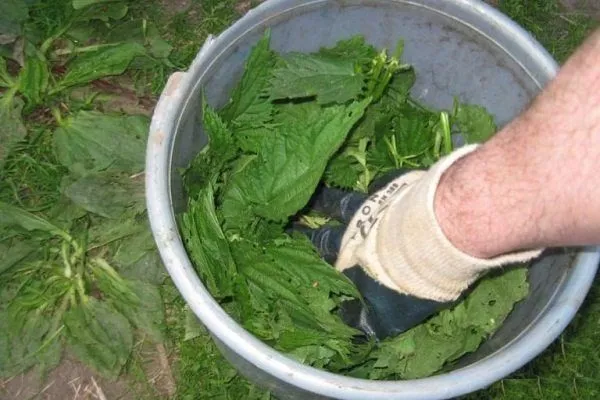
How to make nettle fertilizer:
- Pick some young nettles – you need plants that haven’t produced seeds yet.
- Place 3 kg of chopped nettles in a 30 liter barrel and fill with water.
- Cover the barrel with a lid and leave to infuse.
- After 4-7 days, the infusion is ready for use. Water the beets 1-2 times a month, 1/2 liter per plant.
Weed infusion
You can even use weeds to feed beets. After weeding, don't rush to throw out the weeds—they can make excellent fertilizer.
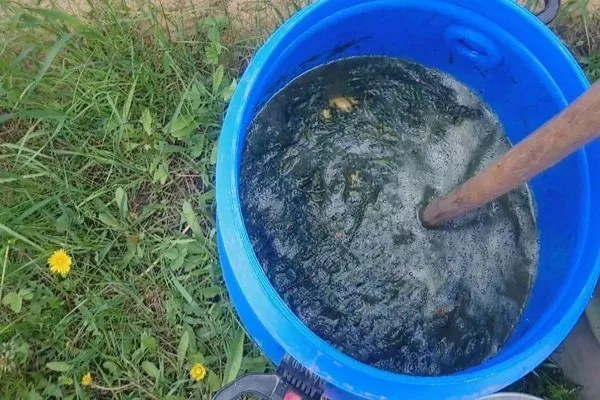
How to make weed infusion:
- Place the weeds in the barrel – they should take up about a third of its volume.
- Fill the barrel with water to the very top and leave to steep.
- After 5-7 days, the infusion is ready. Dilute it with water 1:10 and water the beets. This fertilizer can be poured directly under the plant roots. Apply 1 liter per plant.
- Water the beets with weed infusion once every two weeks.
Ash infusion
Wood ash is valued as a source of phosphorus and potassium. It also contains boron, magnesium, and copper. Ash improves soil structure and deoxidizes acidic soils.
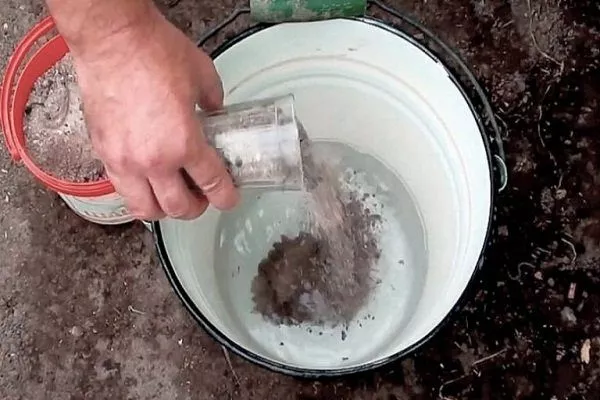
Beets are fed with ash twice:
- Immediately after sowing the seeds into the ground.
- At the stage of formation and growth of root crops.
How to prepare ash solution:
- dissolve two glasses of ash in a bucket of water;
- Let the ash sit for 2 hours and immediately water the beds.
Yeast
Regular baking yeast added to the soil enhances the growth of beneficial bacteria that break down organic matter in the soil, enriching it with potassium and nitrogen.
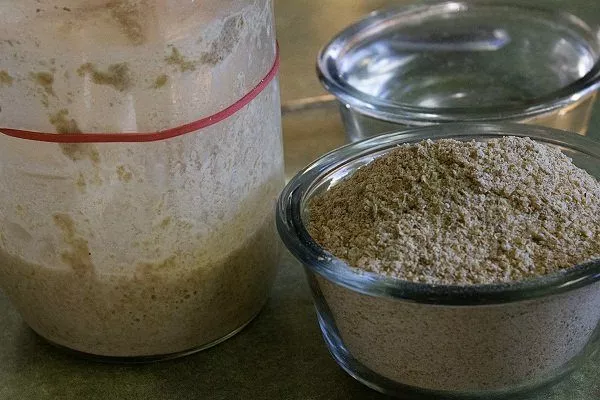
Yeast fertilizers enhance the development of the root system and improve plant immunity.
Recipe #1:
- Take 1 kg of fresh yeast and dissolve it in 5 liters of water.
- Let the yeast sit for 2 hours.
- Add water in a ratio of 1:10.
Recipe #2:
- Dissolve 10 g of dry yeast and 2 tbsp of sugar in 10 liters of water.
- Let it brew for 2 hours.
- Dilute with water in a ratio of 1:5.
Beets are watered with yeast solution three times:
- In spring, immediately after emergence.
- 20 days after the first feeding. The second feeding occurs in June.
- Approximately two months after the first feeding, the last yeast feeding is applied in August.
Boric acid
Boric acid is especially needed by beets grown on sandy and loamy soils.
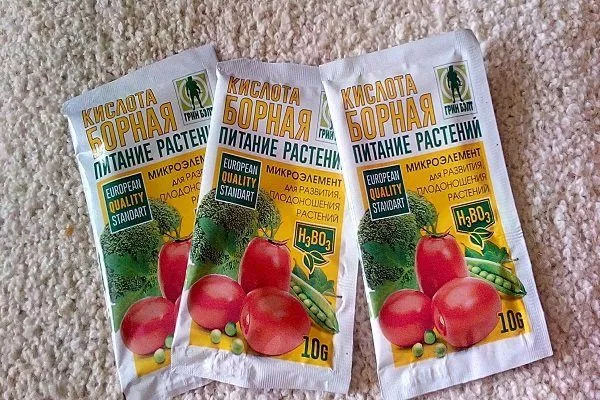
Why do you need boron:
- activates seed germination;
- improves the taste of root vegetables;
- prevents root rot;
- increases immunity.
When boron is added:
- During seed preparation, 0.2 g of acid is diluted in 1 liter of water. The seeds are soaked in the solution while being prepared for sowing.
- During the growth stage of tops and roots, a solution is added: 0.5 teaspoon of acid per 1 liter.
- Before sowing, soak beet seeds in a boric acid solution (0.2 g per 1 liter of water) for 12 hours to improve germination.
- In the 4-6 leaf phase, apply foliar feeding with a boric acid solution (0.5 tsp per 1 liter of water) to prevent root rot.
To dilute boric acid, use only hot water.
Beetroot fertilizing by month
Beets are fertilized based on the growing season. For many gardeners growing beets outdoors, it's more convenient to use a calendar.
In June
In June, ground beets are at the initial stage of vegetation, when they need nutrition for the growth of green mass and root development.
How to feed beets in June:
- As soon as the second leaf appears on the plant, the beds are watered with mullein diluted in water 1:10. The fertilizer is poured into the furrows between the rows.
- After two weeks, the beds are watered with ammonia diluted with water – 1 tablespoon per 10 liters. Adding the ammonia solution helps repel pests and boosts plant immunity.
In July
In midsummer, beets form a basal rosette. Fertilizing during this period should promote root formation and plumpness. Potassium is added to the plant for this purpose.
How to feed beets in July:
- Potassium nitrate. Dissolve 2 tablespoons of the preparation in 8 liters of water.
- Table salt. Dilute 2 tablespoons in a bucket of water.
In August
At the end of summer, root crops complete their development, begin to rapidly accumulate nutrients, and develop a distinct flavor. In August, beets are fed with potassium-phosphorus fertilizers.
What fertilizers should be applied in August:
- Mineral fertilizer solution. Dissolve 2 tablespoons of superphosphate and 1.5-2 tablespoons of potassium chloride in 10 liters of water. Apply the fertilizer 4 weeks before harvesting.
- Instead of a mineral “cocktail,” many gardeners add more harmless agents—for example, wood ash or a yeast solution.
Tips from experienced gardeners
Farmers and experienced gardeners who have experience growing delicious beets advise:
- At the stage of top growth, apply only nitrogen fertilizers.
- Monitor the condition of the leaves closely and apply fertilizer according to the needs of the plants.
- Apply fertilizer after irrigation.
- Give preference to organic fertilizers.
- Don't limit yourself to just root feeding; use foliar feeding as well – spray the plants with nutrient solutions.
An experienced gardener will also talk about fertilizing beets in the following video:
https://www.youtube.com/watch?v=Q9hMOnAnvb8
When growing tasty and sweet beets, fertilizing is crucial. With proper and timely fertilization, you can grow root vegetables that match their variety's size and flavor.