
Single-sprout beetroot is a reliable and productive choice. Its ease of care, excellent flavor, and good shelf life make it an excellent choice for cultivation. With the right approach to growing, you'll reap a bountiful harvest of healthy, juicy vegetables.
History of variety selection
Approved for use in 1976. It was developed from the Bordeaux 237 variety at the All-Russian Research Institute of Selection and Seed Production.
Introduction to the variety
It's a table variety and has the characteristic indicated by its name: it's a single-seeded crop, with each seed producing a single plant. This eliminates the need for thinning the beds. The root vegetables are noted for their excellent shelf life.
Description of appearance and taste
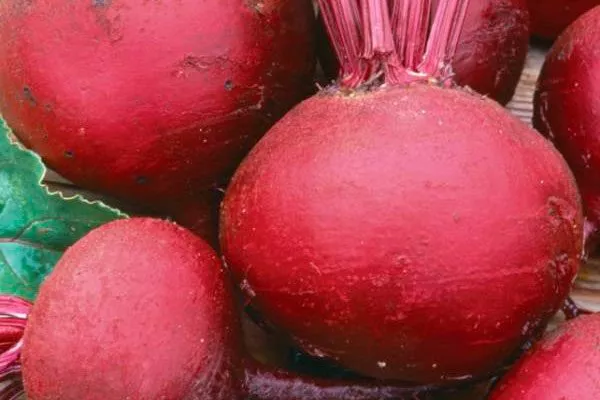
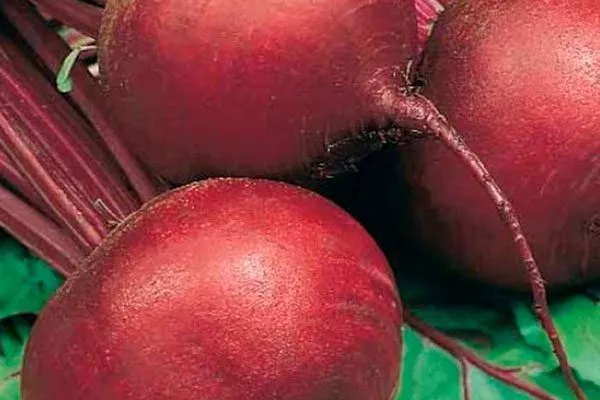
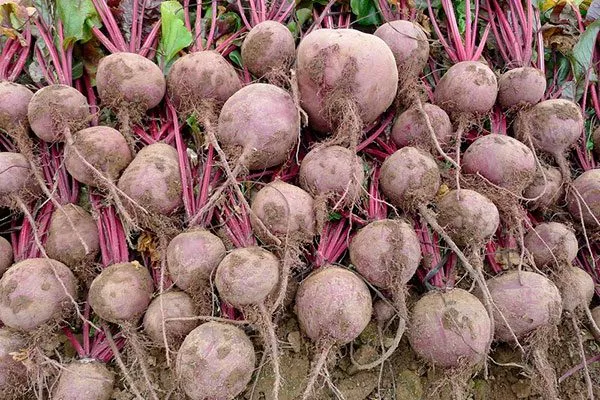
The robust rosette consists of large, rich green leaves with burgundy veins. The plant's root system is not very deep. The roots are rounded and flattened. They reach 16-18 cm in length and 4-7 cm in diameter.
When does it ripen?
This mid-season variety has a maturation period from germination to harvest of 80-130 days. The roots are slightly embedded in the soil, making them easy to pull out for harvest.
Productivity
Single-sprout is a high-yielding variety, yielding an average of 8-10 kg per square meter. It is suitable for producing bunches, and two harvests can be harvested in one season.
- ✓ Each seed produces only one plant, eliminating the need for thinning.
- ✓ The roots are slightly embedded in the soil, making them easier to harvest.
Features and differences from other varieties
Single-sprout variety is designed for planting in open ground with an optimal plant spacing of 10 x 25 cm, which accommodates their vigorous and spreading growth. Emerging seedlings do not require thinning, as this can damage the root system.
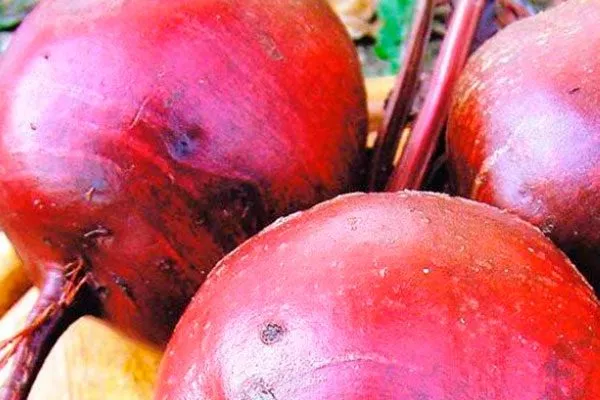
The variety is known for its delicious taste:
- the pulp is sweet, juicy and tender;
- rich taste and aroma are preserved even after heat treatment;
- Late-ripening fruits are ideal for winter preparations.
The vegetable is rich in nutrients and suitable for dietary nutrition, making it an excellent choice for those who adhere to a healthy lifestyle.
Climate requirements
The crop yields best in regions with a temperate continental climate. It is zoned for the following areas:
- Central;
- Northwestern;
- Central Black Earth;
- Volga region.
It lacks sufficient cold tolerance, so planting in unheated soil can result in 20-30% of plants flowering. In areas with harsh climates, late sowing is undesirable, as the roots may not have time to ripen during the short northern summer.
In the Urals, Siberia, and the Far East, beets are grown under temporary plastic covers or in heated beds, where biofuel generates heat and warms the plant roots. In southern regions, beets require regular irrigation, as they are moisture-loving plants.
Description of the Single-Sprout Beet Types
| Name | Root color | Taste | Usage |
|---|---|---|---|
| Grade 1 | Bright red | Excellent, sweet | Culinary arts, decorative element |
| Grade 2 | Violet-red | Tender, juicy | Combination with vegetables and herbs |
| Grade 3 | Yellow-red | Saturated | Salads and appetizers |
There are several varieties, each with unique characteristics. Let's take a closer look:
- Grade 1. Characterized by a bright red root, it boasts excellent flavor and sweetness. Suitable for both culinary and decorative use.
- Grade 2. The skin is purple-red. It has tender, juicy flesh that pairs beautifully with other vegetables and herbs.
- Grade 3. It has a yellow-red root color and rich flavor, making it ideal for salads and appetizers.
This vegetable has excellent flavor and is high in betaine and sugar. It's ideal for fresh consumption, cooking, and canning.
Growing Single-Sprout Beets
Single-stemmed sage is easy to grow, making it attractive to both beginner and experienced gardeners. The key is to ensure regular watering and optimal planting conditions.
- ✓ The soil acidity level must be strictly within 6-7 pH, otherwise the growth of root crops will be inhibited.
- ✓ The soil must be well-drained to avoid water stagnation and root rot.
Preparing the soil for growing single-sprout beets
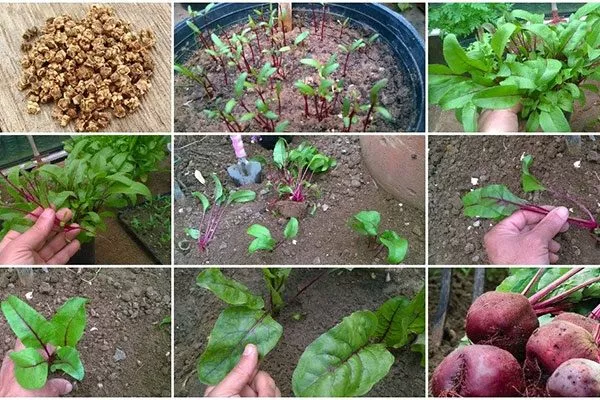
Before sowing, thoroughly prepare the soil. Till to a depth of 20-25 cm, clear the area of weeds, and add organic fertilizers such as humus or compost. The optimal pH level should be between 6-7.
Methods of sowing single-sprout beets
Planting from seeds or seedlings is possible. For seedlings, plant in spring or fall, placing the seedlings in dry soil to a depth of 2-3 cm, with rows spaced 25-30 cm apart. If seedlings are preferred, plant them after all danger of frost has passed.
Caring for single-sprout beets during the season
The plant appreciates regular watering, especially during the root formation period. Avoid overwatering the soil to prevent rot. Water as the topsoil dries, depending on the climate.
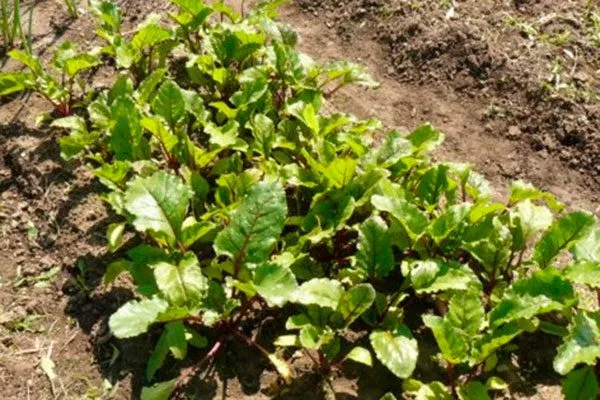
Apply the first fertilizer 2-3 weeks after germination, using nitrogen fertilizer to stimulate active foliage growth. During root formation, add more potassium and phosphorus, using wood ash or special potassium-rich fertilizers.
Resistance to diseases and pests
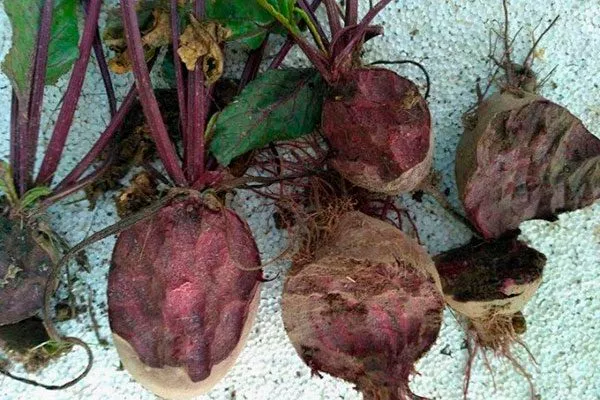
The crop is rarely susceptible to cercospora leaf spot, a fungal disease that can reduce yields by 30-50%. The variety has limited resistance to downy mildew, powdery mildew, and alternaria, which can develop during prolonged rainy weather.
To prevent diseases, take the following measures:
- Follow crop rotation rules.
- Carefully remove tops and other plant debris from the area.
- Disinfect seeds before planting.
In summer, leaves can be attacked by leaf-eating pests such as aphids, toadstools, and beet flea beetles. To protect plants, use folk remedies with a strong odor, such as garlic or potato top infusions or ammonia solutions.
Positive and negative qualities
Before planting a crop, carefully study its advantages and disadvantages to avoid potential difficulties. Odnorostkova has the following advantages:
Among the disadvantages, gardeners note the need for good lighting of the site, the demand for soil fertility, the need for regular and abundant watering, and sensitivity to increased soil acidity.
Reviews
The Single-Sprout Beet is one of the most interesting varieties, gaining popularity thanks to its excellent characteristics and ease of care. It is characterized by good productivity and resistance to adverse weather conditions, making it an attractive choice for many gardeners. It is important to take proper care of the crop to ensure a bountiful harvest.