
The Nezhnost beetroot variety attracts attention with its excellent characteristics. This crop not only impresses with its good productivity but also with its high-quality vegetables. This variety is suitable for both beginner and experienced gardeners who prefer minimal care and maximum yield. Proper care is essential to maximize its performance.
History of variety selection
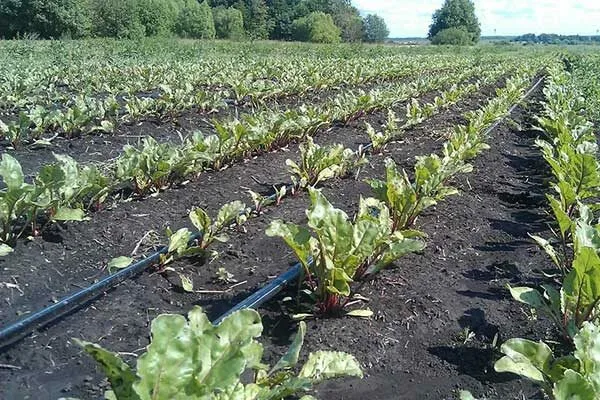
Developed by Russian breeders and added to the state register in 2005, it quickly attracted attention and is still grown by many vegetable growers in our country.
Introduction to the variety
This vegetable is rich in vitamins and minerals that promote health. It contains B vitamins, vitamin C, and essential trace elements such as iron, magnesium, potassium, and iodine.
The high fiber content improves digestion, normalizes metabolism, and helps detoxify the body. Iron maintains hemoglobin levels, which is important for preventing anemia. It helps strengthen the immune system and has a beneficial effect on the cardiovascular system, lowering cholesterol.
Description of appearance
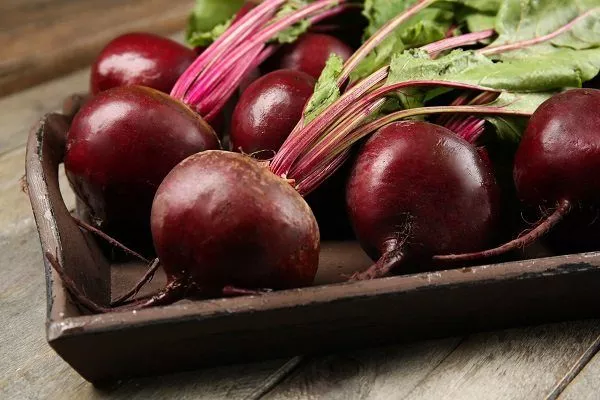
The plant forms an upright rosette. The leaves are oval, green, slightly blistered, and have a moderately wavy edge. The petioles have a reddish tint underneath. The roots are cylindrical, smooth, and have purple flesh without rings. They weigh between 265 and 310 g.
Taste characteristics and purpose
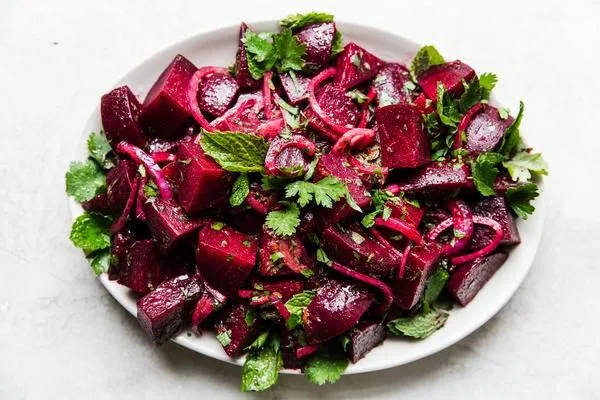
Beetroot "Nezhennost" is versatile in cooking and suitable for baby food and dietary needs. It is often used in processing and stores well in winter. It has no distinctive flavors, and its taste is highly praised—the consistency is tender and pleasant.
Ripening and yield
This variety has a medium ripening period. Roots form 115 days after planting. Productivity is good: 209 to 419 centners of vegetables are harvested per hectare.
Soil requirements
Before planting, it's important to carefully select a site. The crop prefers sunny, sheltered locations with fertile soil. The optimal pH level is neutral (6-7 pH). To adjust the pH, use alkaline fertilizers.
- ✓ The soil acidity level should be strictly within 6-7 pH; for accurate measurement, use a pH meter.
- ✓ The soil should be well drained, avoid areas with stagnant water, even after heavy rains.
Growing regions
The plant is successfully cultivated in the Volga-Vyatka region, the central and northern regions of the European part of Russia. Nezhnost beetroot is grown in Eastern Siberia, the Urals, and the Far East.
Landing features
Even a novice gardener can handle this project, as no special knowledge is required. Step-by-step instructions:
- Dig and fertilize the soil before planting.
- Add organic fertilizers such as compost or humus.
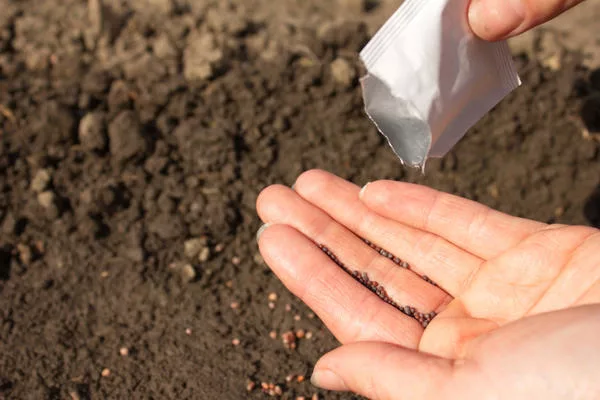
- Soak the seeds in warm water for several hours to speed up germination.
- Sow them to a depth of 1-2 cm, keeping a distance of 10-15 cm between them, and 30-40 cm between rows.
Water the crops with warm water and cover the area with film until the seedlings appear.
Subtleties of agricultural technology
This crop requires thorough care, and it will reward you with generous harvests. Follow these simple care procedures:
- Water your plants regularly, maintaining moderate soil moisture. Avoid overwatering and stagnant water. Apply water at the roots, avoiding contact with the leaves to prevent fungal diseases.
- Once the seedlings emerge, thin the plants, leaving 15-20 cm between them. This will ensure good root development and prevent them from becoming too dense.
- Fertilize beets 2-3 times per season. At the beginning of the growing season, use nitrogen fertilizers to promote active leaf growth. During root formation, apply complex mineral fertilizers with phosphorus and potassium. Organic matter is effective for improving soil structure and increasing its fertility.
- Regularly inspect your plantings for signs of disease and pests. Remove affected leaves and stems to prevent spread. Treat the foliage with fungicides or insecticides as needed, according to the manufacturer's recommendations.
- Weed the beds to remove weeds that may compete with the crop for nutrients and water. Loosen the soil to allow air to reach the roots and improve water and air permeability.
Use mulch to retain soil moisture and maintain a stable temperature.

Resistance to diseases and pests
Beetroot "Tenderness" has a strong immune system, but without proper care, it can be susceptible to various problems. The main diseases and insects this crop is susceptible to, and how to control them, are:
| Diseases/Pests | Symptoms | Treatment |
| Fomoz | Dark spots with a yellow border appear, covering leaves or roots. | Remove affected parts. Treat with Topaz or Hom fungicides according to the instructions. |
| Peronosporosis | Accompanied by white or grayish spots on the underside of the leaves, this can lead to drying out. | Use fungicides such as Abiga-Peak or Fundazol. Ensure the vegetation is not dense and provide good ventilation. |
| Rust | Orange or red bubbles with rusty powder inside form on the tops. | Remove affected specimens and treat plants with fungicides Kuprosat or Zircon. |
| Cercospora leaf spot | Gray-brown spots with dark edges appear on the leaves. | Spray with fungicides Mixan or Topsin-M. |
| Aphid | The tops curl up, sticky secretions and black sooty fungi appear. | Insecticides such as Aktara or Iskra are effective. Folk remedies, such as garlic infusion, can also help. |
| Weevil | Leaves curl, holes appear, and roots may be damaged. | Treat with Fufanon or Karate insecticides. Use pheromone traps. |
| Caterpillars | They damage the tops, leaving holes. | Collect pests by hand. Treat with Biotlin or Decis insecticides. |
| Mole cricket | Root crops are damaged, holes and cracks appear. | Use traps and insecticides such as Groza or Prokleim. Keep the area clean and deep-till the soil. |
Positive and negative qualities
Possible reduction in yield due to insufficient care is the main drawback of the crop.
Reviews
The Nezhnost beetroot is an excellent choice for both beginner and experienced gardeners. This variety guarantees sweet, large, and beautiful roots that can be eaten immediately or preserved for the winter. The key is to ensure proper and timely care to ensure a large harvest.