
Madame Rougette is a table beet variety developed by breeders A. N. Lukyanenko, S. V. Dubinin, and I. N. Dubinina and approved for use in 2009. This vegetable is suitable for culinary processing and canning. This high-yielding plant, with proper care, can delight gardeners with tasty and sweet root vegetables.
Features of the appearance of the plant and root crops
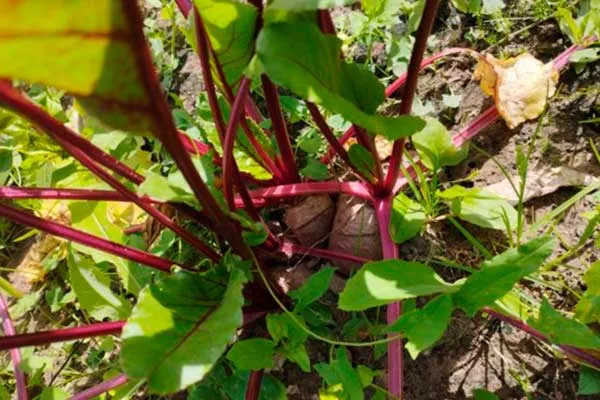
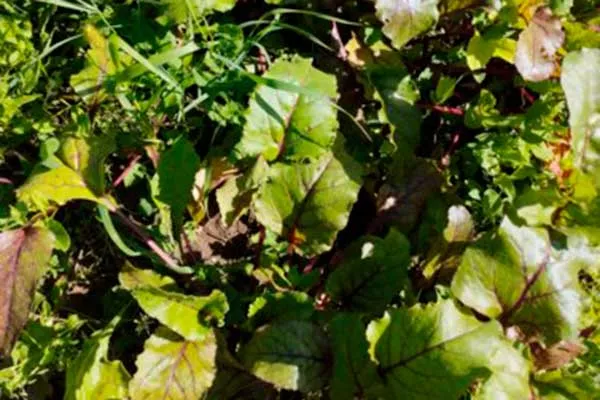
The semi-erect rosette consists of oval, slightly bubbly leaves with wavy edges. They are dark green. The lower part of the petioles is red. The roots are round, small (weight varies from 130 to 250 g) with a smooth, dark red surface. The corking of the head is moderate.
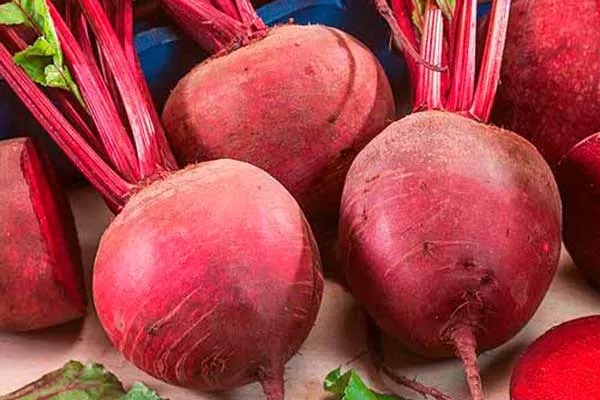
Characteristics of the Madame Rougette beet variety
The crop has many positive qualities. It's important to study them before planting to avoid any complications later.
- ✓ Root vegetables have a high sugar content (10.3%) and dry matter (12.6%), which affects their taste.
- ✓ The variety is characterized by uniform ripening, which ensures high yields.
Purpose and taste of tubers
The flesh is uniform, red, and sweet. Beets are suitable for culinary processing and canning. The root vegetables have excellent flavor due to their high sugar content (10.3%) and dry matter (12.6%).
Maturation
This early-ripening variety is ready for harvesting 80-100 days after germination. The vegetables ripen evenly, ensuring a high yield.
Productivity
Madame Rougette is a highly productive variety capable of providing yields from 260 to 411 centners per 1 hectare.
Growing Madame Rougette Beets
Growing beets isn't difficult, but to achieve generous yields, it's important to follow a few key recommendations. For good and healthy growth, you need to select the right site and plant it correctly.
Soil preparation
Choose a suitable site that will provide optimal growing conditions for your plants. Here are a few recommendations:
- The plant prefers good light, so choose locations that receive at least 6-8 hours of sunlight per day. This promotes uniform growth and improves the taste of the root vegetables.
- The ideal soil for beets should be well-drained, loose, and rich in organic matter. Loams and black soils are ideal. Avoid heavy clay soils, which can hinder root growth.
- The optimal pH level is 6.0-7.0. Check the soil acidity and add lime if necessary to adjust it.
- Choose areas that aren't prone to flooding. Beets don't tolerate stagnant water, which can lead to root rot and disease.
- ✓ The pH level should be strictly within 6.0-7.0, measure it before planting.
- ✓ The soil must contain at least 3% organic matter to provide nutrition.
Avoid growing beets in beds where other root vegetables (such as carrots or radishes) have been grown for the past 3-4 years to reduce the risk of diseases and pests. Good predecessors for beets include legumes, cereals, and brassicas.
Before sowing the seeds, thoroughly cultivate the area. First, perform a shallow tillage to a depth of 20-25 cm to improve the soil structure and eliminate weeds. Then, re-till the soil to a depth of 35-40 cm to improve root aeration and nutrient availability.
Planting Madame Rougette beet seeds
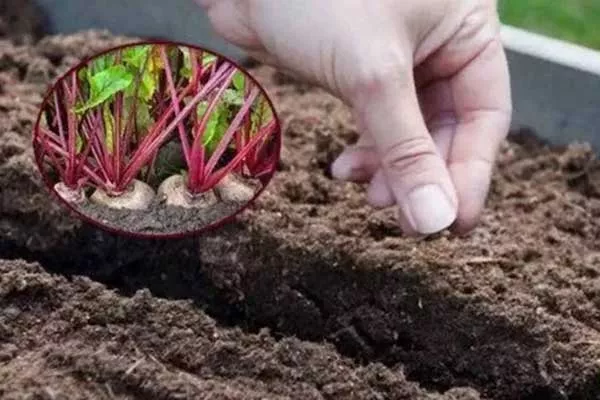
Plant seedlings in the spring when the soil warms up to 8-10°C. Follow these recommendations:
- Place seeds at a depth of 2-3 cm, with a spacing of 10-15 cm between plants, leaving a distance of 30-40 cm between rows.
- After planting, compact the soil slightly to ensure better contact between the granules and the soil.
- Water the area carefully, avoiding washing away the seeds.
Plant care during the season
Caring for your crop involves several key steps that will help ensure healthy plant growth and high yields. Follow standard agricultural practices:
- Provide moderate and regular watering, especially during germination and root formation. Water the plants every 5-7 days, increasing the frequency during dry periods. Apply water at the roots to prevent moisture from reaching the leaves, which can lead to disease.
- Two to three weeks after germination, apply nitrogen fertilizer to support vigorous growth. Once the vegetables have formed, use complex mineral fertilizers to improve their quality.
- When the seedlings reach a height of 5-7 cm, thin them out, leaving a distance of 10-15 cm between them. This will ensure good air circulation and space for the beets to grow.
- Harvest vegetables when they reach the desired size. Pull them carefully to avoid damage, and do not leave the roots in the ground to prevent rot.
By following these guidelines, you can grow healthy and delicious Madame Rougette beets that will grace your table and become the basis for a variety of dishes.
Pests and diseases of Madame Rougette beets
The crop is characterized by good resistance to various diseases and insect attacks, which makes its cultivation relatively safe and reduces the need for frequent use of chemicals.
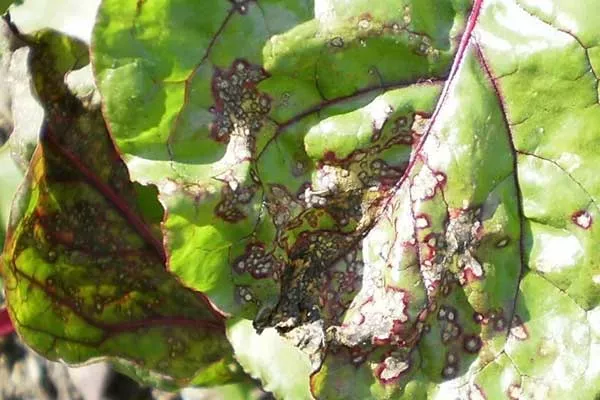
However, if not properly cared for, plants can develop certain problems. At this point, it's important to begin treatment immediately:
| Disease/Pest | Symptoms | Methods of control |
| Fusarium | Yellowing and wilting of leaves, rotting of roots. | Use of fungicides (Bordeaux mixture, Cuprozan, Topsin M), crop rotation, removal of affected plants. |
| Ascochytosis | Grayish-brown spots on the tops. | Treatment with copper sulfate, removal of infected parts of the plant. |
| White rot | Wet marks at the base of the stem. | Use of fungicides (Hom, Ordan, Topaz), ensuring good ventilation and drainage. |
| Aphid | Change in shape and yellowing of leaves. | Spraying with insecticides (Actellic, Confidor, Fitoverm). Natural predators (such as ladybugs) are effective. |
| Root fly | Small holes in root vegetables, rotting. | Crop rotation, use of insecticides, protective films on beds. |
| Fruit rot | Rotting vegetables, spots on the surface. | Removal of affected fruits, treatment with fungicides (Planriz, Rovral), compliance with storage rules. |
Reviews of the Madame Rougette beet variety
The Madame Rougette beetroot is appealing for its delicious flavor and disease resistance. This variety has gained popularity due to its low maintenance and excellent productivity. It's easy to grow for both beginners and experienced gardeners. Simple farming practices are essential to maximize yields.