
Beet varieties vary widely in their characteristics. However, there are also absolute leaders, developed through years of selective breeding and rightfully considered the best. In this article, we'll discuss the very best beet varieties.
| Name | Ripening period | Disease resistance | Soil type |
|---|---|---|---|
| Bravo | 70-100 days | Average | Loams, clay |
| Single-sprout | 80-130 days | High | Loams, clay |
| Bordeaux 237 | 85-95 days | Average | Loams, clay |
| Mona | 75-100 days | High | Loams, clay |
| Valentina | Average | High | Loams, clay |
| Cylinder | 120-130 days | High | Loams, clay |
| Libero | Mid-early | High | Loams, clay |
| Mulatto | 125-130 days | High | Loams, clay |
| Rocket F1 | 120-125 days | High | Loams, clay |
| Red ball | Up to 105 days | High | Loams, clay |
| Bohemia | 70-80 days | High | Loams, clay |
| The Incomparable A463 | 69-99 days | Average | Loams, clay |
| Opolski | 76-98 days | High | Loams, clay |
| Pronto | Average | High | Loams, clay |
| Podzimnyaya A474 | 98-100 days | Average | Loams, clay |
| Detroit | 110 days | High | Loams, clay |
| Boltardi | Early | High | Loams, clay |
| Nochovsky | 76-98 days | High | Loams, clay |
| Khavskaya | 120-130 days | High | Loams, clay |
| Egyptian flat | 94-120 days | High | Loams, clay |
Bravo
The table variety "Bravo" was developed at the West Siberian Vegetable Base and approved for use in 1997. It is considered a very productive, easy-to-grow, and delicious variety.
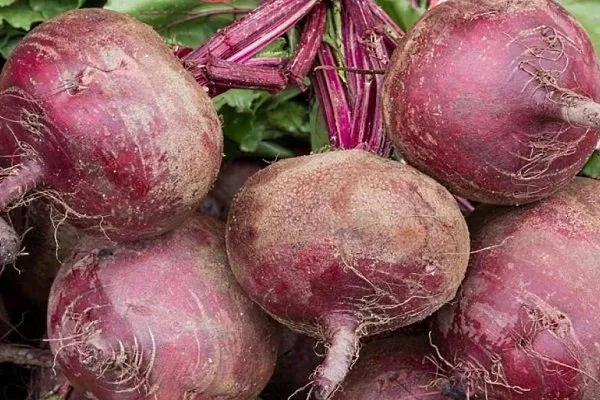
It can be grown from Moldova to the Ural Mountains.
The characteristics of this variety are as follows:
- fruit shape – round;
- fruit color is dark red, leaf color is dark green;
- weight – 200-780 g;
- the pulp is dark red, tender and juicy, no rings;
- taste – sweet;
- average ripening period – from 70 to 100 days;
- yield – 6.6-9.0 kg/sq.m;
- suitable soil type – loam, clay;
- has a long shelf life;
- sugar content – 15.8-17.9%;
- affected by cercospora leaf spot and damaged by beet midge.
Single-sprout
This table variety was developed in 1976 at the All-Russian Research Institute of Vegetable Crops Breeding and Seed Production. It is used in the Northern, Northwestern, Central, Central Black Earth, and Middle Volga regions.
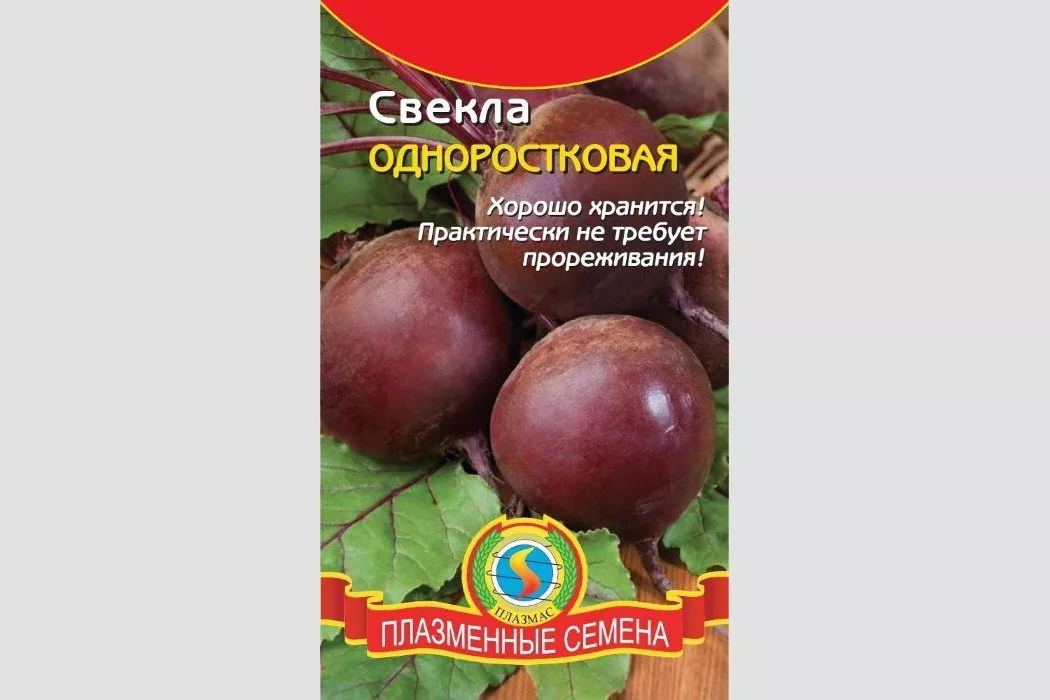
Characteristics of the variety:
- the shape of the root crop is round and round-flat;
- color - dark purple, smooth surface;
- pulp – dark burgundy, juicy, tender;
- weight – 297-314 g;
- It is considered an early ripening variety, but can ripen in 80 to 130 days;
- yield – 4.0 kg/sq.m;
- soil – loam, clay;
- Suitable for long-term storage.
Bordeaux 237
Discovered in 1943, this variety is approved for cultivation throughout the Russian Federation. It is one of the most popular and well-studied varieties. It is considered a heat-loving variety but is also drought-tolerant.
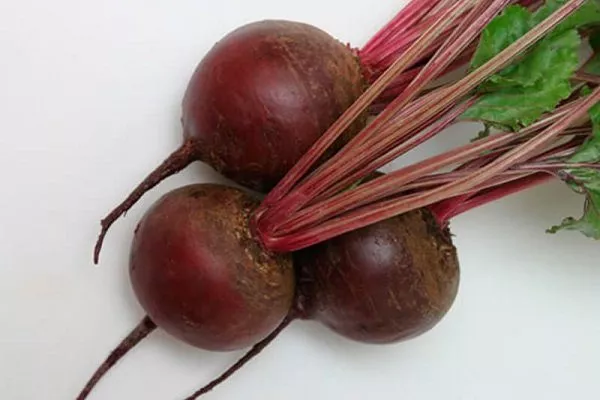
Characteristics of the variety:
- the shape of the fruit is round with a small head;
- petiole – bright pink, length – 20-31 cm;
- surface - rough;
- weight – 232-513 g;
- pulp – intense dark red;
- characterized by good shelf life;
- relatively resistant to diseases, can be affected by cercospora and downy mildew;
- belongs to the early varieties – the fruit is formed in 85-95 days;
- yield – 3.5-8.0 kg/sq.m;
- soil – loam, clay.
Mona
A variety developed jointly by breeders from Semko Junior CJSC and a Czech company. It has been cultivated throughout Russia since 1991.
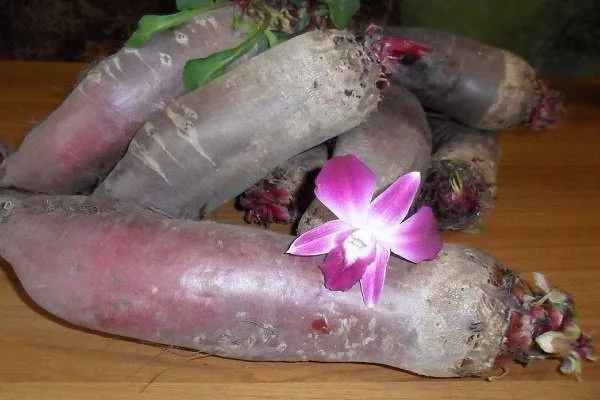
Characteristics of the variety:
- fruit shape – cylindrical;
- color - red, color of leaves - green-red;
- weight – 200-330 g;
- the pulp is dark red, tender, juicy, the rings are slightly pronounced;
- yield from 5 to 6 kg/sq.m;
- has good shelf life;
- full ripening period – 75-100 days;
- The taste is good.
Used for storage, canning and growing for bunch production.
Valentina
This variety was developed in 1999 for use in the Northwest region. It is prized by gardeners for its high single-seededness and cold tolerance.
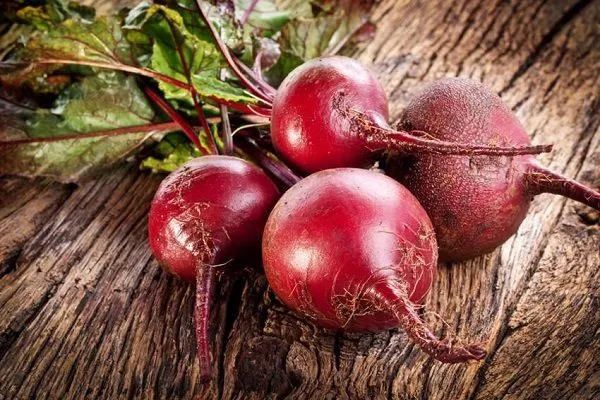
Characteristics of the variety:
- leaf shape – triangular, color – dark green with red veins;
- the shape of the root crops is uniform;
- fruit color – dark red;
- weight – 170-333 g;
- the pulp is dark red, with faint rings;
- ripening period is average;
- yield – 2.8-4.4 kg/sq.m;
- has good shelf life;
- soil – loam, clay.
Cylinder
Cylindra is a twenty-year-old achievement of breeders. The variety can be grown in all regions of the country.
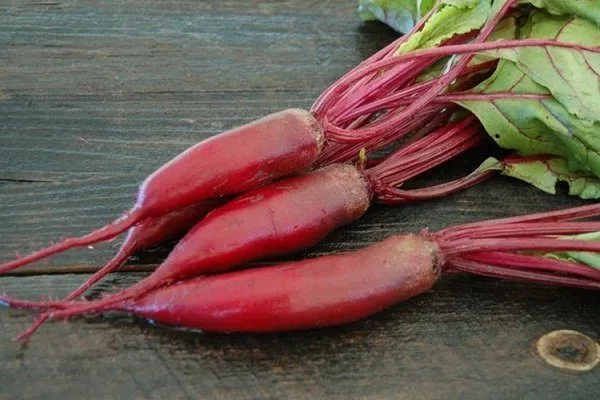
Characteristics of the variety:
- fruit shape – elongated, cylindrical;
- diameter – 4-7 cm, length – 12-16 cm;
- mid-season variety – 120-130 days;
- pulp - dark red, without rings;
- fruit weight - from 250 to 600 g;
- yield – 7-10 kg/sq.m;
- leaves are medium sized, light green;
- has good shelf life;
- slightly susceptible to diseases;
- taste – sweet;
- sensitive to low temperatures;
- soils – loams, clay;
- Suitable for canning and processing.
Libero
This beet variety was grown in the Netherlands. It has been recommended by the State Register for cultivation in the Central Region since 1999.
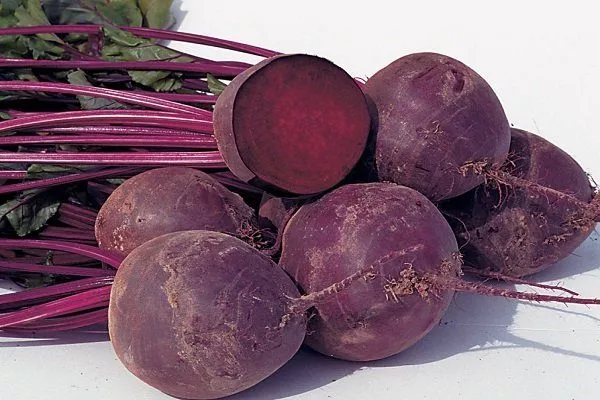
Gardeners value this variety for its early production and relative resistance to bolting.
Libero characteristics:
- oval-shaped leaves, green-red color;
- leaf rosette erect;
- the shape of the root crops is uniform, round;
- weight – 125-225 g;
- the head is slightly corked;
- belongs to the mid-early category;
- The advantages include mass ripening of fruits, presentable appearance and good taste;
- yield – 1.8-5.8 kg/sq.m;
- soils - loams, clay.
Mulatto
This variety is not much different from other table beet varieties. The most suitable regions for growing it are the Volga region, the Black Sea region, and the Far East. It is widely used in cooking and is suitable for long-term storage.
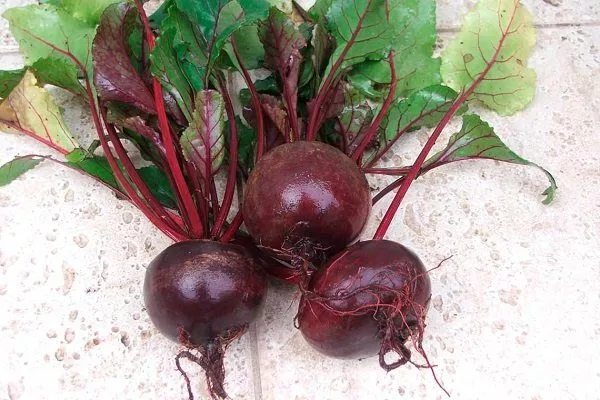
Specifications:
- the shape of the fruit is correct, round;
- the yield of commercial products is 95-98%;
- mid-late beet (125-130 days after seed germination);
- corking is practically absent;
- weight – 160-360 g;
- little susceptible to temperature changes;
- pulp – dark burgundy, juicy, tender, without rings;
- yield – 2.5-4.4 kg/sq.m.
Rocket F1
A mid-season hybrid from Holland, suitable for cultivation in the European part of Russia and Western Siberia. Gardeners value this variety for its resistance to flowering and drought. Rocket's roots are significantly different from other varieties due to their unusual shape.
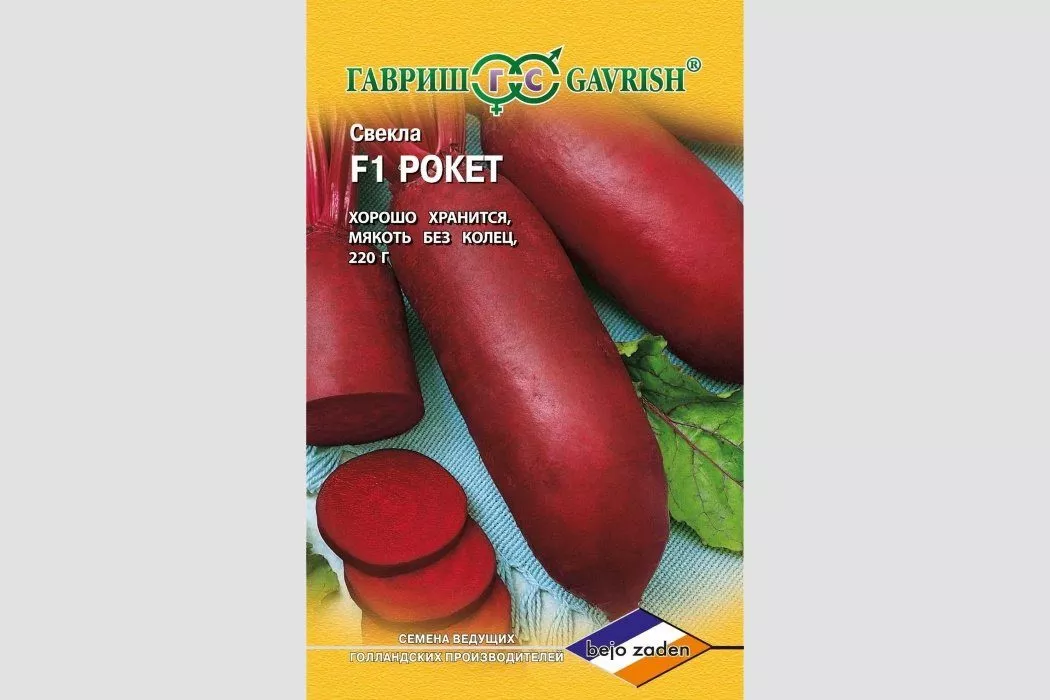
Specifications:
- fruit shape – cylindrical, large;
- the color of the fruit is dark red, the surface is smooth and glossy;
- pulp color is purple, no rings;
- weak corking;
- weight – 220 g;
- sugar content – 11.7%;
- yield – 5-7 kg/sq.m;
- high shelf life;
- root crop diameter – up to 5 cm;
- full ripening period – 120-125 days.
Red ball
Red Ball is considered an early-ripening variety. Its growing season lasts up to 105 days. It is cold-hardy and suitable for summer and fall harvests.
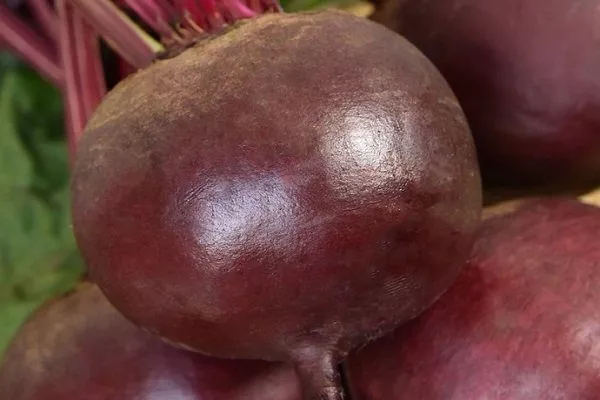
Specifications:
- fruit shape – round;
- fruit color – dark scarlet;
- the surface of the fruit is even and smooth;
- weight – up to 300 g;
- diameter – 3-3.5 cm;
- pulp – dark red, juicy and sweet, without rings;
- resistant to flowering.
This variety can be stored until April of the following year and is also a storehouse of vitamins and mineral salts.
Bohemia
This variety is a recent development, thanks to the work of Russian breeders. It boasts excellent flavor, and its primary cultivation region is the Volga-Vyatka region.
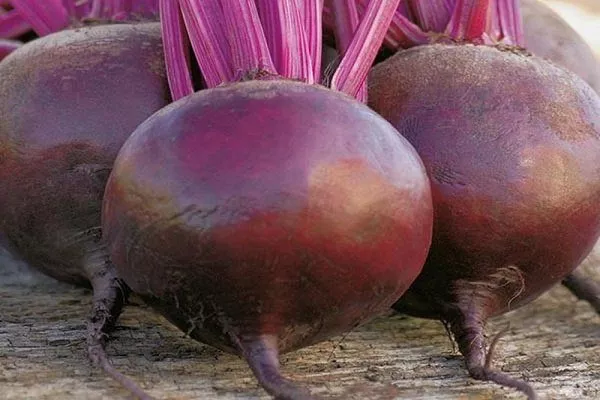
Specifications:
- shape – flattened, with obvious corking at the base;
- fruit color – dark burgundy;
- weight – 210-350 g;
- the pulp is dark burgundy, no rings;
- fairly resistant to fungal diseases;
- has good shelf life without losing its taste and attractive appearance;
- mid-season variety – from germination to ripening it takes about 70-80 days;
- yield – up to 4.8 kg/sq.m.
The Incomparable A463
This variety was developed in 1943 at the All-Russian Research Institute of Vegetable Crops Selection and Seed Production. It is used in the Central and Ural regions.
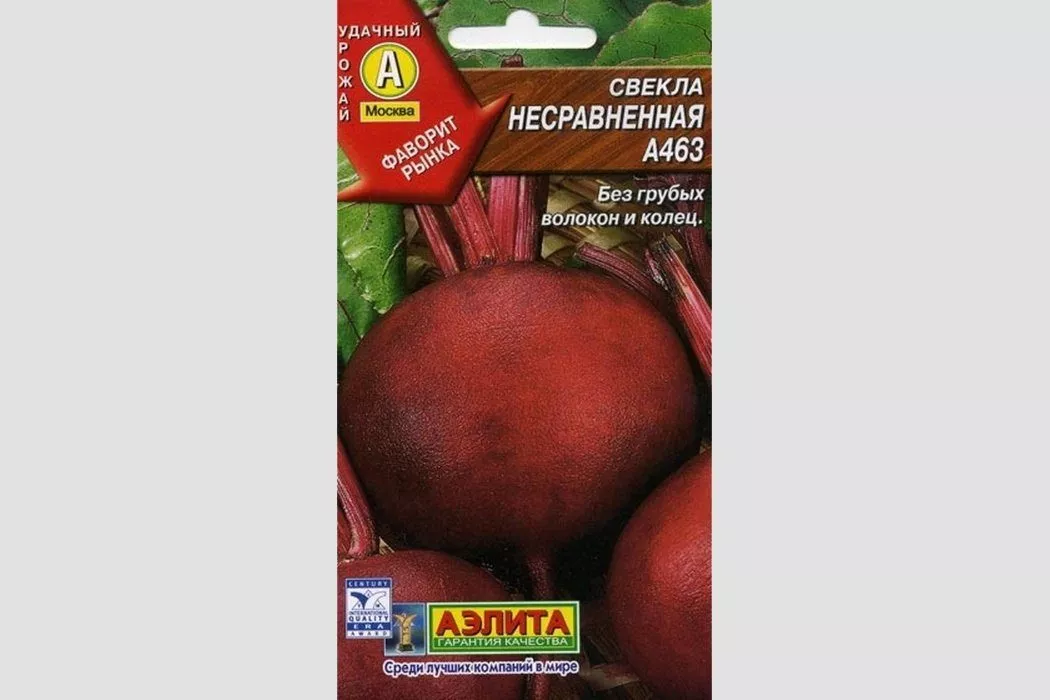
Features of the Incomparable A463:
- fruit shape – flat and round-flat;
- fruit color is dark red, grayish near the head, leaf color is green and dark green;
- weight – 167-385 g;
- the petiole is elongated, with light veins, the color is intense red;
- the pulp is dark red, with blackish rings;
- early maturing variety – the growing season is 69-99 days;
- yield – 3.0-7.0 kg/sq.m;
- soil type – loam, open ground;
- disease resistance – average;
- The taste of the fruits is sweet.
Opolski
This table grape variety was bred in Poland in 1998. It can be grown in the Central and Central Black Earth regions. It is recommended for planting in garden plots and on farms.
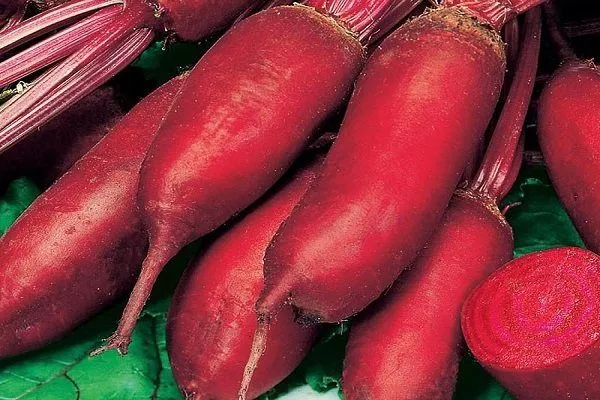
Characteristics of the Opolski variety:
- rosette of leaves is erect;
- leaf shape is oval, color is light green with strong anticyanin coloration of the veins;
- fruit shape – even, cylindrical;
- fruit color – dark red;
- weight – 158-438 g;
- the head of the fruit is small, convex, moderately corky;
- the pulp is dark red, tender, juicy, with faint rings;
- yield in the Central region is 2.5-5.2 kg/sq. m, in the Black Earth region – 3.1-5.3 kg/sq. m;
- is characterized by a high level of shelf life;
- resistant to phomosis and moderately susceptible to cercospora;
- soil – loam, clay.
Pronto
This variety was bred by the Dutch company Bejo Zaden. It has been available for cultivation in the Northern region since 1995.
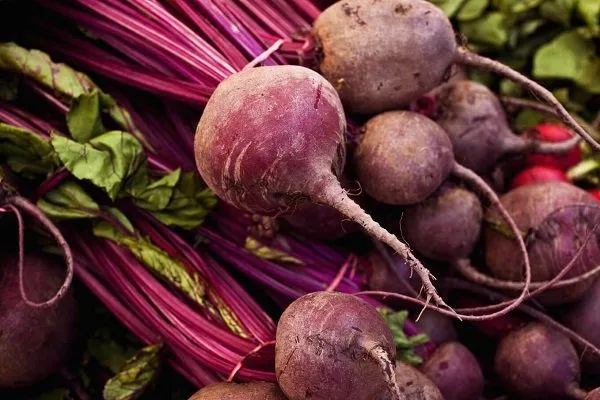
Gardeners appreciate Pronto for its resistance to flowering.
Characteristics of the variety:
- leaf shape – elongated-oval or oval, color – dark green;
- the shape of the root vegetables is uniform, round, color is red;
- weight – 110-152 g;
- belongs to the mid-season varieties;
- yield – 1.2-1.8 kg/sq.m;
- is distinguished by its resistance to diseases.
Podzimnyaya A474
This variety was developed at the All-Russian Research Institute of Vegetable Crops Breeding and Seed Production. It is approved for use in the Northwestern, Central, Middle Volga, Volga-Vyatka, and Central Black Earth Regions. It is recommended for early spring and winter sowing.

Specifications:
- leaf shape – heart-shaped, elongated, color – green, becomes pigmented by autumn;
- petiole is intensely pink-red, length – 25-35 cm;
- fruit shape – round;
- weight – 369 g;
- mid-early variety – 98-100 days;
- the pulp is dark burgundy, with an excellent, distinct taste;
- yield – 4.3-6.1 kg/sq.m;
- relatively resistant to cercospora leaf spot.
Detroit
This is an Italian variety. It is recommended for cultivation in the Central region, but gardeners' experience suggests that Detroit also grows well in the Far East. It is prized for its cold tolerance and resistance to leaf-fall.
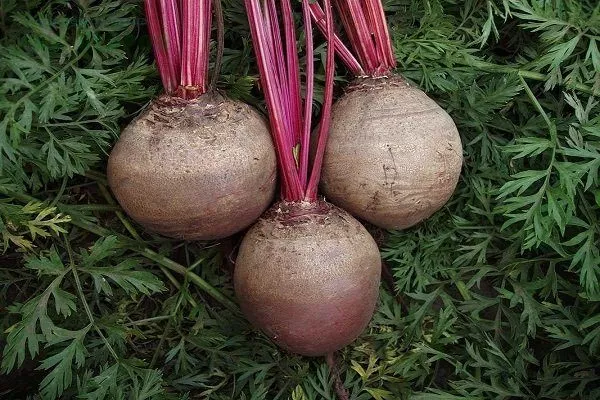
Specifications:
- fruit shape – round, even;
- color - red, with a thin, very short axial root;
- weight – 111-212 g;
- pulp – dark red, without rings;
- has good shelf life;
- characterized by an average ripening period - from the moment of emergence to full ripening it takes 110 days;
- sugar content – 12.3-14.2%;
- yield – 3.6-6.9 kg/sq.m;
- The taste is good.
Suitable for juicing, canning and fresh consumption.
Boltardi
A Dutch-bred variety, approved for cultivation in the Central Russian region in 1998, Boltardi can produce good yields throughout European Russia. It's an early variety, but excellent for long-term storage.
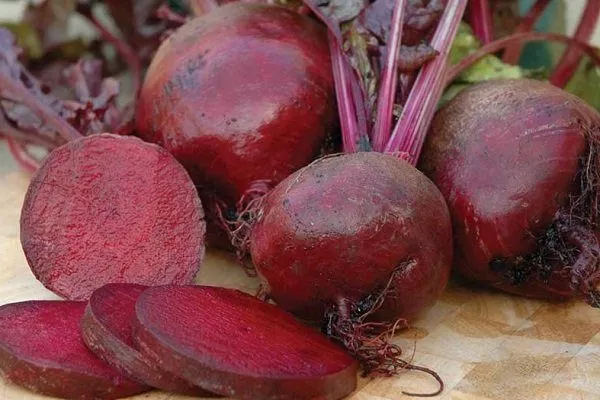
Specifications:
- leaves are medium-sized, oval in shape, light green in color with a slightly wavy edge;
- the shape of the fruit is uniform, round, the color is dark red;
- weight – 160-367 g;
- the pulp is dark red, with slightly defined rings;
- the presence of innate immunity to flowering;
- yield – 2.7-3.1 kg/sq.m;
- belongs to early ripening varieties;
- suitable for long-term storage;
- soil – loam, clay.
Nochovsky
A beet variety developed in Poland. It was introduced to our country about 20 years ago. The State Register recommends cultivation in the Volga and Black Sea regions. This variety is excellent for juices and baby food.
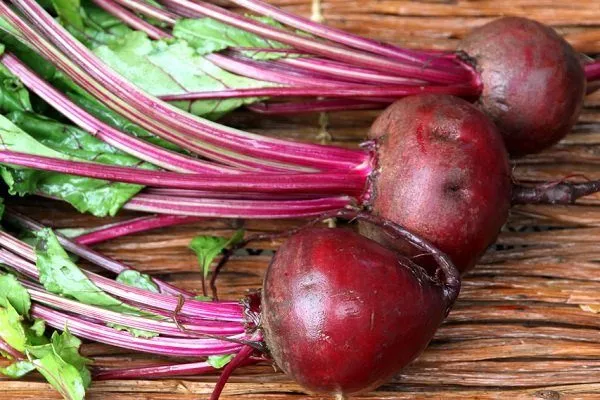
Specifications:
- the shape of the fruit is round, with moderate corking;
- fruit color – dark pink;
- the leaves are large, light green, but darken during harvesting;
- beet weight – 150-375 g;
- the shelf life is not bad;
- yield – 2.5-4.5 kg/sq.m;
- does not suffer from flowering;
- early maturing variety – 76-98 days.
Khavskaya
This beet variety was developed at the Voronezh Vegetable Experimental Station. It has been used in the Volga-Vyatka, Central Black Earth, Middle Volga, West Siberian, and East Siberian regions since 1983.
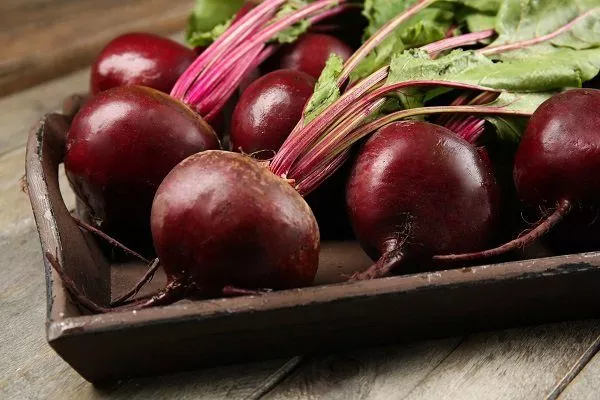
Gardeners appreciate the variety for its single-seeded nature, as this makes thinning the plants easier.
Specifications:
- fruit shape – round or round-flat;
- fruit length – 8 cm, diameter – 8.5 cm;
- color – dark and black-red;
- weight – 307-515 g;
- the flesh is red, with a burgundy tint;
- belongs to mid-season varieties - from the first shoots to technical maturity it takes 120-130 days;
- yield – 5.0-8.1 kg/sq.m;
- resistant to cercospora and black rot;
- soil – loams, soil.
Egyptian flat
This beet variety was developed at the V.V. Dokuchaev Central Chernobyl Research Institute of Agriculture in 1943. It produces consistently high yields in the Urals, Far East, and Eastern Siberia. It is recommended for autumn and winter consumption.
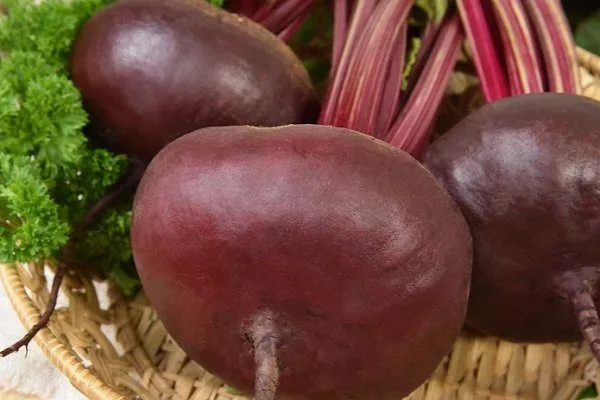
Specifications:
- leaf shape – heart-shaped, medium-sized;
- leaf color – dark green;
- leaf length – 16-22 cm, width – 12-24 cm;
- petiole is pink-red, length is 21-25 cm, thickness is 0.6-1.2 cm;
- the shape of the root crop is flat, with a thickened axial root;
- fruit color – dark red;
- fruit diameter – 6.5-12.5 cm;
- weight – 332-526 g;
- the pulp is pinkish-red, sometimes with a purple tint, without rings;
- mid-late variety – 94-120 days;
- has excellent keeping quality – 88-90% of the harvest lasts until March of the following year;
- yield – 5-8 kg/sq.m;
- resistance to flowering;
- frost resistant.
- ✓ Consider the climate conditions of your region to select a variety with suitable cold or drought tolerance.
- ✓ Pay attention to the type of soil in your area, as not all beet varieties grow equally well on loam and clay.
It can take a gardener quite a bit of time to find the perfect beetroot from the wide variety available. The key is to approach the matter responsibly—researching which of the listed varieties will thrive in your climate, soil, and region. Then, a bountiful harvest will be yours in no time.