
The Creole beet has deservedly gained popularity thanks to its combination of flavor and nutritional benefits. This variety not only delights connoisseurs of fresh vegetables but also becomes the basis for many culinary masterpieces. Its disease resistance and low maintenance make it an excellent choice for both experienced and novice gardeners.
History of selection
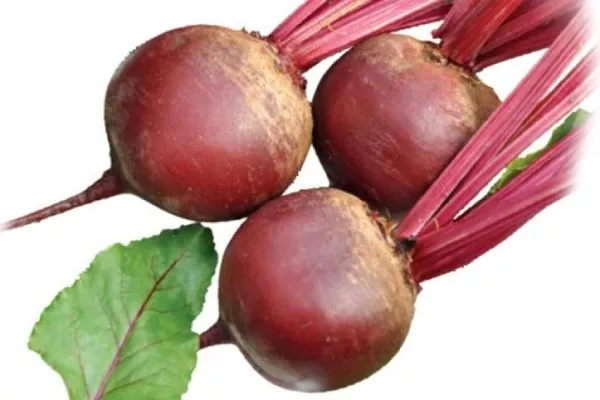
This table variety was developed by specialists at Agrofirma Poisk LLC. It was approved for use in 2013.
Development prospects
The crop has become popular not only in Russia but also abroad thanks to its unique taste and numerous qualities, which make it one of the most sought-after varieties on the market.
Further research is currently underway to improve characteristics and adapt to various climatic conditions. The possibility of creating new hybrid varieties based on the Creole is being explored. These efforts are aimed at ensuring that it remains a leading variety.
Introduction to the variety
Creole's distinctive feature is its sweet and juicy flavor, making it ideal for use in a variety of culinary dishes. Even novice gardeners can easily grow it.
Characteristics of appearance
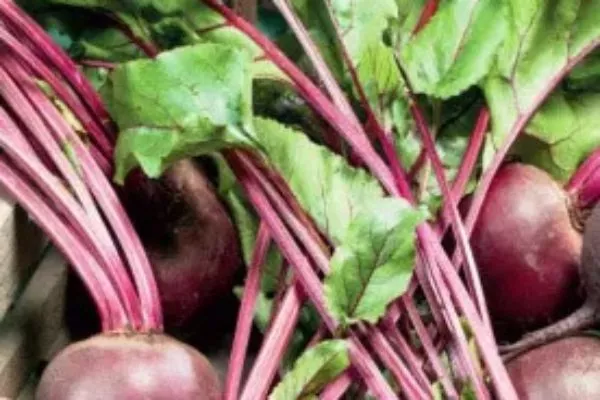
The semi-erect rosette consists of oval-shaped leaves. They are dark green with red veins, medium-blistered, and slightly wavy at the edges. The petioles are purple on the underside.
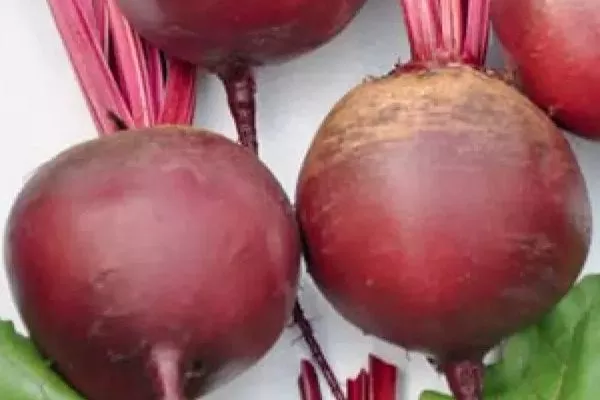
The roots are round and small, weighing between 160 and 230 g. They have a uniform shape and a slight corkiness on the head. The rings are barely visible, and the flesh is a rich red color.
Taste qualities, purpose
This vegetable is ideal for culinary use and canning. Its pleasant flavor and tender, juicy flesh make it stand out among other varieties, making it an excellent choice for salads and appetizers.
Properties and medical applications
The culture has many characteristics that make it a popular choice for healthy eating. Let's take a closer look:
- Contains vitamins A, C, and K, folate, magnesium, potassium, and iron. These nutrients strengthen the immune system, support bone health, and reduce the risk of cardiovascular disease.
- Rich in antioxidants, which protect cells from free radical damage, reducing the risk of cancer and slowing down aging.
- Regular consumption of this vegetable helps lower blood pressure and improve blood flow due to its high nitrate content, which improves heart function and lowers cholesterol levels.
- Fiber normalizes bowel function, prevents constipation and maintains healthy microflora.
- Nitrates improve physical endurance and help reduce fatigue. These properties make the vegetable especially beneficial for athletes.
Productivity and ripening time
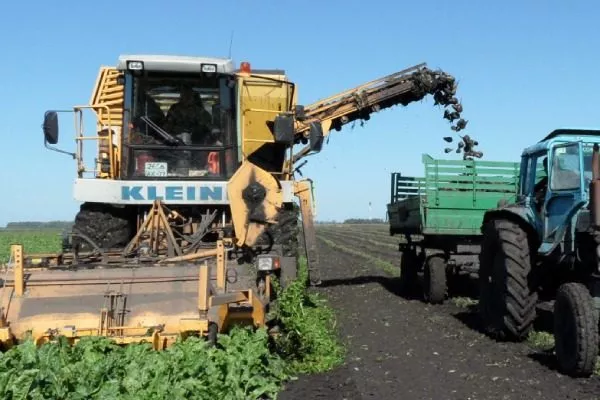
Kreolka is a mid-season variety, with 90-110 days from germination to harvest. Productivity is good, with 4-6 kg of root vegetables harvested per square meter, depending on growing conditions.
Subtleties of agricultural technology
The plant prefers sunny sites with loose, fertile soil. Light loam or sandy loam soil with a neutral or slightly acidic pH is best. Before planting in the fall, add organic fertilizer (humus or compost) and till the area.
- ✓ The soil pH level should be strictly within 6.0-7.0 for optimal nutrient absorption.
- ✓ The organic matter content in the soil should be at least 3% to ensure sufficient nutrition of root crops.
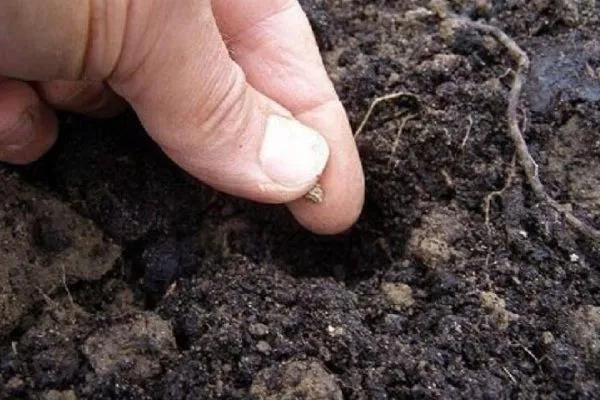
Timing varies by region. Plant seeds outdoors when the soil warms to 10°C (50°F), in April or May. Sow them 2-3 cm deep, spacing rows 25-30 cm apart and plants 8-10 cm apart.
With proper care, you can achieve maximum yield. Follow these simple agricultural practices:
- ThinningWhen the seedlings have 2-3 true leaves, carry out the first treatment, leaving 4-5 cm between plants. Delay the second treatment until the roots reach 3-4 cm in diameter. Leave 8-10 cm between plants.
- WateringBeets prefer moderately moist soil, so watering should be regular, especially during the formation period. Water once a week, increasing the frequency during dry periods. Avoid overwatering to prevent rot.
- Top dressingTwo to three weeks after germination, apply complex mineral fertilizers, such as superphosphate and potassium supplements. During the mid-season, add ash or potassium-phosphorus compounds. Beets especially need boron and manganese—apply them as foliar fertilizer.
- Loosening and weedingAfter each watering or rain, gently loosen the soil to improve aeration and prevent surface crusting. Regularly remove weeds, which can inhibit vegetable growth.
| Fertilizer type | Impact on growth | Recommended application frequency |
|---|---|---|
| Organic (humus, compost) | Improves soil structure and provides slow release of nutrients | Once every 2 years in autumn |
| Mineral (superphosphate, potassium supplements) | Ensures rapid absorption of nutrients, stimulates the growth of root crops | 2-3 times per season |
| Foliar (boron, manganese) | Improves the quality and taste of root vegetables and prevents micronutrient deficiencies | 1 time in the middle of the growing season |
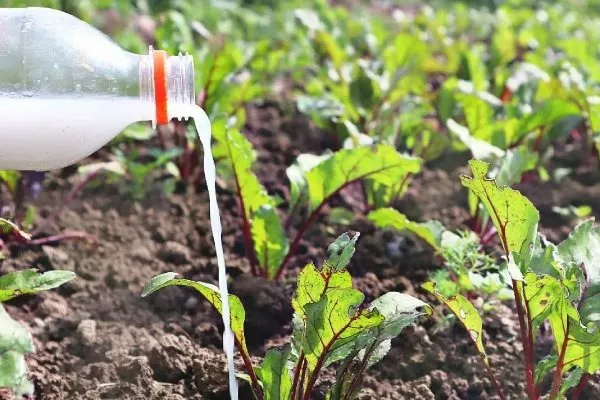
This variety has a strong immune system, but if not properly cared for, it can be susceptible to various problems. It's important to begin treatment promptly:
| Disease/Pest | Causes/Signs | Methods of control |
| Fusarium | Leaves turn yellow and become wilted, roots become soft and rotten. | Treatment with fungicides (for example, Topsin, Previkur), crop rotation. |
| Powdery mildew | White coating on the tops, wilting, decreased yield. | Removing infected parts, spraying with sulfur-containing products or fungicides. |
| Cercospora leaf spot | Grayish-brown spots on leaves, causing them to fall off. | Collection and destruction of infected areas, application of systemic fungicides, prevention through seed treatment. |
| Aphid | The leaves curl and small insects appear on the tops of the plants. | Use of insecticides Actellik or Fitoverm. |
| Root rot | The appearance of brown spots on root crops, decomposition of roots. | Prevent soil over-watering, treat roots with fungicides, use healthy seeds. |
| Cabbage fly | Leaves turn yellow, plants weaken, roots become damaged. | Mulching, installing nets, disinfecting the soil with insecticides before planting. |
| owl | They eat the tops and holes appear. | Hand collection, installation of trapping belts. Insecticides are effective. |
Reviews
The Creole beet has gained popularity thanks to its excellent taste and nutritional value. In a changing climate and increasingly demanding environment, this variety performs exceptionally well both in open fields and greenhouses. It's important to learn about the crop's characteristics, benefits, and planting and care recommendations.