
The Konkurs beetroot is a hybrid variety recognized for its high productivity and excellent taste. It has become popular among farmers and gardeners. Its disease resistance, high sugar content, and low maintenance make it a popular choice for gardening. With proper care, yields can be increased.
History of variety selection
Approved for use since 2016. It was developed by three breeders: Yuri Fedorovich Kravtsov, Valentina Dmitrievna Dobrosotskaya, and Natalia Vladimirovna Kulikova.
Introduction to the variety
Konkurs is a single-seeded (single-stemmed) variety with an average yield of approximately 621 centners per hectare, classified as a mid-season variety. It is suitable for both culinary use, including adding to salads and frying, and for industrial sugar production.
- ✓ Resistance to cercospora leaf spot is above average compared to other beet varieties.
- ✓ Root crops retain their marketable appearance and taste when stored for up to 8 months.
Beets are not only a tasty but also an extremely healthy vegetable, rich in numerous nutrients. They contain vitamins, minerals, and organic compounds that have a beneficial effect on the body.
Compound:
- Vitamins: C, groups B (B1, B2, B3, B6, B9), K, A.
- Minerals: potassium, magnesium, iron, iodine, calcium, sodium, phosphorus, zinc.
- Antioxidants: betalains (pigments that give a rich red color), flavonoids.
- Fiber.
- Organic acids: lemon, oxalic, malic.
Beneficial properties:
- High fiber content helps normalize bowel function, prevents constipation and cleanses the body of toxins.
- Potassium and magnesium help regulate blood pressure and strengthen blood vessels, which reduces the risk of heart disease.
- Iron helps improve hematopoiesis and increase hemoglobin levels, which is useful for anemia.
- Dietary fiber helps reduce levels of "bad" cholesterol, preventing the formation of plaque on the walls of blood vessels.
- Betalains help fight inflammation and protect cells from damage caused by oxidative stress.
- Organic acids and antioxidants stimulate the elimination of toxins and support liver health, preventing fatty degeneration and other diseases.
- Vitamin C strengthens the immune system and improves skin condition, accelerating wound healing and protecting against infections.
Regular consumption of beets helps improve the overall health of the body, supporting the health of the heart, blood vessels, liver, and intestines, and increases energy levels and endurance.

Description of appearance and taste
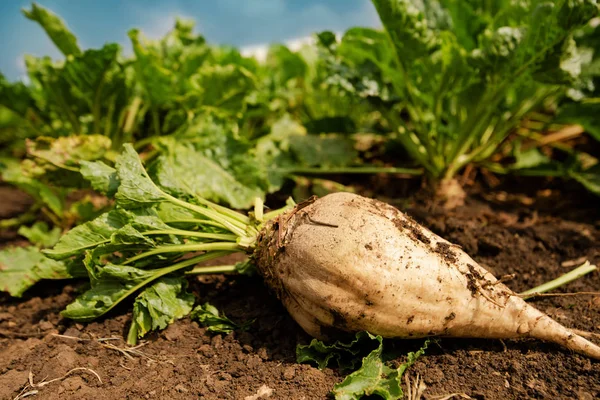
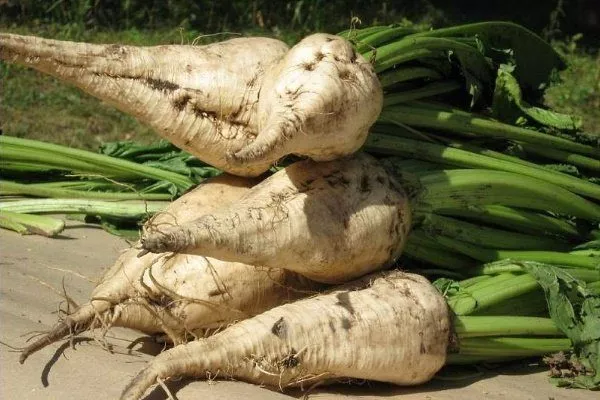
The Konkurs beetroot has a straight stem, reaching a height of up to 50 cm. Wide, green, heart-shaped leaves on long petioles. The elongated rootstock blends smoothly from the stem.
Planting and care
The crop requires a sunny, well-lit site. Partial shade can reduce yield and degrade the quality of the root vegetables.
- ✓ The site should be protected from northerly winds to minimize the risk of frost.
- ✓ Groundwater should not rise above 1.5 meters to the surface to avoid rotting of root crops.
Follow these recommendations:
- Avoid planting vegetables in the same spot for several years in a row. The best predecessors are cabbage, potatoes, legumes, cucumbers, and onions. Grow after spinach and Swiss chard.
- Choose light, fertile soil with a neutral or slightly acidic pH (6-7.5). Loamy or sandy loam soil is suitable.
- In the fall, dig the area to a depth of 25-30 cm and add organic fertilizers (rotted manure, compost) and phosphorus-potassium fertilizers. Avoid adding fresh manure, as it can cause root branching.
- In spring, loosen the soil and, if necessary, add nitrogen fertilizers and ash to improve the structure and fertility.
- Beets are cold-resistant, so sow the seedlings in open ground in late April or early May, when the soil temperature warms up to +6…+8°C.
Step-by-step sowing instructions:
- To improve germination, pre-soak the seeds for 24 hours in warm water or a growth stimulant solution. Harden them off by placing them in cold water for several hours after soaking.
- Dig the beds 25-30 cm apart. The furrows should be about 2-3 cm deep.
- Place seeds at intervals of 7-10 cm. Over-sowing may result in insufficient root development, so thinning is essential.
- Fill with loose soil and compact lightly. Then, water thoroughly with warm water.
- To speed up germination and protect from frost, cover the beds with film or agrofibre, then remove it after the first shoots appear.
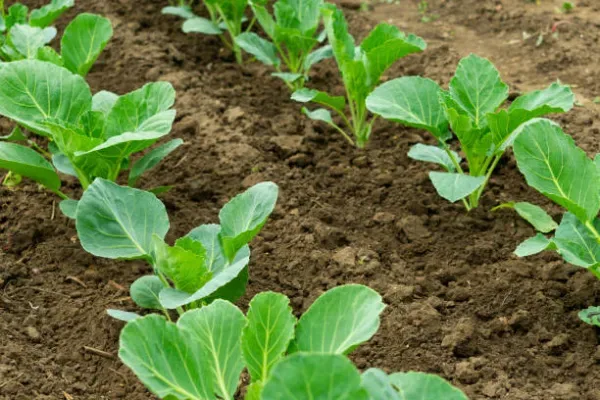
Take care of your crops. Follow standard agricultural practices:
- Provide regular watering, especially during the active growth period. Water once a week using warm, settled water. In hot weather, increase the frequency to 2-3 times a week. Apply the water at the roots to avoid contact with the leaves and stems, which can promote disease.
- When the plants have 2-3 true leaves, thin them out for the first time, leaving 3-4 cm between plants. When the tops reach 10-12 cm in height, repeat the procedure, leaving a 10-15 cm interval between seedlings to ensure proper root development.
- Loosen the soil regularly, after each watering or rain, to prevent the formation of a soil crust and improve oxygen access to the roots.
- Weed as needed to prevent beets from suffering from competition with weeds.
- Three to four weeks after germination, apply nitrogen fertilizers (such as urea or ammonium nitrate) to stimulate growth. Six to eight weeks after planting, add complex mineral fertilizers containing phosphorus and potassium to increase the sugar content of root vegetables and promote their development.
Use ash, herbal infusions or chicken manure diluted with water in a ratio of 1:10.
The Konkurs plant has a good immune system, but occasionally it can suffer from various diseases and pest attacks. It's important to begin treatment promptly:
- Cercospora leaf spot. Light spots with a brown or gray center and a reddish-brown border appear on the leaves. They gradually fade, weakening the plant. Spray with fungicides such as Skor or Topaz. Remove and destroy affected parts, and practice crop rotation.
- Fomoz. It is accompanied by the appearance of gray-brown spots on leaves and dark spots on root crops. The disease can spread to storage areas under improper conditions. Use Bordeaux mixture or copper-based products such as HOM or Ordan. Remove weeds promptly.
- Root eater (black leg). The base of the stems of seedlings and young saplings turns black, causing the plant to fall over and die. Treat the soil with Fundazol or Trichodermin before planting. Monitor the watering schedule.
- Powdery mildew. Leaves become covered with a white or gray coating, eventually drying up and dying. Effective fungicides include Topaz, Skor, or Quadris. Remove affected leaves and thin out the plants.
- Beet aphid. Small green or black insects suck out plant sap, causing leaf deformation and stunted plant growth. Insecticides such as Aktara, Fufanon, or Inta-Vir can help combat this pest.
Inspect the tops regularly to begin treatment promptly and avoid serious consequences.
Reviews
The Konkurs beetroot is a great choice for both beginners and experienced gardeners. Its high sugar content and excellent storage properties make it suitable for both home cooking and commercial production. Its disease resistance and ease of care make this variety one of the best. The key is timely and proper agricultural practices.