
Cardinal beetroot is a popular variety recognized for its high productivity and excellent taste. This hybrid is characterized by vibrant red flesh, a sweet flavor, and a rich vitamin and mineral profile, making it an ideal choice for both home consumption and commercial cultivation. Proper care is key.
Introduction to the variety
Cardinal is one of the most sought-after beet varieties on the market. Its high commercial appeal and excellent flavor make it a top choice for both large-scale agricultural producers and gardeners.
Characteristics of appearance
The plant forms a semi-erect rosette with large, broadly oval green leaves adorned with red veins. They have medium blistering and moderately wavy margins. The petioles are red on the underside.
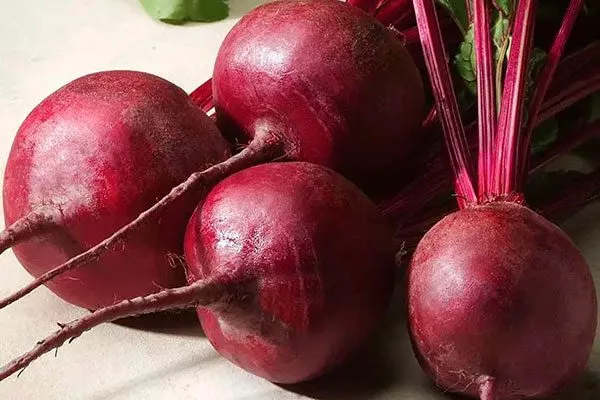
The roots are round, medium-sized, and weigh between 220 and 350 g. The surface is smooth and highly uniform.
Taste qualities
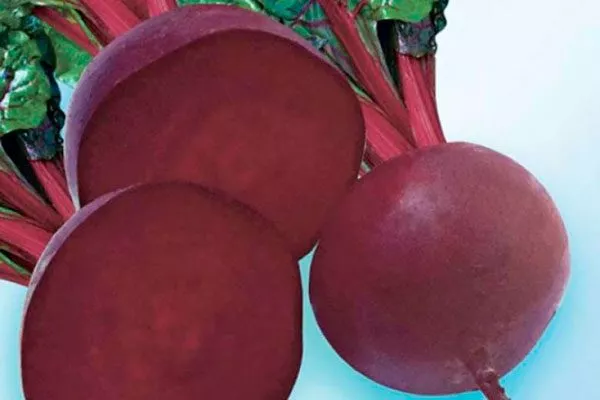
The pulp is dark red and has a delicate texture. It contains 17.1% to 19% dry matter, and sugar levels range from 10.3% to 12.6%.
Thanks to these characteristics, beets are widely used in cooking for preparing a variety of dishes.
Methods of use
Beets have many beneficial properties and are widely used in various fields:
- Cooking. This vegetable is found in salads, side dishes, soups, and appetizers. It's suitable for borscht and various vegetable dishes, as well as for baking and stewing. Thanks to its sweet taste, it's added to desserts and smoothies.
- Conservation. Root vegetables are pickled and added to winter preserves. As a snack, they pair well with other vegetables and vinegar.
- Medicine. Beets are known to support liver health, lower cholesterol, and improve circulation. They have anti-inflammatory properties and help improve skin condition.
Properties and benefits
Cardinal beets have a vibrant appearance, rich red flesh, and a particularly sweet flavor. Their rich vitamin, mineral, and antioxidant content make them an essential part of a healthy diet.
Useful properties of vegetables:
- Contains vitamins A, C, E, group B, and microelements: iron, potassium, magnesium, phosphorus and zinc.
- Strengthens the immune system, prevents anemia, improves the condition of teeth, bones, vision and skin.
- Antioxidants help keep skin young and healthy by protecting the body from free radicals and reducing the risk of cardiovascular disease and cancer.
- High fiber content helps improve digestion and normalize bowel function.
- The vegetable lowers cholesterol levels and supports metabolic processes.
Productivity and ripening time
The period from germination to harvest is approximately 110 days. The average yield of this variety reaches up to 4 kg per square meter.

Growing Cardinal Beets
It is one of the most unpretentious crops, ideal for cultivation both in gardens and on an industrial scale.
It tolerates a variety of climates well and requires little care. Simple agricultural practices are sufficient for successful growth.
Choosing a location for planting Cardinal beets
Choose a well-lit location, as the plant thrives in full sun and requires sufficient light for vigorous growth. The soil should be loose and fertile, with a neutral or slightly acidic pH.
- ✓ The optimal soil pH level should be within 6.0-7.0 to prevent root crop diseases.
- ✓ The depth of the fertile layer is at least 30 cm to provide sufficient space for root crops to grow.
Plants don't tolerate stagnant water, so avoid low-lying areas and areas with close groundwater tables. Areas previously used for growing legumes, potatoes, or tomatoes are ideal.
Soil preparation and fertilizing for Cardinal beets
Before sowing, thoroughly dig over the area and improve it. Follow these recommendations:
- Clear the soil of weeds and plant debris.
- Loosen the soil, remove large clods and add special fertilizers.
- To increase fertility and promote vigorous growth, use organic fertilizers such as compost or humus. They enrich the soil with nutrients and improve its structure.
- Mineral fertilizers are very useful for feeding. Choose complexes containing nitrogen, phosphorus, and potassium, which are essential for vegetable growth. Follow the manufacturer's instructions for dosage.
Features of plant care
Caring for your crop involves several important steps. Follow these simple farming guidelines to ensure abundant harvests:
- Keep the soil moist by watering the plants regularly, especially during dry periods. Avoid standing water, as this can lead to root rot.
- Regular loosening of the soil helps improve air access to the roots and prevent the formation of a dense crust on the surface.
- Remove weeds promptly, as they may compete with beets for nutrients and moisture.
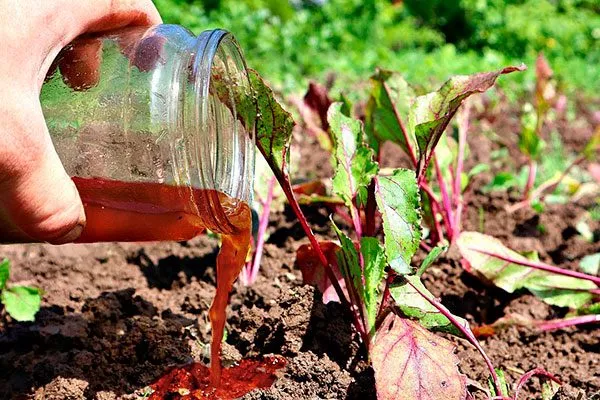
- Fertilizing plays a key role in care. Three to four weeks after germination, apply complex mineral or organic fertilizers.

To ensure uniform root formation, thin the plants. This will allow them to develop freely without being strained for space or nutrients.
Resistance to diseases and pests
The plant is characterized by strong immunity, but if improperly cared for, it can be susceptible to various diseases. It is important to begin treatment promptly:
| Disease/Pest | Description | Methods of control |
| Fusarium wilt | Wilting and yellowing of leaves. | Treat with Previkur and Topsin fungicides. Practice crop rotation and avoid overcrowding. |
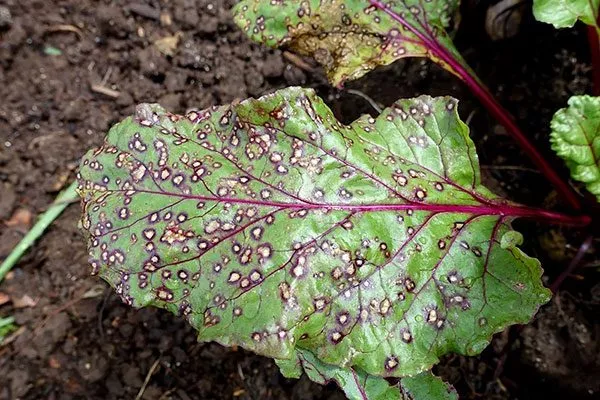
| Ascochytosis | The appearance of grey-brown spots on the tops, which can lead to bitterness of the fruit. | Apply Bordeaux mixture or copper sulfate. Remove affected areas. |
| White rot | Wet spots at the base of the stem, resembling a spider web. | Spray with fungicides such as Hom or Topaz. Maintain proper watering and ventilation. |
| Mosaic virus | The leaves become mosaic and lose turgor. | Destroy affected plants. |
| Leaf aphid | Affects young tops, causing curling and yellowing. | Use insecticides such as Aktara or Inta-Vir. Folk remedies, such as a soap solution, are also effective. |
| owl | Caterpillars damage leaves and roots. | Treat with the biological drug Bitoxibacillin or chemical agents, for example, Decis. |
Positive and negative qualities
Before growing a crop in your garden, carefully review its advantages and disadvantages to avoid any potential problems. This variety has many advantages:
These aspects will help in making a decision about cultivating the crop, taking into account both its advantages and disadvantages.
Reviews
The Cardinal beet has attracted the attention of Russian gardeners for many years. With its high productivity potential, disease resistance, and culinary versatility, it is suitable for both experienced and novice gardeners. With proper care and adherence to agronomic recommendations, it will yield generous, high-quality harvests.