
Eagle beets have gained popularity among gardeners thanks to their unique properties and excellent flavor. This crop boasts an appealing appearance and high nutrient content, making it a healthy addition to the diet. It's important to carefully study the specifics of growing, caring for, and using this vegetable to ensure bountiful harvests.
Introduction to the variety
It was developed in Russia in the late 20th century through extensive breeding. The goal was to produce a root vegetable rich in nutrients and minerals that promote health. The name refers to its unusual, needle-like shape, a distinctive feature of the species.
The ripening period from germination to harvest is 45-50 days for early varieties and 95-100 days for standard root crops. This variety has intermediate resistance to cercospora leaf spot, which, with proper care, allows for a good harvest without significant losses.
Description of appearance and taste
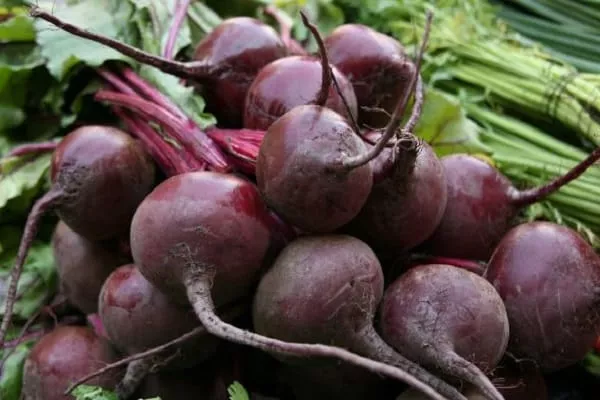
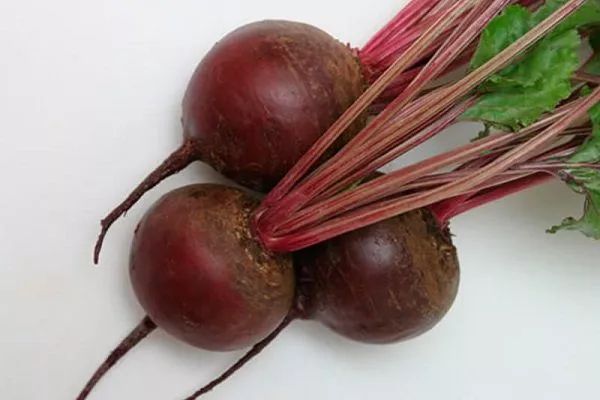
The plant has an elegant rosette of upright, slightly bubbly leaves with moderately wavy edges. The roots are small, weighing 200-350 g, rounded, with a smooth surface and bright red skin.
- ✓ The roots have bright red skin without rings, which is a distinctive feature of the variety.
- ✓ The leaves of the Eagle beet have a slightly bubbly texture and moderate waviness along the edges, which helps in identifying the variety.
This versatile variety is used in cooking, canning, or fresh. Thanks to its high sugar content (10.4-15%), beets have an excellent flavor and are even suitable for desserts or adding a sweet touch to dishes.
The beneficial properties of Eagle beetroot
It's a true source of nutrients that can have a beneficial effect on the body. Here are some key benefits of this crop:
- Vitamin C has a positive effect on the immune system, keeping it in good condition.
- Iron helps increase hemoglobin levels, which is especially beneficial for people with anemia and pregnant women.
- Fiber improves bowel function and prevents constipation.
- Betaine helps cleanse the liver and normalize its function.
Regular consumption lowers "bad" cholesterol and supports cardiovascular health. It's a low-calorie vegetable, making it ideal for those watching their weight. It doesn't add color or flavor to dishes, making it an ideal accompaniment to other foods.
Tips for storage and selection
Pay attention to the appearance: the roots should be firm, without damage or blemishes. Shelf life is important – Eagle beets can be stored for up to 6 months at temperatures around 0°C.
Agrotechnical subtleties
Planting beets is an important step that affects the future harvest. Basic recommendations for growing the crop:
- The plant prefers light, well-drained soil with a neutral pH. Pre-dig the soil and add compost or humus to improve its structure and nutritional properties.
- Sow seeds in spring and summer. Spring planting occurs when the soil warms to 8-10°C, and summer planting occurs in June.
- Place the seeds in furrows 2-3 cm deep, with a distance of about 30 cm between rows.
- ✓ Check the soil pH level, which is optimal for Eagle beets – 6.0-7.0, using a pH meter or litmus paper.
- ✓ 2 weeks before planting, add wood ash (200 g/m²) to the soil to reduce acidity and enrich it with potassium.
Caring for the crop includes several key aspects that will help ensure a good harvest:
- Watering. Beets require regular watering, especially in dry weather. It's important to keep the soil moderately moist but not waterlogged. Pour water at the roots to prevent rot.
- Thinning. Once the seedlings emerge, thin the plants to 10-15 cm apart. This will provide sufficient space for root development and reduce competition for nutrients.
- Fertilizers. Apply the first fertilizer 2-3 weeks after germination using a complex mineral fertilizer. After a month, apply organic fertilizers such as mullein or chicken manure infusion.
- Mulching. Helps retain moisture and prevent weed growth. Use organic mulch, such as hay or straw.
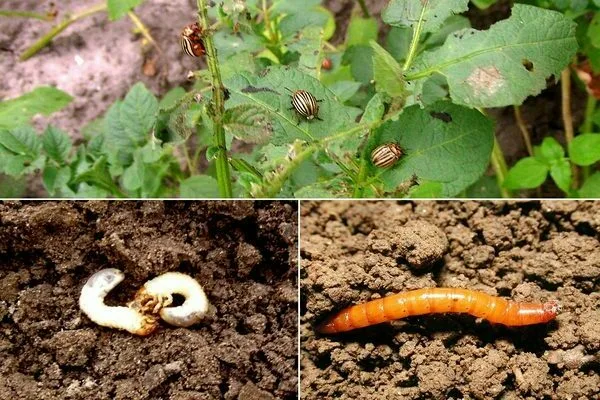
- Prevention of diseases and pests. Inspect the tops weekly for pests such as beet weevils and aphids. Treat with insecticides and fungicides if necessary.
Regularly remove weeds that can steal nutrients and moisture.
Reviews
Eagle beetroot is a versatile and healthy vegetable that will delight you with both its flavor and ease of care. This variety is ideal for a variety of culinary dishes, and its nutritional properties promote good health. With proper care, you can reap bountiful harvests of high-quality vegetables.