
Generalskaya beetroot is one of the most sought-after varieties, gaining popularity due to its excellent productivity, superb taste, and good shelf life. This crop tolerates temperature fluctuations and thrives anywhere in Russia. Proper and timely care is essential.
Introduction to the variety
This variety is prized for its unique properties and is used in both cooking and medicine. Cultivated using modern breeding methods, it has high agricultural potential.

Its main benefits stem from its rich content of vitamins, minerals, and antioxidants. The vegetable contains B vitamins, vitamin C, potassium, iron, and magnesium, which not only support the immune system but also improve cardiovascular function and metabolism.
Beetroot is renowned for its ability to improve digestion and stimulate blood formation. It has diuretic and anti-inflammatory properties and helps combat stress and depression.
Features of selection
The development was carried out by Heterosis Selection LLC. The project was led by breeders T. V. Steinert, A. V. Aliluyev, T. G. Levtsova, and V. P. Fedyakov. Their work resulted in a new variety, which was added to the All-Russian Agrarian Register in 2022, although variety testing was completed in 2019.
Description of appearance
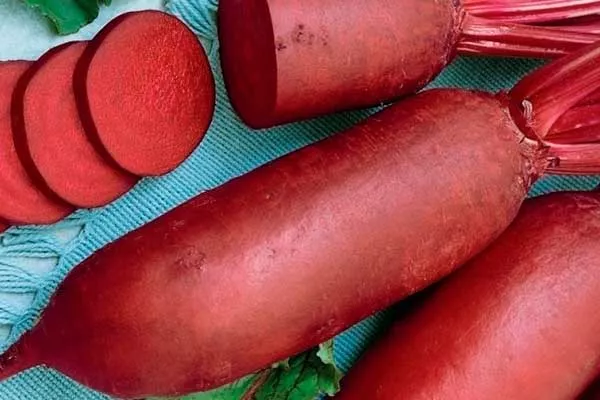
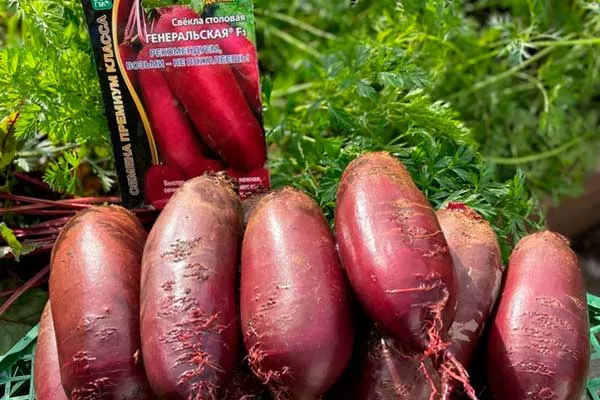
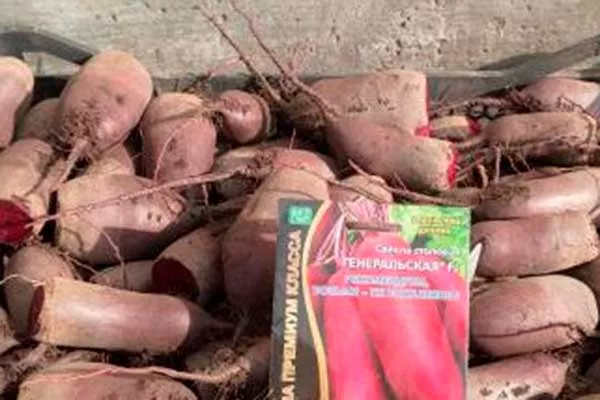
Beets have relatively few leaves, and the rosette is semi-erect. The roots are large, cylindrical, and have a smooth, dark red surface. They weigh between 240 and 350 g.
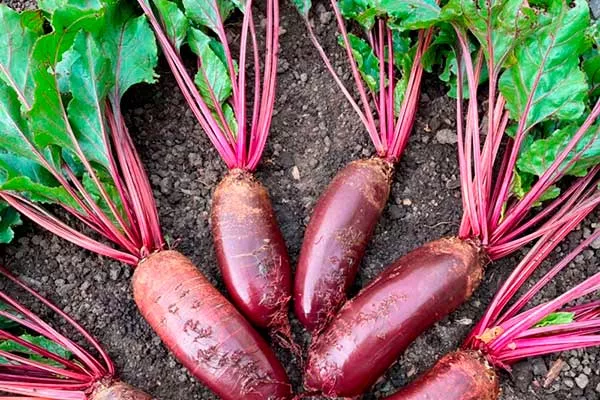
The leaf blades are medium-sized, wide, and oval. They are green with reddish veins. The perimeter is slightly bubbly and wavy, and the rings are relatively weak.
Taste and purpose
Beneath the smooth skin lies dense, fiber-free flesh, juicy and sweet. The dry matter content is up to 11.5%, and the sugar concentration reaches 9.8%.
It's widely used in the food industry, where it's used to make juices, salads, marinades, sauces, and ketchups. Its vibrant, rich color makes dishes more appealing.
The beneficial properties and nutritional value of General's beetroot
It is a valuable source of dietary fiber, which helps normalize digestion and improve bowel function. It contains betaine, which helps strengthen the immune system and improve metabolism.
Benefits of vegetables:
- The red color is due to anthocyanins, powerful antioxidants that protect cells from free radicals and reduce the risk of cancer.
- It has a diuretic and choleretic effect, which helps cleanse the body of toxins and waste.
- Helps maintain normal blood pressure and prevents atherosclerosis.
- Improves blood circulation and tissue oxygenation.
General's milk helps improve concentration and memory and reduces the level of "bad" cholesterol in the blood.
When does it ripen?
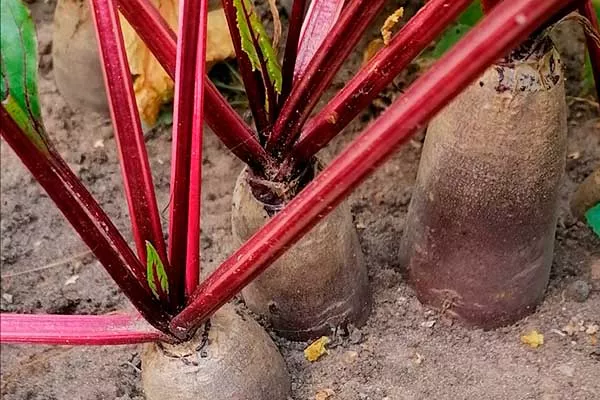
This is a mid-season variety. Roots are harvested en masse after 110-120 days. Individual specimens are dug up for edible use after 95 days.
Productivity
The General'skaya beetroot yield is high and amounts to 8 kg per 1 sq. m.
- ✓ The soil pH level should be strictly within 6.0-7.0 for optimal nutrient absorption.
- ✓ The soil should have high water holding capacity, but at the same time provide good drainage to prevent root rot.
Soil requirements
The plant prefers neutral soils that are cultivated, well-fertilized, and loose. Lime or add chalk, dolomite flour, or wood ash to acidic areas.
To improve the structure, dig up the soil and add well-rotted manure, compost or humus in an amount of up to 10 kg per 1 sq. m.
Landing
In spring, sow outdoors when the soil warms to 8-10°C. This typically occurs in April-May, depending on the region. It is also possible to sow in the fall—in late September or early October—to allow the seedlings to stratify and germinate in the spring.
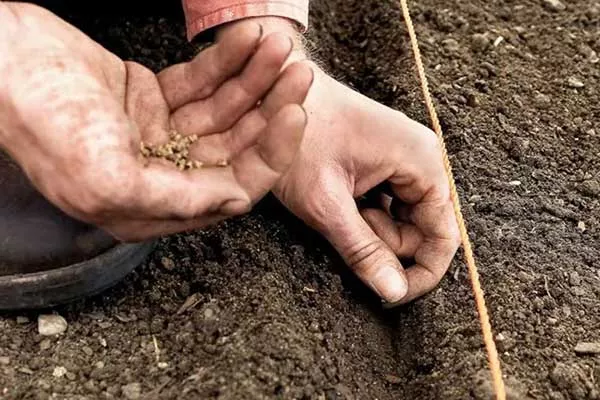
Step-by-step algorithm:
- Plant the seeds 1-2 cm deep, leaving 5-10 cm between them. The distance between rows should be about 30 cm.
- Cover with soil and compact gently.
- Water the bed with warm water.
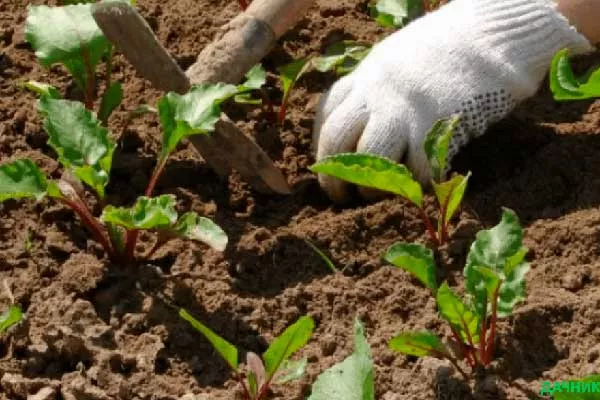
Keep the soil moderately moist until the seedlings emerge. Once they emerge, thin them out to 10-15 cm (4-6 inches) apart to ensure adequate space for root growth.
Care instructions
The plant requires regular watering, especially during active growth. Water the plants once a week, increasing the frequency during hot weather. Apply warm water to the roots, avoiding contact with the foliage to prevent disease.
- Three weeks after germination, apply a complex mineral fertilizer with a low nitrogen content (N:P:K 5:10:10).
- During the active growth phase of root crops (6-8 weeks after germination), fertilize with potassium fertilizers to improve taste.
- One month before harvesting, stop applying nitrogen fertilizers to improve shelf life.
Perform other agricultural practices:
- Weeding and loosening. Remove weeds regularly to prevent competition for nutrients and water. Till the soil between rows to improve air circulation and prevent surface crusting.
- Top dressing. If necessary, apply complex mineral fertilizers or organic compounds 3-4 weeks after germination. During the active growth phase, use agrochemicals low in nitrogen and high in potassium and phosphorus. An infusion of mullein or bird droppings is effective.
- Thinning. Once the seedlings emerge, pull out any excess plants, leaving 10-15 cm between them to provide enough space for the vegetables to form.
Use organic mulch to retain moisture and reduce weed growth.
Disease incidence, pest hazard
The culture has strong immunity. However, under improper conditions, it can be susceptible to various problems:
- Root rot. It appears as black or brown spots on root vegetables. Causes include overwatering and poor drainage. Reduce watering frequency. For prevention, use fungicides such as Fundazol or Topsin-M.
- Powdery mildew. A white powdery coating on leaves and stems causes them to wilt. Remove affected plants and ensure good ventilation between seedlings. Treat with Topaz or Skor fungicides.
- Peronosporosis. Yellow spots on leaves followed by wilting and leaf drop. Effective fungicides include Acrobat MC or Horus. For prevention, spray with Bordeaux mixture.
- Fomoz. Brown spots appear on the leaves, which can enlarge and lead to drying. Copper-based products, such as HOM, can help combat this.
- Aphid. These are small insects that suck sap from leaves, causing them to deform and weaken plants. Actellic or Fufanon are the best insecticides for treatment. Biological products such as Aktara or Confidor can also be helpful.
- Weevil. A beetle that damages roots and leaves, leaving characteristic holes. Treat with Mospilan or Karate.
- Beet fly. Larvae that feed on vegetable tissue, causing it to rot. Use insecticides such as Protect or Decis.
- Wireworm. They attack root crops, leaving black holes and channels. Use insecticides such as Grom or Pyramidon. Loosen the soil deeply and monitor its condition.
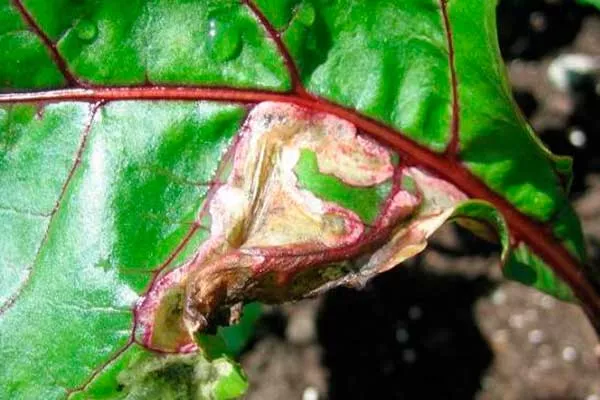
To effectively combat diseases and pests, follow the recommendations for using preparations and carry out preventive measures in a timely manner.
Collection and storage
Remove the beets carefully to avoid damaging them. Remove excess soil without tearing off the roots. Store the beets in a cool, dry, and dark place at 0-2°C and 85-90% humidity. Ideally, place them in sand-filled boxes or ventilated containers.
Positive and negative qualities
Carefully consider the advantages and disadvantages of a variety before growing it in your garden. The Generalskaya variety has many advantages:
Among the negative qualities, some vegetable growers note possible difficulties with over-watering, an average ripening period, and the importance of protection from insects.
Reviews
Generalskaya beetroot deservedly holds its place among the best varieties for growing in home gardens and commercially. Its low maintenance, excellent flavor, and excellent productivity make it the best choice for both novice and experienced vegetable growers. If proper cultivation practices are followed, no difficulties will arise.