
The Fekla beetroot is a popular table variety that has earned recognition for its high productivity and excellent taste. It adapts to a variety of climates and requires little skill. This variety is prized for its culinary versatility and long-lasting shelf life. Proper and timely care is key.
History of variety selection
Created by a group of authors: S. F. Gavrish, V. V. Morev, E. V. Amcheslavskaya, and O. A. Volok. It was approved for use in 2013.
Introduction to the variety
The plant has a semi-erect rosette. The leaves are oval, dark green with red veins, slightly blistered, and have moderately wavy margins. The petiole, located on the underside of the leaf, is colored red.
It is characterized by high productivity, reaching 368 to 530 centners per hectare. Marketability ranges from 77% to 93%. Beets ripen in July and August, and the period from germination to harvest ranges from 62 to 116 days.
This vegetable is valued not only for its taste but also for its rich nutritional content. It contains B vitamins (B1, B2, B6), vitamin C, vitamin PP (niacin), and minerals such as magnesium, potassium, iron, iodine, and phosphorus. Beets also contain antioxidants, flavonoids, and fiber.
Beneficial properties:
- Thanks to its high content of vitamins and antioxidants, it helps support the immune system, protecting the body from infections and inflammation.
- Potassium, magnesium and other trace elements help normalize blood pressure and strengthen the cardiovascular system, reducing the risk of hypertension and atherosclerosis.
- Fiber improves intestinal peristalsis, helping to normalize digestion and prevent constipation.

Beets are known for their detoxifying properties – they remove toxins and waste, helping cleanse the liver. Sugars are digested slowly, helping maintain normal blood glucose levels and help regulate metabolism.
Description of appearance and taste
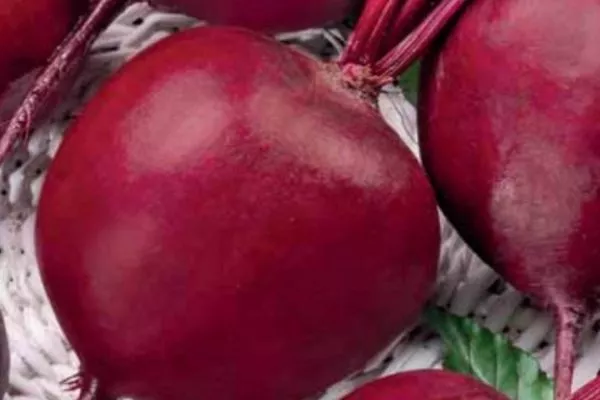
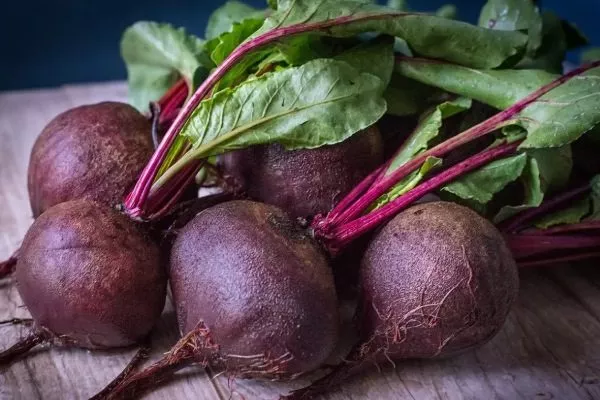
The root vegetable is round and small, weighing between 185 and 260 g. The surface is slightly rough, with moderate corking of the head. The flesh is red, with slight ringing. The taste is rated as good.
Planting and care
The plant prefers loose, fertile soil with a neutral pH. In the fall, dig the soil and add organic fertilizer (humus or compost). In the spring, loosen the soil again and add mineral fertilizers (superphosphate and potassium salts).
- ✓ The soil pH level should be strictly within 6.0-7.0 for optimal nutrient absorption.
- ✓ The soil must have a high water-holding capacity, but without the risk of water stagnation.
Step-by-step algorithm:
- Sow seeds in open ground when the soil temperature warms up to +8…+10°C, usually at the end of April or the beginning of May.
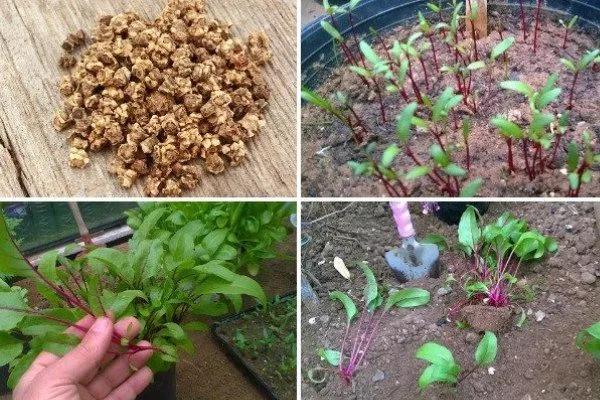
- Pre-soak the planting material for 24 hours in water or growth stimulants. Plant at a depth of 2-3 cm, space the rows 25-30 cm apart, and space the plants 8-10 cm apart.
- To ensure uniform growth of seedlings, compact the soil slightly and water it after sowing.
Provide your plants with proper care. Follow these recommendations:
- After the first shoots appear (after 7-10 days), thin the seedlings. Leave the stronger ones 10-12 cm apart.
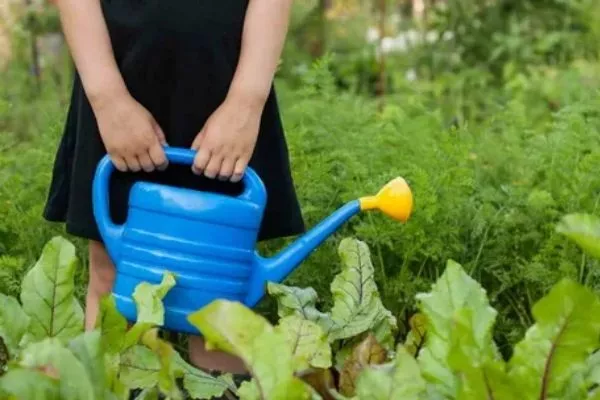
- Beets thrive on moisture, so water regularly, especially during the period of active root growth. The soil should be moist, but not waterlogged. Water once a week using warm, settled water.
- Apply the first fertilizer 2-3 weeks after germination, using nitrogen fertilizers (such as ammonium nitrate) to stimulate leaf growth. In midsummer, apply potassium and phosphorus fertilizers to promote the development of vegetables. Organic fertilizers such as ash or herbal infusions are also beneficial.
- After each watering or rain, loosen the soil to prevent crusting and improve oxygen access to the roots. Regular weeding will rid the plants of weeds that can interfere with fruit growth.
- To prevent diseases (for example, powdery mildew or root rot) and pest attacks (aphids, beet weevils), treat with biological preparations or folk remedies (infusion of garlic or onion peels).
Reviews
The Fekla beetroot is a good choice for those looking for a variety with high productivity, excellent flavor, and minimal maintenance requirements. It's ideal for both home and commercial growing. With proper cultivation practices, you'll achieve abundant harvests.