
In Siberia's harsh climate, you can get a good beet harvest, but to achieve this, you need to choose the right variety, bred specifically for cultivation in adverse weather conditions. Read on to find out which beet varieties are adapted to the Siberian climate and demonstrate excellent survival.
| Name | Ripening period | Disease resistance | Root shape |
|---|---|---|---|
| Siberian Flat 167/367 | 62-90 days | Cercospora leaf spot, flowering | Flat |
| Bordeaux 237 | 95-110 days | Downy mildew, cercospora | Round or round-flat |
| Incomparable A-463 | 70-100 days | Cercospora leaf spot, flowering | Flat or round-flat |
| Furor | 70-90 days | Cercospora leaf spot | Rounded |
| Single-sprout | 72-81 days | Cercospora leaf spot, phomosis, flowering | Spherical, round or round-flat |
| Egyptian flat | 94-120 days | Floweriness | Rounded-flat |
| Mulatto | 125 days | Temperature changes | Rounded |
| Podzimnyaya A-474 | 55-101 days | Cercospora leaf spot, flowering | Round or semicircular |
| Cold-resistant-19 | 60-75 days | Lower temperatures | Rounded-flat |
| Pablo F1 | 108-115 days | Bolting, cercospora | Rounded |
Siberian Flat 167/367
Table beet was bred at the West Siberian Vegetable Station and has been recommended for cultivation in the West and East Siberian regions since 1952. It is an early-ripening variety – within 62-90 days of germination, it will yield a harvest of delicious root vegetables with the following characteristics:
- weight – on average 190-350 g, but there are heads weighing 400 g;
- height – 5-8 cm;
- diameter – 7.5-12.5 cm;
- skin color - dark red;
- pulp – tender and juicy, pinkish-red hue with a purple tint.
- ✓ Resistance to sudden temperature changes.
- ✓ Ability to ripen quickly in short summer conditions.
- ✓ Resistance to diseases common in the region, such as cercospora and phomosis.
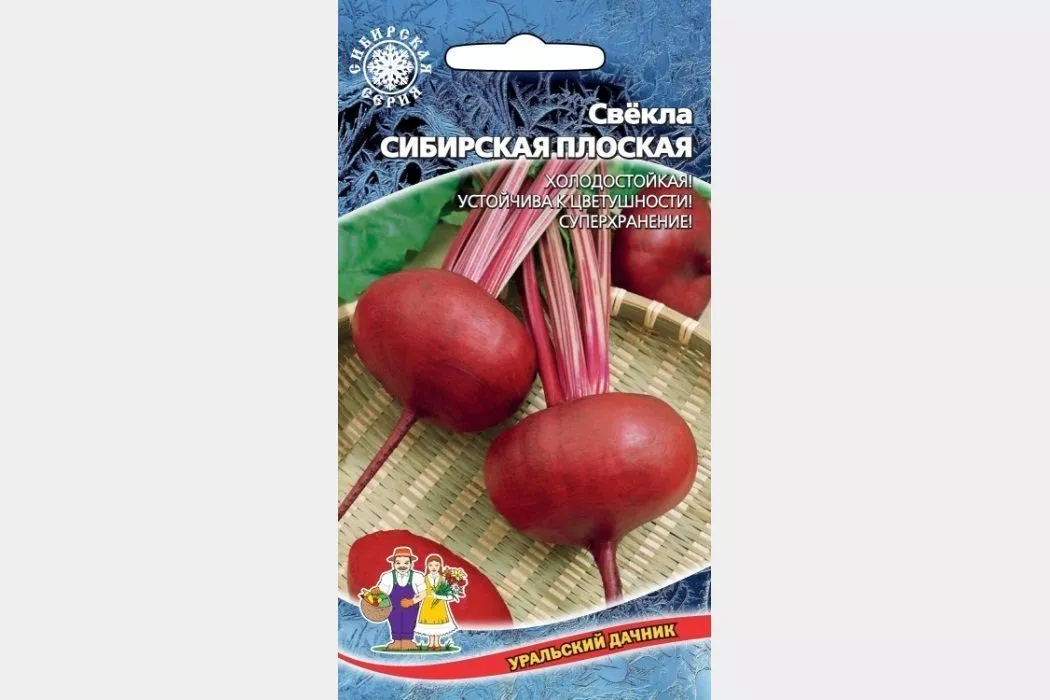
With proper care, you can harvest 2.8-6.8 kg of fruit per square meter of garden bed. This variety is also valued for its resistance to cercospora leaf spot and cercospora leaf spot.
Bordeaux 237
Another domestically bred variety, grown in Siberia since the last century, this mid-early beet takes approximately 95-110 days from germination to technical maturity.
- ✓ The optimal soil pH for beets is 6.0-7.0.
- ✓ The need for regular watering, especially during the period of root formation.
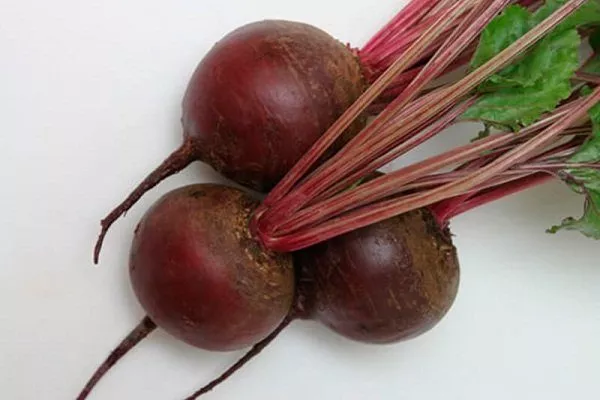
The plant produces round or round-flat heads weighing 250-500 g and 12-15 cm in diameter. The flesh is very tender and juicy, turning an intense dark red and possessing a high sugar content. When cut, the fruit is uniform with barely noticeable rings.
The dark red skin of the fruit is elastic and dense, due to which the ripe vegetable does not crack and can be stored for a long time.
One square meter of plot can yield 4-8 kg of these fruits. Poor weather conditions won't affect the variety's yield, but they can be affected by downy mildew or cercospora leaf spot.
Incomparable A-463
This mid-early variety was developed by the All-Russian Research Institute of Vegetable Crops Breeding and Seed Production. It has been grown in the Central and Ural regions since 1943. It tolerates cold well and produces roots with the following characteristics 70-100 days after germination:
- weigh on average from 150 to 400 g;
- have a flat or round-flat shape with a thickened axial petiole;
- have a dense skin that is dark red in color, but grayish at the base;
- It is distinguished by its burgundy flesh with blackish rings.
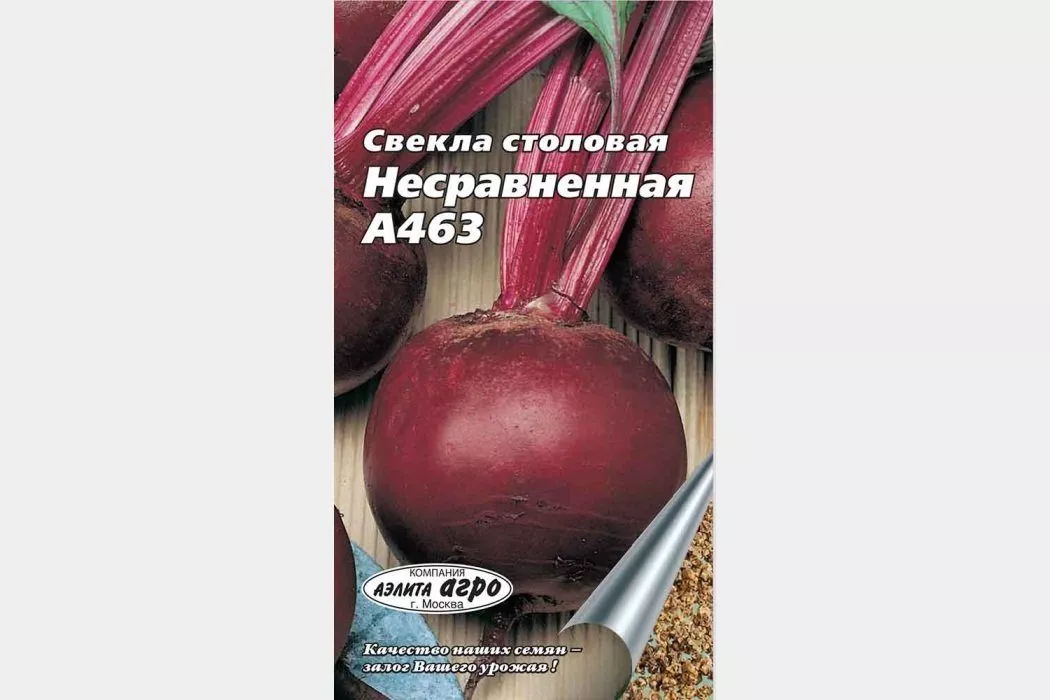
The Nesravnennaya beet is a high-yielding variety – up to 7 kg of fruit can be obtained from a single square meter of garden bed. This high yield is achieved thanks to the plant's high immunity, resistance to low temperatures, cercospora leaf spot, and flowering.
The root vegetables store well, so gardeners often use this variety in the autumn and winter.
Furor
Gardeners in the Siberian region often prefer to grow early-ripening beet varieties to maximize the yield while minimizing time and effort. For this reason, they often choose the single-seeded Furor variety—one of the earliest beet varieties, with a growing season of 70-90 days. It was bred at the West Siberian Vegetable Experimental Station.
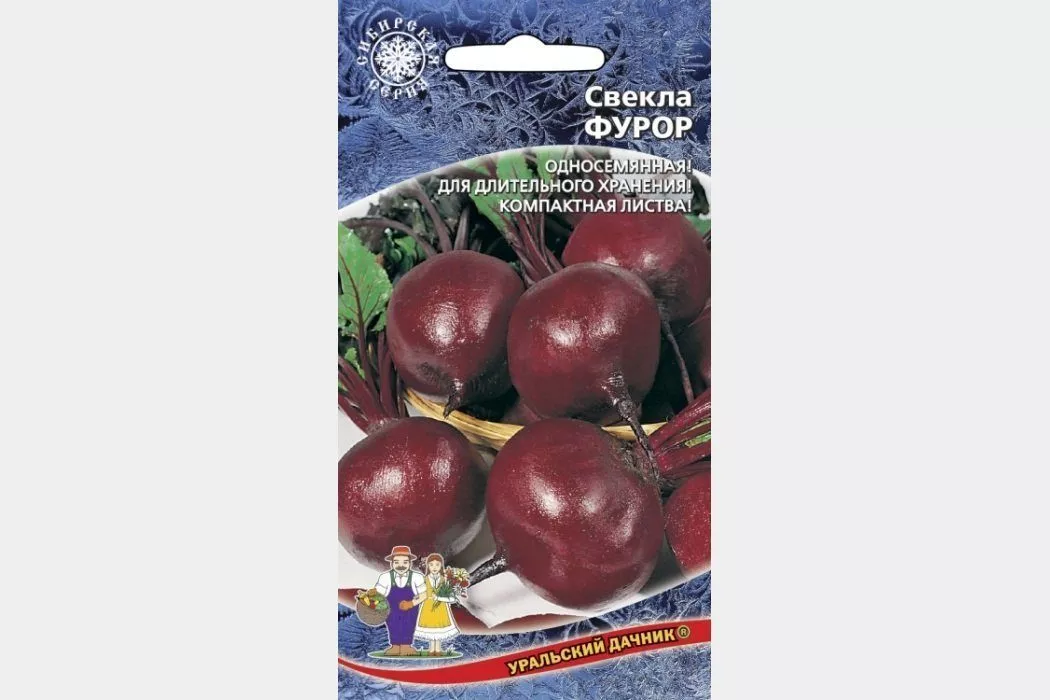
The plant produces round, dark-red roots weighing 150-300 grams, which do not outgrow and retain their marketable size. They have excellent flavor and remain fresh even after storage for 7-8 months.
Furore is a single-sprout variety and does not require thinning, and its seeding rate is 30% less than that of multi-sprout varieties such as Bordeaux.
From 1 square meter of garden bed, you can harvest 2-3 kg of root vegetables, but if you extend the growing season to 90-100 days, you can increase the yield to 5-6 kg.
Single-sprout
Since 1976, this variety, developed by domestic breeders at the All-Russian Research Institute of Vegetable Crops Breeding and Seed Production, has been recommended for use in northern regions. 72-81 days after emergence, it produces root crops with the following characteristics:
- weight – from 300 to 600 g;
- form - spherical, round or round-flat;
- color – dark purple or deep burgundy;
- skin - smooth, dense;
- pulp - juicy and tender, without rings.
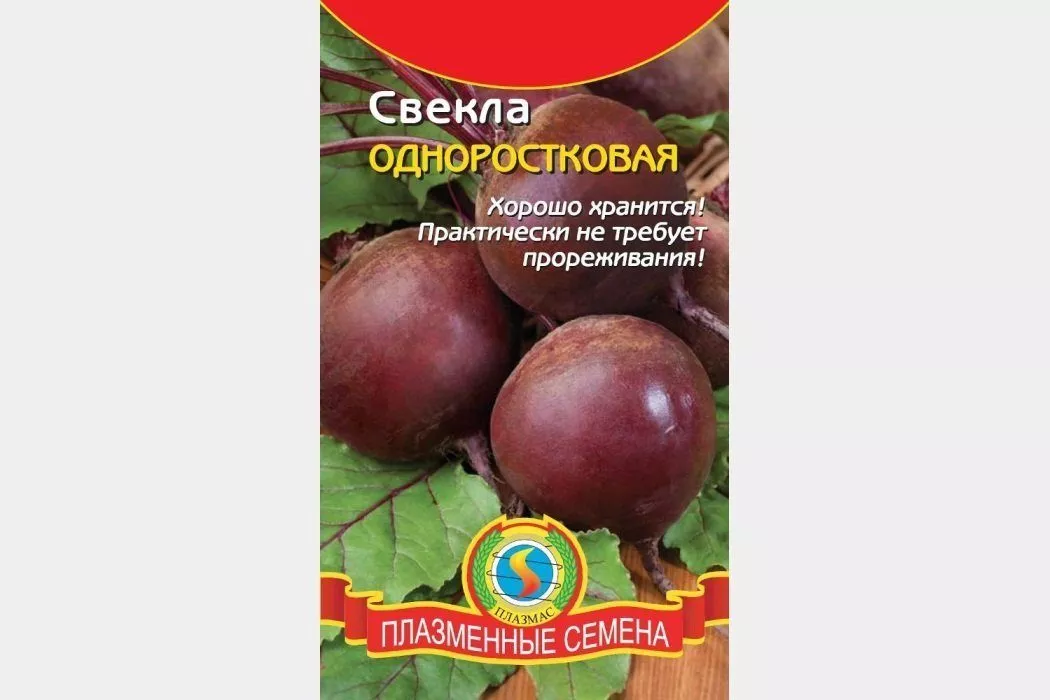
A 1 square meter bed can yield approximately 4 kg of root vegetables, which have excellent shelf life, making this variety popular in winter and fall. Thanks to its excellent flavor and beautiful color, beets can be eaten fresh or used in a variety of dishes.
The Single-Sprout beet is resistant to cercospora leaf spot, phoma leaf spot, and rhizome rot. The Virovskaya Single-Sprout beet has similar characteristics, but its growing season is 125 days.
Egyptian flat
In 1943, breeders at the V.V. Dokuchaev Research Institute of Agriculture of the Central Black Earth Region developed the Egyptian Flat beet, based on foreign varieties, which is recommended for cultivation in the East Siberian region. This mid-season variety produces ripe roots with the following characteristics approximately 94-120 days after germination:
- weight – 300-500 g, but there are heads weighing up to 600 g;
- diameter – 13 cm;
- form - round-flat, with a small head;
- color - dark red;
- pulp – deep red with a purple tint, tender, sweet and juicy.
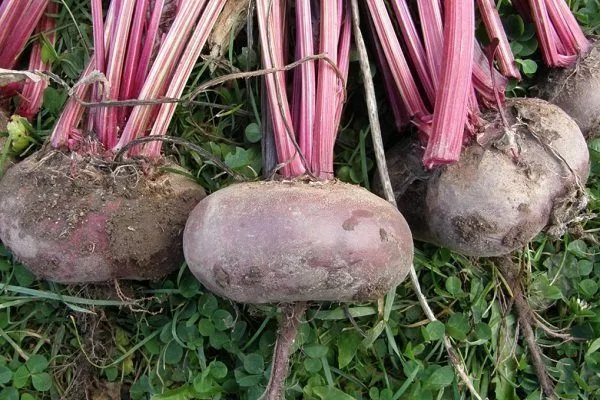
On average, 1 square meter of garden bed yields 5-7 kg of root vegetables, but in some years the yield can reach 9 kg. This variety is resistant to flowering and is recommended for use in the spring and fall.
Based on this beet, breeders at the VIR Polar Experimental Station developed the Polar Flat K-249 variety, which is also suitable for growing in Siberia, but is distinguished by its larger, more angular heads, thicker axial root, and greater penetration of the root into the soil.
Mulatto
Despite its exotic name, the Mulatka beet is a product of domestic breeding. The variety was developed in the late 1980s and has gained popularity not only in Russia but also abroad. It's a mid-early variety—the harvest can begin 125 days after the shoots emerge. The root vegetables have the following characteristics:
- weight – from 160 to 350 g;
- form - beautiful, round, smooth and even;
- color – dark burgundy inside and outside, purple in the area of the axial spine;
- pulp – tender and juicy, without cylindrical rings at the cut.
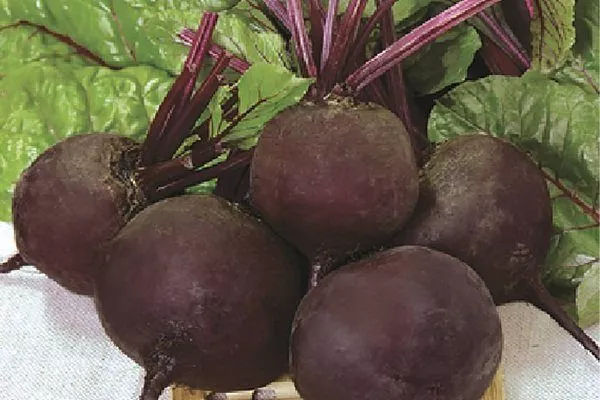
These root vegetables have excellent shelf life, making them suitable for long-term storage and winter consumption. They also withstand long-distance transportation, making them often grown by farmers on an industrial scale. Yields range from 258 to 447 centners per hectare. The crop is also valued for its tolerance to temperature fluctuations.
Chefs love the Mulatka beetroot for its juiciness and quick cooking time. It makes the perfect borscht and marinades, as it retains its original color even after prolonged cooking.
Podzimnyaya A-474
For winter sowing and early harvesting in Siberian conditions, the proven Podzimnyaya A-474 variety, developed in 1952 at the All-Russian Research Institute of Vegetable Crops Selection and Seed Production, can be grown. The period from germination to technical maturity lasts 55-101 days.
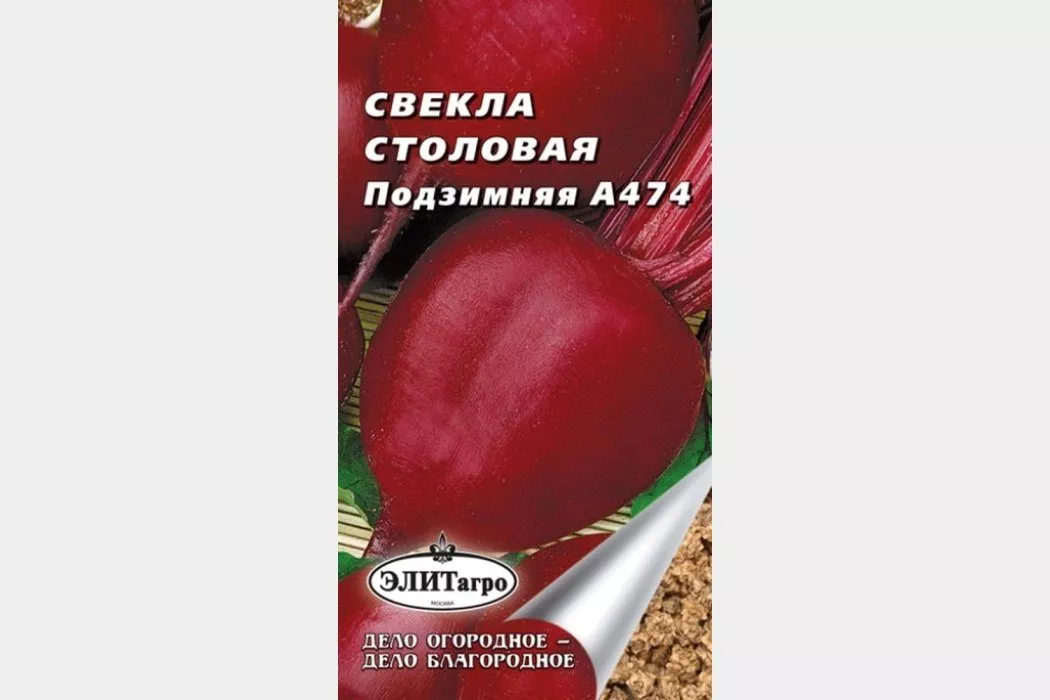
The roots are round or semi-round in shape and weigh 200-400 g. Their surface is slightly rough, and the flesh is an intense dark red, tender, and sweet. It is excellent for home cooking, canning, and processing.
One square meter of garden bed yields 3.6-6.5 kg of these fruits. Yields are not affected by temperature drops, cercospora leaf spot, or bud rot, as the variety is resistant to them.
Cold-resistant-19
A beetroot variety from the Belarusian Research Institute of Potato and Fruit and Vegetable Growing, approved for cultivation throughout almost all of Russia since 1973. Harvesting occurs 60-75 days after germination. These cold-resistant root vegetables have the following characteristics:
- weight – 145-250 g;
- diameter – 10-12 cm;
- length – 6-8 cm;
- form - rounded-flat;
- skin - smooth, dark red in color;
- pulp – burgundy, juicy and tender.
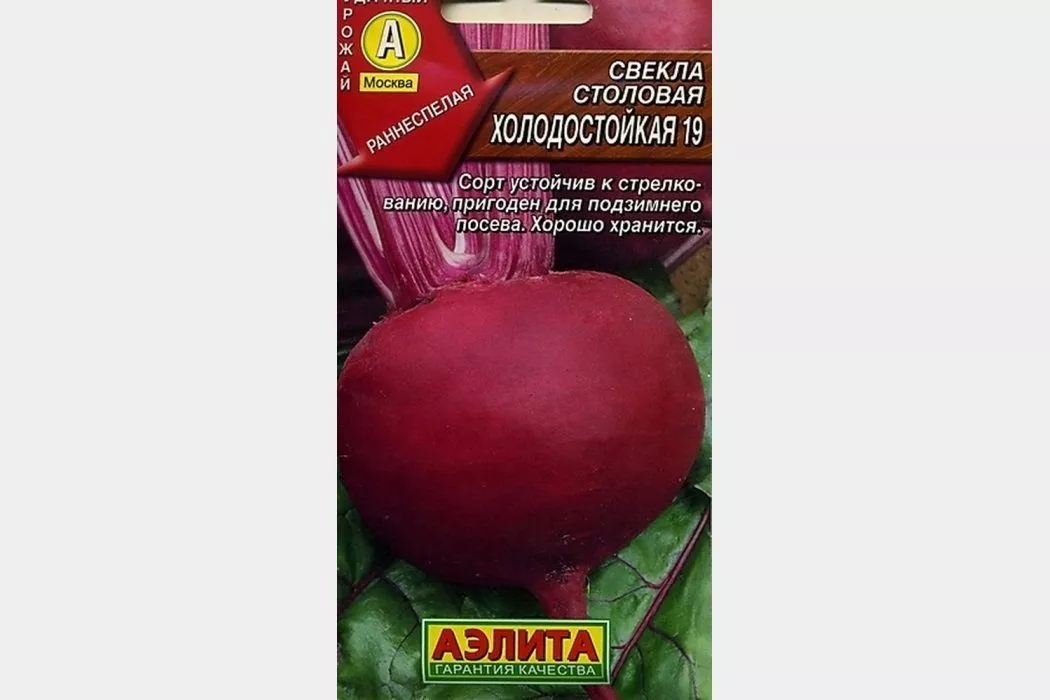
The crop yields average – from 3.3 to 4.2 kg per 1 square meter. The variety is not afraid of low temperatures and is relatively resistant to diseases.
Pablo F1
A Dutch hybrid variety with a medium ripening period – from the moment of emergence to the technical maturity of root crops, it takes approximately 108-115 days.
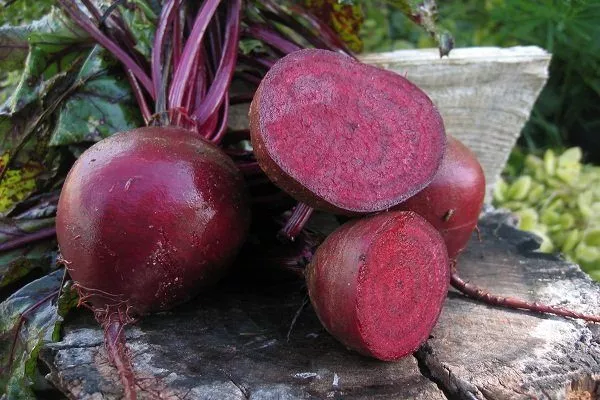
It produces not very large but uniform fruits with the following characteristics:
- weight – from 118 to 455 g;
- form - round, without irregularities, with a small tail;
- skin – smooth, thin, dark red with a purple tint;
- pulp – tender and juicy, uniform intense burgundy color, without light radial rings and veins.
From 1 square meter of garden bed you can harvest 6-7.5 kg of root crops with decent commercial and taste qualities. Hybrid Pablo It is not susceptible to bolting or cercospora, and also exhibits excellent shelf life during winter storage.
New hybrids of Dutch selection
Hybrids from Dutch breeders have proven themselves well in Siberian conditions. Popular new varieties include:
- Vodan F1An early-ripening hybrid that produces round, uniform-shaped and sized roots weighing 250-350 g within 85-90 days of emergence. The flesh is a uniform dark red without radial rings, and the skin is the same color, smooth, and dense. This hybrid is traditionally grown for early bunch production.

- Action F1A mid-season variety that produces round, dark-red roots weighing 240-350 g in 105 days, with ringless flesh. The beetroot's delicate and slightly sweet flavor makes it popular in cooking. Its upright leaves and robust root system allow it to withstand temperature fluctuations.
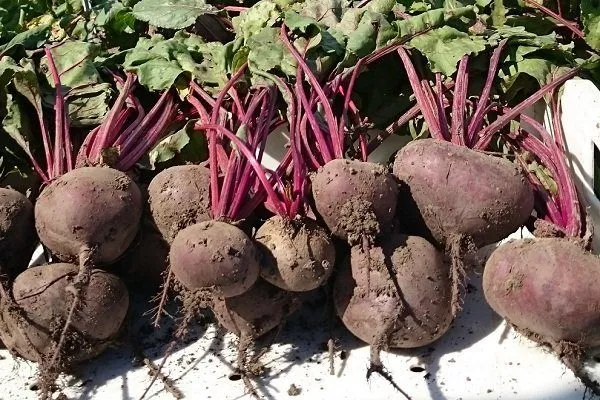
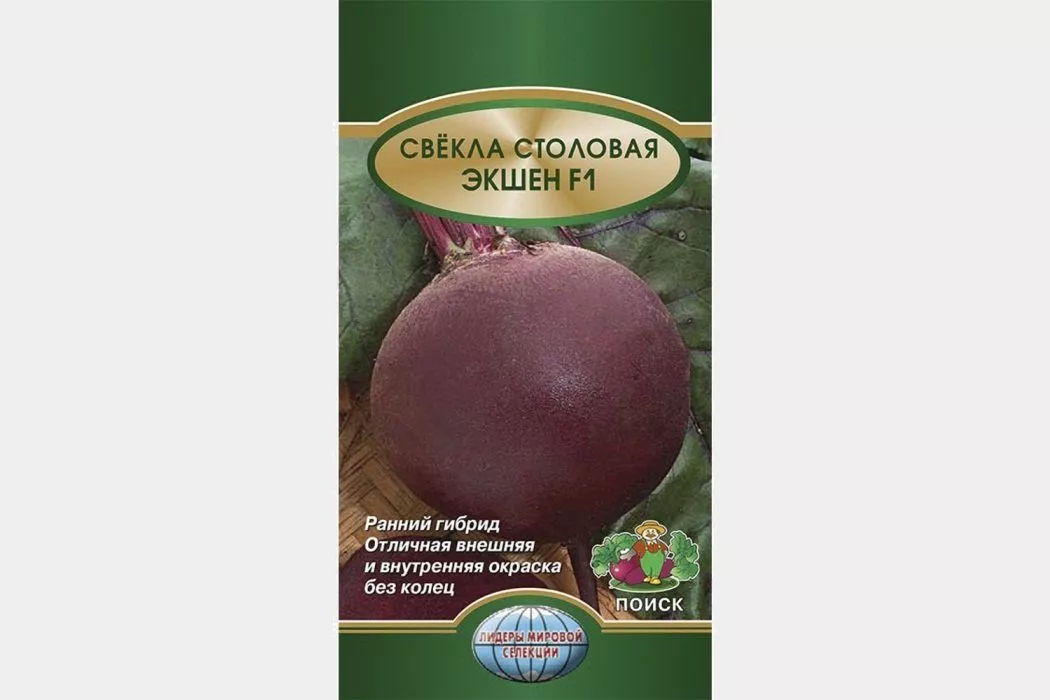
With proper agricultural practices, you can get up to 9.5 kg of fresh root vegetables from 1 square meter of garden bed.
3 varieties for storage in Siberia
Mid-season beet varieties and hybrids fully mature during the short summer, despite adverse weather conditions, and exhibit excellent shelf life during winter storage. Among them, the following are most suitable for growing in Siberia:
- BravoDeveloped in 1997 at the West Siberian Vegetable Experimental Station, it produces round, burgundy-colored roots weighing 200-650 g, deep red in color, and a tender, juicy, and sweet flavor. The flesh lacks characteristic rings. One square meter yields 7 to 9 kg of these fruits. The variety is highly resistant to cercospora leaf spot, but can be affected by beet midges.
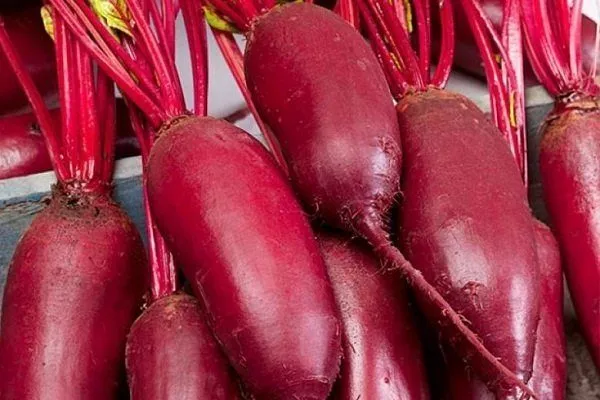
- RocketF1Another mid-season hybrid from Dutch breeders, it produces cylindrical, elongated roots weighing 300 g each. The skin is thin and dark red, without branches, and the flesh is juicy, burgundy-purple, and ringless. One square meter of garden bed yields 5.5-7 kg of roots. This hybrid boasts good germination (75-80%), high productivity, and resistance to various diseases.
- Cylinder VitalA classic Dutch variety, it produces dark-red, cylindrical roots with a slightly pointed tip. The flesh is tender and juicy, dark purple in color, without light veins. The roots themselves reach 3.5-6 cm in diameter and weigh between 200 and 450 g. A 1 sq. m bed yields 3.8-5.7 kg of fruit.
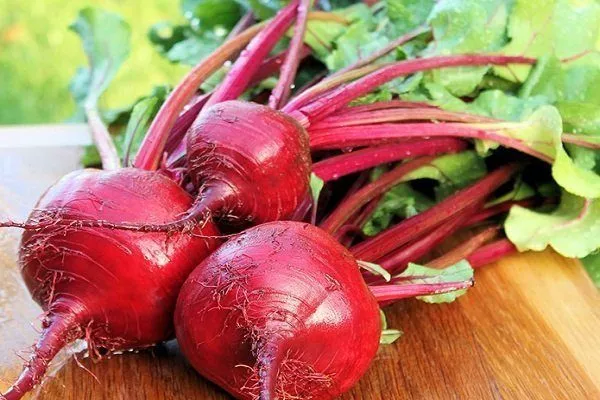
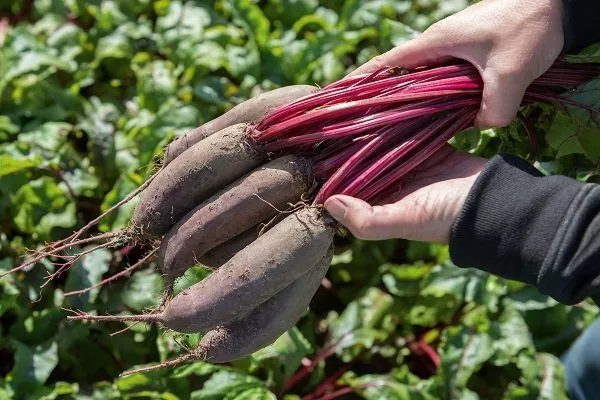
Beet varieties suitable for Siberia are available in a wide variety, so every gardener can find a crop with the right characteristics. If desired, several varieties can be planted in the same bed to select the best one for the following season.