
Sugar beet and fodder beet varieties have significant differences. These can be discerned by paying attention to their appearance and taste, yield, and growing conditions. You can learn more about these differences, as well as the intended uses and growing seasons of the root crops, by reading this article.
Description of beets
First, you need to familiarize yourself with the characteristics of vegetables:
- Stern. A type of root vegetable that is a source of fiber and beneficial fibre. It is prized for its nutritional properties and is grown on farms for livestock feed.
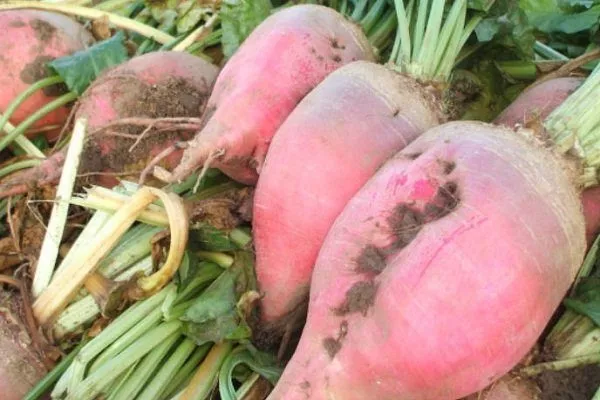
- Sugar. A variety of beet characterized by a higher sucrose content, which gives it a rich, sweet flavor. It is grown for both industrial and agricultural purposes.

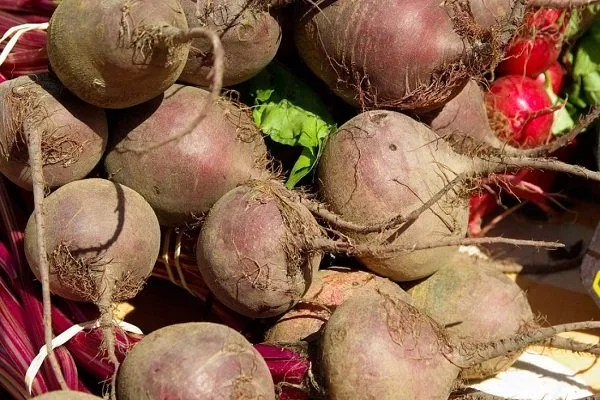
What is the difference between fodder and sugar crops?
There are many criteria for determining the type of beetroot you have. Below are the most useful ones.
Appearance of the root vegetable
The first thing to consider is the vegetable's appearance. This is the simplest and quickest way to identify it, as it's easy to remember. Each group has a number of prevalent characteristics.
What you need to know about fodder beets:
- Skin. Painted in orange or scarlet color.
- Form. Predominantly rounded.
- Leaves. They grow 30-40 per rosette. They are a rich green color and oval.
Features of sugar root vegetables:
- Skin. Grayish or light color.
- Form. Oblong.
- Leaves. They have long petioles matching the color of the fruit. The rosette is dense, with 50 or more leaves.
Growing season
This term refers to the time it takes for plants to fully mature. It can also vary within varieties.
But first of all, we need to take into account the differences between cultures:
- Stern. Grows in 4-5 months.
- Sugar. It takes much longer to harvest, taking between five and six months.
Despite the longer growing period, sweet varieties of root vegetables have a higher nutritional value.
Growing conditions requirements
The development of these crop varieties requires careful care. Otherwise, the plants may die.
- ✓ Soil pH should be between 6.0-7.5 for optimal root growth.
- ✓ Humus content of at least 2% to ensure the necessary nutrition of plants.
If you are planning to plant fodder beets, you need to pay attention to:
- Priming. Soil with low acidity and high fertility is suitable.
- Crop rotation. Plant after legumes and cereals.
- CareRoot crops need regular watering.
- Temperature. Should not fall below -5.
When planting sugar varieties, consider:
- Priming. It is better to use peat or black soil.
- Crop rotation.The best predecessors are wheat or barley.
- Care. The root system is more developed, so root vegetables don't require frequent watering. However, insect repellents and good fertilizers are still necessary.
- Temperature.Not below -8 degrees.
- ✓ A plough layer depth of at least 30 cm is required for the development of the root system.
- ✓ The distance between plants should be 20-25 cm to ensure sufficient space for growth.
Sugar beet is considered less demanding, but at the same time requires special protection.
Productivity
Below are the yield standards for beets that can be achieved under proper growing conditions. In poor climates and improper plant care, yields may decrease, regardless of the root vegetable variety chosen.
What are the average rates:
- Stern. It's considered more productive. Up to 60 tons of vegetables can be obtained from 1 hectare.
- Sugar. It is rare to get more than 30 tons per hectare.
Growing depth
Another way to distinguish root vegetables is simply by looking at them. What to look for:
- Stern. The vegetables rise slightly above the soil surface.
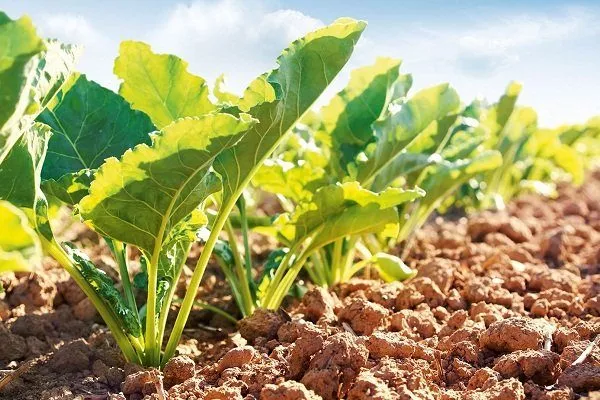
- SugarThe fruits are completely buried in the ground, with only the leaves visible from above.
If the beets have already been removed from the ground, you can look at the root system:
- Stern.A short shoot, rarely longer than the size of the vegetable.
- Sugar.The roots can be up to 1-1.5 m long and reach the groundwater level, which provides additional nutrition.
Chemical composition
This parameter influences the taste and nutritional properties of vegetables. It is determined during laboratory testing and allows for an assessment of the root vegetables' intended uses.
What elements stand out:
- Protein. There is more of it in fodder varieties (0.8%) than in sugar varieties (0.3%).
- Water. It also predominates in farm culture – 85% compared to 75%.
- Sugar. There is more of it in sweet varieties – about 20%.
Both varieties of root vegetables contain fiber, cellulose and ash.
Purpose of cultivation
This parameter should be given special attention when choosing a variety for cultivation. This is the only way to obtain beets that will be useful for the farm.
What is the difference:
- Stern. It is unsuitable for human consumption due to its distinctive odor and taste. It is intended for feeding livestock. It is an irreplaceable source of vitamins and energy, especially in winter. The fruits and leaves of the vegetables are used. Animal excrement remaining after digestion is used as fertilizer.
- Sugar. As the name suggests, sugar is extracted from the sugarcane. It also produces sweet molasses, which is used in brewing and sauces. Sugarcane fruits are used to bake pies and make jam. The tops and pulp remaining after processing are used as livestock feed.
Knowing the differences between forage and sugar beets can be helpful when choosing the right variety. Keep in mind that these varieties differ in growing conditions and timing. This will help you avoid mistakes and ensure a good root crop harvest.