
Boro beetroot is a hybrid variety that has gained popularity among gardeners due to its excellent qualities. It is characterized by good productivity, strong immunity, and a pleasant taste. The vegetables store well, making them ideal for both personal consumption and commercial cultivation. Timely and consistent care is key.
History of origin
Developed by Dutch breeders from the agricultural company Bejo, it is well adapted to various climatic conditions and was officially approved for use in 2004.
Introduction to the variety
The crop is widespread throughout Russia and is suitable for cultivation in most regions. It is a favorite choice for many gardeners across the country, both novice and experienced.
Distinctive features of tops and fruits
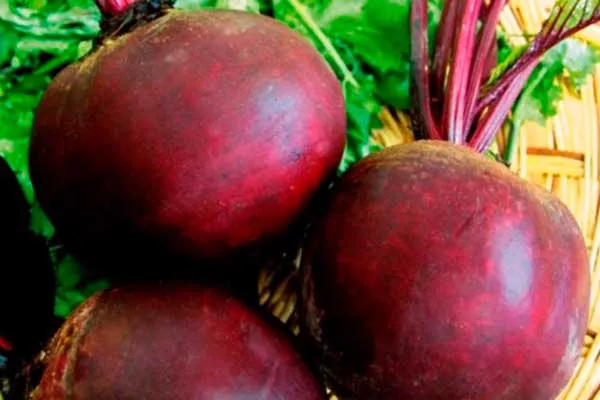
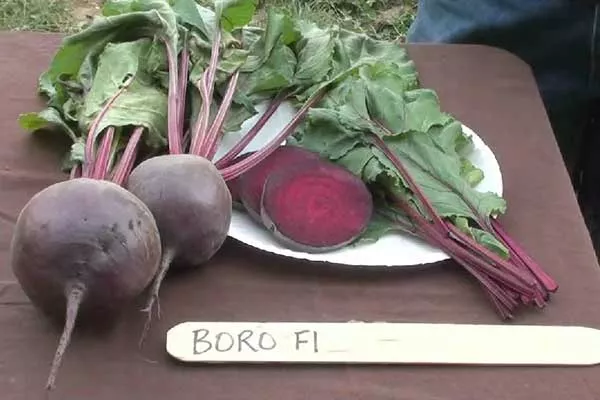
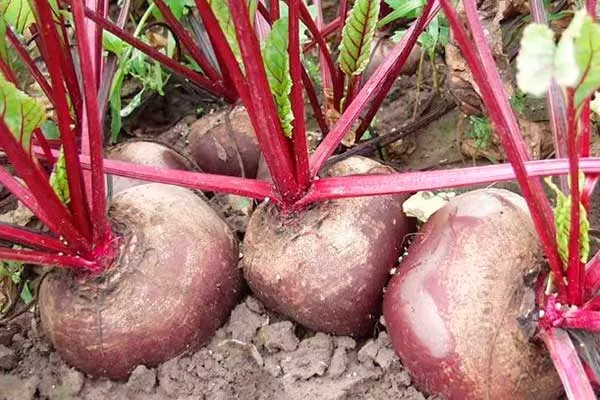
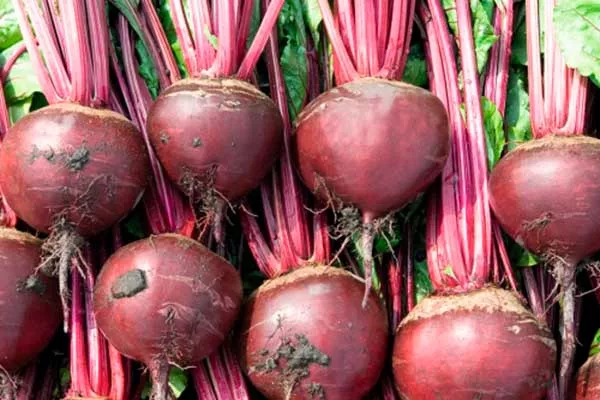
The hybrid has an upright rosette of oval green leaves. They have a bubbly texture and wavy edges, which can be moderately or strongly pronounced. The roots are neatly rounded and medium-sized, ranging from 8 to 10 cm in diameter.
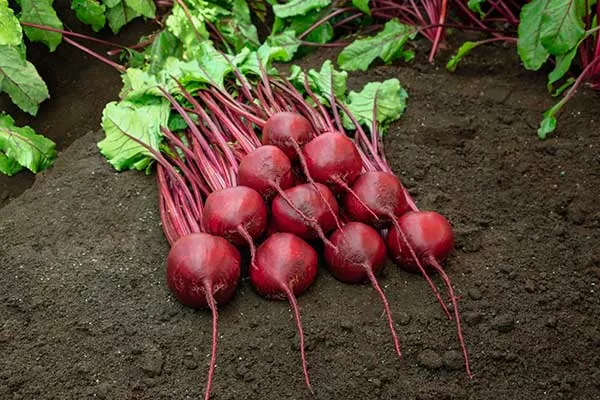
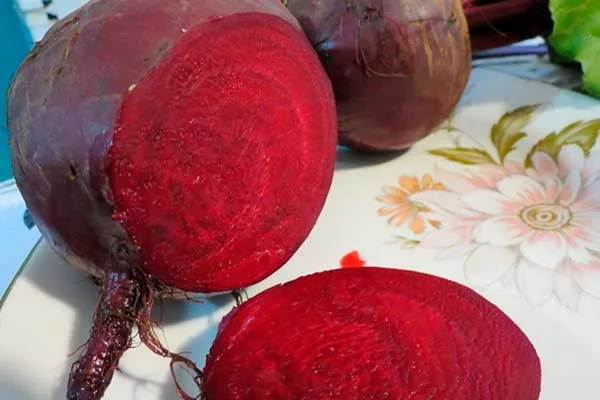
The weight varies from 109 to 212 g, but large specimens reaching 200-500 g are not uncommon. The fruit has a smooth surface with a thin, dark-red skin and a slightly corky head. The flesh is bright red, juicy, and uniform, sometimes slightly grainy and without rings.
Taste qualities, purpose
These vegetables are highly marketable, containing 12.2-12.3% dry matter and 9.1-10% total sugar. They have a rich, sweet flavor. They are suitable for winter storage and a variety of culinary preparations. This table variety can enhance the flavor of a variety of dishes, from everyday to festive.
Maturation
It is a mid-season variety, with a growing season from germination to harvest of approximately 115 days. In some cases, this period can vary from 110 to 130 days, depending on growing conditions.
Productivity
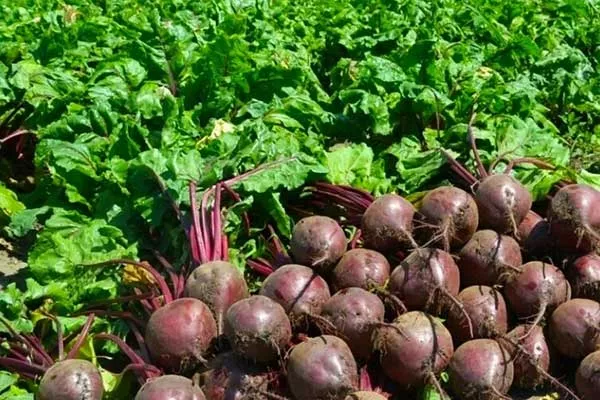
This is a highly productive hybrid that, with proper care, can produce large volumes of root vegetables. One hectare yields between 311 and 638 centners of juicy and sweet produce.
Suitable climate
The hybrid easily adapts to any weather conditions and produces fruit successfully throughout Russia. It thrives even in regions with harsh climates and tolerates high temperatures, making it popular for cultivation in the southern regions of the country.
This reliable and cold-hardy variety is suitable for winter cultivation: during the cold season, the seeds undergo natural hardening, and in the spring they produce strong, vigorous seedlings with good immunity. Sowing is done in late autumn, when the soil cools to 2-4°C.
How to plant beets?
When growing crops, it's important to follow basic agricultural practices to ensure high yields and healthy plant development. Soil and air temperature requirements must be considered, along with other recommendations.
Sowing dates
Sow seeds in late spring, in the first half of May, when the soil has warmed up sufficiently and the weather has warmed up. Place the seedlings in the ground before winter, starting from October 20th and continuing until mid-November, to ensure early germination the following season.
Site selection and soil preparation
Sunny locations with good drainage and non-acidic soil are suitable. Avoid growing this crop where cabbage, radishes, or rapeseed were previously grown. Light, sandy soil or loose black soil are suitable.
- ✓ The optimal soil pH should be in the range of 6.0-7.0. If the pH is below 5.5, lime or wood ash should be added at a rate of 200-400 g/m².
- ✓ The soil should be well-drained, with an organic matter content of at least 3-4%.
In the fall, dig the area to a depth of 25-30 cm, removing weeds and plant debris. Add organic fertilizers such as humus or compost (4-5 kg per square meter). In the spring, apply mineral fertilizers such as superphosphate, potassium salt, and urea. Before sowing, level the beds and water them thoroughly.
Processing of planting material
Select seeds of uniform size, leaving only the larger ones. Next, process them:
- Soak in a weak solution of potassium permanganate for a few minutes to disinfect, then rinse under running water.
- To increase resistance to cercospora leaf spot, treat with Agat-25K. To protect against downy mildew, use Apron.
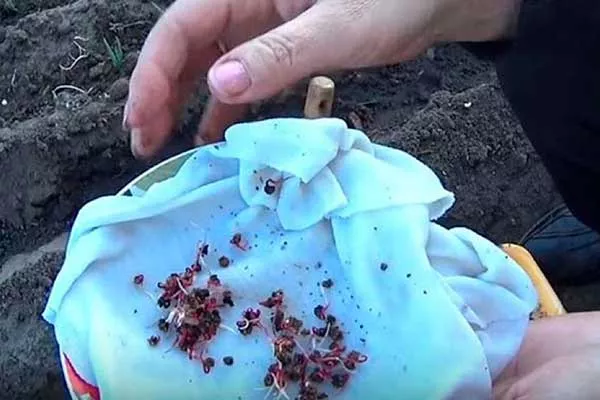
Place in warm water with a pinch of soda and 5 g each of ash, boric acid and superphosphate for 12-24 hours.
Sowing seeds in the ground
The procedure doesn't take much time and doesn't require any experience, so even a beginner can handle it. Follow the instructions:
- Dig furrows in the soil 3-4 cm deep, spaced 6-8 cm apart. Leave 25-30 cm between rows to prevent crowding and ensure adequate light.
- Add humus to nourish the root vegetables and ash to reduce soil acidity. If the bed was well prepared in advance, this step can be skipped.
- Place the planting material and cover with soil to a depth of 3-4 cm.
Features of planting through seedlings
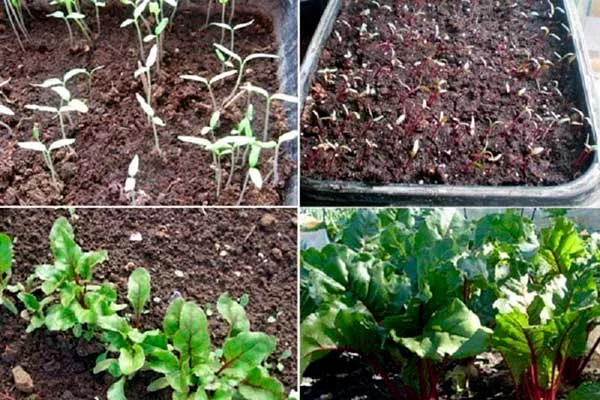
Use a "snail" or regular containers with nutritious soil mixture. During the growing season, treat the plantings with the fungicide Rovral Aquaflo to prevent cercospora leaf spot.
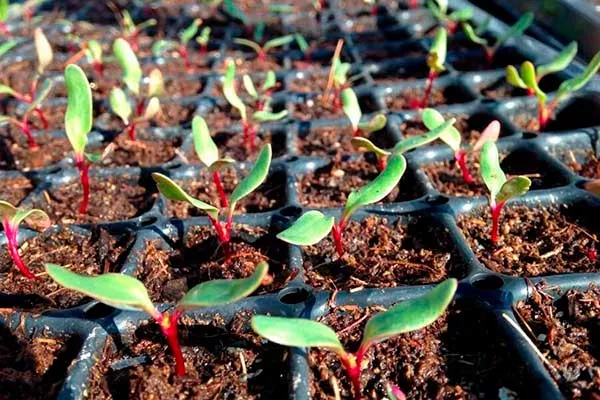
After 4-5 weeks, when the plants have established themselves and developed several true leaves, transplant them with a lump of soil into the prepared furrows. Do this carefully to avoid damaging the delicate roots, as this could negatively impact the development of the root vegetables.
Caring for beets
Hilling is strictly prohibited, as it prevents vegetables from receiving the necessary amount of solar heat. Instead, it is important to strictly adhere to a number of mandatory agricultural practices.
Watering
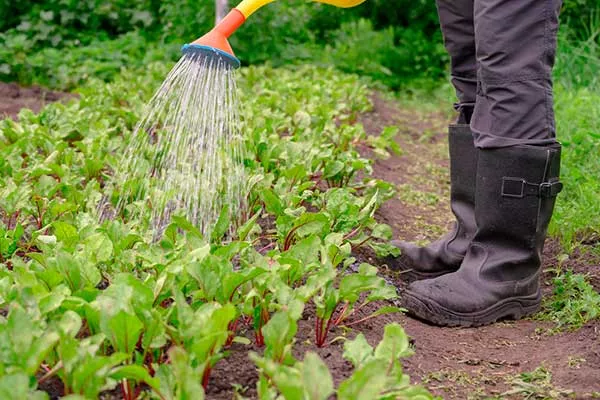
The crop requires sufficient moisture. Organize water supply according to the following schedule:
- At the beginning of the growing season Use sprinkler, drip irrigation, or root saturate. In dry and hot weather, water 1-2 times a week. Avoid watering on rainy days.
- During periods of extreme drought Water the beds daily or every other day to prevent the soil from drying out, which can lead to seed death or cracking of the roots.
- When the heads begin to form, reduce the frequency to once every 10-14 days.
- At the beginning and end of summer Use a salt solution to sweeten the fruit and ensure good storage. To prepare, dilute 30 g of table salt in 10 liters of water. Nutria nitrate (50 g per 10 liters of water) can also be used.
Top dressing
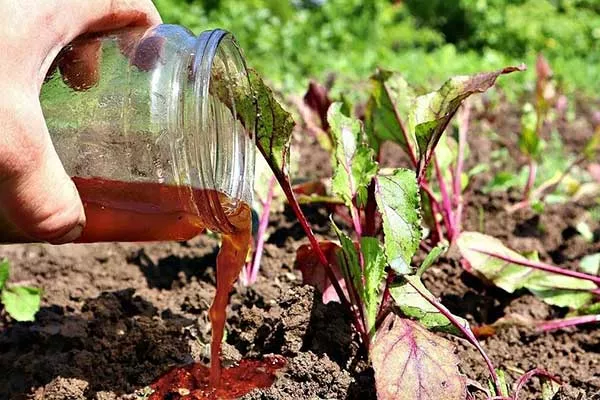
To produce large root vegetables with dense, juicy, and sweet flesh, fertilize your plants. Follow this schedule:
- Two weeks after sowing, use the herbal infusion: fill a container one-third full with young, mown grass (nettle, sweet clover, dandelion, etc.), add 5 liters of ash, 1 packet of Persian yeast, and 1-1.5 liters of whey. Top up with water and mix thoroughly.
Let the mixture steep for 2-3 weeks until the grass dissolves. Water the beets with the resulting infusion three times per season, diluted 1:10 for sprinkling and 1:3 for root feeding. - During the initial stages of development, use nitrogen fertilizer. Ideally, use mullein diluted with water at a ratio of 1:10. Don't overdo it to avoid excessive foliage growth at the expense of the vegetables.
- When the leaves begin to close, apply calcium nitrate and phosphorus. Spread ash (1/2 cup per 1 square meter) over the bed and work it into the soil.
- Two weeks before sowing, apply complex mineral fertilizer (NPK 10-10-10) at a rate of 50 g/m².
- After 4 weeks from germination, feed the plants with nitrogen fertilizer (urea) at a rate of 20 g/m².
- During the period of root formation, apply potassium fertilizer (potassium sulfate) at a rate of 30 g/m².
Other care measures
When planting seeds in the ground, thin the plants regularly, especially during the fruit-setting phase. Remove weak seedlings, leaving only strong ones, spacing them 15-25 cm apart.
Harvesting
Harvest from July to September. Use a shovel or pitchfork to dig up the vegetables and lift them out of the soil. Gently pull them out by the tops or remove them by hand. Harvest in dry weather before frost to avoid damaging the tops.
Next, follow the recommendations:
- Dry in the garden bed for 2-4 hours, no more. If it rained or the fruit was picked from damp soil, leave it to dry for 2 to 7 days in a well-ventilated area, spreading it out in a single layer.
- Carefully remove any clumps of soil and clay.
- Cut off the tops, leaving a small “tail” up to 1 cm.
- Remove the side roots and trim the main root, leaving it 5-7 cm long.
Storage
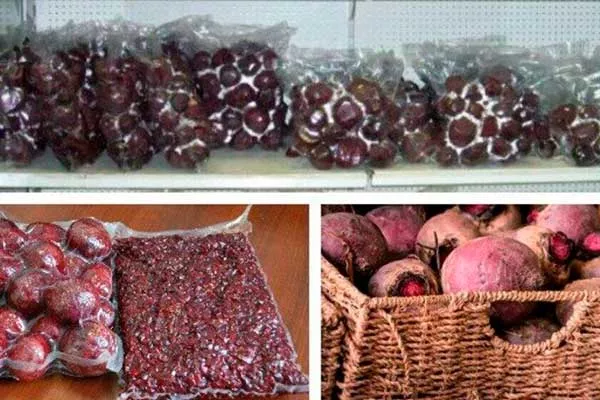
Store your harvest in a cool, dark place, such as a cellar, basement, or sometimes on a balcony or in a refrigerator. Burying your harvest in trenches or holes is a reliable way to prolong freshness.
Features of cultivation and possible difficulties
Beets are an easy-to-grow crop that, with proper care, produces excellent yields. For successful cultivation, consider a few challenges:
- Low germination rate. This can occur due to using old or improperly treated seeds. To improve results, pre-soak and disinfect the planting material.
- Thickening of plantings. This deprives the plants of light and nutrients, leading to deformed vegetables. Thin the seedlings regularly.
- Lack of moisture. During dry periods, this can lead to cracking of root crops or death of young seedlings.
- High soil acidity. The crop does not grow well in areas with acidic soil. If a problem is detected, apply lime or ash.
Adherence to agricultural practices and timely problem-solving will ensure a bountiful and high-quality harvest.
Control of diseases and pests
Boro has a strong immune system. However, she is susceptible to the following pathologies:
- Phoma (heart rot). A fungal disease that is especially dangerous when storing root vegetables over winter. It appears as black spots on the stem and top. A velvety white rot is visible within the affected areas.
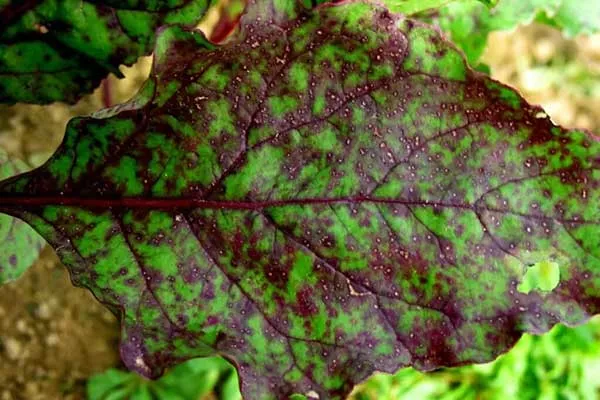
Avoid planting beets in alkaline soils. If signs of disease appear, remove and destroy affected plants immediately to prevent infection of healthy plants. - Cercospora leaf spot. The fungus attacks the foliage, causing necrotic spots with a reddish or brown border. Brown spots develop on the stems. The disease progresses rapidly in wet weather, which can lead to death and stunted growth.
Cercospora leaf spot is incurable, so all infected plants must be destroyed. - Peronosporosis (downy mildew). It attacks leaves and flower stalks, developing a gray-purple coating. The leaves become pale, brittle, curl downward, turn black, and die. The above-ground parts rot, and the vegetables become small, lose their sugar content, and are susceptible to rotting during storage.
Remove such plants as the disease is not treatable. - Leafhoppers. Spray plants with contact and systemic insecticides.
- Leaf beetle. Tear off the affected leaves and destroy them away from the garden beds.
- Aphids (leaf and root). The drugs Rotenone and Malathion effectively deal with it.
For prevention, observe crop rotation and disinfect the soil and seeds.
Positive and negative qualities
Breeders made the Boro beetroot successful thanks to its numerous advantages. It boasts the following characteristics:
Among the disadvantages, gardeners note the small graininess of the pulp and the requirement for bright sunlight.
Reviews
Boro beetroot is an excellent choice for those who want high-quality vegetables without the hassle. Thanks to its disease resistance, excellent flavor, and long-term storage properties, this hybrid has become a favorite among both experienced farmers and gardeners. With the right approach, it is sure to reward you with abundant harvests.