
Bordeaux is an easy-to-grow and productive sweet beet variety. It grows abundantly and uniformly in dry, warm weather with little to no rainfall, producing beautiful burgundy roots suitable for table use. These can be eaten immediately or stored for storage until next season.
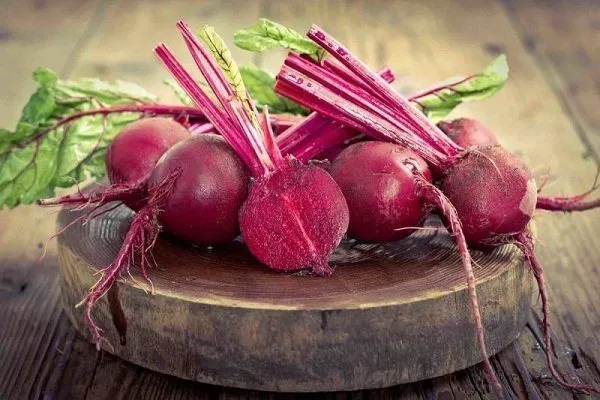
Bordeaux beetroot
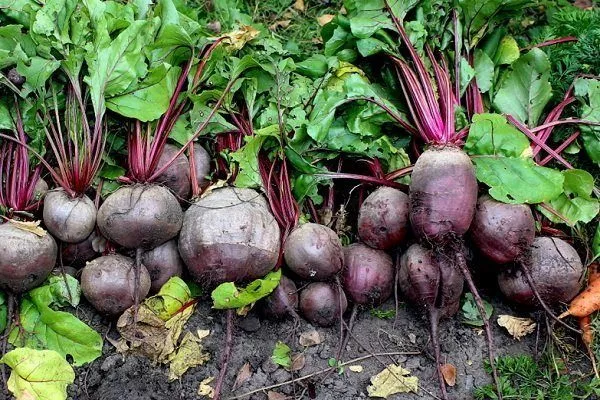
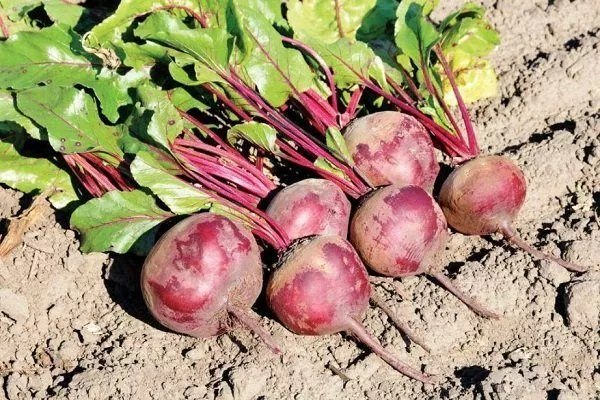
Bordeaux beets have a rich color
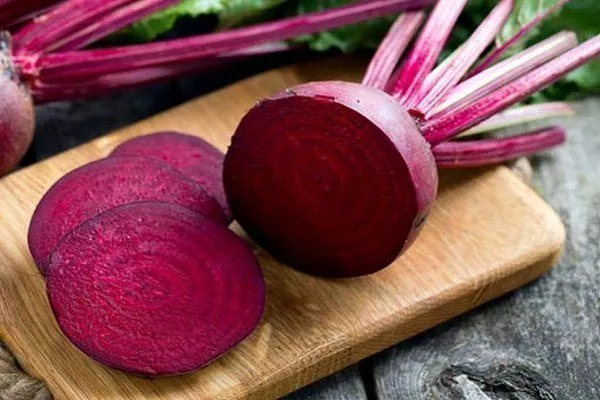
Bordeaux beets have juicy and sweet flesh.
Description of Bordeaux beet varieties
In 1937, domestic breeders succeeded in developing a burgundy beet for cultivation in southern regions. It is currently available in two varieties:
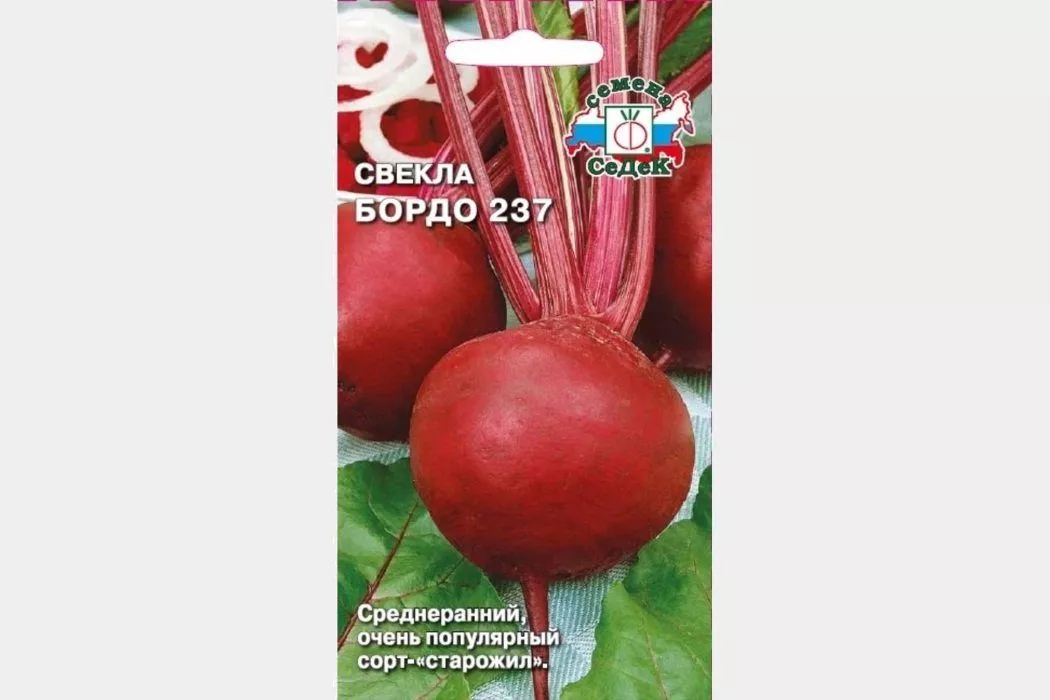
- Bordeaux 237An original vegetable variety. It was included in the State Register of Breeding Achievements of the Russian Federation in 1943 at the request of the Federal Scientific Center for Vegetable Growing.

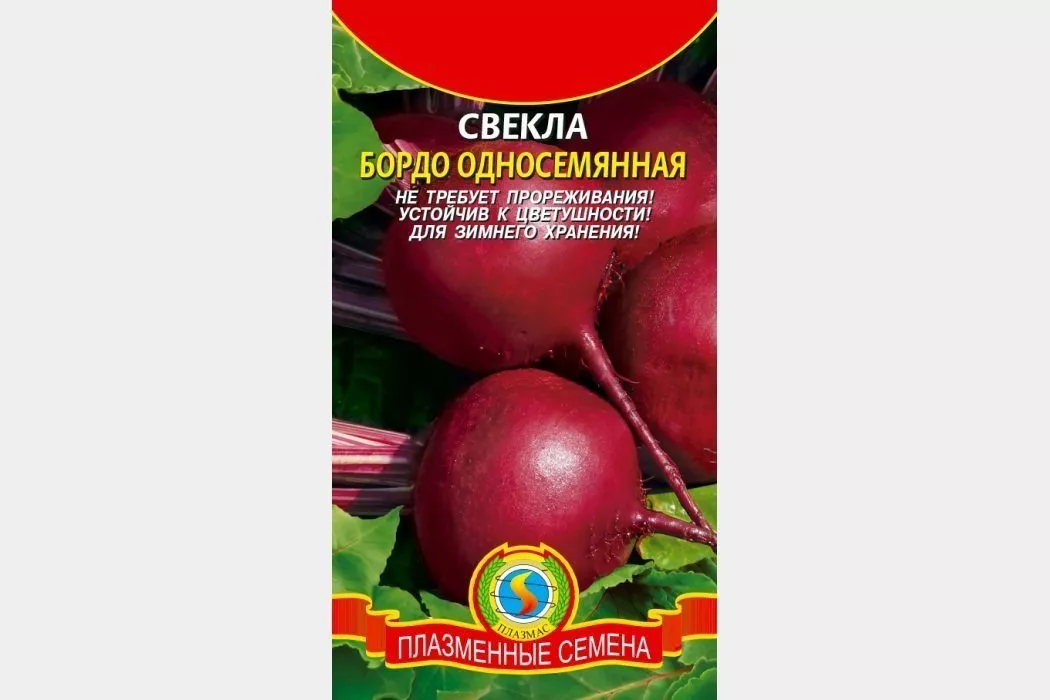
- Bordeaux single-seededIt is a descendant of the previous variety and was developed by breeders in 2003. The main difference between them is that single-seeded crops do not require initial thinning, as each seed produces only one sprout.
- ✓ The optimal soil temperature for sowing seeds should not be below +9°C, which is not mentioned in the article.
- ✓ To prevent the accumulation of nitrates in root crops, it is necessary to strictly control the amount of nitrogen fertilizers applied, especially during the period of root crop formation.
The characteristics of the two Bordeaux beet varieties can be found in the table:
| Parameter | Description |
| Ripening time | Bordeaux 237 is a mid-early variety that ripens in 80-95 days in warm conditions and 110-115 days in cool conditions. Bordeaux Single-Seed is a more early-ripening version, so the growing season to harvest averages 60-65 days. |
| Cultivation regions | This variety of beet is heat-resistant, so it grows well in fields and gardens during hot, long summers. Therefore, it is best grown in warm regions of Russia, Ukraine, Belarus, Moldova, and other CIS countries.
Meanwhile, a good harvest can also be obtained in central Russia, where the climate is moderately continental. In these conditions, Bordeaux grapes will withstand short-term droughts, cold spells, and temperature fluctuations. |
| Leaf rosette | The plant grows as a dense bush with long, dark pink or burgundy petioles. The rosette of leaves is semi-erect and medium-sized, yet compact. The leaves themselves are wide, oval, and have wavy margins. They reach 35-40 cm in length.
The leaf blade has a glossy and slightly bubbly surface, a dark green color, diluted with pronounced red veins, colored with anthocyanins. The plant's leaves are edible and can be harvested as they grow. Young leaves have the best flavor. |
| Roots | Bordeaux 237 produces large root vegetables averaging 250-500g, while the single-seeded Bordeaux produces smaller heads weighing up to 150-230g. Otherwise, these varieties are identical, and their roots, with their thin, sparse roots, can be identified by the following characteristics:
Even the smallest root vegetables, which form in mid- to late July, are edible. They can be used in any dish and boiled. Cooked beets not only retain their rich color but also the pleasant juiciness of the flesh. |
| Seeds | Beet seeds are large (2-4 mm), polygonal, and dark brown. They are enclosed in a dry capsule, and their surface is covered with cavities. Seeds can be harvested at home or purchased at a garden center. Typically, planting material should not be stored for more than two years. |
| Productivity | The harvest yield depends on specific weather conditions. A cold, damp summer with low temperatures will slow down root development. On average, 1 square meter of garden bed yields 4 to 8 kg of root vegetables, half-buried. When grown on an industrial scale, the yield ranges from 70 to 90 tons per hectare. A distinctive feature of this beet is that in southern regions, it can produce several harvests per year. |
| Shelf life | Thanks to their thick skin, these root vegetables can be stored for 6 months or more. They can be transported without risk of losing their marketable quality. |
| Disease resistance | Beetroot Bordeaux has weak resistance to downy mildew and cercospora. |
- ✓ Bordeaux 237 requires mandatory thinning due to the possibility of several shoots forming from one seed.
- ✓ Single-seeded Bordeaux does not require thinning, which significantly saves time and labor costs.
Sowing dates
When sowing seeds directly into open ground, work can be carried out at different times of the year:
- In the springTo obtain an early harvest, in southern regions, sowing can be done from mid- to late April, when the soil warms up to 9-10°C during the day. The optimal air temperature is no lower than 5°C. With this sowing, the root crops will be ready for harvest as early as July.
If you plan to store the vegetable for a long time, it's best to sow the seeds in late May. You'll be able to harvest ripe beets in August. - In summerFor best preservation of root vegetables, seeds can be sown in June. They can be harvested in the fall.
- In autumn (winter sowing)Bordeaux beets can be sown before winter for an early harvest, although even ripened roots will not store well. The best time to sow is in October or early November, before frost sets in, and when soil temperatures are at least -5°C. This planting should be mulched with pine needles and sawdust.
The ideal temperature for active beet growth is 22°C, although seedlings can withstand short-term temperature drops to -2°C. Prolonged cold spells will cause them to stop growing and die.
In addition to direct sowing, Bordeaux beets can be grown using seedlings. This will yield an earlier harvest, although the roots will not be suitable for storage until the following season.
In a greenhouse, seeds can be sown for seedlings in mid-March, and in hotbeds in late March or early April. In May, when the soil warms to 10°C, the seedlings can be transplanted to their permanent location.
Site selection and soil preparation
Bordeaux beetroot is demanding when it comes to growing conditions, so when choosing a plant, be sure to consider the following rules:
- The planting area should be well-lit and sun-warmed, as half of the vegetable is above ground during ripening and requires warmth to actively develop and increase sugar content. Shade and drafts are unacceptable.
- Deep groundwater levels are desirable.
- The vegetable can be grown in the same spot for no more than four consecutive seasons. It shouldn't be planted after other beet and cabbage varieties, but good predecessors include:
- potato;
- tomatoes;
- cucumbers.
- The soil should be fertile and loose, with a deep topsoil. The soil should be only slightly or neutrally acidic; otherwise, the root vegetables will be small and fibrous.
An area with suitable parameters should be prepared for beets in advance, following these instructions:
- In the fall, spread humus from cow manure or last year's compost over the surface of the plot. You can also water it with a 1:20 solution of bird droppings and add wood ash at a rate of 3 cups per square meter. Nitrogen fertilizers should be applied only in small quantities, as beet roots tend to accumulate nitrates. After applying them, dig the plot to the depth of a spade.
- In the spring, apply complex mineral fertilizers. Beets respond best to potassium chloride and superphosphate. If you need to lower soil acidity, also add dolomite flour.
- After digging, form high or medium-height beds in the area. Experienced vegetable growers also grow Bordeaux beets in ridges formed from the soil.
Processing of planting material
Before sowing, the seeds must be treated as follows:
- Sort them out, leaving equally large specimens.
- Soak the seeds in a weak solution of potassium permanganate for a few minutes to disinfect and rinse under running water. To increase resistance to cercospora leaf spot, treat the seeds with Agat-25K. Disinfection with Apron seed treatment will protect future plantings from downy mildew.
- To stimulate growth, soak the seeds for 12-24 hours in warm water, to which you have previously added a pinch of soda and 1 teaspoon each of ash, boric acid, and superphosphate.
Before sowing, some gardeners also sprout beet seeds, but this measure is more justified in the case of sowing them for seedlings, as it helps them to sprout faster.
Sowing seeds in the ground
When the optimal time arrives, you need to start sowing seeds, following these instructions:
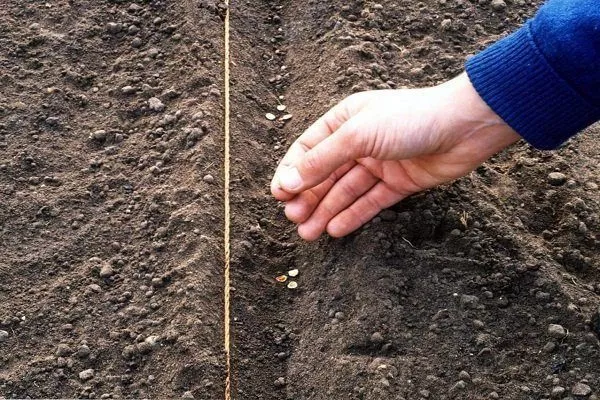
- Dig furrows in the soil 3-4 cm deep and spaced 6-8 cm apart. If you plan to sow in rows, leave about 25-30 cm between them to avoid crowding and ensure each plant receives the required amount of light.
- Add humus to the prepared furrows to nourish the root crops and ash to reduce soil acidity. This step can be omitted if the bed is well prepared.
- Sow the seeds, cover them with 3-4 cm of soil, and water with a watering can. The optimal application rate is 7-10 g per square meter.
Experienced gardeners prefer to sow Bordeaux along the edges of their beds, which allows for more economical use of space. Good beetroot neighbors include:
- tomatoes;
- cucumbers;
- garlic;
- salad;
- radish.
These crops do not suppress each other, so their yield will be at the highest level.
Features of planting through seedlings
If you decide to grow beets using seedlings, you first need to grow strong seedlings, which can be done in a snail or regular containers with a nutritious soil mixture. During the seedling period, it is advisable to treat the crop with the fungicide Rovral Aquaflo to prevent cercospora leaf spot.
After 4-5 weeks, when the seedlings have strengthened and developed several true leaves, they can be transplanted with a lump of soil into the furrows prepared in advance according to the above diagram. Care must be taken to avoid damaging their delicate roots, otherwise this will negatively impact the development of the root crops.
During the initial planting period, it's best to shade the seedlings to help them adapt to the new conditions faster. In cold weather, cover the seedlings with spunbond.
Planting care
Beets should never be hilled, as this will prevent the roots from receiving the required amount of solar heat. However, there are a number of agricultural practices that are mandatory.
Watering
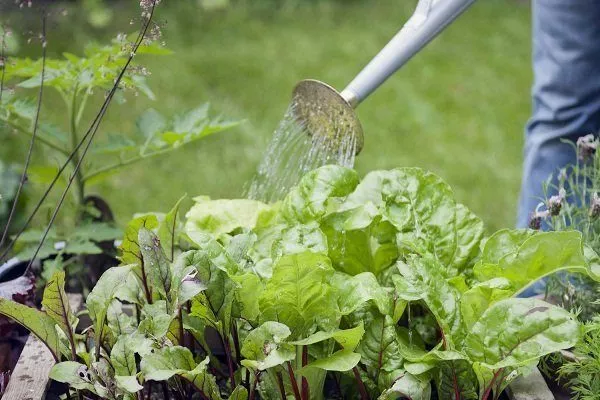
Bordeaux beets love moisture, so it's important to organize proper watering according to the following scheme:
- Water generously at the beginning of the growing season using sprinkler irrigation, drip irrigation, or root saturation. This can be done 1-2 times a week during dry and hot weather. It's best to hold off on watering on rainy days.
- During particularly dry periods, water the rows daily or once every two days to prevent the soil from drying out, otherwise this will cause the death of germinating seeds or cracking of root crops.
- Once the heads have formed, reduce the frequency of watering to once every 10-14 days.
- At the beginning and end of summer, water beets with a salt solution to ensure the roots are sweet and can be stored until the following season. To prepare this solution, simply dissolve 30 g of table salt in 10 liters of water. If available, you can also use sodium nitrate (50 g per 10 liters of water).
- 3-4 weeks before the expected harvest, completely stop watering the crop, otherwise the fruits will be watery.
Thinning
When planting beet seeds in the ground, thin out the strong seedlings regularly. This is best done during the fruit-setting phase. Weak plants should be removed, and the strong ones should be left in the beds, maintaining equal intervals of at least 15-25 cm between them.
Soil treatment
After watering or rain, the bed should be carefully loosened with a pitchfork to ensure sufficient oxygen for the root vegetables. At the same time, weeds should be removed, otherwise they will suck too many nutrients from the soil, to the detriment of the beets.
Top dressing
With proper fertilization, you can produce large root vegetables with firm, juicy, and moderately sweet flesh by the end of the growing season. Here's the optimal fertilizing schedule:
- Two weeks after sowing, water the seedlings with a herbal infusion, which is best prepared in the spring, when young, succulent grasses such as nettle, sweet clover, dandelion, etc., have blossomed. Prepare the infusion as follows:
- fill a bathtub or other container one-third full with young, mown grass;
- add 5 liters of ash, 1 pack of Persian yeast and 1-1.5 liters of milk whey;
- Pour water into the container to the brim and mix thoroughly;
- Let the mixture steep for 2-3 weeks (when the nettle and sweet clover dissolve, the mixture will be ready).
The resulting infusion can be used to water beets 3 times per season, but it must be diluted - at a ratio of 1:10 for sprinkling and 1:3 for root feeding.
- At the initial stage of development, feed the plant with nitrogen fertilizer. The best option is mullein diluted with water at a ratio of 1:10. Be careful not to overdo it with this fertilizer, otherwise the shock dose of nitrogen will promote vigorous growth of the tops at the expense of the root crops.
- When the leaves begin to close together, feed the beets with calcium nitrate and phosphorus. Also, sprinkle ash over the bed (1/2 cup per square meter) and work it into the soil.
- In August, water the beets with ash infusion, for the preparation of which 1 kg of ash is soaked in 10 liters of water for 24 hours.
Protection from diseases and pests
Bordeaux beet varieties are resistant to many diseases, but the following pathologies pose a danger to them:
- Phimosis (heart rot)A fungal disease that is dangerous for root vegetables during winter storage. It manifests itself as black spots on the stems and upper parts of the heads. A velvety white rot can be seen within these spots. To prevent beetroot blight from ruining the entire crop, avoid planting beets in alkaline soils. If signs of the disease are detected, affected plants should be discarded and destroyed, otherwise the fungus will spread to healthy root vegetables.
- Cercospora leaf spotThe fungus attacks beet tops, which become covered in necrotic spots with red or brown borders. Brown spots are visible on the stems.
The disease thrives in damp weather. Ultimately, it destroys all foliage and prevents root growth. Cercospora leaf spot is incurable, so all affected plants must be destroyed. - Downy mildew (peronosporosis)It attacks the leaves and flower stalks of the plant, causing a gray-purple coating to form on the foliage. Gradually, the leaves become pale and brittle, curling toward the ground. They then turn black and die. Simultaneously, the above-ground portions of the plant rot, and the fruits become smaller, lose their sugar content, and become prone to rotting during storage. Downy mildew cannot be cured, so affected plants must be destroyed.
To prevent the development of the listed diseases, it is necessary to observe crop rotation and disinfect the soil and seeds.
Among the pests, only beet insect pests can affect the garden bed, among which the main ones are:
- LeafhoppersTo combat them, the above-ground portion of the plant should be treated with contact and systemic insecticides.
- Leaf beetleAffected leaves should be picked off and destroyed away from the garden bed.
- Aphids (leaf, root)The medications Rotenone and Malathion will help with this.
Harvesting and storage
Harvesting root crops at the scheduled time will not cause any particular problems, since the root crops are partially above ground and can be easily pulled out if they are lightly dug up with a shovel beforehand.
Beets can be stored for 5-6 months without losing their nutritional value if kept at -1 to +2°C. At higher temperatures, they will actively lose moisture, causing them to become flabby.
The optimal storage location is a cellar, where the root vegetables can be kept in boxes filled with damp sand or in baskets on the floor. They can be mixed with potatoes beforehand.
A small amount of beets can be stored in the refrigerator for a long time by placing them in the vegetable compartment.
The pros and cons of Bordeaux beets
The strengths of burgundy beetroot are as follows:
- good commercial and taste qualities;
- the ability to be stored for a long time without losing taste, density and aroma;
- resistance to long-distance transportation;
- resistance to dry and hot weather;
- high yield and almost 100% germination.
As for the disadvantages, gardeners often note the following:
- unplanned picking of Bordeaux 237, since sometimes 2-3 sprouts form from one seed;
- the need for a large growing area to allow sufficient spacing between plants and allow the root crops to grow to the size stated by the manufacturer.
Reviews of the variety
In the following video, a gardener will show off his Bordeaux beetroot bed and explain how to properly cultivate it to produce large, fleshy roots:
Bordeaux beets are tall, bushy crops that produce large roots. These varieties are heat-tolerant and easy to care for, making them a favorite among many gardeners. The roots can be used in a variety of culinary applications or stored in a cellar for extended periods until the following season.