
Bona beetroot boasts high productivity, excellent flavor, and disease resistance, making it an ideal choice for both experienced and novice gardeners. It's important to understand the growing process and ensure proper care to maximize the benefits of the crop.
History of selection
Experienced breeders worked on developing this variety, and after completing all testing, it became available for general use in 2001. The work was carried out by Petr Klapst, Jiri Horal, and Yuri B. Alekseev.
Description of the plant
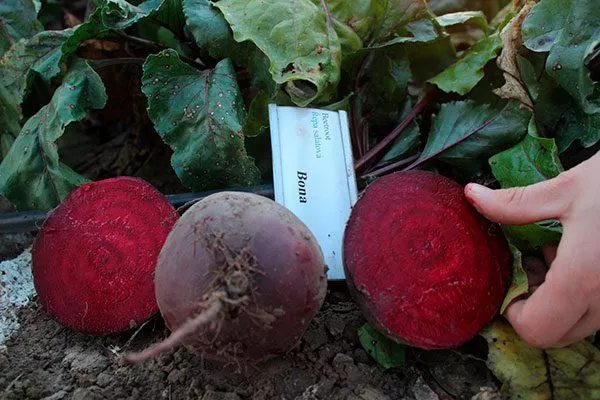
This is a semi-spreading variety intended for table use. Distinguishing features:
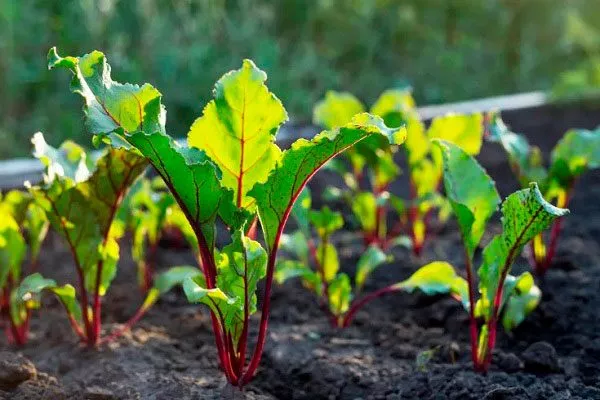
- Leaves - green-red in color with an oval shape and medium-long petioles.
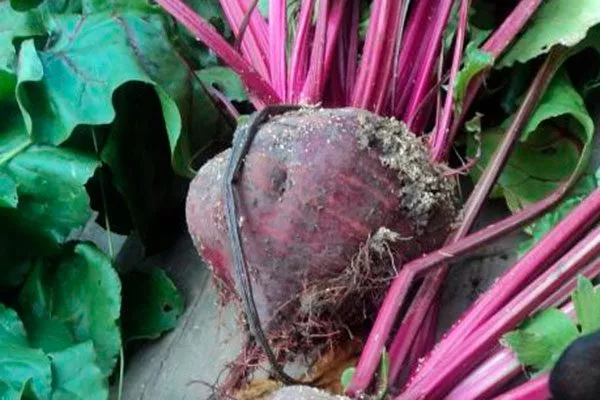
- Root vegetable – rounded in shape, with a smooth surface.
- Weight - varies from 250 to 280 g.
- Peel - painted red.
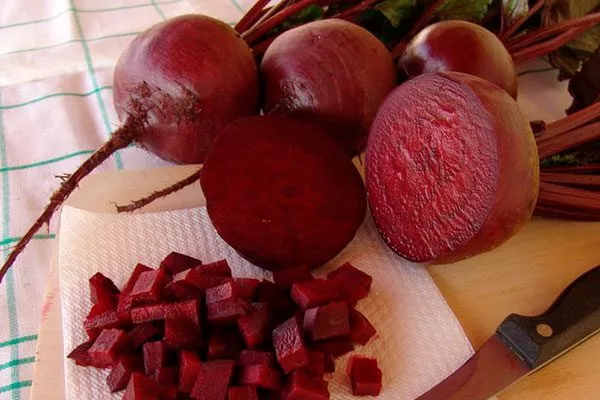
- Pulp – very juicy and tender, dark red in color.
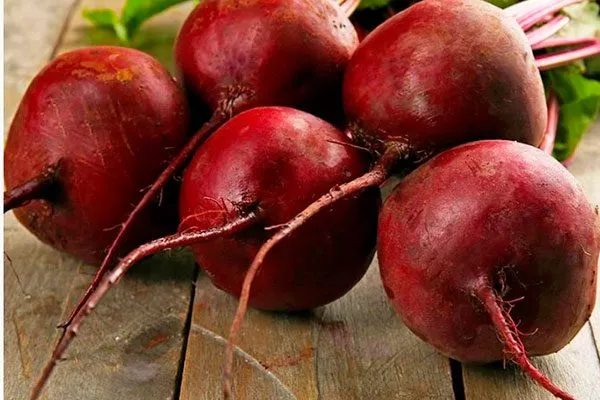
The variety contains 12.0% total sugar and 15.5% dry matter.
Taste characteristics and purpose
Beets have excellent flavor. They are often used for canning, cooking, and eating fresh.
Ripening and yield
A medium-ripening crop, it takes no more than 120 days from first sprouts to harvest. It boasts excellent productivity: with proper care, 1 square meter yields 5.5 to 6.8 kg of delicious root vegetables.
Climate requirements
The culture is characterized by high adaptability to various climatic conditions and sudden temperature changes.
The variety is successfully grown in the following regions:
- North Caucasus and Krasnodar Krai;
- Central Black Earth District;
- Volga region;
- Central and Volga-Vyatka regions;
- Ural;
- Western and Eastern Siberia;
- Far East.
In southern regions and regions with a temperate continental climate, seeds are planted in open ground. Thin out the emerging seedlings in 2-3 stages. In risky farming zones where spring arrives late, use the seedling method.
What varieties of Bona beetroot are there?
| Name | Peel color | Pulp color | Disease resistance |
|---|---|---|---|
| Bona Red | bright red | dark red | high |
| Bona Gold | golden | golden | average |
| Bona Fort | red | red | high |
| Bona Top | red | red | high |
One of the most popular varieties is Bona Red. It stands out for its bright red skin and juicy flesh. It is highly disease-resistant and retains its quality long after harvest.
Other types:
- Bona Gold. Its distinctive feature is its golden color, and the flesh is tender and sweet, making the variety ideal for salads and other culinary dishes.
- Bona Fort. The roots are large, with firm flesh. The flavor is considered excellent, and the shelf life of the vegetables is excellent.
- Bona Top. Characterized by high bolting resistance, it produces generous harvests even in adverse weather conditions and has juicy, sweet flesh suitable for a variety of dishes.
Landing features
Proper crop cultivation is the key to obtaining a high-quality harvest. It's important to consider certain factors and adhere to certain requirements to achieve positive results.
Planting date
The optimal time for this procedure depends on the region's climate. Plant the seedlings in the spring, when the soil warms to 2–4°C. In southern regions, this may be late March or early April, and in northern regions, May, once the threat of frost has passed.
Soil composition for planting
Beets prefer light, nutritious, and well-drained soil. The ideal composition includes black soil, humus, and sand in equal proportions. This will provide the necessary nutritional environment for root crop growth.
Size of the planting hole
The optimal depth is considered to be 2-3 cm. When planting seeds, leave a distance of about 10-15 cm between them to allow the vegetables to develop without competition. If using seedlings, the distance between seedlings should be approximately 20 cm.
Landing site
Bona prefers sunny sites, so choose beds where the plants will receive sufficient light throughout the day. Avoid shaded areas, as this can negatively impact yield. Consider crop rotation: do not plant in areas previously occupied by beets.
- ✓ The pH level must be strictly within 6-7.5 for optimal absorption of nutrients.
- ✓ The soil must contain at least 4% organic matter to provide the necessary nutrient medium.
Required soil
The soil should be slightly acidic or neutral, with a pH of 6-7. If the soil is too acidic, add lime or dolomite flour before planting to neutralize it. This will help the plants better absorb nutrients and ensure healthy growth.
Preparing and sowing seeds
Pre-harden the planting material by placing it first in hot water and then in cold water for a few minutes. This will help increase its resistance to adverse conditions.
Step-by-step algorithm:
- Make even furrows.
- Place the seeds in each row.
- Sprinkle with soil and level with a rake.
- Moisten with warm, settled water.
To speed up germination, you can cover the beds with film until the seedlings appear.
Subtleties of agricultural technology
Proper care of beets is a key factor for obtaining a high yield and high-quality root crops.
The process includes several important aspects:
- Watering. Provide the crop with regular moisture, especially during the growing season. Keep the soil moist, but avoid overwatering, as this can lead to root rot.
Water plants 1-2 times a week, depending on weather conditions. Increase the frequency in hot weather. Apply water at the roots, avoiding contact with the leaves, to reduce the risk of disease. - Fertilizer. To ensure vegetable growth and development, apply fertilizer. Two to three weeks after germination, use a mullein infusion or complex mineral fertilizers.
Four to six weeks after the initial fertilization, apply phosphorus and potassium fertilizers to improve the quality of the vegetables. The total number of fertilizer applications per season may be three to four, depending on the condition of the plants and the quality of the soil. - Loosening. Loosen the soil around the plants to improve root aeration and reduce the risk of crust formation on the surface. Work carefully to avoid damaging the roots. This helps retain moisture and reduces weed growth.
- Weeding. Beets can compete with weeds for nutrients, so remove them regularly. Do this by hand or with a cultivator, being careful not to damage the roots. After watering, when the soil becomes softer, this process is much easier.
- After 2 weeks from germination, apply nitrogen fertilizer (10 g per 1 m²) to stimulate leaf growth.
- 4-6 weeks after the first fertilization, apply phosphorus-potassium fertilizer (15 g per 1 m²) to improve the quality of root crops.
- Stop applying nitrogen fertilizers 3 weeks before harvest to improve the shelf life of root crops.
Harvest when the leaves begin to yellow, indicating the roots are ripe. Pull the vegetables carefully from the ground to avoid damage. Store the harvested vegetables in a cool, dry place.
This variety can be stored over winter using open plastic bags holding 5 to 20 kg. The room temperature should be maintained at 2°C, and the humidity should not exceed 60%.
Diseases and pests
The plant has a strong immune system and is rarely susceptible to fungal and viral diseases. However, in late summer, when the soil lacks nutrients, a slight attack of phoma may occur.
To prevent fungal diseases, follow these recommendations:
- observe crop rotation;
- disinfect seeds before planting;
- apply phosphorus-potassium compounds in a timely manner;
- Spray the tops with boric acid and use Ultramag Bor fertilizer.
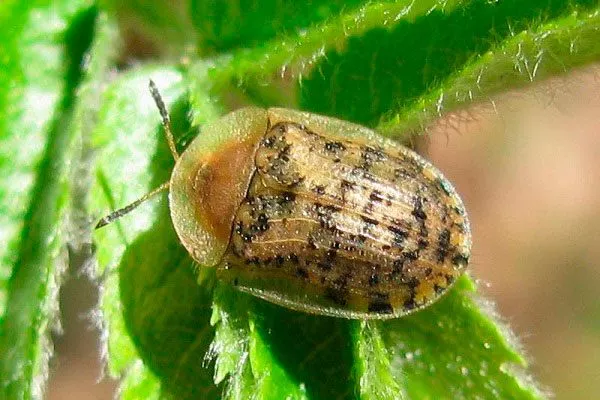
With proper care, Bona rarely suffers from aphids, flea beetles, and scale insects, but in hot and dry conditions, they can attack the tops. Insecticides such as Iskra, Aktara, and Fufanon-Nova will help eliminate the problem. Folk remedies such as garlic infusion, potato top decoction, or ammonia solution are also effective.
Advantages and disadvantages
To avoid various difficulties, it's important to carefully consider the variety's advantages and disadvantages. Bona has the following positive qualities:
Among the disadvantages, some gardeners note the importance of good lighting throughout the daylight hours and the sensitivity of the root system to high soil acidity.
Reviews
Bona beetroot is a storehouse of vitamins and nutrients that thrives even in moderate climates. Its excellent taste and versatility make it an excellent choice for both beginner and experienced gardeners. By following planting guidelines and proper agricultural practices, you can reap bountiful harvests.