
Bon-Bon beetroot is a hybrid variety that quickly gained popularity among gardeners due to its consistent yield, attractive appearance, and versatility. This crop boasts numerous advantages and positive qualities. It's important to understand the growing process and ensure proper care.
Introduction to the variety
Beetroot is widely used in culinary processing and canning. It has a rich composition, including vitamins (especially B and C), minerals (potassium, magnesium, iron), antioxidants, and fiber.
The vegetable improves digestion, maintains cardiovascular health, increases hemoglobin levels, and strengthens the immune system.
Description of appearance and taste
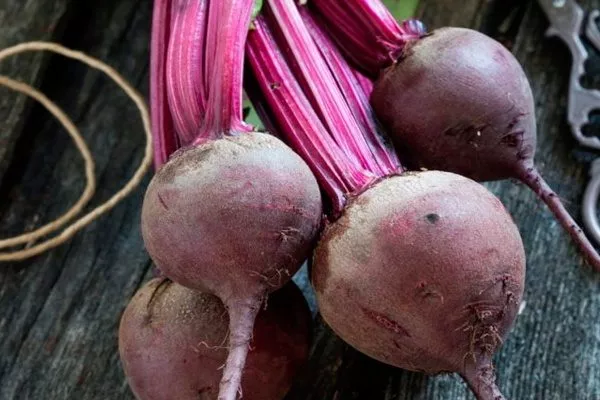
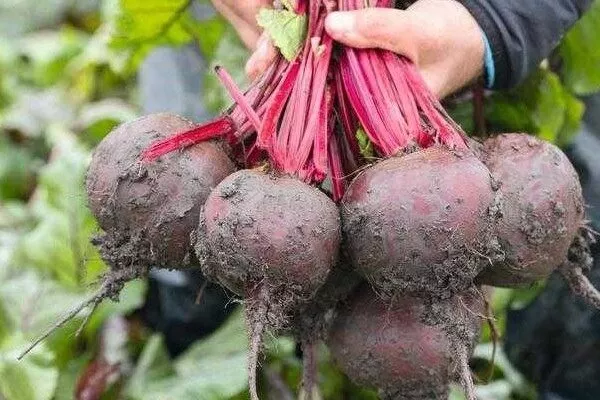
The tops grow up to 30 cm in height. The plant's leaves are narrow and green, with a strong, straight stem. The root is round and compact, weighing approximately 250 g. Its surface is smooth, without any irregularities or indentations.
The color ranges from light red to deep burgundy, the skin is thin. The roots are smooth, with juicy and tender dark red flesh.
Agrotechnical subtleties
For successful planting, it's important to choose and prepare the site correctly and follow these important guidelines. Follow these recommendations:
- The crop prefers sunny, well-lit areas. Shade or partial shade can slow vegetable growth and reduce yield.
- Fertile, light, and loose soil with a neutral or slightly alkaline reaction (pH 6-7) is preferred. Sandy loam or loamy soils are well suited.
- ✓ The soil pH level should be strictly within 6-7, measure it before planting.
- ✓ The soil should not only be loose, but also have good water-holding capacity to prevent drying out.
Next, follow these steps:
- In the fall, dig over the bed and add organic fertilizer (compost or humus). In the spring, loosen the soil and add mineral fertilizers (superphosphate, potassium salts).
- Plant when the soil warms to 10-12°C. In central Russia, this is usually late April or early May. Pre-soak the planting material for 1-2 days in warm water or a growth stimulant solution to speed germination.
- Sow seeds 2-3 cm deep in furrows spaced 25-30 cm apart.
- Moisten the soil with warm water and mulch to prevent the formation of a soil crust.
Caring for the crop involves several important steps that ensure healthy growth and a bountiful harvest. Follow these simple agricultural practices:
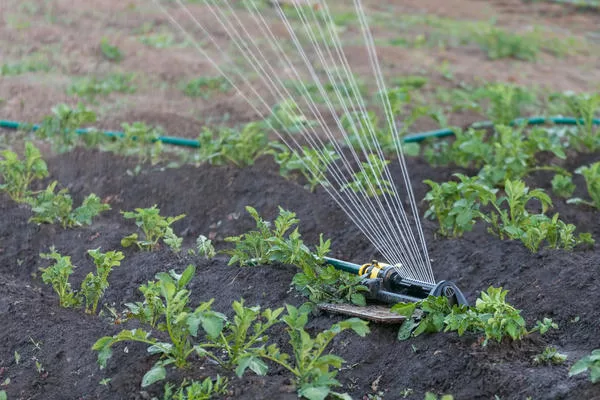
- Watering. Provide regular and even watering, especially during the early stages of growth and when vegetables are forming. Water the plants once a week, but increase the frequency during dry periods.
Avoid allowing the soil to dry out, as this can cause the roots to harden, and overwatering can cause them to crack. Use settled or rainwater and pour it under the roots. - Thinning. Repeat this process several times per season. When the plants develop 2-3 true leaves, leave about 5 cm between the seedlings. After 3-4 weeks, increase the distance to 10-12 cm. This will ensure the development of large, even-sized plants.
- Top dressing. Three to four weeks after germination, apply organic fertilizers, such as mullein infusion or compost. During active root growth, about a month after the first feeding, apply mineral fertilizers containing potassium and phosphorus.
Use nitrogen fertilizers sparingly, as too much reduces crop quality. Wood ash is effective for improving flavor and texture. - Loosening, mulching, weeding. Regularly loosen the soil around the tops to improve aeration and water access to the roots. Mulching with straw, hay, or compost helps retain moisture and prevent weed growth. Remove weeds by hand or with small tools, being careful not to damage the roots.
Beets are susceptible to various diseases and pests. To maintain plant health and ensure a high yield, it's important to identify problems early and take the necessary measures:
| Disease/Pest | Symptoms | Reasons | Treatment |
| Cercospora leaf spot | Light brown spots with a grayish coating appear. Over time, the leaves turn yellow and dry out. | High humidity and dense plantings. | Treatment with copper-based preparations (Bordeaux mixture, copper sulfate), fungicides (Fundazol, HOM). |
| Fomoz | Dark, dry spots appear on the root vegetables, and the core begins to rot. | Lack of boron in the soil. | Spraying with boron-containing substances (e.g., boric acid) during the growing season. Timely application of fertilizers containing microelements containing boron. |
| Downy mildew (peronosporosis) | The leaves become covered with a grey-purple coating and gradually dry out. | Wet and cool weather. | Use of fungicides (Ridomil Gold, Ordan), Bordeaux mixture. |
| Root eater | Young plants wither and die, roots darken and rot. | Waterlogged and cold soil. | Weeding and loosening the soil, normalizing the watering regime. Treating the area with fungicides Previkur or Fitosporin. |
| Beet aphid | Curling and deformation of leaves, slow growth. | Spraying with an infusion of tobacco, garlic, or onion peel. Using insecticides (Aktara, Fitoverm). | |
| Beet flea beetle | Small holes in the leaves, plants become weak and stop growing. | Loosening the space between rows, spraying with wormwood infusion or insecticides (Karbofos, Inta-Vir). | |
| Beetroot fly | The larvae gnaw passages, causing the leaves to dry out. | Using sticky traps, spraying with a solution of laundry soap or insecticide (Fufanon, Actellic). |
| Fertilizer type | Time of application | Efficiency |
|---|---|---|
| Organic | Autumn/Spring | Improves soil structure |
| Minerals | Spring/summer | Rapid absorption by plants |
Reviews
The Bon-Bon beetroot delights both lovers of fresh food and those who enjoy canning. Its ease of cultivation, disease resistance, and excellent flavor have earned it a well-deserved place among modern varieties. With proper cultivation practices, you can reap a bountiful harvest.