
Beet cultivation practices are among the simplest, but even impeccable adherence to them doesn't guarantee the absence of diseases and insect attacks. Knowing beet's enemies, recognizing and diagnosing them, can quickly prevent their spread and preserve the harvest.
The main diseases of beets
Beets are a hardy plant with a strong immune system, but under unfavorable conditions and poor agricultural practices, they can be attacked by bacteria, viruses, and fungi. Many diseases significantly reduce the quality of the crop and cause losses after storage.
Powdery mildew
This fungal disease appears in the second half of summer. It is one of the most common and dangerous diseases, affecting a wide variety of crops. The main causes of powdery mildew are high humidity and hot weather.
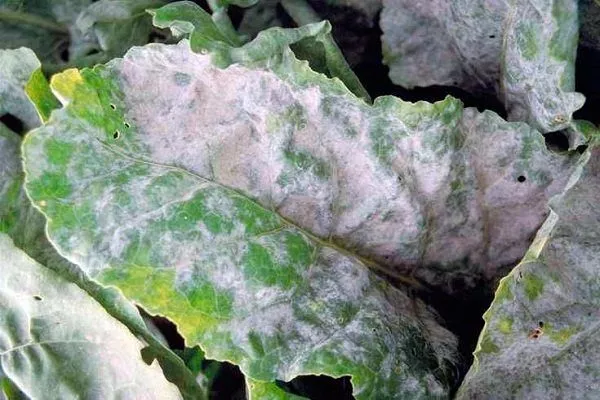
Symptoms:
- At the initial stage, the leaves are covered with small white spots.
- The spots then enlarge, gradually spreading across the entire leaf, and then along the stems and shoots. It appears as if the above-ground portion has been covered with lime.
- The cobwebby coating gradually becomes dense and powdery.
- The plant weakens and dies gradually.
Control measures:
- spraying with colloidal sulfur - 20 g per bucket of water;
- treatment with fungicides - Topaz, Quadris, Fundazol.
- ✓ The optimal temperature for processing with colloidal sulfur is no higher than +20°C, otherwise the effectiveness decreases.
- ✓ The interval between fungicide treatments should be at least 7-10 days to prevent fungal resistance.
Prevention is standard: adherence to agricultural practices, crop rotation, seed disinfection, removal of plant debris, and deep autumn digging.
Fomoz
A fungal disease that affects leaves and roots. It can be recognized by the condition of the leaves. If left untreated, the foliage dries up completely. The disease persists even after harvesting and appears after the roots are stored. It is caused by a boron deficiency.
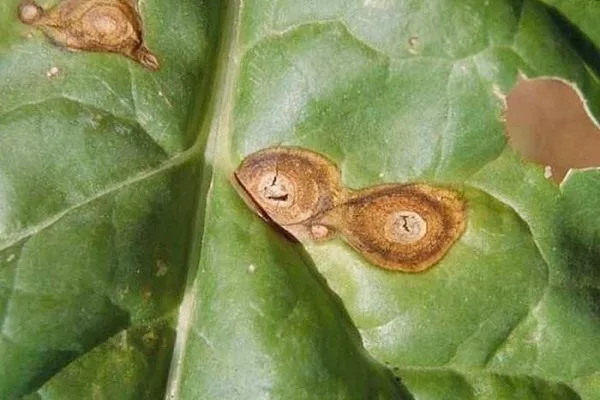
Symptoms:
- Large concentric spots, yellowish or brown, appear on the tops.
- Affected tissues become covered with small black spots, which later cover the beet seeds.
- A cut root reveals affected black tissue. These tissues contain voids covered with a white fungal coating. Later, other pathogens join the fungal growth, causing the coating to turn black, pink, and green. Such root crops should not be planted for seed—they die after planting.
The spotting has little effect on the root crop size, and the harvest is good. However, after harvest, the beets begin to spoil.
How to fight:
- removal and destruction of diseased specimens;
- spraying with Bordeaux mixture;
- treatment with Fundazol, Benazol, Title 390 and other special agents;
- Immediately after spraying, weed and thin the beds, and also apply a boron-containing fertilizer, for example, Ultramag Bor.
Specific preventive measures for phomosis include the application of boron preparations and storing only healthy root crops.
Cage rot
Beetroot disease, in which fungi and bacteria attack it during storage, is called lag rot. This condition results in the loss of a large portion of the harvest. Signs of the disease appear as early as early fall. Greenish mold initially appears on the beets, which darkens over time, and the roots rot completely.
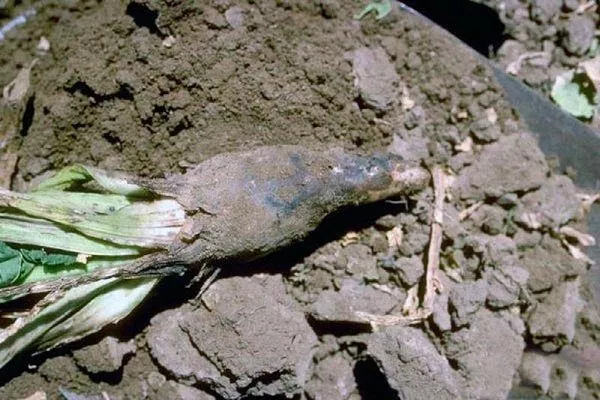
Causes of pathology:
- violation of agricultural technology;
- nutritional deficiency.
Control measures:
- timely application of fertilizers;
- cultivation of resistant varieties;
- selection of optimal cleaning times;
- storing root crops without delay;
- rejection of damaged or frozen root crops;
- Spraying root crops with slaked lime before placing them in the cellar.
- ✓ The storage temperature for root vegetables should be between +1°C and +3°C.
- ✓ The relative humidity in the storage area should not exceed 85%.
Rust
This fungal infection is called a single-crop disease because it exclusively affects beets. Rust kills all above-ground parts of the beet, reducing yield and sugar content in the roots. A deficiency of phosphorus and potassium can also cause the disease.
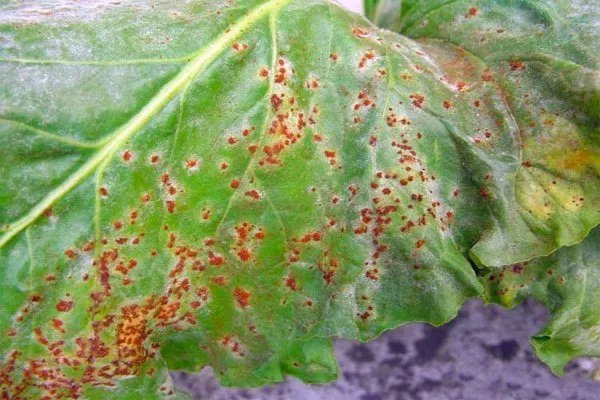
Symptoms:
- In spring, black spots appear on the undersides of the leaves. On the undersides, there are orange, pad-like spots.
- In summer, brown, dusty spots appear on the leaves. This is when beetroot beds begin to become heavily infested.
Control measures:
- Spraying with chemicals (Abacus or Alto super).
- Removal of diseased specimens and destruction of all sources of infection.
- Timely application of phosphorus-potassium fertilizers.
Common scab
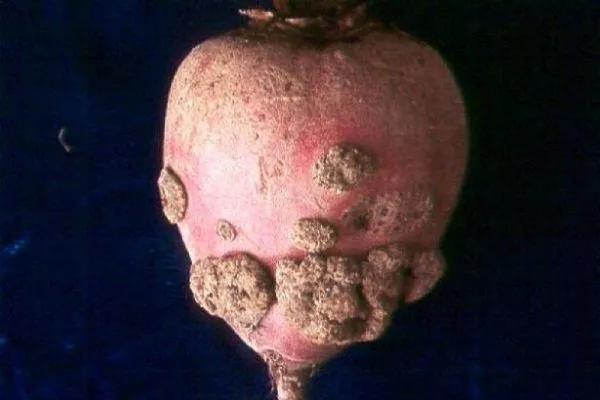
A fungal disease that attacks root crops. Scab typically occurs in beets grown in heavy, alkaline soils (pH 7-8). The fungus is unable to digest fiber, so it spreads only along the surface of the root crop, not into its core.
Causes of common scab:
- lack of rotted manure;
- soil liming.
Symptoms:
- Rough, scabby areas appear on the root vegetables, and a dark crust forms on them.
- In the area of the root crop neck there are ring-shaped interceptions.
- Plants slow down their growth.
Control measures:
- Treatment with fungicides (Chistotsvet, Diskor, etc.).
- Spraying with copper oxychloride and Kartacid.
Traditional preventative methods, such as spraying plantings with a solution of ash or soap, are ineffective against scab.
Rhizomania
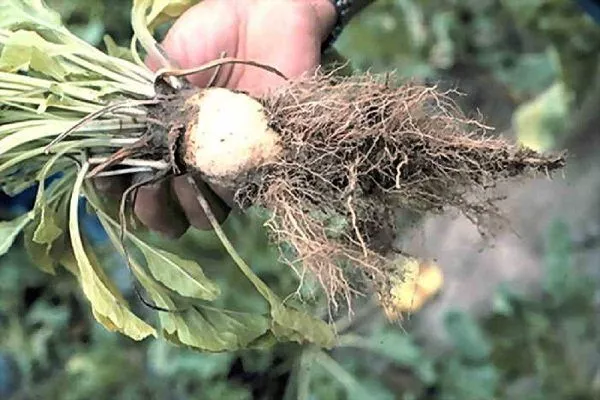
This viral disease causes necrotic yellowing of the veins. The virus is transmitted by single-celled parasites that are particularly active in hot and humid weather.
Symptoms:
- leaf blades lose elasticity and shine;
- growth slows;
- The fruits become smaller, their lower part shortens, and the inside of the root crop hardens.
Sometimes the disease goes away without symptoms, and its presence can be detected by low yields and the appearance of the fruits – they develop a “beard”.
Control measures:
- for spraying use Fundazol, Benazol or Rovral;
- Fertilizers containing boron are applied in a timely manner.
Jaundice
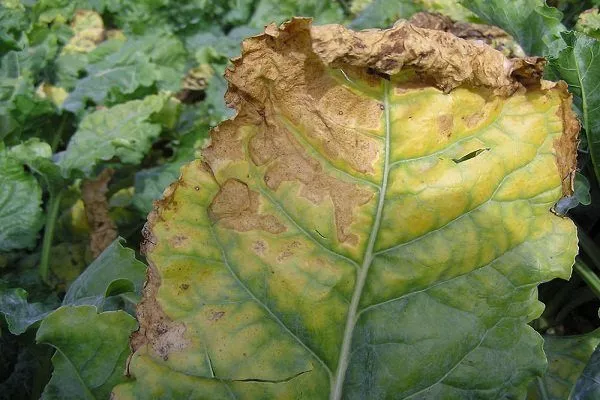
A viral disease that appears during the aphid infestation phase. It can reduce crop yields by 30-60%. Prevention is the best method of control.
Symptoms:
- yellowing of the lower and middle leaves, first the tops turn yellow, then the edges;
- young leaves remain green for a long time, but it is noticeable that the veins take on a necrotic appearance;
- Affected leaves are shorter than healthy ones, they lose their smoothness and become brittle.
Control measures:
- Control aphids with timely insecticide treatment. If aphids have just appeared, spray the edges of the plantings around the perimeter. If more than 5% of the plantings are infested, spray all the beds.
- Affected specimens are pulled out and burned.
- The plantings are treated with fungicides, for example, Phosphamide.
Downy mildew (peronosporosis)
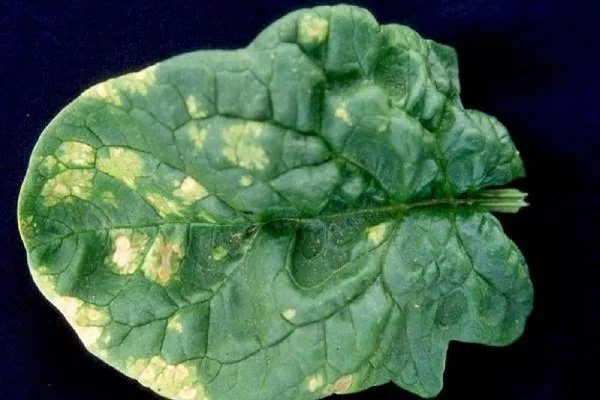
This fungal disease especially often affects beet beds in high humidity conditions. The fungus primarily attacks the beet tops. It appears in May and June, disappears when the weather gets hot, and returns again in the fall when the weather cools.
Reasons:
- infection from diseased plants, conidia are carried by the wind;
- lack of potassium and phosphorus.
Symptoms:
- a purple coating appears on the leaves, then yellow spots that quickly spread across the entire leaf blade;
- the leaves become deformed, thicken and quickly die off;
- On the back of the leaves there is a greyish-purple coating containing fungal spores.
Control measures:
- spray the plantings with Apron, Amistar, Acrobat - they are used both for treatment and for prevention;
- at the first symptoms – spray with 1% Bordeaux mixture;
- planting varieties resistant to downy mildew and selecting high-quality planting material.
Bacterial cancer
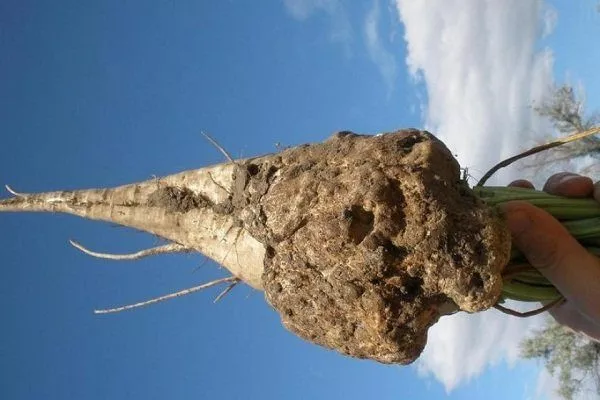
This uncommon disease is caused by pathogenic bacteria and can significantly reduce the quality of root vegetables.
Reasons:
- spread by insects that make passages in root crops;
- high humidity and temperature.
Symptoms:
- on the root collar there are smooth growths that can exceed the size of the root crop itself;
- There are tumors on the leaves.
Control measures:
- planting varieties resistant to bacterial canker;
- spraying with Fitoflavin, Fitoverm, Fitoplasmin.
Blackleg
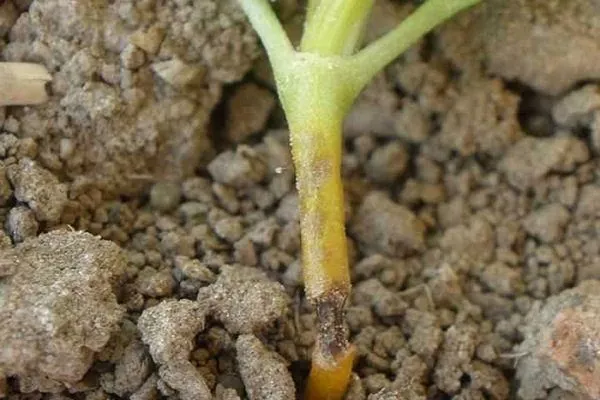
This disease affects many crops, especially at the seedling stage. It is caused by fungi and microorganisms living in the soil. Weak plants are usually affected.
Causes black leg:
- high humidity and waterlogging of the soil;
- shallow seed placement depth;
- heavy soils;
- poor pre-sowing cultivation of the site and insufficient application of fertilizers;
- use of contaminated material;
Symptoms:
- the roots of the seedlings rot and darken;
- affected seedlings die, gaps appear in their rows, and the remaining plants slow down their growth;
- wilting of leaves.
Control measures:
- at the initial stage – spraying with Fitosporin, Baktofit or another suitable fungicide;
- Also, dusting with ash helps at the beginning of the disease;
- watering seedlings with a soda solution (1 teaspoon of soda per glass of water);
- seed treatment in Epin solution.
Mosaic
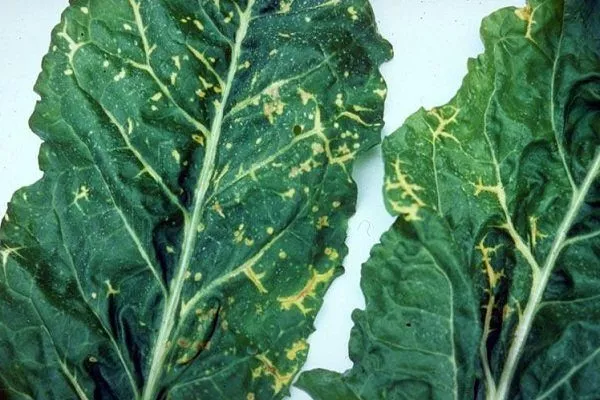
A viral disease that causes yield loss and deterioration in fruit flavor. The virus is transmitted by insects such as aphids, bugs, and cicadas. The disease affects not only beets but also cabbage, beans, and weeds.
Symptoms:
- a mosaic pattern appears on the leaves;
- leaf blades become deformed and wither over time;
- Root vegetables lose their sugar content.
Control measures:
- timely weeding;
- dividing plantings to obtain root crops and for seed material.
Currently, there are no effective methods to combat mosaic.
Gray mold
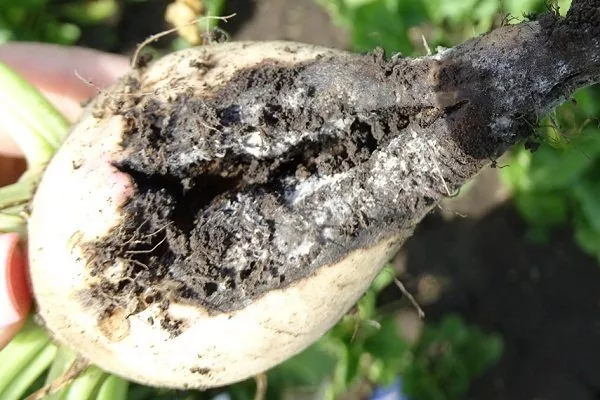
A fungal disease. It affects a wide variety of crops, including carrots, tomatoes, radishes, and cabbage. The disease is also known as botrytis. It develops both during the growing season and after beets are placed into storage. The development of gray mold in storage is triggered by elevated temperatures and humidity. There are no signs of the disease on the above-ground parts.
Symptoms:
- brown round spots on root crops;
- the affected areas become covered with grey-green mould;
- The root vegetables become soft and the tops become dull.
Control measures:
- spraying the soil with Gliocladin;
- clearing the area of plant debris.
Most often, gray mold affects frozen, dried out root crops or those that were harvested late.
Tail rot
Root rot begins at the end. The "tail" rots first, and then the disease spreads to the entire root. Tail rot is caused by various microorganisms and fungi.
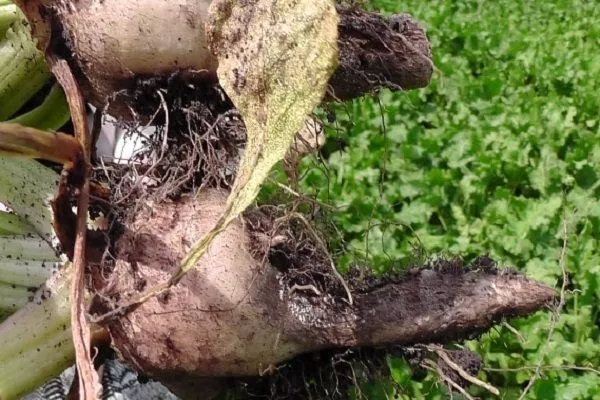
The following factors can trigger the disease:
- heavy soils;
- high humidity;
- crust formation on the soil;
- hot weather;
- excess nitrogen in the soil;
- mechanical damage to root crops during loosening and weeding;
- insect pests.
Symptoms:
- the leaves, first the lower ones and then the upper ones, become lighter, wither and die;
- the root crops rot and the plant dies.
Control measures:
- correct dosage of fertilizers;
- timely destruction of pests;
- careful sorting of root crops before storing.
Red rot
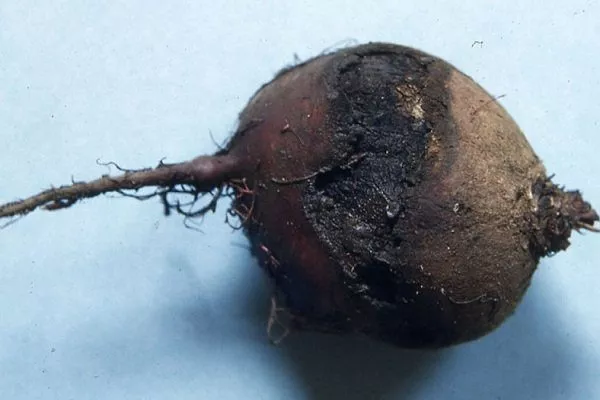
Other names for red rot include felt blight and rhizoctonia. This pathogen also poses a threat to carrots, rutabagas, radishes, and other root vegetables. The disease develops in high humidity and hot weather. These conditions typically occur in lowlands, marshy areas, and wet peatlands.
Symptoms:
- the surface of the root crop - the whole or individual areas - is covered with lead-gray spots, on which the mycelium of a reddish-purple hue is visible;
- small black sclerotia form on the root crops;
- the affected tissues become soft and the root crop rots;
- In case of severe infestation, the leaves wither during the growing season.
Control measures:
- treatment with a fungicide, for example, Gamair;
- use of selected seed material.
Folk remedies against red rot are powerless.
White rot
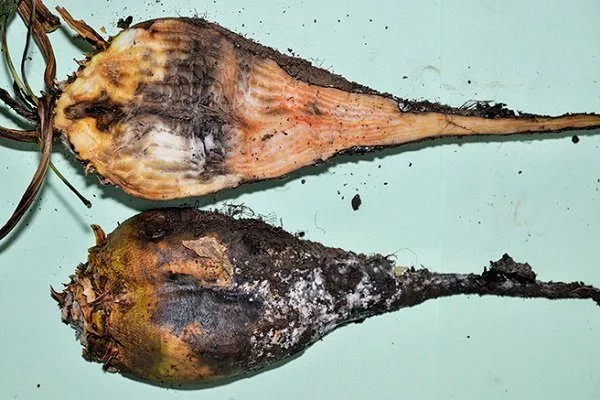
This disease, also known as sclerotinia, is caused by a fungus that often attacks beets, carrots, and other vegetables. The disease develops after storage and leads to crop losses.
Symptoms:
- the affected areas of the root crops become covered with a fluffy coating and soften;
- the affected areas harden, white and then black bumps appear on them, oozing fluid;
- the root vegetables become soft and rot completely.
Control measures:
- prevention – crop rotation, seed disinfection, site and storage disinfection;
- spraying with fungicides - Amur, Absolut, Alpha-Standard.
Fusarium rot
The disease progresses in early summer. The pathogen enters through the roots, primarily affecting weakened and damaged plants. Soil or plant debris can be the source of infection. The pathogen reproduces rapidly in hot weather.
Symptoms:
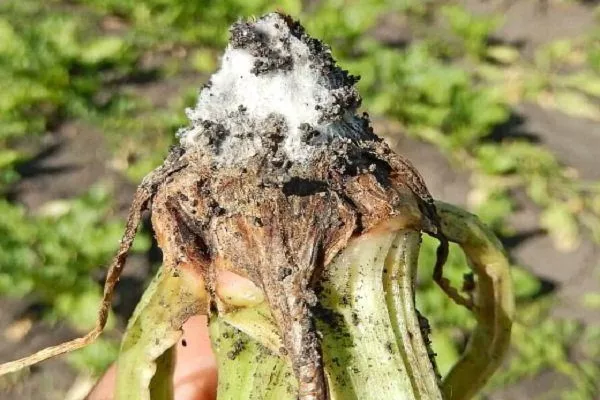
- the leaf petioles turn black, the tops wither over time;
- the roots slow down their growth and many lateral roots grow;
- when cutting the root crop, empty cavities filled with white-pink mycelium and fibrous areas are visible;
- The disease can spread to the surface of the root crop, causing it to turn brown and rot.
If the damage is severe, the plant dies early in its development. There is no effective treatment for fusarium wilt. The only way to protect beets from this type of rot is prevention.
Preventive measures:
- planting resistant varieties;
- You cannot plant beets in the same area more often than every 2-3 years;
- preventing mechanical damage to root crops.
Ramulariasis
Ramularia leaf spot is a fungal disease typical of the second half of the growing season. It sometimes occurs in spring on young beets. The fungus is seed-borne. Temperatures of 17°C are sufficient for its development.
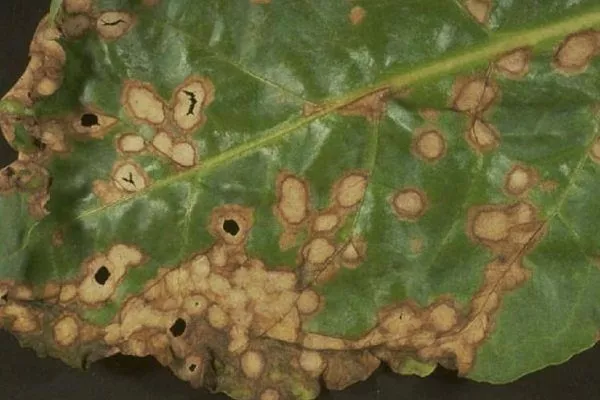
Symptoms:
- leaves are covered with light spots ranging in size from 4 to 15 mm;
- spots may have a brown border;
- The grey-green spots turn brown over time, becoming covered with a white spore-bearing coating.
Preventive measures:
- compliance with crop rotation;
- spraying with any fungicides used against beet diseases that affect leaves.
Ramularia leaf spot is similar in symptoms to cercospora leaf spot, but in the former case, the tissue inside the spots cracks and falls out.
Common beet pests
There are plenty of insects eager to feast on the succulent leaves and roots. Pests not only weaken the plants but also damage the harvest—damaged roots are unsuitable for storage, as they quickly rot due to infection.
Beet flea beetle
A small beetle, 1-2 mm long. It overwinters on fallen leaves and feeds on beet leaves in the spring. The insect also feeds on sorrel and weeds. Flea beetles can destroy the growing point of the plant, causing it to die. Flea beetle larvae feed on small roots, while the beetles feed on leaves.
Signs of damage:
- leaves curl and wither;
- the surface of the leaf blades becomes covered with dark spots;
- plant growth slows down.
How to fight:
- treatment with insecticides - Confidor or Calypso;
- proper soil preparation and early sowing.
Shield beetle
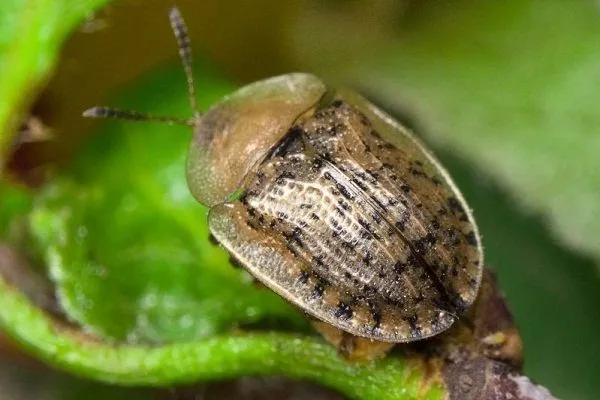
The beetles, 6-7 cm long, are highly prolific and voracious. Young beetles are green, while adults that have survived the winter are brown.
Signs of damage:
- larvae and adult insects eat the leaves;
- Insects chew holes in the leaves without touching the veins.
How to fight:
- weeding;
- treatment with biopreparations;
- in extreme cases – spraying with insecticides.
Root nematode
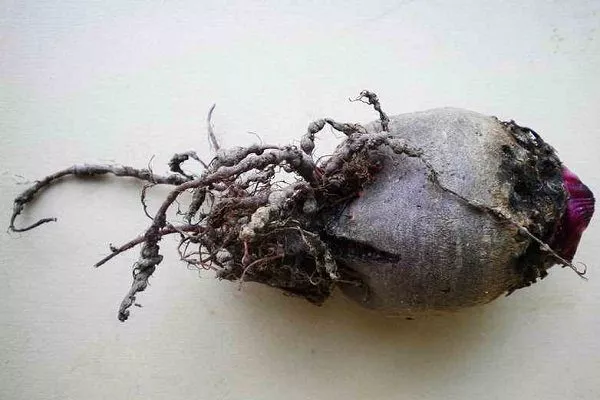
These tiny parasitic insects are virtually invisible to the naked eye. They are no more than 1.3 mm long. Root knot nematodes not only parasitize root crops but also transmit a variety of viral and bacterial infections. These pests are widespread and can significantly reduce crop yields. They are especially active during dry periods.
Signs of damage:
- Plant nutrition is disrupted and they cannot absorb water normally;
- the leaves wither, the plant weakens and gradually dies.
How to fight:
- seed treatment;
- planting marigolds between rows and along the perimeter;
- spraying with biological preparations - Basamil, Fitohit and others.
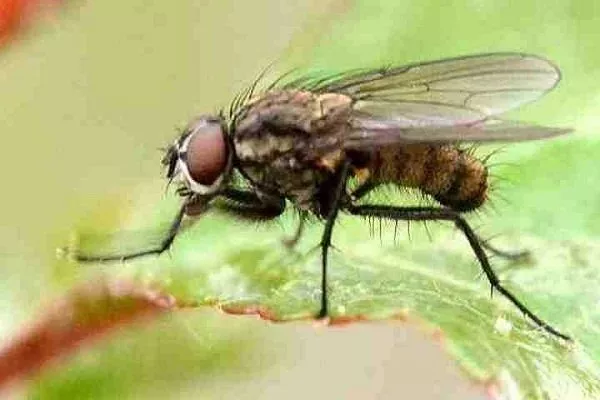
Beetroot fly
The beet fly attacks leaves in the spring. After laying eggs on the leaves, the fly causes the death of the beet plant—the larvae that soon hatch suck the plant's juices.
Signs of damage:
- the larvae, having penetrated the leaves, gnaw passages in them;
- bubble-like cavities are formed at the site of the passages;
- the leaves turn yellow and wither.
How to fight:
- regular spraying with insecticides Calypso or Maxi;
- timely removal of weeds;
- treatment with Karbofos.
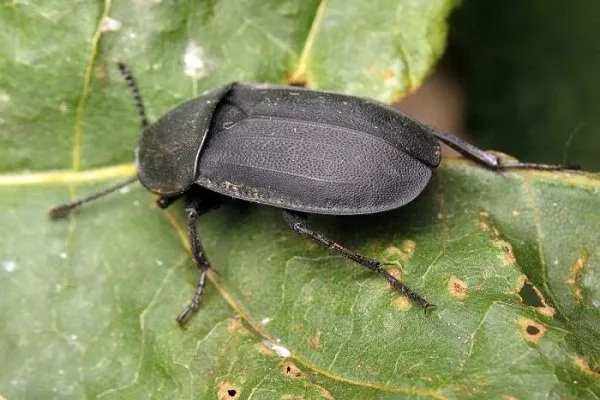
Smooth Carrion Beetle
The beetles reach 1 mm in length. They are black and have hairs on their bodies. They feed on young shoots and overwinter on weeds. The larvae are black and feed on leaves, eating them down to the veins.
How to fight:
- weeding;
- treatment with insecticides – Diazol, Ditox, Pirinex and others.
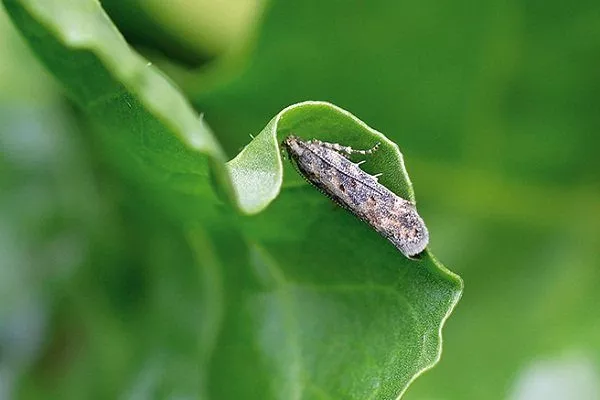
Leaf miner
The butterfly is 5 mm long. It hasGray wings with dark spots. Caterpillars are light green, up to 12 mm long. Butterflies emerge in April-May. They are nocturnal. They lay eggs on leaves and petioles.
Signs of damage:
- caterpillars eat young tops at the very beginning of the growing season;
- gnaw passages in the petioles;
- damage the upper parts of root crops.
After harvesting, the caterpillars remain in the petioles, where they live and develop. Rainy weather is favorable for them.
How to fight:
- promptly remove plant debris;
- Dig the soil deeply in the fall, 2 weeks after harvesting the beets - this will destroy the pupae that have prepared for winter in the soil.
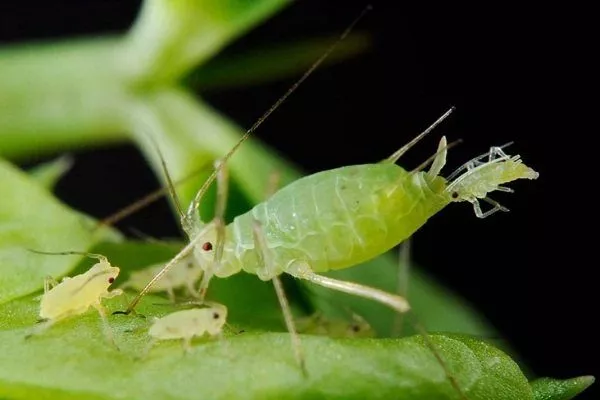
Aphid
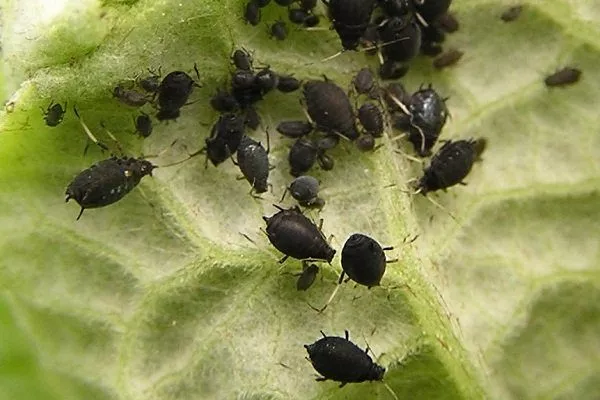
This small insect feeds on the sap of a wide variety of crops and wild plants. Adults reach 2 mm in length. Their bodies are black with a greenish tint. Winged individuals are shiny, while wingless individuals are matte. Ten to twelve generations develop over the summer. The insects emerge in April and settle on beet leaves.
Signs of damage:
- insects settle on the underside of leaves, causing them to curl;
- plants lag in growth and lose productivity;
- The pest attacks the seed crops, which reduces the quality of the seed material.
How to fight:
- spraying with a soap solution, tobacco infusion or ash;
- spraying with Karbofos;
- weed control;
- treatment with Iskra, Komandor and other insecticides.
To effectively combat aphids, it is necessary to combine chemicals with folk remedies.
Weevil
The beetles reach 1-1.5 cm in length. They have a shiny gray body covered with dark spots. The head is tubular. Males are smaller than females. Until the beets sprout, the beetles live on weeds. The beetles overwinter at a depth of 20 cm.
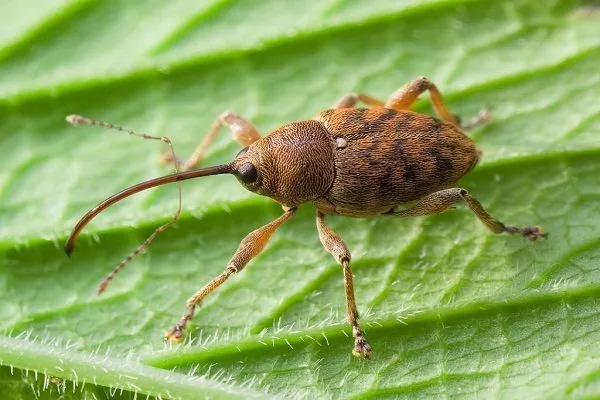
Signs of damage:
- the larvae eat the roots, gnaw and bite through them, and chew out holes in the root crops;
- Affected plants wither, and the roots become smaller and deformed.
How to fight:
- loosen the soil;
- dig the area deeply in the fall;
- seed treatment with insecticide and growth stimulant;
- digging around the perimeter of the beds followed by treatment with chemicals;
- in severe cases - spraying with Alatar, Pochin, Karate.
Weevils have natural enemies – birds, ants, and ground beetles.
General preventive measures
Preventative measures can prevent many diseases and the spread of insect pests. When a plant gets sick, it's difficult to avoid crop losses, but prevention can save 100% of root crops.
Preventive measures:
- Crop rotation. It is recommended to plant beets only in fields with favorable preceding crops. Beets grow best after grain crops.
- Preparing the soil. In the fall, the soil is dug up, removing plant debris and destroying insects.
- Planting in fertile and non-acidic soil. The acidity level is reduced by liming, adding ash or dolomite flour.
- Seed disinfection. The seeds are kept in a solution of manganese or other antiseptics.
- Meeting deadlines. Failure to plant at the right time can lead to the development of many diseases. It's especially dangerous to rush into planting seeds in poorly warmed soil.
The causes of some beetroot diseases, as well as treatment methods, can be found in the following video:
Early detection of diseases and pests increases the chances of successful control. Taking preventative measures can prevent most problems and maximize yields.