
The Zhuchka turnip is a popular crop among gardeners in our country. This is due to its early maturity, low maintenance, and excellent taste. This variety is noteworthy for its ability to produce a stable harvest quickly and delights with juicy, tender flesh and a pleasantly sweet flavor. It's important to learn the proper cultivation and care procedures.
Introduction to the variety
Developed by V. G. Kachainik, A. V. Kandoba and N. V. Nastenko from Agrofirm Aelita LLC and included in the State Register in 2010. Turnip is rich in vitamins C, B1, B2, B6, PP and minerals (potassium, calcium, magnesium, phosphorus and iron).
- ✓ Resistance to short-term frosts down to -4°C.
- ✓ High growth rate in long daylight conditions.
Contains fiber, antioxidants, and glucosinolates, which help strengthen the immune system, improve digestion, and lower cholesterol. Its low calorie content and high fiber content make it beneficial for maintaining a healthy weight.
Description of appearance and taste
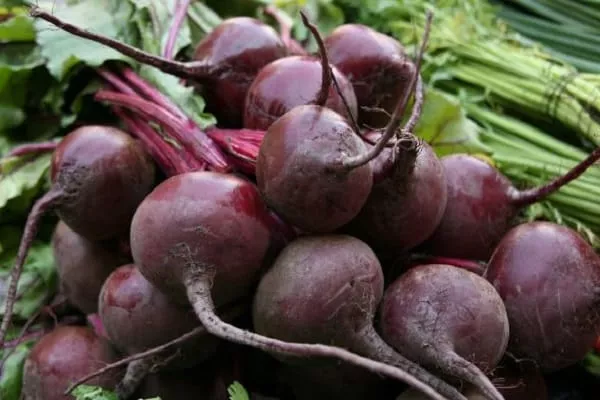
The rosette of leaves is semi-erect, reaching 33-39 cm in height. The leaves are green, with moderately curved tips and moderately wavy margins. The roots are rounded, weighing between 120 and 140 g.
Planting and care
To grow turnips, choose well-drained areas with light, fertile soil rich in organic matter. Ideal precursor crops include legumes, potatoes, cucumbers, and tomatoes.
- ✓ Soil pH should be between 6.0-7.5 for optimal growth.
- ✓ The soil must be well-drained to avoid water stagnation and root rot.
Follow these recommendations:
- Start preparing the soil in the fall: dig it up and add organic fertilizers – compost or rotted manure.
- Sow seeds twice per season: in spring, in April-May, and in summer, in July, to harvest the autumn crop.
- Place the planting material in furrows at a depth of 1-1.5 cm with row spacing of 20-25 cm. After emergence, when the plants have 2-3 true leaves, thin them out, leaving a gap of 6-8 cm.
For successful growth and high yields, proper agricultural practices are essential. Follow standard care procedures:
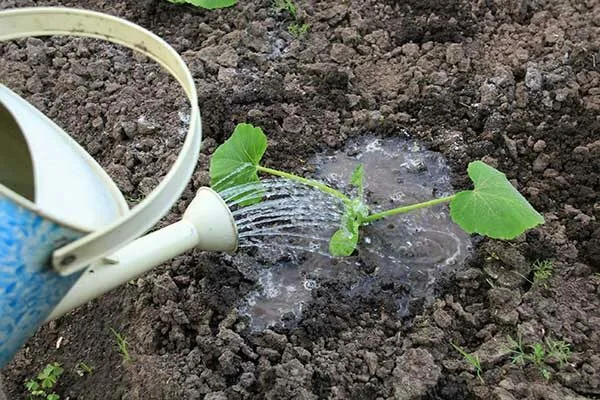
- Provide moderate but regular watering. Maintain soil moisture, especially during root formation, to prevent root growth and bitterness.
- To improve root aeration and reduce weed competition, loosen the soil and remove weeds.
- During the growing season, feed the Zhuchka with complex mineral fertilizers containing potassium and phosphorus. Apply these fertilizers 2-3 weeks after sowing and midway through the growing season.
Turnips can be susceptible to diseases and pests if not properly cared for. It's important to begin treatment promptly:
- Cruciferous flea beetle. Tiny black or green insects chew through leaves, creating numerous tiny holes. This weakens the plant and can lead to death. Dust the plantings with wood ash or tobacco dust. For severe infestations, use insecticides such as Aktara or Iskra.
- Cabbage fly. Fly larvae damage the roots, causing the plant to wilt and die. This manifests itself as wilted, yellowed leaves. As a preventative measure, treat the area with Zemlin before planting. At the first sign of infestation, water with a solution of Fitoverm or Intavir.
- Powdery mildew. A white, powdery coating appears on the leaves, which eventually turns gray and thick. Affected leaves dry out and fall off. Remove infected plants and spray with Topaz or Fundazol fungicides.
- Kila. Roots become deformed, growths and thickenings appear on them, leading to stunted growth and wilting. Remove and destroy diseased bushes. To prevent this, practice crop rotation and lime the soil before planting.
- BlacklegThe shoots at the base darken, become soft, and rot, leading to death. Before planting the seeds, apply Fitosporin or Previkur to the soil. Regularly loosen the soil to prevent water stagnation.
These measures will help effectively protect turnips from major pests and diseases, maintaining good productivity and quality of root crops.
Reviews
The Zhuchka turnip is an excellent choice for both beginner and experienced vegetable growers. It will appeal to those who value ease of care, high productivity, and excellent flavor. By following the growing recommendations and subsequent care, you can grow plants with strong immune systems that will reward you generously with high-quality root vegetables.