
The Vnuchka turnip combines excellent taste, good productivity, and ease of care. Juicy, tender roots with a unique flavor can be used as a base for a variety of dishes or as a wonderful addition to any meal. With simple farming practices, you can reap bountiful harvests.
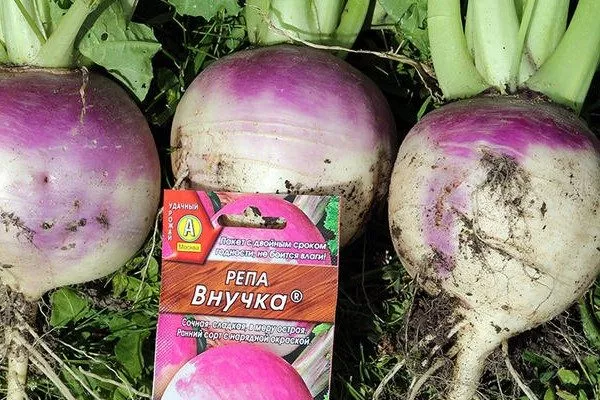
Introduction to the variety
Vnuchka is the best choice for lovers of fresh vegetables and healthy eating. This plant is easy to grow, but the key is to follow the recommendations of experienced gardeners.
Variety Developed by V. G. Kachainik, A. V. Kandoba, and N. V. Nastenko from Agrofirm Aelita LLC. The application for approval was submitted in 2009, and it was included in the State Register in 2010.
Characterized by a pleasant taste and beneficial properties, turnips are an excellent ingredient for a variety of dishes. Composition and beneficial properties:
- Rich in vitamins B, A, C, which strengthen the immune system.
- Contains minerals (calcium, magnesium, potassium and phosphorus) that are beneficial for bones and heart.
- A low-calorie product that helps maintain normal weight.
- Contains antioxidants that help fight inflammation and improve skin condition.
Description of appearance and taste
The rosette of leaves is semi-erect, 27-35 cm tall. The leaves are dark green with a moderately curved tip and moderately wavy margins. The roots weigh between 150 and 300 g, are obovate in shape, and have a smooth, bluish-purple surface.
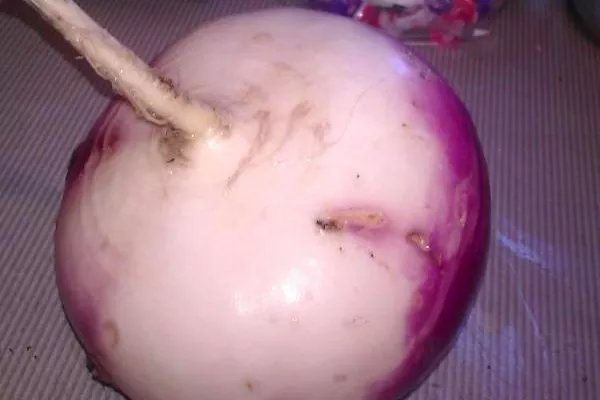
The skin beneath the soil is purple. The flesh is juicy, tender, and firm, white. The flavor combines a harmonious sweetness with a slight spiciness.
Planting and care
For successful cultivation, it's important to adhere to certain rules. Follow these recommendations:
- Choose sunny, well-lit locations with fertile, loose soil. Turnips prefer loamy or sandy loam soils with a neutral pH.
- In the fall, dig the area to the depth of a shovel blade, adding organic fertilizer (humus or compost) and mineral supplements (superphosphate and potassium salts). In the spring, loosen and level the soil again.
- Sowing can be done from April to July, when the soil warms to 8-10°C. Place the seedlings in furrows 1-2 cm deep, with a distance of 20-25 cm between rows. Gently compact the soil and moisten it.
To ensure a good harvest, ensure proper care. This includes standard agricultural practices:
- Watering. Watering should be regular, especially in dry weather. Water the plants 1-2 times a week, generously but without stagnant water, avoiding over-watering or over-watering.
- Loosening and weeding. Loosen the soil after every watering or rain to improve oxygen access to the roots and prevent crust formation. Regularly remove weeds to prevent competition for nutrients.
- Top dressing. Two weeks after the sprouts appear, apply a complex mineral fertilizer (e.g., nitrogen). Subsequently, carry out a second treatment using phosphorus-potassium compounds to strengthen the roots and improving their taste.
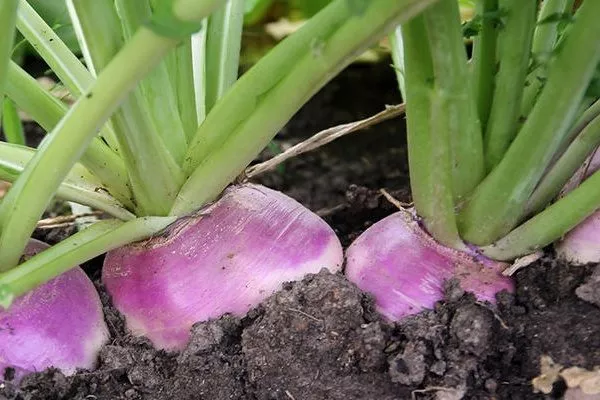
The crop may be susceptible to attack by flea beetles and cabbage flies. To prevent these, dust the plantings with ash or tobacco dust. If necessary, treat with insecticides.
Reviews
The Vnuchka turnip is a popular variety thanks to its low maintenance and excellent taste. It boasts good yields and excellent nutritional properties. With timely and proper care, it exhibits strong immunity and resistance to temperature fluctuations. A little attention and care is all that's needed.