
Radishes are harvested in summer or fall, depending on the planting and ripening times of the varieties. After harvesting, care must be taken to store the radishes to ensure they retain their nutritional value longer. This article will cover this, as well as the signs of ripeness and proper harvest sorting.
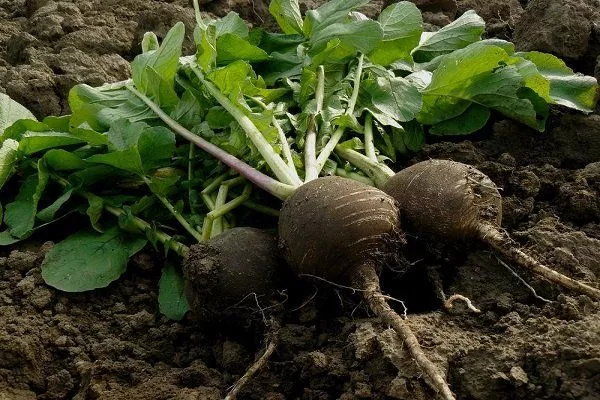
Optimal timing for harvesting radishes for storage
Particular attention is paid to the timing of planting and ripening of root crops. Specific considerations for each period are outlined below.
| Name | Ripening period | Cold resistance | Recommended growing region |
|---|---|---|---|
| Summer harvest | 30-40 days | Low | Middle zone |
| Autumn and winter varieties | Until mid-September | High | Urals, Siberia |
- ✓ Disease resistance during long-term storage.
- ✓ The thickness of the peel, which affects shelf life.
Summer harvest
Fast-ripening varieties are typically used, planted in mid-spring. They require about 30-40 days for the first fruits to form, and harvesting can begin by the end of May. In a greenhouse, radishes ripen 1-2 weeks earlier.
Harvesting autumn and winter varieties
During the summer, root vegetables ripen more slowly due to longer daylight hours, so planting should be done no earlier than mid-July to allow the harvest to mature by fall. Mid-season radishes are typically chosen, harvesting them around mid- to late September.
"Winter" varieties are those that can be stored throughout the entire cold season. Late-season varieties are preferred. Harvesting should be completed before the first frost.
When to dig up radishes in different regions?
| Name | Cleaning period | Frost resistance | Recommended region |
|---|---|---|---|
| Moscow region (middle belt) | Until November | Average | Middle zone |
| Ural | Until the beginning of October | High | Ural |
| Siberia | Until mid-autumn | Very high | Siberia |
Depending on climatic conditions, the following harvesting periods for the late crop are distinguished:
- Moscow region (middle belt). If the weather is good, you can grow root vegetables until November.
- Ural. The deadline is the beginning of October.
- Siberia. Due to the cold weather, it is better to start harvesting in September; under favorable conditions, it is possible to wait until mid-autumn.
Signs of root crop ripening
What to look out for:
- Fruit. A fully developed radish has a thick skin. The roots can vary in size depending on the variety, but are usually quite large.
- Tops. A little dry, yellowish.
To make sure the harvest is ripe, you need to dig up 2-3 vegetables and taste them.
How to harvest radishes correctly?
The fruits should be harvested only in dry, sunny weather. It's best to water them generously in the evening before harvesting to soften the soil slightly.
The instructions are as follows:
- take a pitchfork or a shovel;
- dig up the soil around the vegetable;
- carefully pull the tops, being careful not to damage them;
- remove any stuck soil;
- leave about 2 cm of leaves and roots, cut off the rest;
- Place the fruits under a canopy to allow them to dry.
Sorting
Only root vegetables that do not have visible defects are suitable for long-term storage:
- Size. Leave only the medium-sized fruits, as they have reached their optimum ripening period.
- Skin. There should be no scratches, cracks or dents on it.
- Pulp. Remove wormy and rotten vegetables.
You can remove any spoiled parts of the fruit and use them for immediate consumption or short-term storage in the refrigerator. Before doing so, soak the fruit pieces in cold water to preserve their nutritional value. Radishes can be stored in this manner for up to 2 days.
Storage conditions
There are several recommendations that will help preserve the freshness and benefits of radishes for a longer period.
What should be ensured:
- Mode. The air temperature should not drop below 0 if the radish is stored indoors. The humidity level should be 85%.
- Neighborhood. Don't leave the harvest with garden fruits, as this will ruin their flavor. It's better to place the vegetables next to carrots or potatoes.
- Regular checks. The fruits should be inspected every 2-3 weeks. If any damage appears, the damaged ones should be consumed as quickly as possible.
- ✓ No direct sunlight to prevent germination.
- ✓ Minimal number of transfers to reduce the risk of damage.
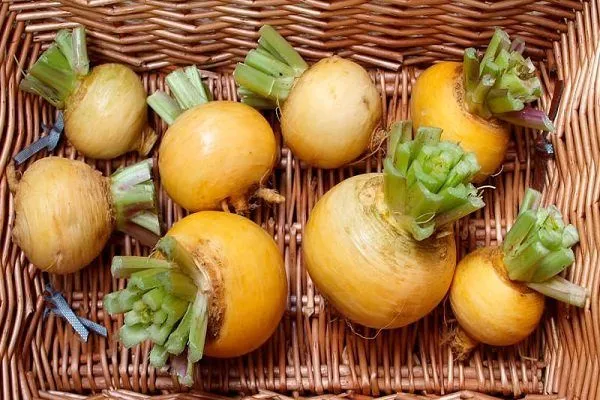
Storage methods
There are three possible locations for harvesting radishes. The advantages of each are described below.
Cellar and basement
Before placing vegetables here, you need to do some preparatory work:
- Seal the holes. This applies to the ventilation system, windows, and cracks. Rodents can enter the premises through these.
- Disinfection. It is required when fungi and other harmful microorganisms are detected.
- Ventilation. You should also make sure the room is dry.
- Examination. Ensure that temperature and humidity levels are within normal limits. If the area is excessively dry, place buckets of water in the corners.
The following are used for storage:
- Wooden boxes. A layer of dry sand is laid on the bottom, which is also used to fill the spaces between the vegetables.
- Polyethylene. Small holes are made in the bags for ventilation and wet sand is poured into them.
Balcony
An excellent option for those who do not have the opportunity to store vegetables in the basement.
Conditions:
- Design. Only a loggia is suitable, where it is warm and dry all year round.
- Temperature control. If it's too cold outside, wrap the radish box in a blanket. Protect the harvest from the bright sun with a layer of foil. A thermometer placed between the vegetables will help maintain the correct temperature.
Refrigerator and freezer
You can leave radishes in the vegetable drawer for up to 1 month, but at the same time they will always be on hand and you won’t have to go far for them or spend a long time defrosting them.
What are the rules:
- wash the fruits;
- dry with a towel;
- place in clean plastic bags with small holes;
- do not tie the bags;
- Place on the bottom shelf or in the vegetable drawer (in the latter, packaging is not necessary).
It is forbidden to peel the fruits, otherwise they will quickly darken and lose their structure.
You can't store whole radishes in the freezer because they take up too much space. However, you can grate them to add to dishes or make syrups in the winter. However, the nutritional value of such vegetables is somewhat lower.
For freezer storage, radishes are packaged in single-use bags, as refreezing can cause them to spoil and permanently lose their flavor. It's best to set the temperature no higher than -15°C (-15°F). Under these conditions, the radishes can be stored for up to one year.
Radishes should be harvested no later than November. The berries are cleaned, dried, and sorted before being stored in a basement, balcony, or refrigerator. Under good conditions, the vegetables can retain their flavor and nutritional value for up to nine months.