
The Milanese Pink turnip is one of the most vibrant and popular varieties, prized not only for its taste but also for its attractive appearance. It is easily recognizable thanks to its color, which sets it apart from other varieties. It is renowned for its ease of care, disease resistance, and good productivity. Timely and proper care are key.
Introduction to the variety
Milanese pink is an excellent choice for vegetable lovers. It's sweet, easy to grow, and has a strong immune system, making it ideal for the garden. It's rich in nutrients, including vitamins A, B, C, E, and K, as well as minerals such as potassium, calcium, magnesium, phosphorus, and iron.
Beneficial properties:
- Thanks to its high vitamin C content, it helps strengthen the body's defenses and fight infections.
- Fiber helps normalize bowel function, improving peristalsis and preventing constipation.
- It helps cleanse blood vessels, which has a positive effect on the cardiovascular system and reduces the risk of atherosclerosis.
- Calcium and phosphorus strengthen bone tissue, preventing diseases such as osteoporosis.
- Vitamin A improves skin and eye health, and antioxidants slow down the aging process of cells.
Description of appearance
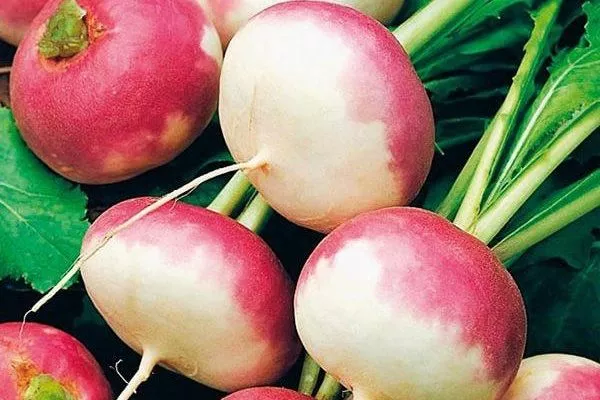
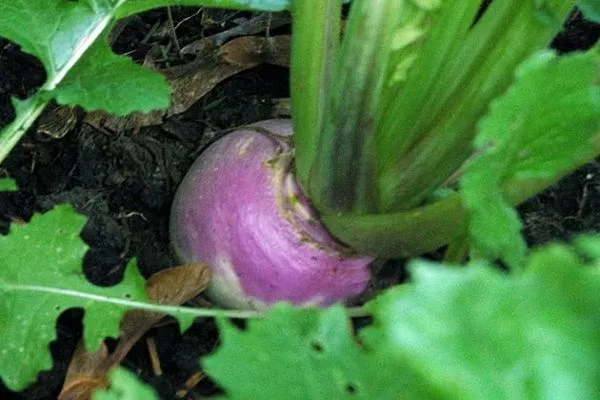
The root vegetable is round and smooth. Its main characteristic is its pink color, which distinguishes the Milanese turnip from other varieties. The weight of a single vegetable ranges from 60 to 150 grams.
Landing
This project doesn't require much effort and is suitable for both experienced and novice gardeners. To ensure a good harvest, it's important to follow a few simple rules:
- Choose areas with light, fertile soils with neutral acidity (pH 6-7).
- Prepare the bed in advance by digging the soil to a depth of 20-25 cm and removing weeds. In the fall, add organic fertilizers, such as humus or compost, to enrich the soil with nutrients.
- Plant the seeds directly into the open ground when the soil warms to 6-8°C. Sow in two stages: in April-May for the summer harvest and in July-August for the fall harvest.
- ✓ The soil pH level should be strictly within 6-7, measure it before planting using a pH meter.
- ✓ The soil should be well drained, avoid areas with stagnant water.
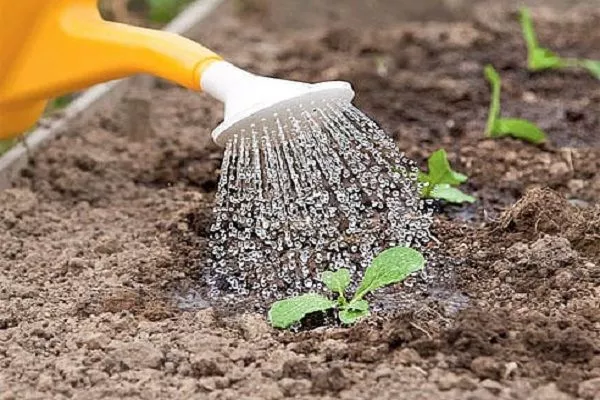
Make furrows 1-1.5 cm deep with a distance of 20-25 cm between rows. Place the seedlings in the beds, keeping a distance of 5-7 cm. Cover with soil and water carefully, being careful not to wash away the soil.
Care instructions
Provide your crop with comprehensive care to ensure a bountiful harvest. Follow standard agricultural practices:
- Watering. Turnips are very sensitive to moisture, especially in the early stages of growth. Water regularly, maintaining moderate soil moisture. Do this in the morning or evening, avoiding watering the leaves. Be careful: too little water will cause the roots to become coarse, while too much can cause rot.
- Top dressing. Use complex mineral fertilizers, such as superphosphate and potassium salts, once a season. Organic fertilizers (wood ash or compost) improve the flavor and juiciness of root vegetables. To avoid encouraging leafy growth at the expense of root vegetables, avoid overdoing nitrogen.
- Thinning. This is a necessary step in crop care – it helps prevent overcrowding and provides the vegetables with sufficient space to develop. Perform the first step when the seedlings reach a height of 5 cm, leaving 5-7 cm between plants. For the second step, increase the spacing to 10-15 cm.
- Mulching. Helps retain moisture, prevents weed growth, and protects root crops from overheating. Use straw, hay, or compost as mulch. This improves the microclimate in the root zone and reduces the frequency of watering.
- Loosening. Improves oxygen access to the roots and promotes better moisture absorption. Apply after watering or rain to prevent crusting on the soil surface.
- Weeding. Helps eliminate weeds that compete with turnips for nutrients and water.
Turnips can be affected by various diseases and pests. The most common ones are:
- Kila. It manifests itself as thickenings and growths on the roots. Treat the soil with lime or wood ash before planting.
- Powdery mildew. White powdery spots appear on the leaves. Treat with fungicides such as Topaz or Skor.
- Bacteriosis. Caused by a bacterial infection, it manifests as rot and spots on the leaves. Treat with copper-containing products such as HOM or Bordeaux mixture.
- Blackleg. This fungal disease causes blackening and rot at the base of the stem. To combat the disease, use Previkur or Fundazol, maintain a regular watering schedule, and remove affected plants.
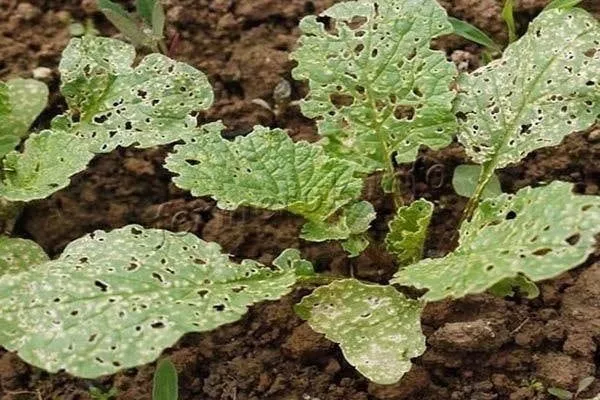
- Cruciferous flea beetle. This small but very voracious beetle damages leaves by eating tiny holes, weakening the plant. It is especially dangerous in dry and hot weather.
Use insecticides such as Intavir, Aktara, or Karate. Garlic infusion or tobacco dust are also effective. - Cabbage fly. Pest larvae damage roots, causing wilting and death. Signs of damage include wilting leaves, even with adequate moisture. Treat with Bazudin or Diazinon. Preventative soil treatment before planting reduces the risk of damage.
- Aphid. Small insects suck the sap from leaves and stems, causing deformation and stunted growth. They often carry viral infections, making them very dangerous. Treat with Fitoverm or Actellic. Soapy solutions with wood ash will also help.
- Rapeseed blossom weevil. The beetle eats buds and young leaves, damaging not only turnips but also other cruciferous crops. Spray with insecticides such as Karate Zeon or BI-58. Traps and mechanical removal of adult beetles are also effective.
| Pest | Method of struggle | Period of activity |
|---|---|---|
| Cruciferous flea beetle | Treatment with insecticides or garlic infusion | Dry and hot weather |
| Cabbage fly | Use of Bazudin or Diazinon | Spring and early summer |
Harvest before frost sets in to ensure the fruit retains its sweetness and juiciness.
Reviews
The Milanese Pink turnip is a true treasure trove of nutrients and easily grows in any garden. Its delicate flavor, crisp flesh, and appetizing pink hue make this variety a favorite among gardeners seeking a high-quality, low-maintenance harvest. Its ease of care and disease resistance make it a popular choice even for beginners.