
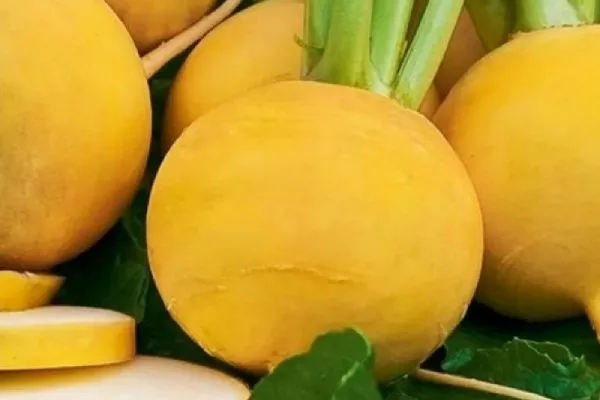
Turnip Moon – a variety that has gained popularity Thanks to its excellent taste and beautiful appearance, it's characterized not only by its sweet and tender flesh but also by its excellent shelf life, allowing you to enjoy the vegetables even in winter. This crop requires attention and adherence to certain agronomic recommendations to achieve the best results.
Introduction to the variety
The variety was developed in Russia by breeders N. N. Klimenko and S. V. Maksimov from Agrofirm Poisk LLC. It was registered in 2004 and included in the State Register in 2006.

The crop has numerous beneficial properties due to its rich composition, which includes vitamins, minerals, and other valuable components. Beneficial properties:
- The root vegetable contains vitamins C, B1, B2, B6, PP, provitamin A (carotene), which help maintain immunity, improve skin condition and normalize metabolism.
- The mineral composition includes potassium, calcium, magnesium, phosphorus and iron, which are important for bone health, the cardiovascular system and normal muscle function.
- The high percentage of fiber helps improve digestion and cleanse the body of toxins.
- Phytoncides have antiseptic and anti-inflammatory properties.
Luna is low in calories, making it an excellent choice for a diet. Thanks to the presence of glucoraphanin (a rare component also found in broccoli), turnips help prevent cancer and maintain normal blood sugar levels.
This mid-season variety is recommended for fresh consumption in autumn and winter. It takes 65-72 days from germination to technical maturity. This variety is characterized by high yields, reaching up to 2.3 kg per square meter.
Description of appearance and taste
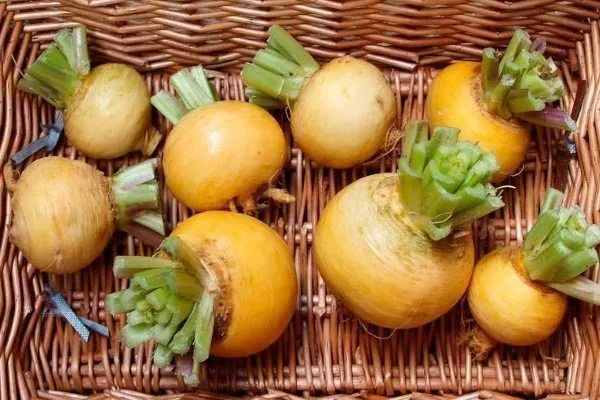
The rosette is semi-erect, with green leaves and slightly curved tips. The edges are slightly wavy. The roots are round and yellow, weighing between 130 and 240 g.
Landing
To successfully grow the crop, it's important to consider a number of factors and follow care recommendations. These measures will help ensure a good harvest and maintain the quality of the fruit.
Preparing the soil for growing turnips Luna and choosing a location
Choosing the right site is important. Choose sunny, wind-protected locations where plants will receive adequate light and warmth.
- ✓ The optimal soil pH should be in the range of 6.0-7.0. If the pH is below 5.5, lime must be applied.
- ✓ The soil must contain at least 3% organic matter to ensure the required level of fertility.
Follow these recommendations:
- First, prepare the soil by thoroughly clearing it of weeds and plant debris, then loosen it deeply.
- The crop grows best in loose and fertile soil, so before sowing, apply complex fertilizers with nitrogen, phosphorus and potassium to provide the plants with the necessary nutrients.
- The variety does not tolerate acidic soil, so if the soil is low, apply lime.
- To ensure good drainage, if there is excess moisture, add sand or other materials to the soil to improve water permeability.
- Treat the area with antifungal medications to prevent infections.
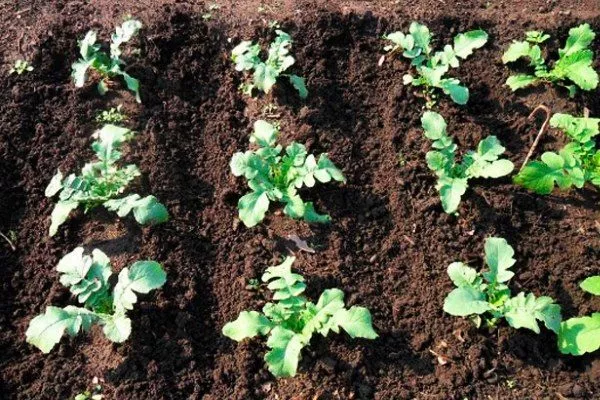
Following these recommendations will create optimal conditions for the growth of the Luna turnip and allow you to get a bountiful harvest.
Sowing
The crop is grown both from seeds and from seedlings. Plant them directly in open ground or in pots for later transplanting to garden beds. Grow seedlings in boxes or containers with a nutrient-rich mix.
Care instructions
To get juicy, large root vegetables from your garden, it's important to provide proper care. Follow simple agricultural practices.
Watering
Ensure plants have adequate moisture, as insufficient moisture can cause vegetables to become bitter, tough, or crack, reducing their marketability. To avoid these problems, follow this schedule:
- Do not allow the soil to dry out by watering the plantings 1-2 times a week, using 5-6 liters of water per 1 sq. m.
- During the period of emergence, formation of true leaves and active growth of root crops, increase the volume to 8-10 liters per 1 sq. m.
- Carry out the procedure in the morning or evening: water young shoots using a watering can with a fine sieve for even distribution of water, and larger specimens using a hose with a regular sprayer.
- Use only warm water that has been left in the sun.
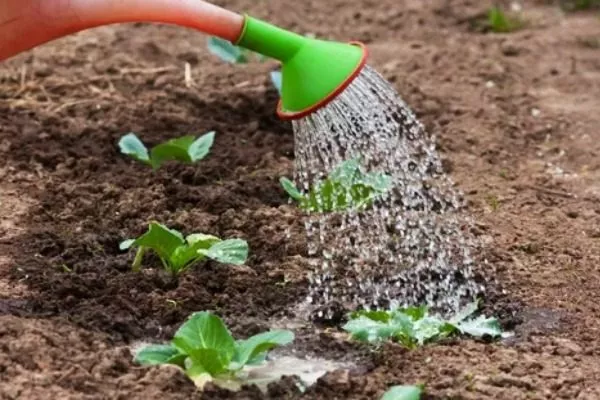
Reduce watering once vegetables reach the desired size to prevent cracking (usually a week before harvest).
Loosening, weeding and mulching
The crop is sensitive to oxygen deficiency, so regularly loosen the beds while the soil is moist. Beforehand, evenly spread a 0.5 cm layer of wood ash, ground pepper, mustard powder, or tobacco dust to repel flea beetles.
Thinning
If the seedlings are too dense, remove weak and diseased plants promptly to allow the roots to gain sufficient mass and prevent them from becoming small. When 2-3 true leaves emerge, leave 4-5 cm between plants. After 2 weeks, increase the spacing to 10-15 cm.
Top dressing
If the soil was well fertilized in the fall or spring, it won't require additional nutrients. However, if the soil is poor, fertilize it several times during the season using the following schedule:
- A month after germination, use complex mineral fertilizers, such as nitroammophoska (20 g per 10 liters of water per 1 square meter of bed). Replace it with superphosphate, potassium chloride, or potassium magnesium sulfate.
- Apply potassium fertilizer around midsummer. If the vegetables are growing normally, spreading 250-300 g of wood ash per 1 square meter of the plot is sufficient. If they are lagging, water with a potassium sulfate solution (10 g per 10 d of water per 1 square meter).
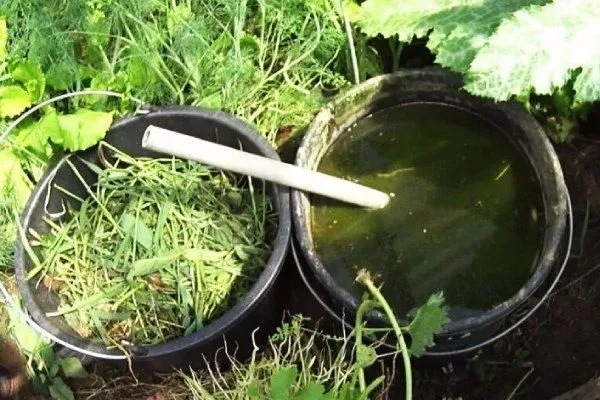
Experienced gardeners recommend organic fertilizers, such as herbal infusions, at the stage of formation of the first true leaves.
Protection from diseases and pests
The crop can be susceptible to various problems if not properly cared for. Here are the main issues and how to solve them:
- Fomoz. The fungus causes dark spots and fluff on the leaves. To treat, spray the plants with Bordeaux mixture.
- Kila. It attacks the root system, causing growths on petioles and root vegetables, leading to wilting. Water the bed with an infusion of horseradish leaves or roots (infuse the crushed ingredients for 4 hours).
In case of severe damage, remove diseased shoots and burn them, treat the remaining ones with fungicides (Topsin-M, Fundazol). - Flea beetles (cruciferous, ground). Destroy young shoots. Use a Malathion solution (60 g per 10 liters of water) or sprinkle with a mixture of ash and tobacco dust. A vinegar solution (20 ml of 70% vinegar per 10 liters of water) is also effective.
- Cabbage butterfly. Caterpillars damage plants. Spray seedlings with water and vinegar (60 ml per 10 liters of water).
- Cruciferous bug. It attacks leaves, sucking out the sap. A yarrow decoction will help (80 g of dried flowers per 10 liters of water, boil, strain, and add 40 g of soap shavings).
- Cabbage moth. Caterpillars eat the leaves. To repel them, dust your turnips with tobacco dust.
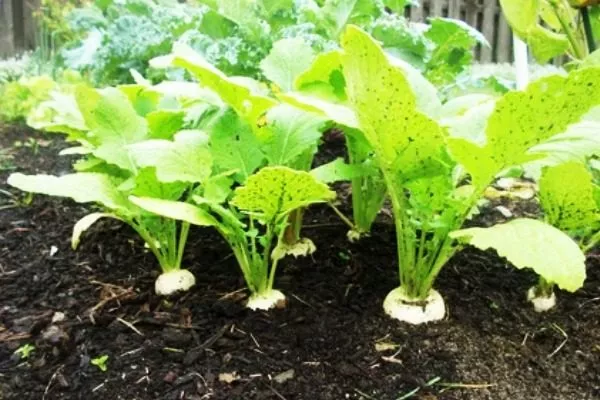
For severe infestations, use chemicals according to package directions. Effective products include:
- Malathion;
- Trichlorometaphos-3;
- Iskra-M;
- Rovikurt;
- Bankol;
- Fury.
In the early stages of infection, biological preparations are effective, which can be used even 5 days before harvesting: Nemabact, Entobacterin, Actofit, Bicol.
Positive and negative qualities
Before planting a crop in your garden, carefully consider its advantages and disadvantages. The moon has many advantages:
Cons:
Reviews
The Luna turnip is an excellent choice for those who appreciate tasty and attractive root vegetables. Despite some requirements, its sweet flavor and good storage qualities make it a valuable addition to any table. By following planting and care recommendations, you can grow healthy and tasty vegetables without encountering any potential difficulties.