
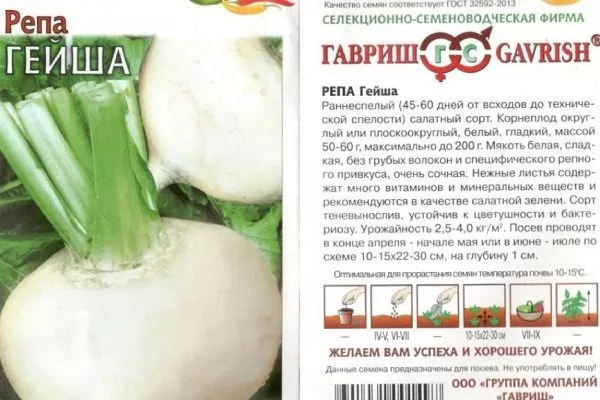
The Geisha turnip is one of the most popular and sought-after varieties, combining excellent flavor with ease of care. This crop is ideal for both experienced gardeners and beginners. The key is to learn the key features, including planting, care, and benefits. With proper cultivation techniques, a bountiful harvest is guaranteed.
Introduction to the variety
Geisha is an excellent choice for those who appreciate fresh vegetables and care about their health. It will become a true gem in any garden or greenhouse thanks to its excellent characteristics. Growing it requires no special skills. Developed by the Federal Scientific Center for Vegetable Growing.
- ✓ Resistance to short-term frosts down to -3°C.
- ✓ High tolerance to shade, making the variety suitable for growing under trees or in shady areas of the garden.
Description of appearance and taste
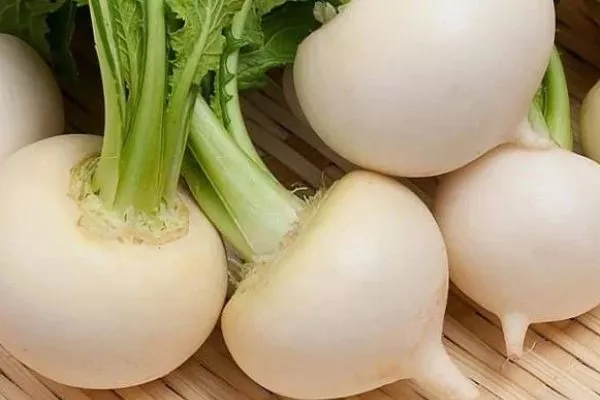
The leaves are usually elongated and bright green. The roots are round or flat-round, weighing between 70 and 120 g (sometimes up to 200 g). They reach 3-4 cm in length and 4-5 cm in diameter.
The vegetables are white, with a smooth surface and thin, delicate skin, while the flesh is firm and very juicy. The flesh is also white, with a delicate and refreshing flavor, lacking a strong pungency.
Planting and care
The plant prefers fertile, well-drained soil. Light sandy loam or loamy soil is best. Prepare the soil in advance by digging it deeply and adding organic fertilizers, such as compost or humus.
- ✓ Soil pH should be between 6.0-7.0 for optimal growth.
- ✓ The soil should contain a high level of organic matter (at least 3-4%).
Follow these recommendations:
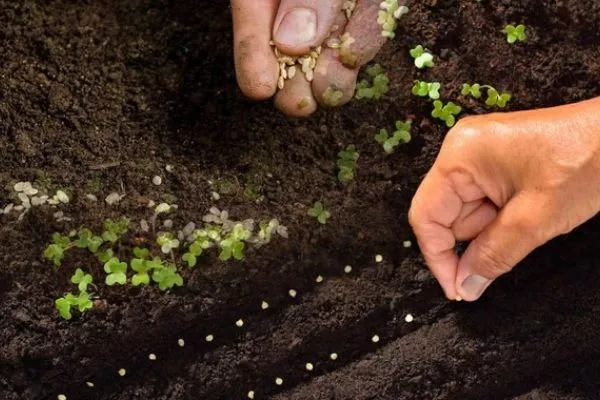
- Sow seeds outdoors in spring, once the threat of frost has passed and the soil has warmed to 5-7°C. Fall sowing is also acceptable for an early harvest next year.
- Place the planting material to a depth of 1-2 cm. The distance between sprouts is 2-3 cm, between rows – 20-30 cm.
- Once the seedlings emerge, thin the plants, leaving 10-15 cm between them. Remove weak and diseased plants.
- Turnips require regular watering, especially in hot and dry weather. The soil should be kept constantly moist. Apply water at the roots, avoiding dripping onto the leaves.
- During the growing season, feed the plants with complex mineral or organic fertilizers, such as manure or compost. Apply this once or twice per season, especially if the soil is not fertile enough.
- To retain moisture and prevent weed growth, use a mulch of straw or humus.
The most common problems:
- Fusarium wilt. The disease manifests itself as wilting and yellowing of the lower leaves, which then dry out. The roots may become soft and watery. Apply fungicides such as Topsin-M or Previkur. Practice crop rotation, avoiding planting turnips in the same location for several years in a row.
- Ascochytosis. Gray-brown spots with a dark border appear on the leaves, leading to yield loss and poor root quality. Apply fungicides, such as Bordeaux mixture or copper sulfate. Remove affected plants and plant debris to prevent the spread of the disease.
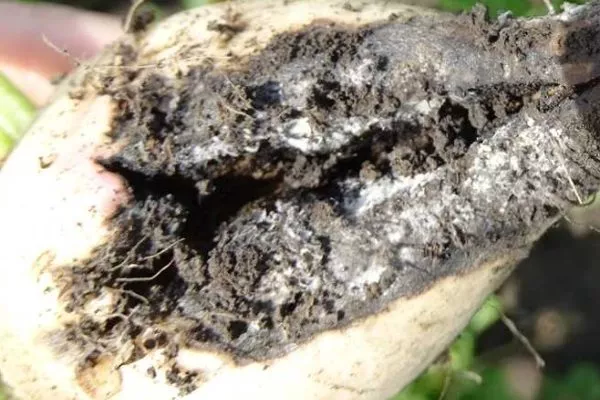
- White rot. It appears as wet, white spots on root vegetables, which can spread to stems and leaves. Treat with copper-based products such as Hom or Ordan. Avoid overwatering and ensure good drainage.
- Cruciferous flea beetle. These are small black beetles that feed on leaves, leaving tiny holes and holes in them. Treat with insecticides such as Aktara or Inta-Vir. Traps and nets are also effective. Regular hoeing will help reduce flea beetle populations.
- Cabbage moth. Moth caterpillars eat leaves, causing holes and deteriorating plant health. Spray with Fitoverm or Bitoxibacillin.
- Aphid. These are small insects that suck plant sap, causing the leaves to deform and wilt. Insecticides like Kinmix or Aktara will solve the problem. Aphids can be controlled with a garlic infusion or soap solution.
Reviews
The Geisha turnip is an excellent choice for achieving good results. Its excellent flavor and ease of cultivation make it an ideal choice for gardeners looking to harvest generous crops of high-quality root vegetables. With proper care, this crop will reward you with abundant harvests.