
Turnips are susceptible to the same diseases and pests that attack plants in the Cruciferae family. These pests often lead to reduced yields and diminish the marketability of ripened root crops. Let's explore how to recognize signs of damage and protect your crop from these dangerous threats.
Turnip diseases
If turnip leaves turn yellow, become spotted, and fall off, there's a good chance the plant is sick. We'll discuss the diseases that can affect it separately.
Kila
A common disease of cruciferous root vegetables, including turnips. It attacks the fragile root systems of young plants, causing swellings and growths on the roots. These growths harbor numerous parasitic spores, which can remain in the soil and plant debris for 5-6 years. During this time, they actively attack various vegetable crops in the garden.
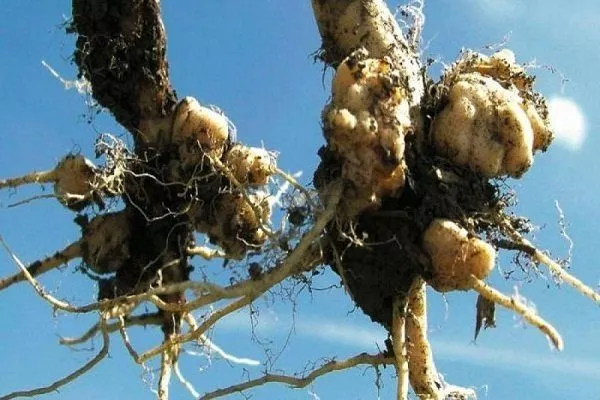
Clubroot thrives in poorly cultivated, acidic soils. Alkaline conditions inhibit the parasite's activity. Therefore, in infested areas, the soil pH should be neutralized to 7 by adding 100-120 g of lime per square meter. While the plant may not thrive under these conditions, it almost completely suppresses the spread of spores.
Turnips infected with clubroot cannot be cured. Over time, they weaken and die, infecting healthy plants in the garden. They must be removed from the plot and burned, and the garden bed treated with a weak solution of potassium permanganate.
To prevent such consequences, you should follow preventive measures:
- plant seedlings in uninfected areas;
- follow crop rotation rules, according to which cruciferous vegetable plants can be returned to their previous location no earlier than after 3-4 years;
- destroy weeds in a timely manner, especially from the Cruciferous family.
If the area is heavily infested with clubroot, it should be thoroughly dug up in the fall, removing and destroying post-harvest plant residues.
Vascular bacteriosis
The disease is transmitted through plant debris, seeds, infected plants, and soil, where the pathogens can survive for up to three years. Bacteriosis is dangerous because it can attack healthy plants and mother plants left for seed production in the spring. The disease remains undetected during storage, but after planting, the plants suddenly die.
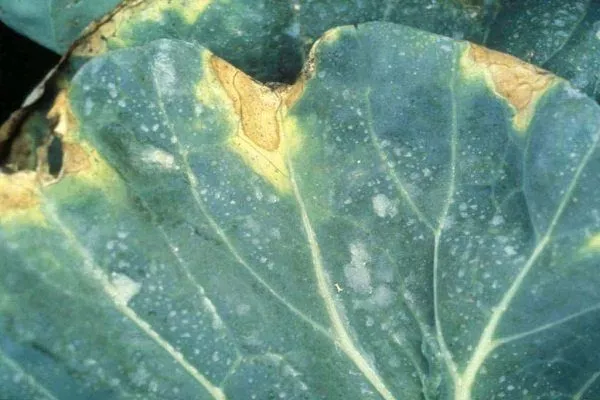
Bacteriosis manifests itself as follows:
- turnip leaves turn yellow, gradually turn black and wither;
- blackening appears on the veins;
- The vessels of the petioles become filled with bacteria, which spread throughout the plant and persist throughout the winter.
Bacterial wilt is incurable. Diseased plants should be removed and burned, and the seeds should be disinfected in hot (50ºC) water for 20 minutes. Prevention follows the same steps as for clubroot. Soil acidity and proper crop rotation are crucial.
Mucous bacteriosis
This disease is also known as wet bacterial rot. Unlike vascular bacteriosis, it poses a threat during root formation. It initially attacks the bases of the leaf petioles and then spreads to the surface of the turnip.
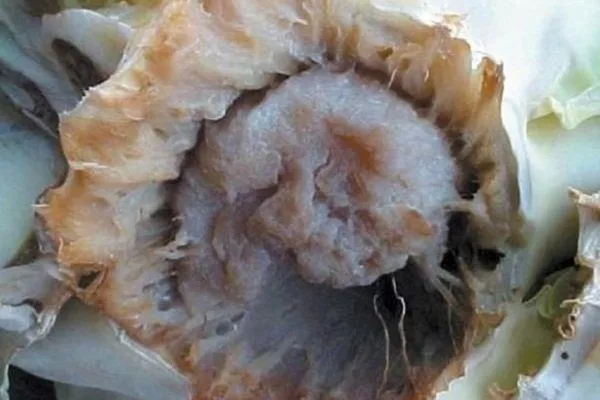
In severe infestations, the affected areas become slimy and blackened, emitting a putrid odor. The plants gradually lose their vitality and die.
The remains of diseased plants are sources of infection. The bacteria remaining in them penetrate healthy roots through mechanical damage and begin a new life cycle. To prevent widespread spread of bacterial blight, diseased plants should be burned. Preventive measures are the same as for vascular bacterial blight.
Rotten
These are fungal diseases that occur due to improper care or the presence of weeds that carry the pathogen. Rot can even attack harvested fruit due to improper storage and excessive humidity.
The following forms of pathology pose a great danger to turnips:
- Gray moldThe fungus attacks the rosette of leaves, which become covered with a thick, gray, fluffy coating. Gradually, slime appears at the affected areas, and the plant rots. In severe cases, flat, dark nodules form on the bush. The bush may emit an unpleasant odor. To get rid of gray mold, turnips should be sprayed with copper sulfate and dusted with ash.
- White rotIt manifests as a white coating on the stems and roots, causing the plant to become waterlogged and, without proper care, quickly die. Affected areas should be cut off, then dusted with chalk or sprayed with copper sulfate.
- ✓ Use only hardwood ash, excluding oak and walnut, due to their high tannin content.
- ✓ Ash must be sifted through a sieve with cells no larger than 1 mm for uniform distribution.
Rots are transmitted through plant debris and appear in August during wet weather. Within a short period of time, the fungi attack mechanically damaged and frost-damaged root crops. To prevent this, diseased plants should be burned.
Blackleg
It primarily damages young seedlings due to high air and soil humidity and the presence of large amounts of plant debris. Symptoms include:
- the neck of the plant softens and turns black;
- the stem becomes thinner, curved and darkens;
- the plant rots and dies.
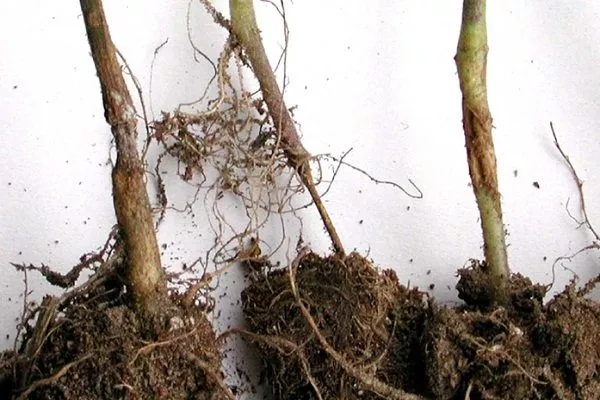
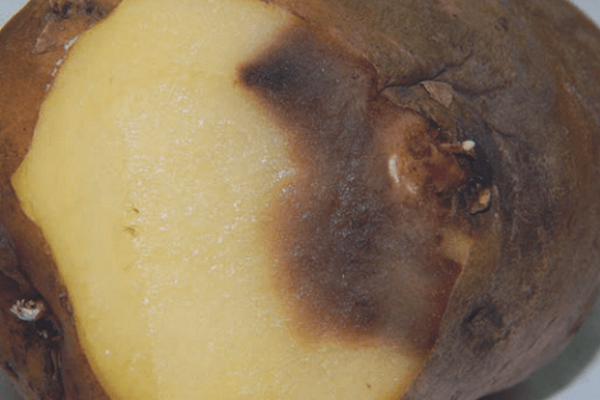
If blackleg affects root vegetables, black spots may be visible when cut. These spots gradually expand and completely damage the entire turnip.
To prevent the development of black leg, you need to follow these rules:
- disinfect the soil with bleach;
- do not thicken crops or compact the soil excessively;
- When growing seedlings, regularly ventilate the room;
- Do not over-water the soil when watering.
Phoma (black spot)
The disease is transmitted through seeds and plant debris. The pathogen remains in the soil for three years. The fungus attacks leaves, roots, and stems, and in seed plants, even the pods.
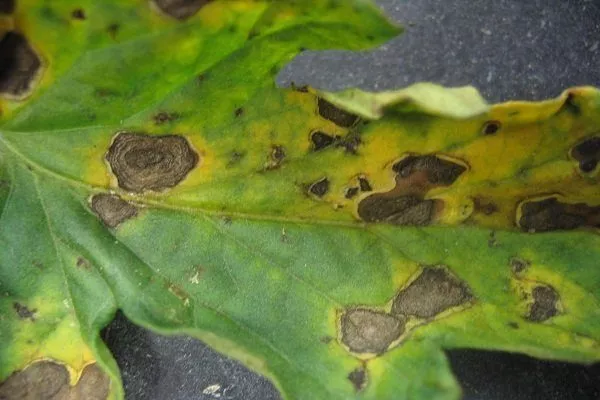
Light gray spots with a dark purple border appear on affected areas. Later, fungal pycnidia appear on these spots, appearing as small dark spots. Affected plants can be easily removed from the soil.
To prevent the development of phoma, seeds should be warmed before sowing. When growing turnips, the area should be regularly weeded and loosened.
Downy mildew (peronosporosis)
The disease affects all parts of the plant and is manifested by the following symptoms:
- the leaf blade becomes covered with fleshy yellow spots, which gradually expand their borders and cause the above-ground part of the crop to wither;
- Black spots appear on the root crops, which increase in size and cause rot.
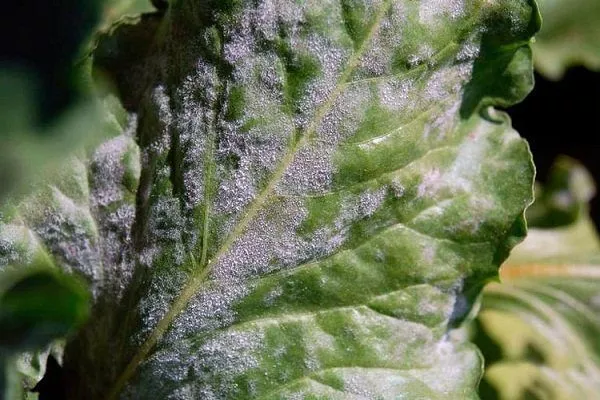
The disease develops under conditions of prolonged heavy rainfall. To prevent it, monitor soil moisture and perform timely loosening procedures. If symptoms have already appeared, the plant should be sprayed with Bordeaux mixture or copper chloride.
The infection remains on seeds and plant debris, so they must be burned.
Powdery mildew
It most often affects seedlings. The infection spreads through air currents and insects. Signs of infection include:
- leaves, petioles and shoots become covered with a loose white coating, turn yellow and dry out;
- Root vegetables rot and are not suitable for long-term storage.
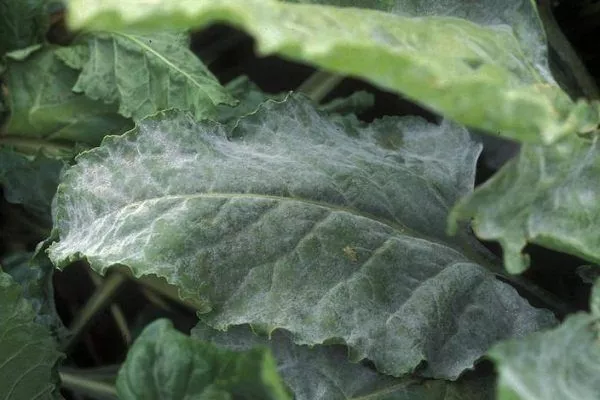
To prevent powdery mildew, avoid overfeeding turnips with nitrogen fertilizers, as they weaken the plant's resistance to harmful microorganisms. Sudden fluctuations in air temperature are also undesirable.
At the first sign of infection, the plant should be sprayed with Bordeaux mixture. If the infestation is severe, fungicides will need to be used. Effective fungicides include:
- Fast;
- Previcur;
- Switch;
- Vectra.
Mosaic
When infected with mosaic, turnips become dwarfed and various formations appear on the leaf blades:
- ring-shaped patterns;
- numerous necrotic spots;
- chlorotic areas.
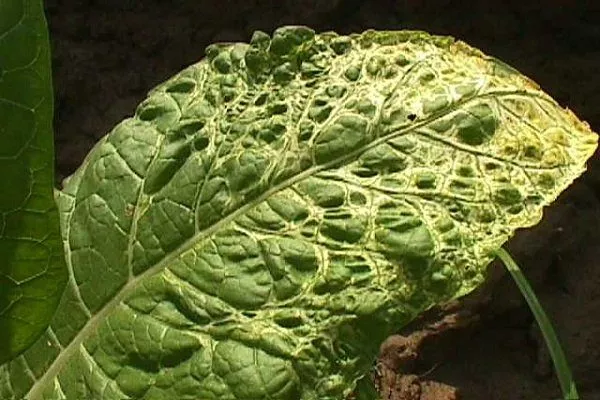
The disease often causes leaf curl.
Mosaic is incurable, so it should not be allowed to progress. To prevent this, it's important to actively combat the infection's vectors—weevils and aphids.
Turnip pests
No less dangerous for crops are insect pests, which not only damage crops but also carry dangerous infections.
Cruciferous flea beetle
These 2-3 mm long, dark blue or green beetles with a metallic sheen damage turnips from the seedling stage onward. They overwinter in the topsoil and under fallen leaves. With the arrival of spring, the pests migrate to weeds and then attack vegetable crops. They are most active in dry, hot weather.
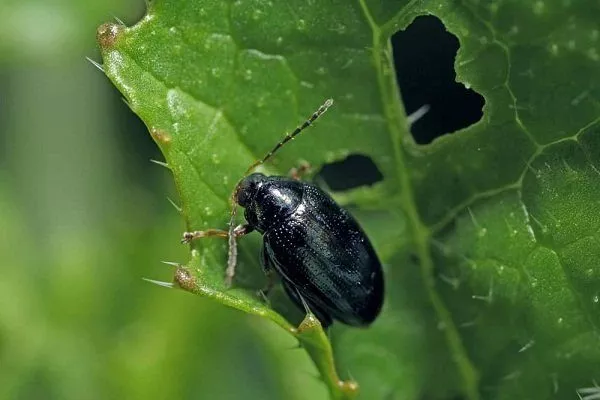
Flea beetles feed on plants in small patches, eventually destroying them completely. They can leave a garden bed devoid of young seedlings. You can control them in the following ways:
- during the growing season, treat twice with a solution of Karbofos (60 g per 10 l of water);
- pollinate the plant with a mixture of tobacco dust and ash (you can also sprinkle it between the rows);
- spray the leaves with a tobacco solution from a spray bottle (dissolve 100 g of shag in 5 liters of boiling water and add 50 g of grated soap);
- Similar to the tobacco solution, use a vinegar solution (200 ml of vinegar per 10 liters of cool water).
Spring cabbage fly
A 6 mm long insect that resembles a common fly but has stripes along its abdomen and a lighter color. It lays white eggs at the root collar or on the lower part of the stem, which hatch into larvae after 7-8 days. They damage the root and base of the stem. As a result, the plant develops poorly or dies without producing roots.
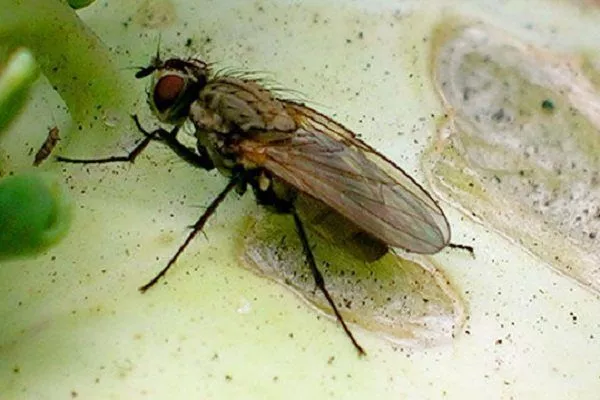
To prevent larval attacks, the soil should be thoroughly dug over in early May. If small white caterpillars are visible on the leaves, the planting should be treated with insecticides. The following will help against flies:
- Karbofos;
- Rovikurt;
- Topaz.
Summer cabbage fly
In June and July, turnips can be attacked by the summer cabbage fly, a descendant of the spring cabbage fly. It's less voracious, so gentler controls can be used:
- tobacco solution;
- copper sulfate (1 tbsp. per 10 liters of water);
- burdock infusion (pour 5 liters of boiling water over 1 kg of leaves, leave for a day and add 1/2 grated soap).
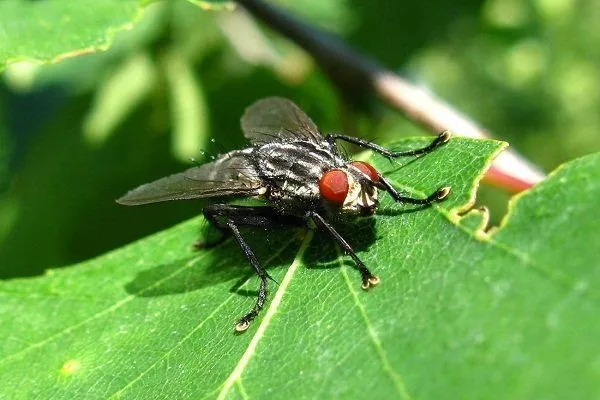
The areas around the bushes can be sprinkled with mint or a mixture of tobacco dust and ash.
To get rid of the eggs, you need to rake away the soil from the root collar by 15 cm and add fresh soil from the row spacing.
Moth
The insect's caterpillars damage the seedlings and leaves of the plant. The damage they cause is enormous—damaged plants experience reduced yield and root quality. The larvae are also dangerous, eating away at individual areas of tissue on the underside of the leaf blade and inhibiting the growth of the plant.
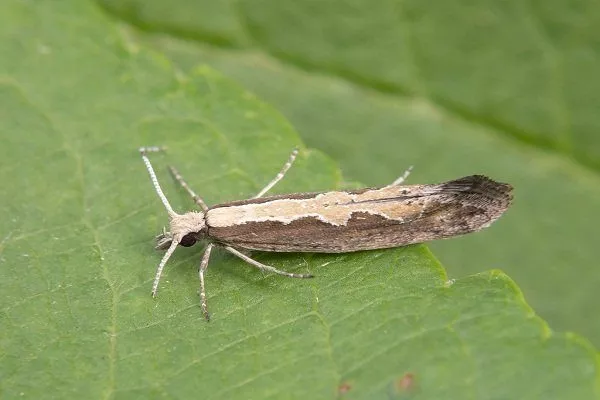
To combat moths, it is worth using biological preparations:
- Dendrobacillin (20-30 g per 10 l of water, apply 2 times, but no later than 5 days before harvest);
- Trichlormetaphos-3 (50-100 g per 10 l of water, spray 30 days before harvesting root crops).
Aphid
An insect 2-2.3 mm long that settles in huge colonies on the undersides of leaves and sucks all the vital juices from plants. Aphid colonies are most often seen during wet, warm weather in early and mid-summer. These pests reproduce rapidly—up to 16 generations can emerge in a single summer.
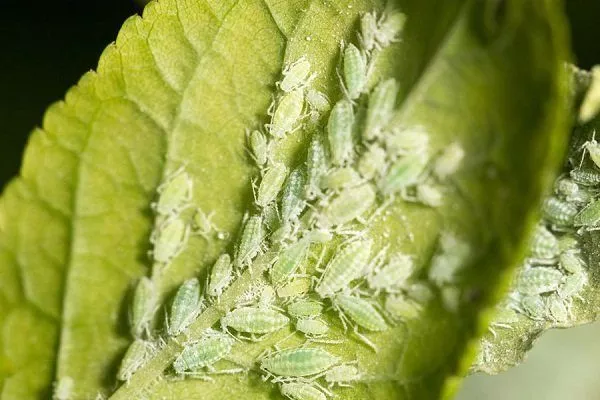
The following means can be used against aphids:
- Trichlormetaphos-3 and Karbofos (60 g per 10 l of water);
- Rovikurt 25% (10 g per 10 l of water) or 10% (25 g per 10 l of water).
Treatments should be carried out no more than twice per season. The last treatment should be carried out no later than 20 days before harvest.
To combat aphids, you can attract predatory insects to your plot, such as ladybugs or syrphid flies. To achieve this, plant carrots or dill near your turnips.
Turnip white butterfly
The greenish-blue caterpillars are harmful; they chew holes in leaf tissue and feed on the roots. This can lead to the death of the plant. The caterpillars live for 20-30 days and are active in all weather conditions.
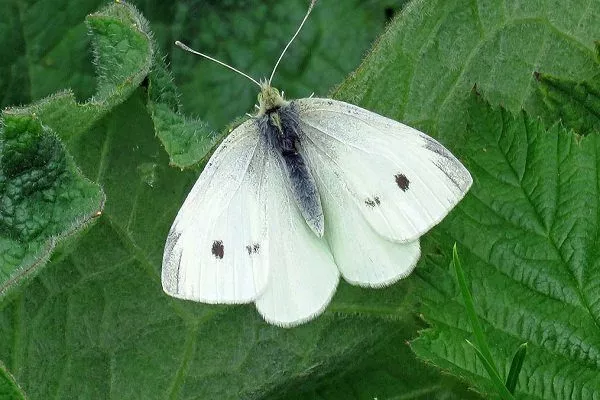
The following remedies will help in the fight against the white butterfly:
- Phoxim 50% (100-150 g per 10 l of water) – spray no more than 2 times, with the last treatment carried out 30 days before harvest;
- Onion infusion (pour 1 liter of boiling water over the peel, leave for 3-5 days and add 1/2 grated soap) - use for regular spraying of damaged plants.
Among insect predators, common wasps are excellent at dealing with cabbage whites. To attract them, spray the turnips with sugar water.
Stem weevil (hidden proboscis)
Grayish beetles with a long body (2.4-3.2 cm), a narrow, curved proboscis, and elytra with a small, bright spot appear in the garden at the end of April. They cause significant damage to turnips:
- damage veins, shoots and petioles of leaves of young plants;
- They lay eggs in the main vein of leaves and their petioles, on the shoots of testes, leaving behind small warts.
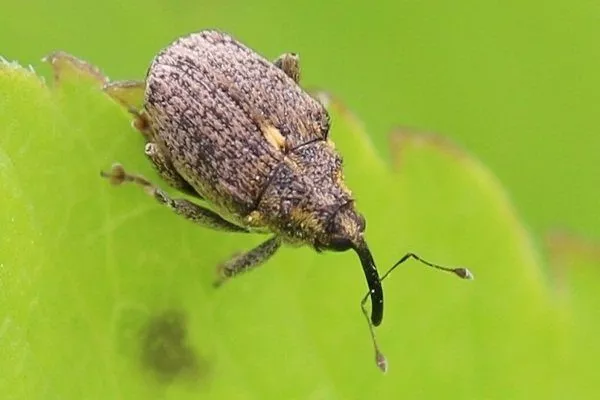
The hatched larvae also damage the leaves and then move to the stems, causing the death of the plant.
To combat stem weevils, you need to regularly inspect crops and remove leaves with eggs laid on them.
Cruciferous bugs
These are sucking pests that eat plant foliage and cause stunted growth. Turnips can be affected by the following types of bugs:
- RapeseedThe beetles are 5-6 mm long and light blue or green in color, with white spots and red stripes visible on the shiny surface. They lay eggs, which hatch into wingless larvae with a grayish abdomen.
- CabbageThe more robust beetles are 9-10 cm long. Their anterior dorsum is red with six burgundy spots. The upper abdomen of the larvae has a dark yellow pattern.
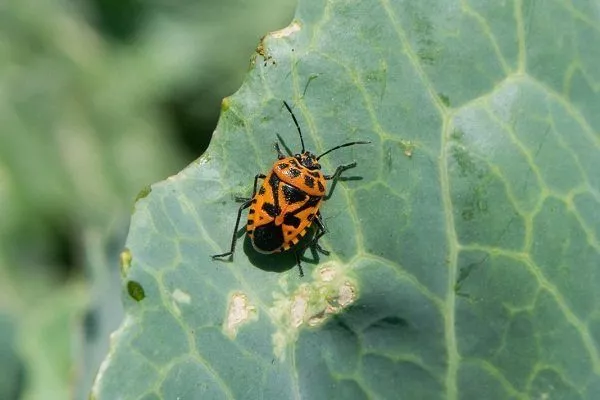
To combat bed bugs, turnips should be sprayed with a solution of Karbofos, Rovikurt, or Trichlormetaphos-3. These treatments are particularly effective against the larvae.
Stem nematode
These are small, transparent worms that can parasitize any part of a plant. Their activity is facilitated by high soil moisture and rotting areas in the garden.
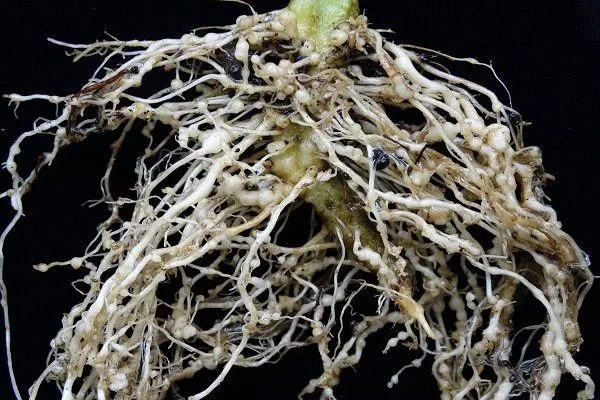
Detecting worms is difficult, and getting rid of them is even more difficult. Signs of nematode infestation in turnips include:
- slow germination of bushes;
- deformation of shoots, fruits and leaves, which acquire an unhealthy appearance;
- the appearance of yellow spots on the leaf blade.
- ✓ Presence of galls on the roots, visible only when the plant is dug up.
- ✓ Slow growth without apparent reason even under optimal conditions.
Aggressive poisons containing verkema-ruscamine can help eliminate stem nematodes. BI-58 is an effective product.
Wireworms
These are the larvae of click beetles, which have a worm-like body and are brown in color. These pests feed on the flesh of root crops, gnawing at them from all sides. While living in the soil, they can also attack the stems and roots of the plant. In some cases, their activity leads to the destruction of the entire crop before the first shoots appear.
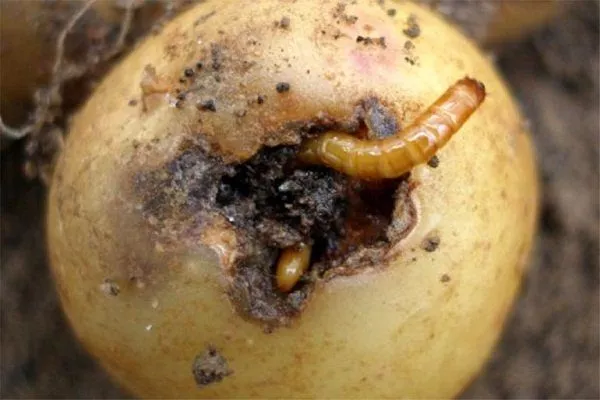
To combat these insects on turnips, it is best to use insecticides:
- Taboo;
- Prestige;
- Aktara.
How to protect turnips?
To protect your turnip plantings from any harm, follow these preventative measures:
- in the fall, dig the garden bed deeply and destroy all the weeds;
- After harvesting, burn the remains of tops and damaged roots;
- Do not plant plants of the cruciferous family (rutabaga, radish, horseradish and cabbage) near turnips, as they have the same pests and diseases;
- do not allow weeds to grow in large quantities;
- treat planting areas with antiseptics, for example, a solution of potassium permanganate;
- Before sowing, warm the seeds in hot (+48…+50°C) water for 20 minutes, then cool and dry;
- dust the area with ash or plant wormwood near the turnips;
- Follow crop rotation rules and enrich the soil with all the beneficial elements to strengthen the plant's immunity.
Growing turnips in your garden isn't difficult, but it's important to follow all the proper agricultural practices to avoid losing your harvest to disease or pests. If your plants are growing slowly and developing various defects, you need to determine the cause and take all necessary measures to improve the health of your garden.