
White radish originated in Asian countries and is currently a popular root vegetable. Many gardeners prefer this variety of the plant due to its wide range of beneficial properties. Growing and caring for white radish is easy, and in this article, we'll cover every step of the process—from planting seeds to storing the harvest.
About culture
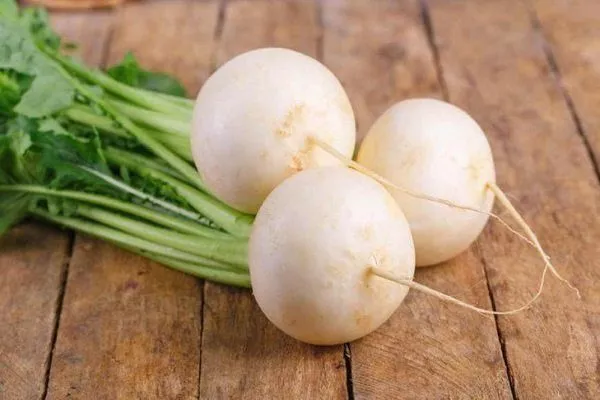
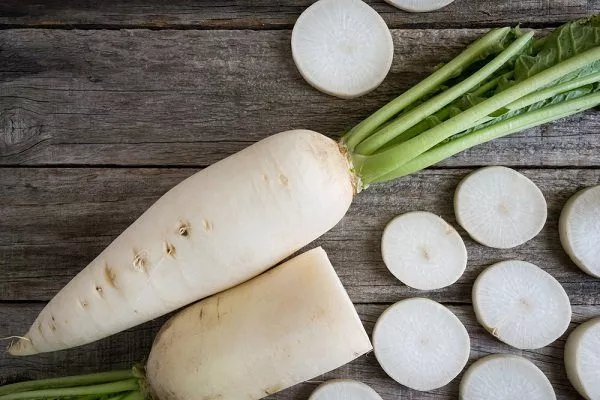
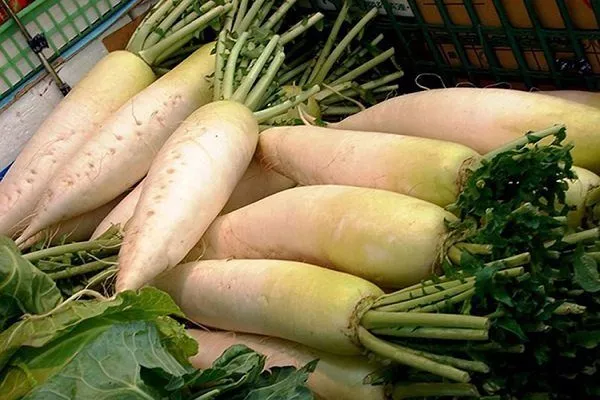
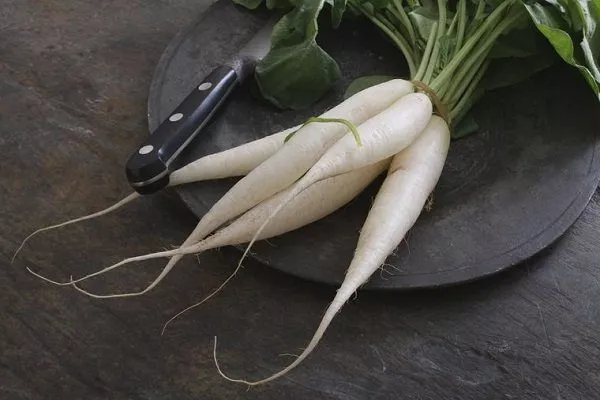
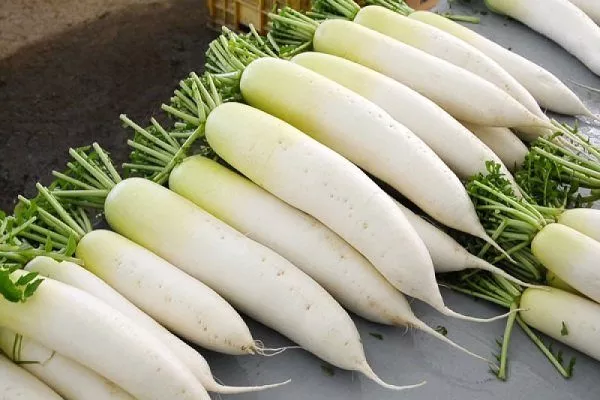
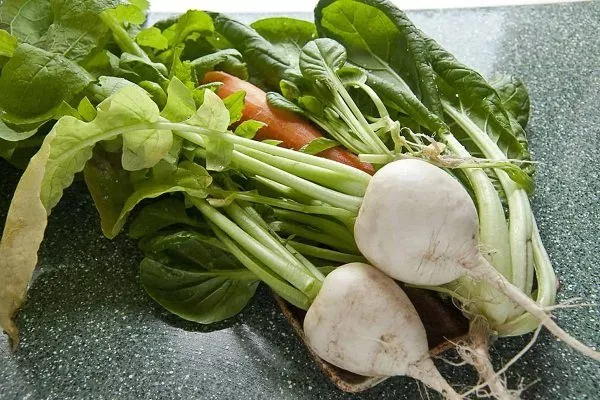
White radish is an annual (typical of summer and early varieties) or biennial (winter varieties) vegetable crop of the Brassicaceae family. This white root vegetable comes in a variety of shapes: round, elongated, or conical.
The vegetable contains the following:
- vitamins A, C, E, H, PP;
- B vitamins;
- minerals: magnesium, calcium, iodine, copper, etc.;
- phytoncides;
- biotin;
- mustard and essential oils.
Dishes made with white radish are recommended during epidemics of various viral diseases, and it also promotes rapid recovery. White radish also aids recovery from certain illnesses and has rejuvenating properties. This list of benefits makes white radish a must-have in your garden.
Varieties of white radish
| Name | Ripening period (days) | Root shape | Drought resistance |
|---|---|---|---|
| Daikon | 60 | Elongated | High |
| Minovasi | 60 | Elongated cylindrical | High |
| May | 50-60 | Oval | Average |
| Moscow bogatyr | 80-85 | Elongated | Average |
| Watchtower | 70 | Cylindrical | Average |
| Dragon's Tooth | 60-70 | Cylindrical | Low |
| Winter round white | 80-100 | Rounded | High |
| Dragon | 65-70 | Cylindrical with conical taper | Average |
| Rhinoceros | 53-57 | Long with a rounded head | High |
| Grayvoronskaya | 110-120 | Large whites | Low |
| Vakula | 50-60 | Large whites | Average |
| Elephant tusk | 65-75 | Elongated cylindrical | High |
| Sasha | 35-45 | Oval | Average |
The following varieties of white radish are distinguished:
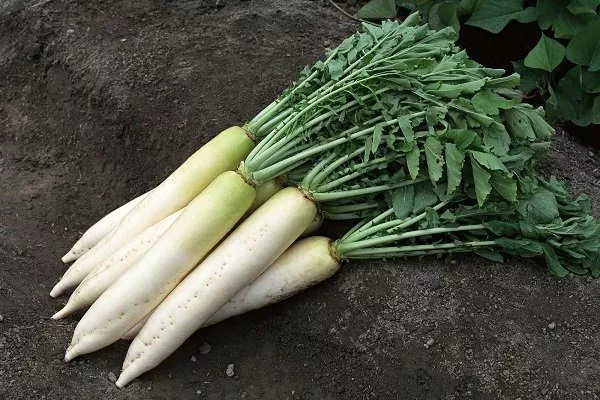
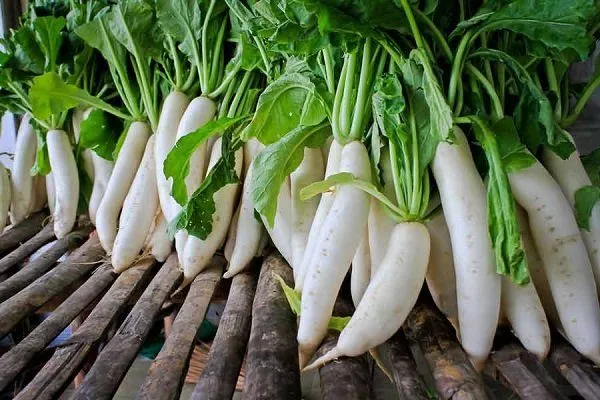
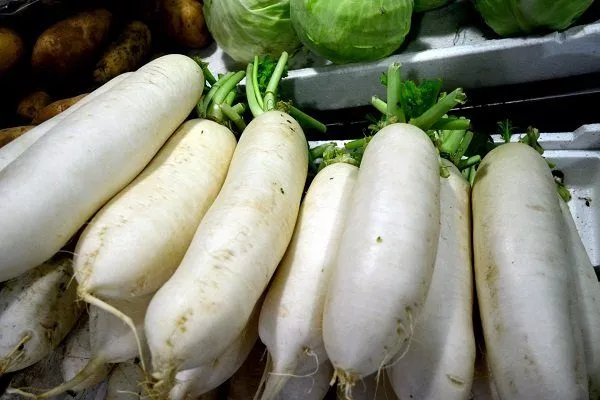
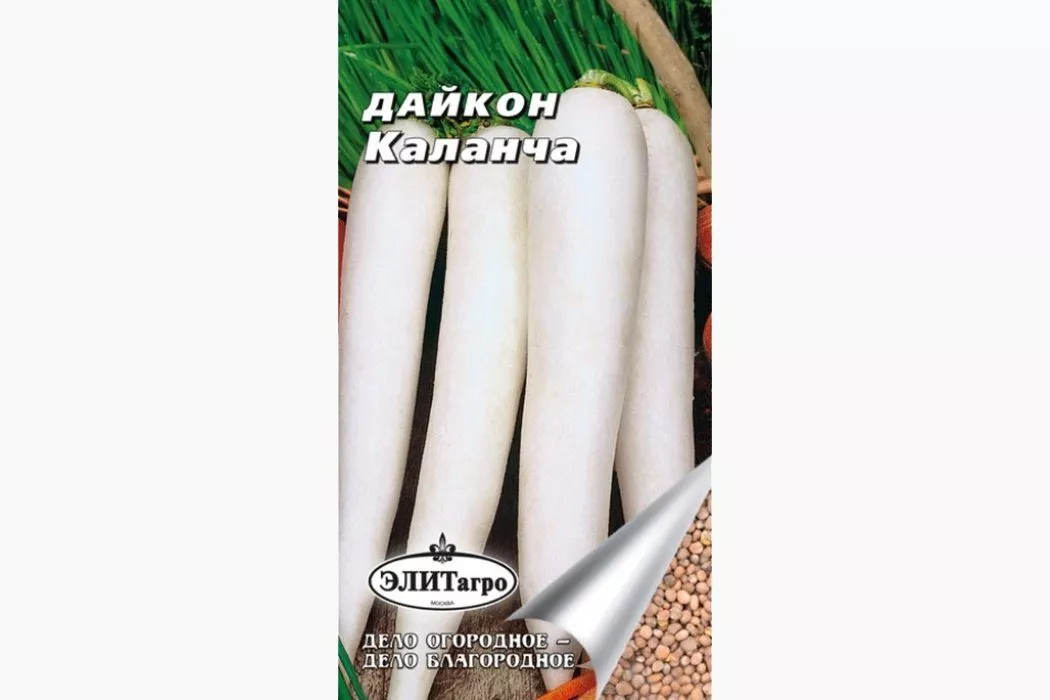
- DaikonThe roots can reach 60 cm in length and are valued for their ease of cultivation and sweet flavor. Yields range from 2.5 to 3 kg per square meter. Growing season daikon is up to 60 days.

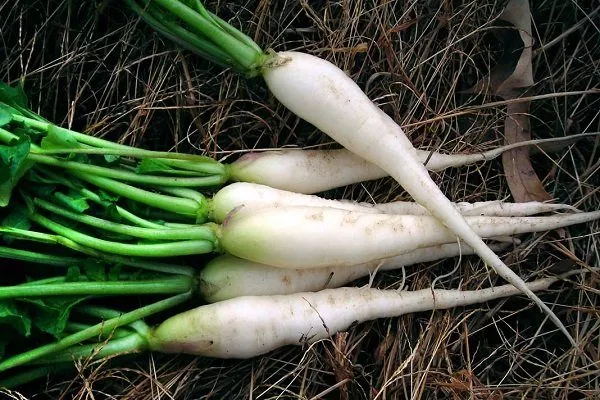
- MinovasiThis mid-season variety has tasty, crisp flesh with a slightly tangy flavor and is suitable for long-term storage. Its shape is elongated and cylindrical. It copes well with drought and heat, maturing in 60 days.
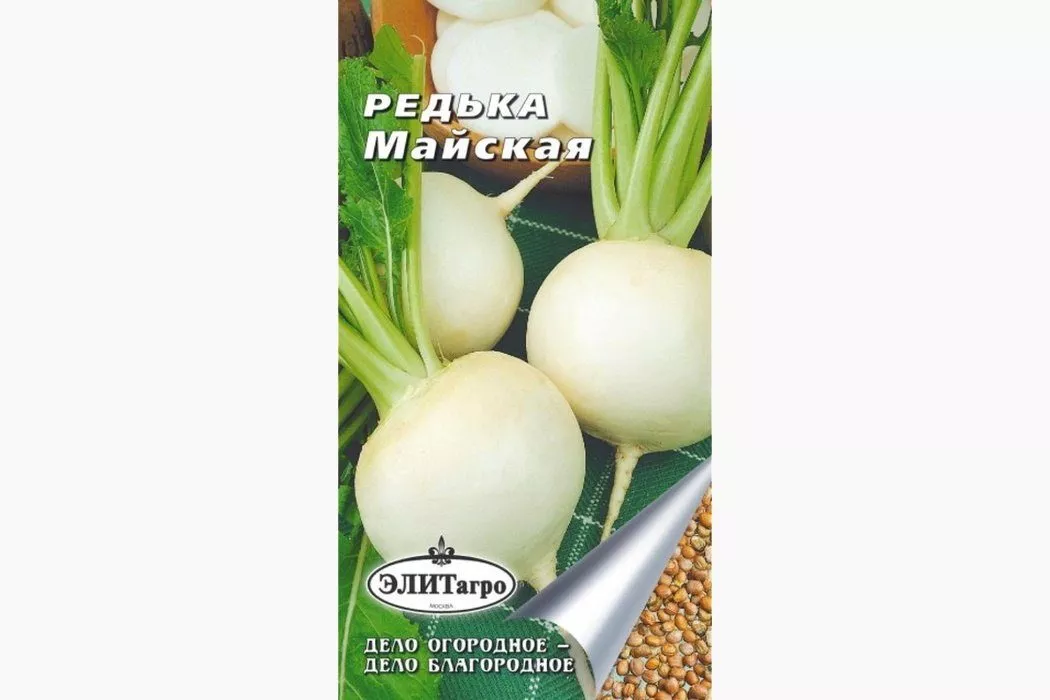
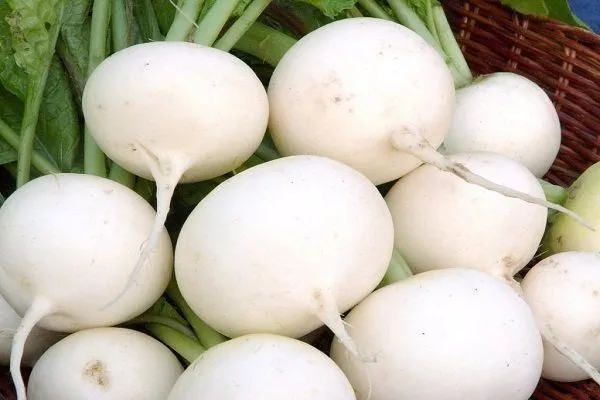
- May.The fruits are oval-shaped, with a juicy, delicate, slightly tangy flavor. This variety is not stored over winter, but is eaten fresh in summer. The first fruits ripen 50-60 days after germination (early ripening variety).
- Moscow bogatyrA very early variety of domestic selection, it reaches a height of 70-80 cm, is suitable for fresh consumption, and has a long shelf life. The flesh is juicy, crisp, and without bitterness. It produces fruit in 80-85 days from germination, yielding 16-17 kg per square meter.
- WatchtowerThis mid-season variety (approximately 70 days) weighs 700-850 g. It is cylindrical in shape, with white flesh and a delicate, slightly bitter flavor. The fruits have excellent shelf life.
- Dragon's ToothThis new mid-season variety offers high yields. It's not suitable for storage, and individual fruits can weigh up to 1.5 kg. The period from germination to harvest is 60-70 days, and the roots are long and cylindrical. Yields are 11-13 kg per square meter.
- Winter round white.This mid-season radish has a long shelf life (several months in a cellar). Its flesh is juicy and its flavor is medium-sharp. It is round in shape and ripens in 80 to 100 days.
- DragonThis mid-season variety takes 65-70 days from germination to harvest. The root is cylindrical with a conical taper, weighing 0.9-1.0 kg. The flesh is juicy, tender, and white, with a slightly sweet, non-spicy flavor.
- Rhinoceros.This is an early-ripening variety—you can try a salad with this variety in late June. Ripening time is 53-57 days. The long roots with a rounded, greenish head have a sweet, refreshing flavor without being pungent. Yields up to 7 kg per square meter.
- Graivoronskaya.A late, productive variety with large white fruits up to 50 cm long and weighing up to 2 kg, suitable for long-term storage. The flesh is white, firm, slightly juicy, and has a tangy flavor. Yields up to 4.5 kg per square meter. Ripening time is 110-120 days.
- VakulaA mid-season variety (ripening in 50-60 days), it is prized for its long shelf life. The plant produces large, white, juicy fruits, which can reach up to 50 cm in length, with tender flesh and no pungency.
- Elephant tusk.This mid-season variety is elongated-cylindrical, up to 25 cm long, and white in color. It stores well over winter. The flavor is juicy, sweet and tangy. It is suitable for summer-spring ripening. The period from germination to harvest is 65-75 days. Yield is 5-6 kg per square meter.
- SashaIt is an early-ripening vegetable (35-45 days), weighing 100 to 400 g. It has a short shelf life, is oval in shape, and has tender flesh with a tangy-sweet flavor. Yields 2.5 kg per square meter.
Compatibility with other vegetables
When growing vegetables in your garden, you may notice that your harvest becomes more meager year after year. This is due to a lack of proper crop rotation when planting vegetables. If you don't follow proper compatibility rules, you can't expect a bountiful harvest. However, if you plant compatible crops, you'll make your care process much easier, as they require roughly the same procedures and conditions.
Planting plants that are incompatible with radishes can lead to a number of problems:
- development of fungal infections;
- attracting pests;
- weak cultural development;
- small harvest.
The best predecessors of white radish are considered to be legumes:
- lentils;
- peanut;
- beans;
- peas.
But you can also plant after the following crops:
- cucumbers;
- peppers;
- zucchini;
- greens;
- eggplants.
You cannot plant radishes after members of the Cruciferae family:
- carrot;
- horseradish;
- cabbage;
- beet;
- radish.
After these crops, radishes can be planted only after 3-4 years.
Preparing for landing
Radishes can be planted both in greenhouses and in open ground. Each method has its own nuances.
In the greenhouse
Summer varieties can be grown in plastic greenhouses; they are sown at the same time as radishes, in early April. Before sowing, the beds should be dug over and the following added per square meter:
- 20-25 g of ammonium nitrate;
- 40-50 g of superphosphate;
- 25 g of potassium salt.
Seeds are sown in rows spaced 20 cm apart with 5-6 cm between plants. Sow at a depth of 1-1.5 cm, with 2 g of seeds per square meter. The seedlings are then covered with spunbond to increase soil temperature and retain moisture. The spunbond is removed when seedlings emerge.
The ideal temperature for germination is 18-20°C (64-70°F). After this, the temperature is lowered and maintained at 6-8°C (43-48°F) with ventilation for 3-4 days. Watering should be done every 3-4 days, avoiding overdrying, otherwise the radishes will bolt. Harvesting is done selectively.
In open ground
Radishes can easily tolerate temperatures as low as -3-4 degrees Celsius. They are frost-resistant, and seedlings can even germinate when temperatures drop to +3-5 degrees Celsius.
Radishes can be planted both in summer and winter. The optimal time for planting is late April to early May. Long-storable varieties should be planted as early as the second half of June. Early-ripening varieties should be sown in July to early August.
A good harvest can be achieved by planting in the right location—a well-lit spot is essential. Radishes grow best in fertile loamy soil—light, humus-rich soil with a pH of 6-7. If the soil is too acidic, it needs to be limed, otherwise the plant will become diseased and the roots will begin to spoil.
- ✓ Seed size: Choose larger ones as they have more nutrients for initial growth.
- ✓ Germination: Check the seeds for germination by soaking them in water for several hours. Seeds that float to the surface are not suitable for planting.
In addition to the soil, you also need to prepare the seeds—select the largest and highest-quality ones. Soak the seeds in a salt solution (1 tablespoon of salt per glass of water) to select the best ones, then transfer them to a weak solution of potassium permanganate to prevent disease.
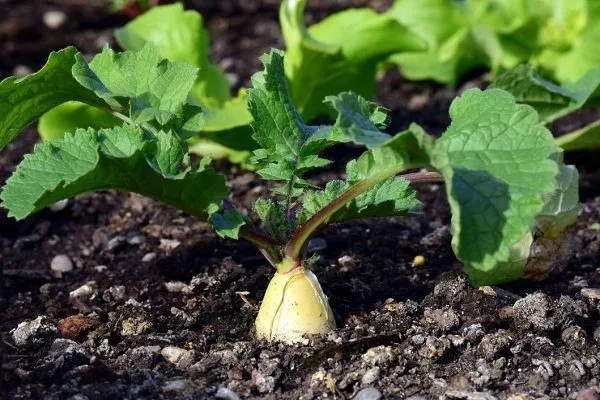
The landing process itself looks like this:
- Make furrows in the beds at a distance of 30 cm and a depth of 1.5-2 cm.
- Place the seeds in the holes, 3 at a time, in nests. The distance between nests should be at least 15 cm.
- Fill the furrows with soil and compact it slightly.
- Water generously and cover with film.
- After 5 or 6 days, leave the strongest sprout in each nest.
Planting methods
As already noted, radishes can be planted in both spring and summer. Winter planting is also possible, using seedlings from specific varieties. There are two main planting methods: direct seedlings and seedlings, which we'll discuss below.
Seedless
Sowing white radish seeds is carried out in well-warmed, cultivated soil, following the following procedure:
- form planting holes around the perimeter of the bed - 60 cm apart between rows, leaving a distance of 30-35 cm between the holes;
- pour 0.5-1 liter of warm water into each hole and sow 2-3 seeds;
- Sprinkle the crops with soil, which must first be lightly compacted;
- At the final stage, mulch the surface of the beds with dry peat.
The seedless method is used for daikon varieties with long roots. It also allows for late sowing, in late July to mid-August.
Seedling
For spring planting, radish seedlings can be grown from seeds indoors. To sow white radish seeds, use:
- peat pots with a capacity of up to 0.5 l;
- peat tablets;
- plastic containers at least 10 cm deep.
The soil—neutral and slightly alkaline—can be either from your garden or purchased for vegetable seedlings. To plant root vegetable seedlings, follow these simple instructions:
- fill the pots with soil and moisten it;
- Place the seeds in containers and sprinkle with 2-3 cm of soil;
- cover the pots with plastic wrap and leave in a warm place;
- After the first shoots appear, remove the film and place the pots in a lighted place;
- transplant into beds after 3-4 leaves appear.
Before sowing seedlings, it is recommended to remove the weakest shoots from the seeds, which will not produce a good harvest.
Caring for radishes
White radish is an unpretentious vegetable and does not present any particular difficulties when growing.
Top dressing
During the entire plant development cycle, it is necessary to fertilize twice:
- the first time - after the formation and opening of the cotyledon leaves;
- the second time - a week after the first feeding.
Because early radish varieties have a short ripening period, they should only be fed with nitrogen-containing fertilizers, such as 0.2% sodium nitrate or calcium ammonium nitrate.
Late-ripening varieties are fertilized once a week with a mineral fertilizer solution (60 g superphosphate, 20 g urea, and 15 g calcium chloride). A bucket of water is used per 20 m of row. The plant requires high doses of nitrogen, so complex fertilizers should be alternated with nitrogen-based fertilizers. All fertilizing should be stopped three weeks before harvest.
Manure is not used for fertilizing, as it “stimulates” the division of vegetables.
Thinning
Thinning is a necessary procedure because dense plantings increase the risk of flower stalks, deformation and coarsening of fruits.
First, thinning should be done after a pair of true leaves have formed – the plants can be removed completely or pinched, leaving a distance of 8-10 cm. Next, thin the radishes when they have 4-5 leaves, to a distance of 12-15 cm; for winter varieties – 20 cm.
Watering
Early-ripening varieties need to be watered 2-3 times a week, while autumn radishes require less frequent watering—only 4-5 times throughout the season. Radishes require ample watering—11-13 liters per square meter.
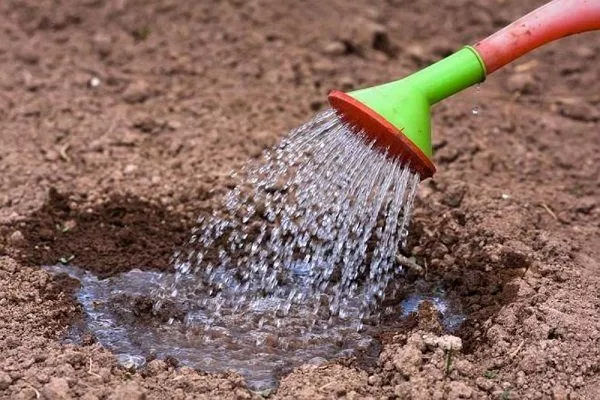
The key to watering is regularity, as excessive moisture after a long drought can cause the root crop to crack, while insufficient water can cause the flesh to become tough and woody. Mulching helps conserve water and minimize the frequency of watering.
Processing radishes
If radish is affected by fungal diseases, it should be sprayed with a product containing copper, for example:
- Bordeaux mixture;
- copper oxychloride;
- copper sulfate.
Treat the bushes strictly according to the instructions on the product packaging. If the radish has been infected with mosaic, the affected plants must be removed from the soil and destroyed to prevent the disease from spreading to neighboring bushes.
To get rid of pests, you need to treat the beds with insecticides, which are available at specialty stores. However, the main method for protecting the crop from diseases and pests is to treat the seed and soil before planting, as well as following crop rotation and cultivation practices for white radishes.
- Inspect plants regularly for signs of pests.
- At the first signs of damage, treat the plants with insecticides according to the instructions.
- Remove heavily infested plants to prevent the spread of pests.
Diseases and pests
Radish's membership in the Cruciferae family determines the list of diseases and pests that are dangerous to it:
- Cruciferous flea beetleIt can destroy all foliage on plants, which disrupts photosynthesis and inhibits root growth.
- Cabbage butterflyIt lays eggs in radish leaves, and the caterpillars that emerge from them within a short period of time are capable of destroying the tops, which leads to the death of the plant.
- Cabbage flyThis pest is dangerous for early varieties that ripen in May. The flies lay eggs in the soil near cruciferous crops. The larvae feed on the plant roots, which leads to the death of the radish seedlings.
- SlugsThey are dangerous for ripening root crops. They emerge at night and attack the stems and the part of the radish that protrudes above the surface.
- BacteriosisA viral disease caused by excess water in the soil. There are two types: vascular and mucous.
- White rotTissue damage and discoloration.
- Powdery mildewAffects petioles and leaves, sometimes stems.
- BlacklegFungal infection of the upper part of the root crop and the lower part of the leaf rosette.
The problem of shooting
Sometimes, instead of producing fruit, radishes begin to bush out heavily and produce stems. There are several reasons for this:
- the planting time does not correspond to the variety requirements;
- extreme heat, insufficient watering;
- overuse of organic fertilizers.
If a radish has bolted, it should be discarded—the resulting root will be tough and underdeveloped. Sometimes, a pair of such flowering plants may leave seeds to ripen for further propagation. However, bolting plants are not suitable for food.
The appearance of an arrow means that you need to reconsider your care - if the planting date is too early, then you can save the harvest by artificially shortening the daylight hours (covering the bed).
If the cause of the bolting is heat, you can avoid the situation by watering the plants in small amounts in the morning and evening – this will stimulate the growth of root crops.
Decreasing the soil's nutrient content is more difficult, but you can try acidifying the soil. To correct the pH, water the radishes with a citric acid solution at a rate of 2 tablespoons per bucket of water. Apply the resulting solution evenly, no more than twice during the entire growing season.
Harvesting and storage
Harvesting of early greenhouse-grown radishes begins in late May, when roots that reach 3-4 cm in diameter are dug up. The remaining vegetables are sorted as they ripen throughout the summer.
Mid-season varieties, sown in early June, are dug up in late August. Winter radishes can be harvested in late fall, but the weather must be dry and frost-free. Daikon is usually dug up in October.
The dug-up root vegetables are shaken of soil, small roots are removed, and the tops are trimmed. Before storing, the vegetables are inspected, and any damaged root vegetables are discarded.
Summer radishes are stored in boxes or plastic bags with holes:
- at room temperature – a week;
- in the refrigerator – up to 20 days.
Autumn and winter varieties are placed in a box and covered with damp sand. Radishes are stored either in the refrigerator or in the basement.
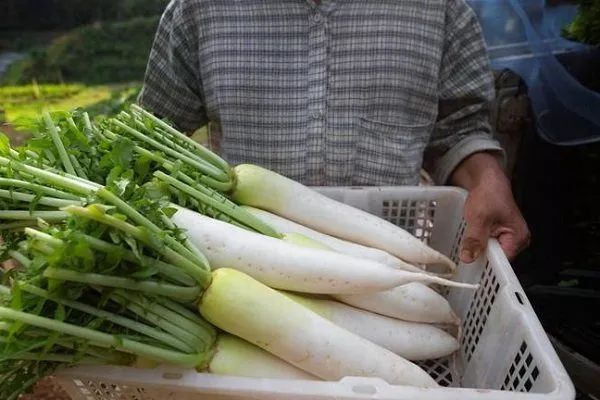
The storage temperature should be 1-3 degrees Celsius, with humidity at 80-90%. This radish has a shelf life of 200 days. In the cellar, radishes should be kept near carrots and potatoes.
White radishes are gaining popularity every year—almost every gardener strives to grow a bed of this vegetable, which boasts impressive health benefits. Knowing the basic rules for planting vegetables will make planting radishes a breeze, ensuring a bountiful harvest.