
The Zlata radish has been attracting the attention of gardeners for many years. This early-ripening variety is ideal for those who appreciate tasty and juicy root vegetables, while its low maintenance and high yield make it an excellent choice for home gardens and small plots. With proper care, it will increase productivity and avoid any problems.
Introduction to the variety
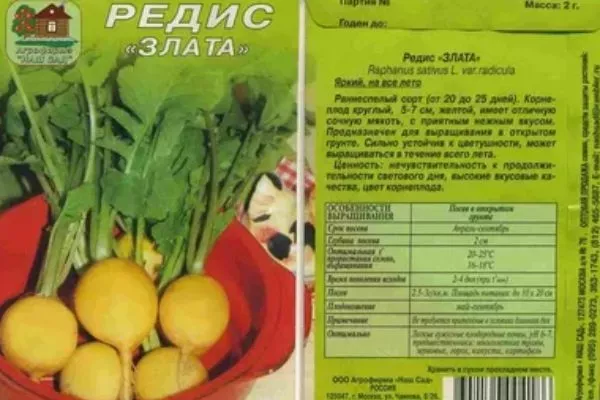
Zlata is an ideal choice for lovers of fresh vegetables with a sharp and slightly bitter flavor. This variety is characterized by its rapid ripening and high marketability. It was first approved for cultivation in 1998.
This nutritious vegetable boasts numerous beneficial properties thanks to its rich composition. Here are the main components and their benefits:
- B vitamins, including B1, B2, B3, B6, and B9 contribute to the normalization of metabolism and support the health of the nervous system.
- Vitamin C is a powerful antioxidant that strengthens the immune system and helps fight inflammation.
- Potassium supports the normal functioning of the cardiovascular system and helps regulate fluid levels in the body.
- Calcium, magnesium and phosphorus promote healthy bones and teeth.
- Fiber Improves digestion, helps maintain normal blood sugar levels, and promotes satiety. This makes radishes useful for weight management and constipation prevention.
- Antioxidants (rutin and quercetin) help neutralize free radicals and protect cells from damage.
- Phytonutrients have anti-inflammatory properties.
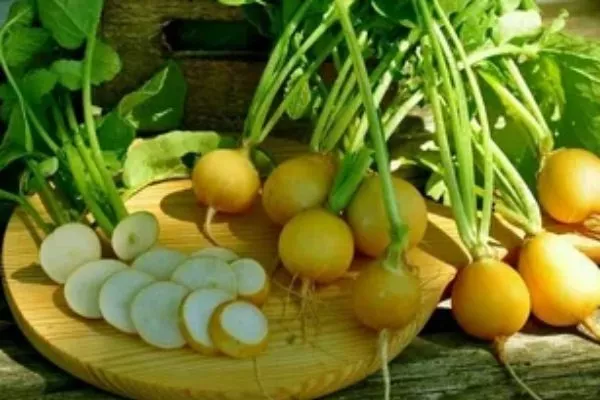
Ripens in 20-25 days after emergence. It boasts impressive yields of 128-200 centners per hectare. From 1.3 to 2 kg of radish are harvested per square meter of planting.
Description of appearance, taste
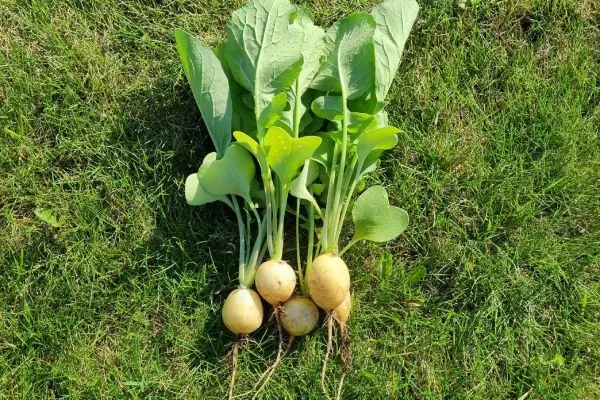
It forms a semi-erect rosette with medium-sized, obovate, yellowish-green leaves. They are moderately pubescent, giving them a distinctive appearance.
The peel is yellow, and the flesh is white, tender, and juicy. The flavor is rated as good to excellent, with a sharp and slightly bitter aftertaste that will appeal to those who enjoy spicy dishes.
Agrotechnical subtleties
To successfully grow the crop, it's important to adhere to certain rules. Follow these recommendations:
- Choose a sunny or semi-shaded location.
- The soil should be light, fertile, and well-drained. Loams and sandy loams are preferred.
- Prepare the soil, dig it thoroughly and add organic fertilizer (for example, compost or humus).
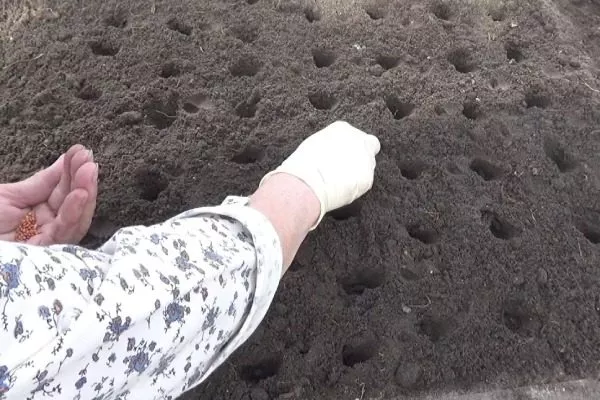
- Sow seeds in the spring, as soon as the soil warms to +5…+7°C. In southern regions, sow in late March or early April.
- Place the planting material at a depth of 1-2 cm with an interval of 3-5 cm. The distance between rows should be 15-20 cm.
- ✓ The optimal soil pH level should be between 6.0-7.0 to ensure better absorption of nutrients.
- ✓ The soil must contain sufficient organic matter (at least 3-4%) to maintain moisture and structure.
For optimal development and full ripening, ensure proper care. Follow these simple agricultural practices:
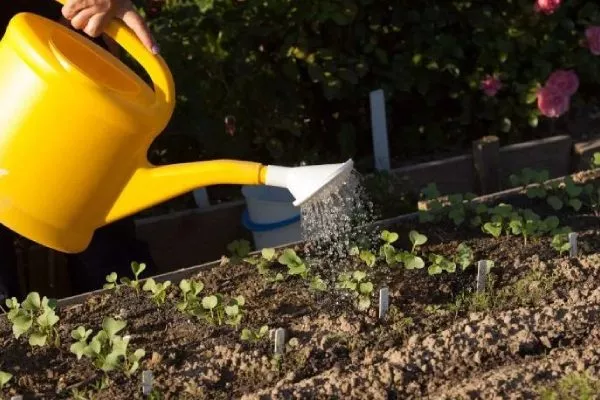
- Water your radishes regularly, keeping the soil moderately moist. Avoid overwatering to prevent root rot.
- When the seedlings reach a height of 2-3 cm, thin them out, leaving a distance of 5-10 cm between them to provide enough space for the vegetables to develop.
- Keep the soil loose to improve aeration and prevent crusting. This can be done with small cultivators or by hand.
- The plant doesn't require frequent fertilizing. However, if necessary, apply a complex fertilizer midway through the growing season.
- Watch for signs of pests, such as flea beetles. Apply insecticides or natural repellents if necessary.
- Watch for possible signs of disease, such as black rot or downy mildew. If detected, apply fungicides and follow crop rotation guidelines.
By following these recommendations, you can get a good harvest of Zlata radishes, which will delight you with its taste and quality.
Reviews
The Zlata radish lives up to all expectations and deserves the attention of every vegetable grower. Its easy care, quick ripening, and excellent taste make it an excellent addition to any diet. By following simple gardening practices, you can grow plants with strong immune systems that will reward you with abundant harvests throughout the season.