
Zarya radish is a reliable choice for gardeners who value good productivity and excellent flavor. This variety easily adapts to a variety of conditions and requires minimal care, making it ideal for both novice and experienced gardeners. It's important to follow the care recommendations to ensure a high-quality harvest.
Introduction to the variety
Among the many radish varieties, there are time-tested classics popular among both novice gardeners and experienced farmers due to their reliability and productivity. These include the early-ripening Zarya variety, which quickly adapts to a variety of climatic conditions.
Characteristics of the appearance of the plant and root crops
The spreading rosette of leaves reaches a medium size (22-25 cm). The leaves are oval, bright green, moderately dissected, and lightly pubescent. The petioles are thin and pale green. The roots are easily pulled from the ground, although they remain completely submerged during growth.
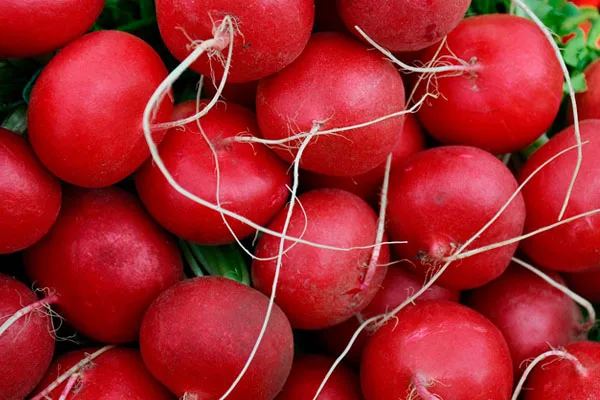
The vegetables grow to 3-4.5 cm in diameter and weigh between 20 and 22 g. They are round or flat-round in shape, with an elongated spine. The skin is a uniform crimson-red color. It is thin, smooth, and shiny.
Taste qualities
The flesh is snow-white, dense, crisp, and very tender, without stringiness or wateriness. The flavor is piquant, slightly sweet, without bitterness, and even the skin is not bitter.
Ripening time
This early-ripening variety takes just 18-24 days from germination to mature root crops. It produces a consistent harvest, allowing you to harvest it all in one go.
What kind of soil is best for planting?
Zarya, like most other species, grows well in loose, nutritious, air- and moisture-permeable soils with neutral acidity.
Methods of use and yield
The vegetables are eaten fresh and used in salads due to their high vitamin content and compatibility with other vegetables, such as cucumbers and tomatoes. The root vegetables have a long shelf life, do not wilt, and are easy to pull out. The yield is 1.5-2.3 kg per square meter.
Features of agricultural technology
Planting and caring for Zarya radishes is simple—just follow the variety's basic requirements and give it regular attention. Below are recommendations to help you grow your radish, strengthen your immune system, and improve its quality.
Planting dates
Plant outdoors from April to August. In April, when there's a risk of frost, cover the beds with plastic. In summer, shade the beds due to the long daylight hours; otherwise, there's a risk of bolting, which will leave the roots small.
Site selection and preparation
The plant thrives in full sun, so choose locations that receive full sun in the morning and light shade in the afternoon. Avoid low-lying areas with stagnant water and waterlogging.
Avoid planting radishes in areas previously occupied by members of the cabbage family. Since this variety has a weak immune system, failure to properly rotate crops can result in plant death and reduced productivity.
Planting diagram
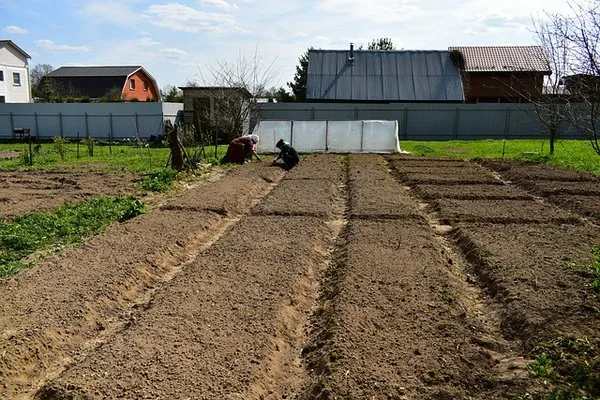
Plant in rows 10-12 cm apart, leaving 2-3 cm between seeds. Plant them 1-1.5 cm deep. Moisten the soil before planting. When planting in early spring, cover the bed with plastic to protect the seedlings from adverse weather conditions.
Care
This crop requires a number of agricultural practices to ensure a good harvest and healthy plants. The variety is characterized by rapid growth and demanding growing conditions, so timely care is key to successful cultivation.
Perform the following activities:
- Provide regular watering to maintain the required soil moisture. Water sparingly. Apply water at the roots to avoid contact with the foliage.
- Remove weeds that compete with radishes for nutrients and moisture. Loosen the soil between rows to improve root aeration and prevent surface crusting.
- Feed your plants with complex mineral fertilizers or organic amendments, such as compost or humus. These provide additional nutrition and promote faster and more uniform growth.
Careful attention to agricultural practices will help you achieve excellent results and enjoy fresh vegetables throughout the season.
Pests and diseases
Treat the planting material with a potassium permanganate solution before planting it in the beds. When purchasing seeds from specialty stores, this procedure is usually not necessary, as they are disinfected at agricultural facilities.
Crop rotation is an important preventative measure, but it doesn't always completely prevent problems. The greatest dangers to Zarya are:
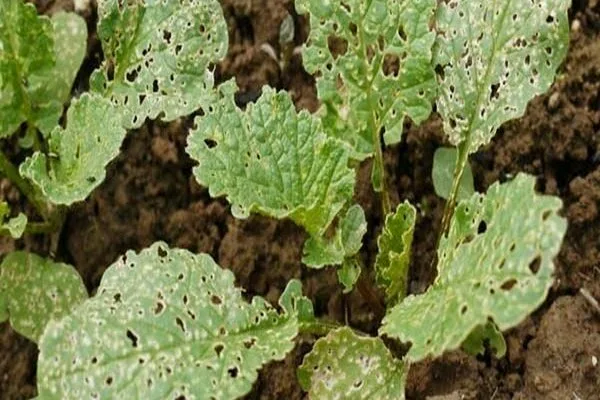
- Cruciferous flea beetle. It leaves holes in the leaves, giving them a sieve-like appearance. To combat this, use a solution of laundry soap or sprinkle wood ash on the soil around the plants.
- White butterfly. Caterpillars actively consume leaves, leaving large holes and skeletonizing them. Damaged leaves appear devoured and may lose shape and structure. Prepare a solution of 15 g of pepper, 25 g of mustard powder, and 60 g of salt per 10 liters of water and spray the plants with it.
If this method does not help, use insecticides Actellik and Fitoverm. - Kila. Causes yellowing of the tops and the formation of growths on the roots. Apply a lime solution.
- Bacteriosis. It manifests itself as wilting of the tops and rotting of the roots. Treat with Bordeaux mixture.
- Blackleg. It causes blackening and rotting of the stems, and wilting of the foliage. A copper sulfate solution is effective for control.
Infection often occurs due to violations in agricultural practices, so it is important to follow all plant care recommendations.
Harvesting and storage
Zarya radishes are harvested 27-30 days after sowing. To keep the radishes fresh longer, generously water the bed 2-3 days before harvesting to saturate the radishes with moisture. If you plan to eat them within 1-2 weeks, store them in the refrigerator.
For longer storage, keep vegetables in the cellar for up to several months. Remove the tops first and place them in jars filled with water, tightly sealed with lids.
Positive and negative qualities
The crop has many advantages that make it popular among gardeners. It's important to research the benefits beforehand to avoid potential difficulties.
Pros:
Review of reviews
Zarya radish is a popular variety among gardeners due to its excellent characteristics. It's the best choice for those seeking a high-quality harvest. Not only does it grow quickly, but it also boasts excellent flavor, making it ideal for a variety of culinary recipes. Proper care is essential.