
The Sosulka radish has gained popularity among gardeners due to its low maintenance and high-quality fruit. This late-ripening variety boasts consistent yields and excellent flavor, making it an excellent choice for both experienced and novice gardeners. It's important to understand its key features, care requirements, advantages, and disadvantages.
Introduction to the variety
This crop is very popular among gardeners, and many choose the Sosulka variety. It is intended for outdoor cultivation. Below are the main characteristics and benefits.
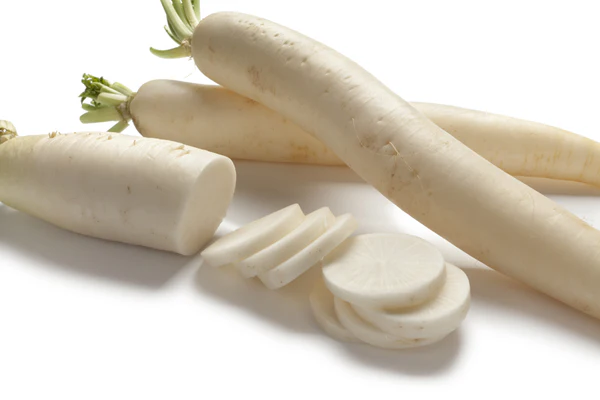
Characteristics of the appearance of the plant and root crops
The plant has an upright rosette of leaves. The leaves are narrow, obovate, moderately pubescent, and grayish-green in color. The petioles are tinted anthocyanin.
Taste and purpose
Characterized by a piquant, semi-hot flavor, the vegetable is added to salads and various prepared dishes.
The health benefits of Icicle radish
Regular consumption of root vegetables helps strengthen the immune system and enhance its protective functions. Thanks to their vitamin C content, they help fight inflammation and infections.
Other characteristics of the variety:
- Benefits for the cardiovascular system.
- Potassium helps lower blood pressure and maintain a healthy heart rhythm, while magnesium helps relax vascular muscles and reduce the risk of heart disease.
- Positive effect on digestion.
- The fiber contained in the vegetable helps improve bowel function and prevent constipation.
- It has diuretic and choleretic properties, promoting the elimination of waste and toxins.
- Contains antioxidants that protect the body from free radicals and reduce the risk of diseases, including cancer.
- The vegetable is beneficial for the skin due to its antiseptic and anti-inflammatory properties.
Including radishes in your diet can improve your overall health. However, before using them for medicinal purposes, it is recommended to consult a doctor, especially for those with pre-existing health conditions.
Ripening and yield
This is a late-ripening variety. The period from germination to harvest is 28-32 days. Productivity is good: on average, gardeners harvest about 2 kg of vegetables per square meter.
Planting radishes
Cultivating this crop doesn't require any special skills or experience, so even a novice gardener can handle the process. However, it's important to follow certain guidelines.
Deadlines
The optimal time for sowing seeds outdoors is early spring, when the soil temperature reaches 5-8°C. Planting in late summer is also acceptable to ensure a fall harvest.
Soil composition and soil requirements
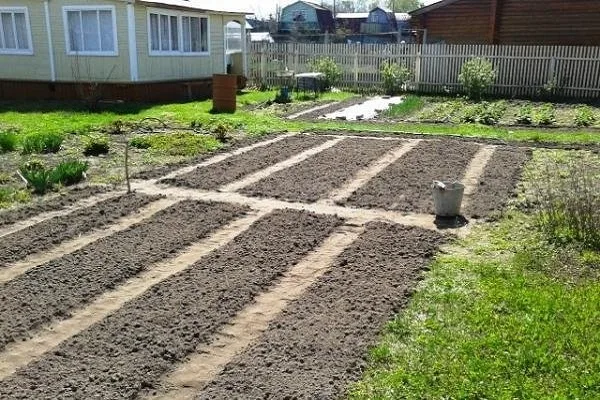
Icicle prefers light, well-drained soil rich in organic matter. The ideal composition includes high-moor peat, humus, and sand. The soil should be neutral or slightly acidic (pH 6-7). Before planting, add compost or humus to improve the soil structure and increase fertility.
Landing site
Choose a sunny or semi-shaded location. The plant dislikes shade, as this can slow growth and reduce yield. Good air circulation is important to prevent diseases.
Preparing and sowing seeds
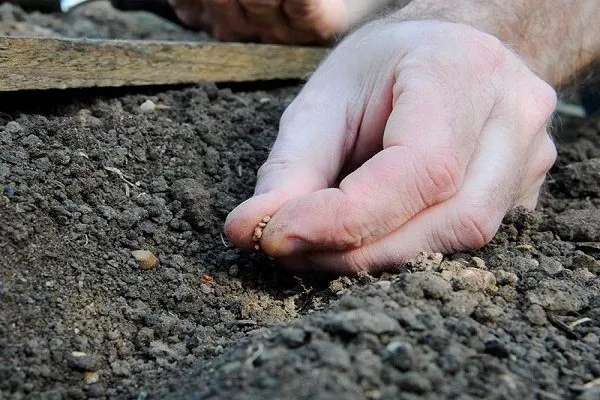
Pre-suspend the seedlings by immersing them first in hot water, then in cold water for 2-3 minutes. This will help increase germination. Plant the seeds 1-2 cm deep, spacing them 2-3 cm within a row and 15-20 cm between rows.
Agricultural technology
Plant care doesn't require much time, but regular maintenance is essential. It's important to monitor the soil, water it regularly, and loosen it to ensure a good harvest.
Plant care and formation
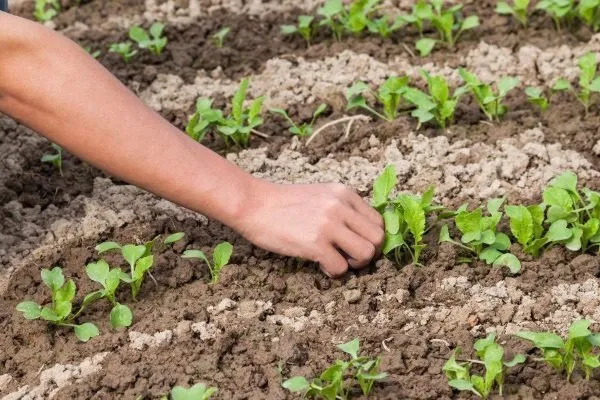
The soil should remain moderately moist and not dry out, otherwise it will negatively impact the yield and flavor of the root vegetables. The optimal time for thinning is when the seedlings have developed one true leaf. Don't delay this procedure, otherwise productivity will decline.
Helpful tips:
- In a greenhouse or hotbed, ventilate regularly and maintain a temperature of 16-20°C. High temperatures (above 26-28°C) can stress plants and cause them to quickly enter the stem stage, sometimes without full root development.
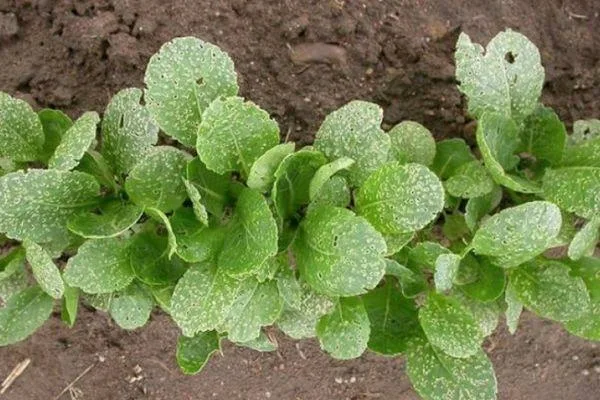
- In open ground, young seedlings can be attacked by flea beetles. To combat them, maintain soil moisture, dust with ash, tobacco, or mustard, and spray with a garlic or tomato tops decoction.
If your radish seedlings are very elongated, gently add soil between them. This will help improve the yield.
Fertilizers and dressings
In the fall, apply rotted manure or compost at a rate of 5 kg per square meter. In the spring, use superphosphate and potassium salt. During fruit formation, prepare an infusion of mullein or chicken manure (at a ratio of 1:10 with water). Apply every 2-3 weeks to maintain high nutrient levels.
Diseases and pests of radishes
With proper care, the crop is virtually disease-free. However, if agricultural practices are not followed, problems may arise, such as blackleg, which develops under high humidity and temperature conditions, especially when using fresh manure.
Follow these recommendations:
- When the base of the stems is affected, they darken and become thinner. Without timely treatment, the plants may die. To control the disease, use fungicides and copper sulfate-based compounds. Reduce watering during treatment.
- Sometimes plants are attacked by pests such as spider mites, aphids, whiteflies, or moths. If the insect infestation is small, use folk remedies, such as onion peel infusions or soap and ash solutions. In case of severe infestation, insecticides are effective.
To prevent diseases and pests, treat planting material with Trichodermin or Fitosporin.
Positive and negative qualities
Reviews
The Sosulka radish boasts numerous advantages, including excellent flavor and productivity. This variety can satisfy the needs of both novice and experienced gardeners. It will delight you with juicy and healthy vegetables, provided you follow proper gardening practices and devote a little attention and care.