
The Siberian Giant radish attracts attention with its impressive size and excellent taste. It's ideal for both experienced and novice gardeners thanks to its low maintenance and high productivity. This plant will reward you with generous harvests, but only with timely and careful care.
Introduction to the variety
This large and popular variety is suitable for both open-field and greenhouse cultivation. It is characterized by rapid ripening: the roots reach maturity 25-30 days after sowing.
This variety is characterized by good resistance to common diseases and pests, making it a reliable choice for producing high-quality vegetables even in unfavorable conditions.
Characteristics of the appearance of the plant and root crops
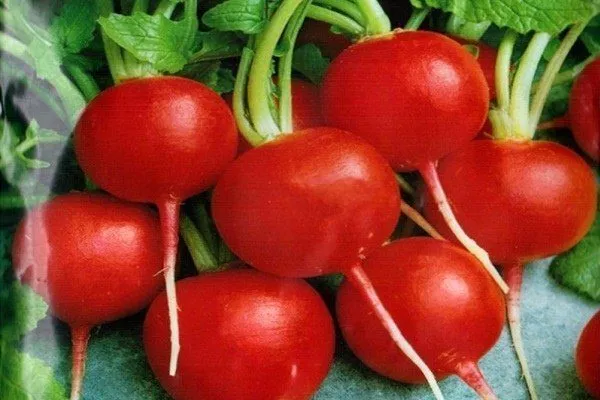
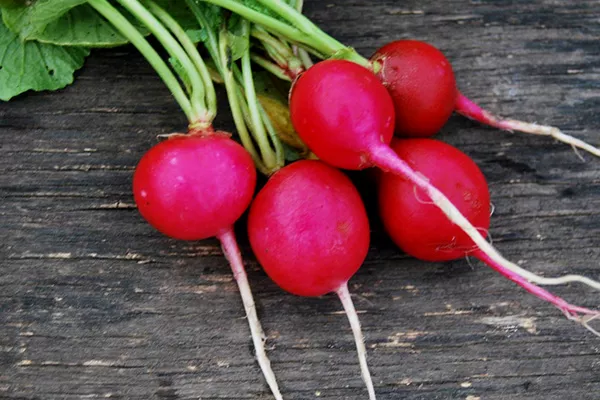
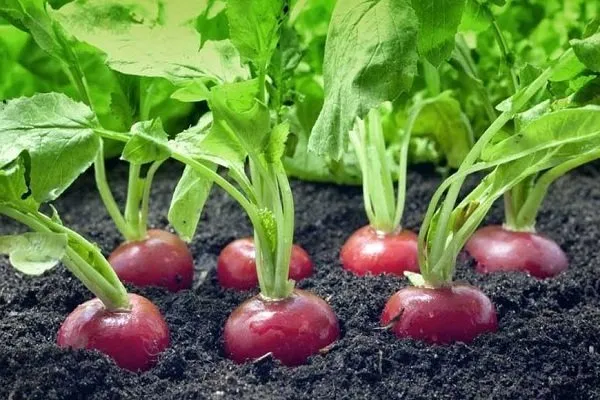
Radishes have a round shape. They grow large, reaching up to 7 cm in diameter. Their weight ranges from 95 to 100 g. The skin is bright red, and the flesh is white, dense, and juicy, without voids or fibers.
Taste and purpose
Its mild, slightly spicy flavor makes it excellent for eating fresh. It's perfect for adding to salads, cold appetizers, and sautéed dishes. Its juicy texture makes it a great addition to a variety of dishes, adding a fresh and piquant flavor.
Planting radishes
For successful cultivation, choose the right site and prepare the soil. Follow these recommendations:
- The optimal location is a well-lit bed with light partial shade during hot hours.
- The soil should be fertile, loose and well-drained, with a neutral or slightly acidic reaction (pH 6-7).
- The best predecessors are legumes, tomatoes, cucumbers, and potatoes. Avoid growing radishes after cabbage or other cruciferous crops due to the potential for pest and disease accumulation.
- In autumn, dig up the beds to a depth of 20-25 cm, add humus or compost (4-5 kg per 1 sq. m) and mineral fertilizers (superphosphate, potassium salt).
- In the spring, loosen the soil further, removing weeds and debris from last year's plants. Immediately before sowing, add wood ash to enrich the soil with potassium and improve its structure.
- ✓ The soil pH level should be strictly within 6-7; a deviation of even 0.5 units can significantly reduce yield.
- ✓ The soil must contain at least 4% organic matter to provide the necessary nutrition for root crops.
Sowing algorithm:
- Place the planting material into the furrows as soon as the soil warms up to +4-6°C.
- Sow seeds in rows with 10-15 cm spacing, keeping a distance of 4-5 cm between sprouts. Planting depth is 1-1.5 cm.
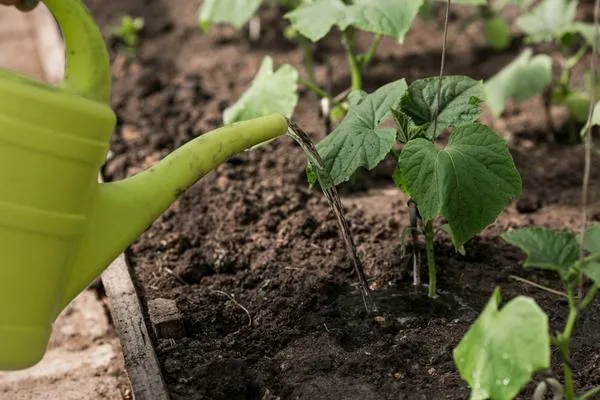
- Gently water the bed with warm water, avoiding soil erosion. Maintain moderate moisture throughout all stages of growth, especially during root formation.
Agricultural technology
Crop care plays a key role in ensuring a high yield and quality of vegetables. Basic measures include standard procedures.
Plant care and formation
Keep the soil moderately moist, but don't allow it to dry out, as too little water will negatively impact the yield and flavor of root vegetables. Follow these guidelines:
- Thin the plants when the first true leaf appears. Don't delay this procedure, as this will reduce yield.
- Ventilate greenhouses and hotbeds regularly and maintain an optimal temperature of 16-20°C. Temperatures above 26-28°C stress plants and may prematurely enter the stem stage, skipping root development.
- In open ground, young seedlings are often attacked by the cruciferous flea beetle. Timely control is crucial. Keep in mind that this insect does not tolerate wet soil.
Effective methods of protection include regular watering, dusting with ash, tobacco dust, mustard, and spraying with infusions of garlic or tomato tops.
- ✓ Pest activity increases sharply at temperatures above +20°C and low soil moisture.
- ✓ The first signs of damage are small holes in the leaves, mainly along the edges.
If the seedlings are stretching, carefully add soil between them. This will promote better root development and increase productivity.
Fertilizers and dressings
When the first true leaves emerge, apply phosphorus and potassium to strengthen the root system and promote proper root formation. Use complex mineral fertilizers with low nitrogen content, such as superphosphate (20-30 g per 10 liters of water) and potassium sulfate (15-20 g per 10 liters of water).
Next, follow the recommendations:
- Apply a second feeding as needed if growth slows or the plants' condition deteriorates. In this case, organic solutions are effective, such as mullein infusion (in a 1:10 ratio with water) or a yeast solution (10 g dry yeast and 50 g sugar per 10 liters of warm water, let steep for 2-3 hours).
These fertilizers enrich the soil with microelements and activate growth. - If signs of micronutrient deficiency appear, such as yellowing leaves or poor vegetable development, additionally dust the tops with ash (50-100 g per 1 sq. m) or prepare an infusion from it (200 g per 10 l of water, leave for 2-3 hours).
It enriches the soil with potassium, calcium and other useful elements, improving plant nutrition.
Moderation is key: too much fertilizer can lead to nitrate accumulation and reduced quality. Fertilize the crop in the morning or evening hours while the soil is moist to improve nutrient absorption and minimize the risk of root burn.
Harvesting
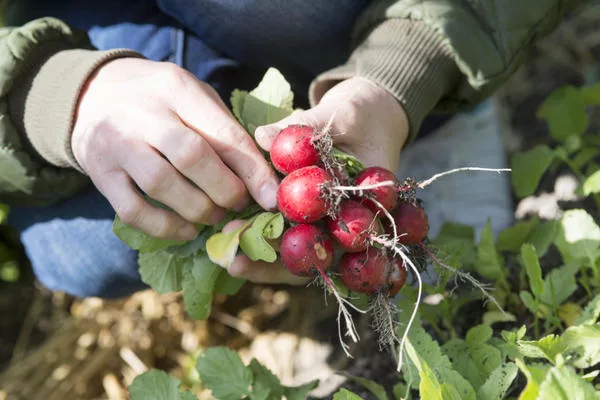
Harvest vegetables promptly to avoid overgrowth and the formation of voids in the flesh. Pull vegetables carefully to avoid damaging neighboring plants. After harvesting, clean them from the soil and trim the tops, leaving a 2-3 cm tail to preserve their juiciness.
Positive and negative qualities
It's important to carefully study the advantages and disadvantages of a variety before growing it in your garden. This will help avoid any potential difficulties. The Siberian Giant has the following advantages:
Among the disadvantages, some gardeners note:
Reviews
The Siberian Giant radish is an excellent choice for those who want large, tasty vegetables with minimal effort. Attractive appearance, pleasant flavor, and good yield are the hallmarks of this variety. With proper care, you'll achieve maximum yields.