
French Breakfast radish is an excellent choice for those who want to grow delicious, high-quality vegetables with minimal effort. Its low maintenance and tolerance to adverse conditions make it a versatile and reliable option for any garden. Following simple care guidelines will help you produce large quantities.
History of selection
Officially approved for cultivation in 2003, it was developed by specialists from the scientific and production company "Russian Seeds."
Introduction to the variety
French Breakfast is the name of one popular variety of radish. It has been successfully cultivated for several years and is grown successfully throughout the season.
Description of tops
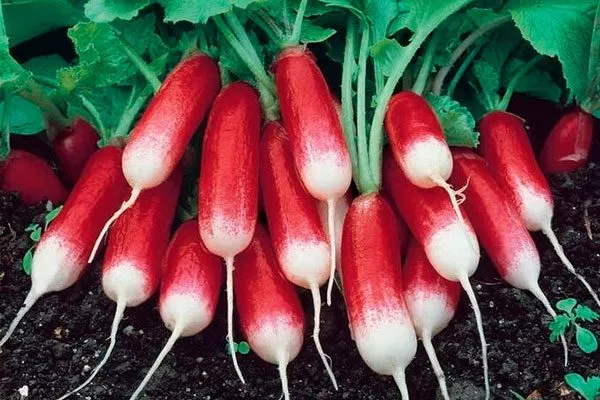
The plant forms a semi-erect rosette of leaves. They are yellow-green, moderately pubescent, and obovate in shape. The petioles are characterized by anthocyanin coloration.
Shape, color and size of the root crop
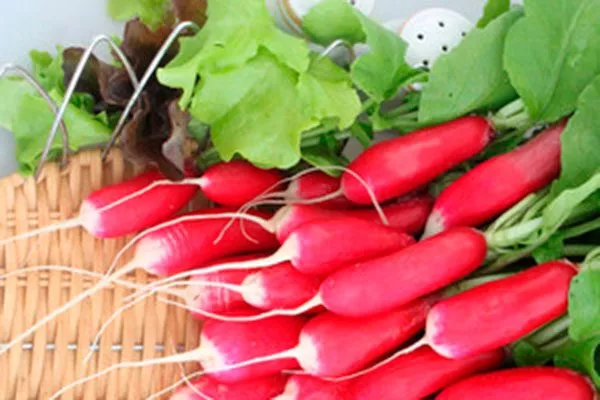
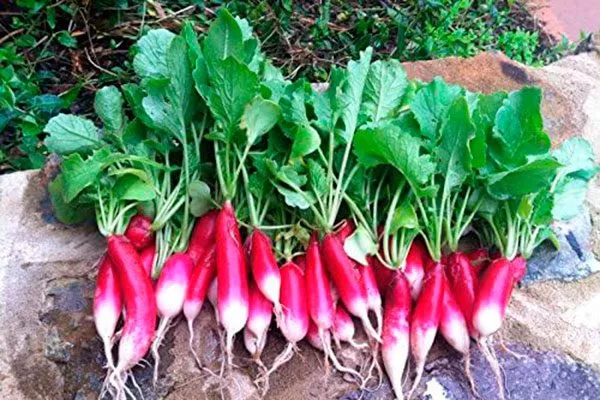
The vegetables are elongated and cylindrical, weighing approximately 12 grams each. Their diameter averages 2-3 cm, and their length is 4-5 cm. The head is flat, and the skin is bright red with a pink tip. The fruits are uniform, with juicy and moderately firm white flesh.
Taste and uses
These vegetables are mildly spicy and piquant. They have a wide range of uses: they are eaten fresh as a stand-alone dish or used to make cold soups (such as okroshka), summer salads, and appetizers.
Maturation
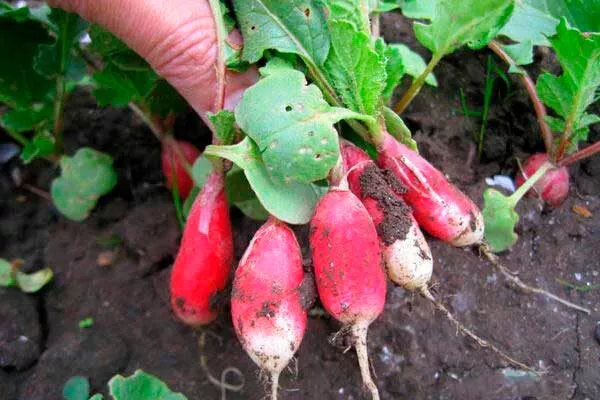
The crop is ready for harvesting approximately 23-25 days after the first shoots appear, although in some cases the period may increase to 30 days.
Productivity and shelf life
On average, gardeners harvest 1.3 kg per square meter, which is quite high for this crop. In a cool room or refrigerator at temperatures no higher than 4°C, radishes can be stored for over 30 days without losing their marketable appearance.
Where is it recommended to grow?
One of the crop's main advantages is its versatility: it can be successfully grown both outdoors and in protected areas. Radishes adapt well to various climatic conditions, therefore growing well in all regions of the country.
Preparing seeds for sowing
Planting material intended for greenhouse use requires no additional treatment. However, for open ground, more careful preparation is required – select plants by size and weight.
- ✓ Optimal seed size: 2.1-2.3 mm in diameter, without mechanical damage to the shell.
- ✓ Specific gravity: not less than 0.85 g/cm³ when immersed in saline solution.
- ✓ Seed moisture before soaking: 8-10%, exceeding this level leads to rotting during germination.
- ✓ Shelf life: no more than 3 years from the date of collection, with an annual loss of germination of 15-20%.
Check the seeds by placing them in a 5% salt solution: remove any that float to the surface, and rinse the remaining ones under running water and soak them for several days in a damp cloth or gauze until they begin to germinate.
Features of cultivation
This radish variety is grown year-round: in the garden from April to September, and in a greenhouse the rest of the year. With proper care, it will reward you with a bountiful harvest.
In open ground
Choose fertile, sunny, well-drained sites with low nitrogen levels. Consider the previous crops to ensure optimal growing conditions and avoid potential problems.
- 14 days before sowing, add dolomite flour at a rate of 400-500 g/m² to normalize the pH to 6.0-6.5.
- Within 7 days, carry out deep loosening to a depth of 25-30 cm while simultaneously adding humus (4-5 kg/m²).
- 2 days before sowing, perform final leveling of the surface by compacting the top layer with a 50-70 kg roller.
Radishes grow well after the following crops:
- legumes;
- onion;
- potato;
- garlic.
Do not plant French Breakfast after:
- turnips;
- cabbage;
- beets;
- carrots.
Sow throughout the season at 14-21 day intervals to ensure a long harvest. Germination occurs at 2°C, but the optimal temperature for root formation is around 18°C.
Step-by-step algorithm:
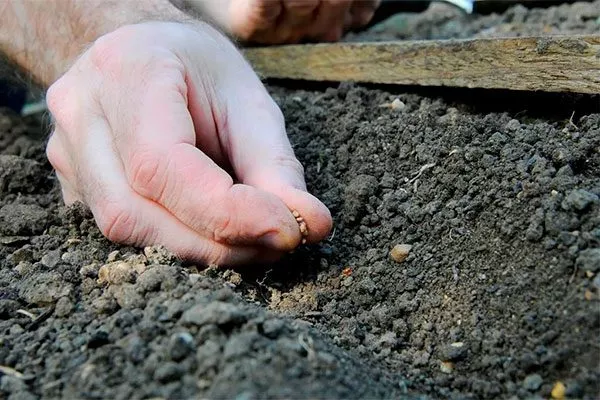
- Place seedlings in moistened furrows at a depth of about 1.5 cm. The distance between rows should be 15-20 cm, and between seeds – 5 cm, which helps avoid the need for thinning.
- Until the first sprouts appear, cover the bed with plastic film, removing it during the day.
- In winter, simplify the process by gluing the seeds to paper strips with a special adhesive. This will reduce planting time, as all you have to do is spread the strips into the furrows.
Water the radish twice a week and be sure to loosen the soil every other day.
In the greenhouse
Plant after cucumbers, peppers, and tomatoes have been grown indoors. Radishes will not grow well if grown after cabbage, turnips, carrots, and beets.
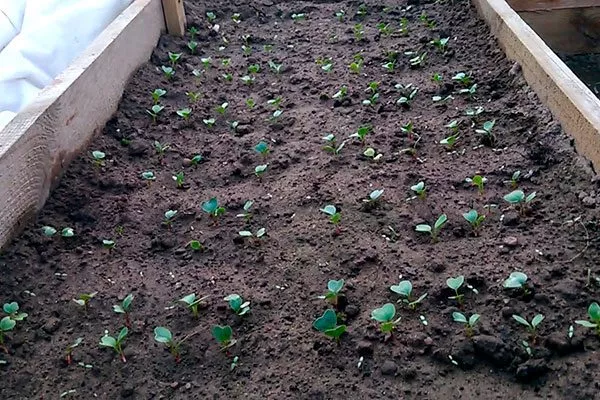
- ✓ Optimal air humidity: 65-70%, if it exceeds 80%, the risk of fungal diseases increases by 60%.
- ✓ CO2 concentration: 400-600 ppm, when it drops below 300 ppm, photosynthesis slows down by 35%.
- ✓ Air flow speed: 0.3-0.5 m/s to prevent air stagnation and ensure uniform temperature distribution.
- ✓ Lighting intensity: 15-20 thousand lux for 12-14 hours a day.
Use biological heating methods: spread a layer of rotting manure on the soil, then cover it with soil. However, if severe frosts are expected, use heating devices.
Care Features
Proper crop care is essential for achieving high quality and yield. Regular irrigation, temperature control, and optimal growing conditions promote healthy root development and prevent disease.
Watering
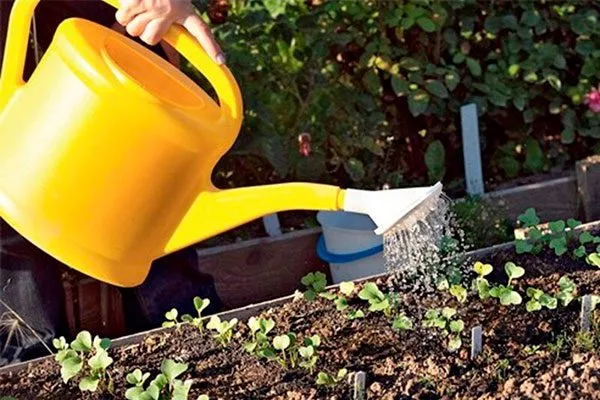
After each treatment, loosen the soil. Adjust the frequency to prevent the soil from drying out. In hot weather, water the seedlings daily. Do this moderately, no more than 2-3 times a week, to prevent premature flowering and retain moisture in the soil.
Thinning
Five days after germination, remove weak plants to prevent shading and elongation of the shoots. The tops need sufficient space to develop properly; the optimal distance between seedlings is 2-3 cm.
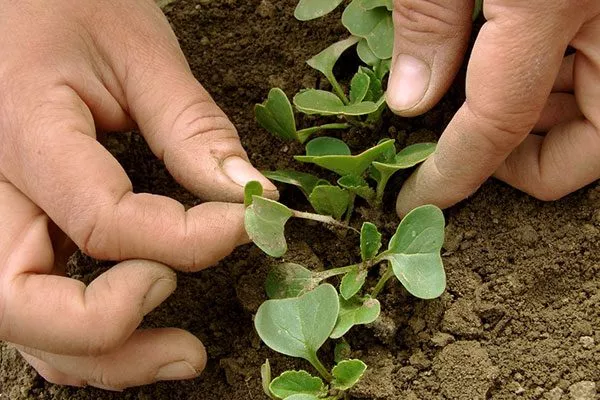
Basic rules for thinning:
- carry out the procedure in the evening, especially after watering;
- When removing sprouts from the ground, hold the soil with one hand;
- After thinning, firm the soil around the remaining plants.
Repeat the procedure one month after sowing. During this period, the interval should be 5-6 cm. Weed the beds to remove weeds and improve soil aeration.
Top dressing
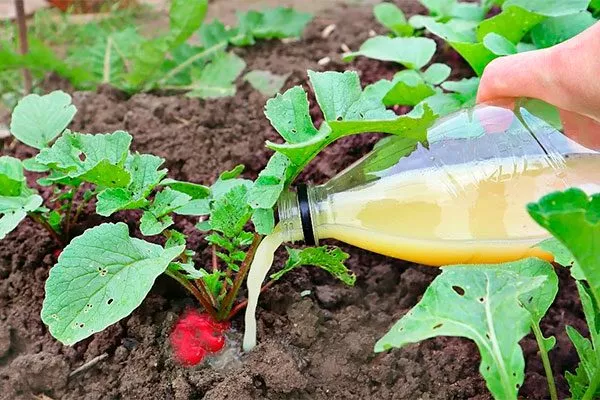
Apply organic fertilizers in the fall when tilling the soil. In the spring, before planting, apply a mineral fertilizer. In fertile areas, the organic matter added the previous year is sufficient in the fall. For enrichment, add humus, compost, or a mineral fertilizer.
| Fertilizer type | Deadline for submission | Consumption rate | Nitrogen content | Period of validity |
|---|---|---|---|---|
| Cattle humus | Autumn | 5-6 kg/m² | 0.5% | 8-10 months |
| Vegetable compost | Spring | 3-4 kg/m² | 0.8% | 4-6 months |
| Chicken manure | 30 days before sowing | 0.5-0.7 kg/m² | 2.5% | 3-4 months |
| Biohumus | When landing | 1-1.5 kg/m² | 1.2% | 5-7 months |
Pests and diseases
It's crucial to fertilize and feed radishes regularly to strengthen their immune system. Improper care can lead to unpleasant consequences:
| Disease/Pest | Signs | Methods of struggle |
| Vascular bacteriosis | Blackening of veins, yellowing, crumbling and falling of leaves. | Spray with 1% solution of Bordeaux mixture. |
| Blackleg | Deformation and yellowing of foliage, blackening at the base of the rosette. | Avoid neglecting the plantings; treat them with a solution of 16 g of copper sulfate and 50 g of laundry soap.
|
| Powdery mildew | Powdery coating on leaves, deformation and drying out.
| Treat with fungicides or Bordeaux mixture. |
| Kila | Wilting and yellowing of foliage, spherical growths on the roots. | Spray with a solution of slaked lime (240 g per 10 l of water). |
| Cruciferous flea beetle | Small black bugs gnaw out fragments of leaves, growth stops, and they dry out. | Feed with liquid manure in a timely manner, treat with powder from tobacco dust and wood ash (once a week). |
| White butterfly | Caterpillars eat leaves. | Treat with a solution of 80 g mustard, 80 g salt and 10 g chili pepper powder per 10 liters of water. |
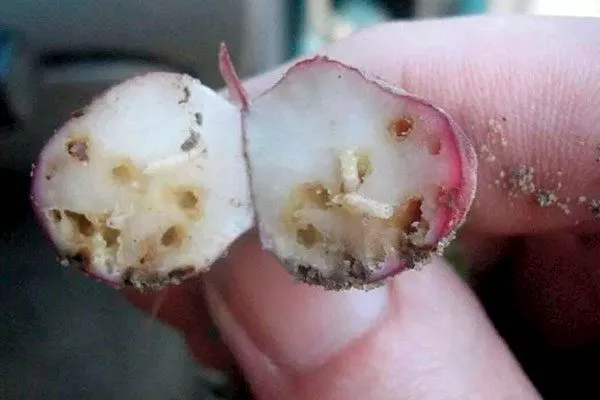
| Cabbage fly and cabbage moth | The larvae feed on the sap of root crops. The plants wither. | Use Malathion and biological products for control. Remove plant debris in the fall. |
| Cruciferous bug | Because of the orange-striped bugs, root crops dry out. | Spray with an infusion of henbane or datura. |
Problems in growing
French Breakfast radish is relatively easy to grow, but problems during cultivation can arise due to improper care. Let's take a closer look:
The seeds do not germinate. Low seed quality, deep sowing.
- The root crop does not form. Dense crops, over-watering of the bed, insufficient lighting, excess nitrogen in the soil.
- Bitter fruits. Uneven moisture distribution.
- The radish is bursting. A sharp change in moisture in the garden bed.
Sometimes gardeners encounter the problem of excessive foliage growth and flowering. This occurs due to excessive weeding, loosening, thinning, and excessive fertilization.
Harvesting and storage
Harvesting is fairly simple, as they ripen simultaneously. Use wooden boxes with ventilation holes and store them in a basement with a temperature of 4 to 8°C.
Similar varieties
| Name | Root shape | Peel coloring | Dry matter content | Resistance to flowering |
|---|---|---|---|---|
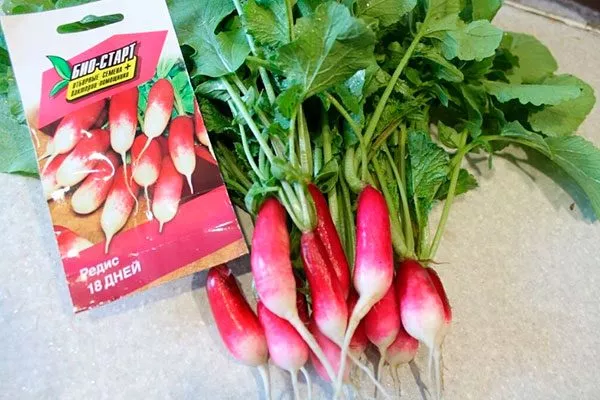
| 18 days | Rounded | Red-pink | 4.2% | Average |
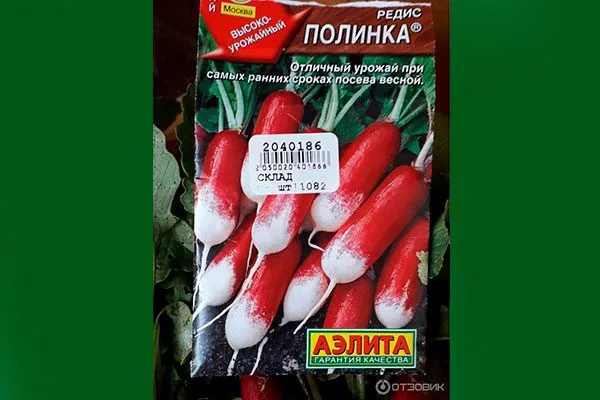
| Polinka | Cylindrical | Bright red | 4.8% | High |
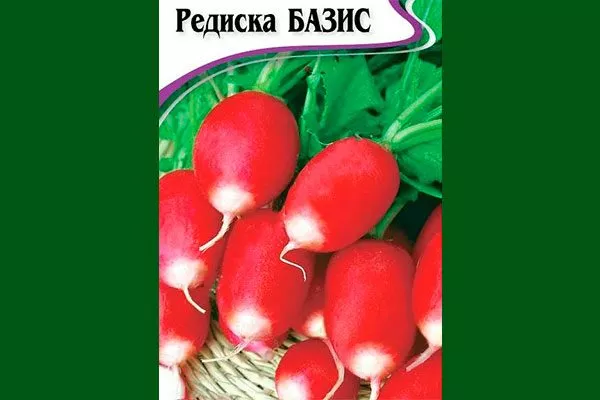
| Basis | Oval | Red with white tip | 5.1% | High |
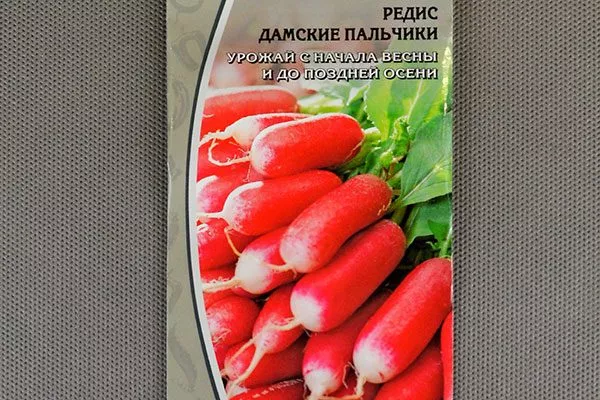
| Lady fingers | Elongated cylindrical | Pink-red | 4.5% | Average |
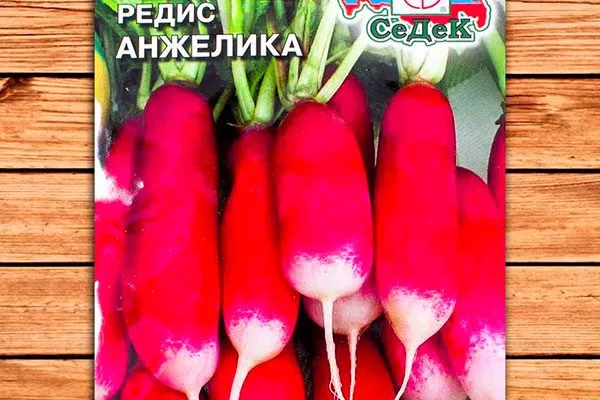
| Angelica | Cylindrical | Bright red | 4.7% | High |
French Breakfast shares characteristics with other varieties distinguished by their cylindrical fruit shape. These include the following early-ripening varieties:
- 18 days - 18-25 days.

- Polinka - 20 days after sowing.
- Basis – with a maturation period of 21 to 23 days.
- Ladies fingers - Ready for harvest in 21 days.
- Angelica – harvested 21 days after sprouts appear.
Positive and negative qualities
Before growing the crop, it's important to understand the advantages and disadvantages to avoid potential difficulties. French Breakfast has many advantages:
Review of reviews
The French Breakfast radish is a popular choice among Russian gardeners. This is due to its low maintenance and excellent taste. This variety is characterized by early ripening and resistance to adverse weather conditions and diseases. It is important to understand all the characteristics of this crop, its advantages, care methods, and potential problems.