
The Russian Size radish is one of the most impressive varieties, attracting both experienced and novice gardeners thanks to its large roots and excellent flavor. It quickly gained popularity due to its high yield and low maintenance. The key is proper cultivation practices.
History of selection
Developed by Russian breeders at the Gavrish agricultural firm, it was registered in the State Register of Breeding Achievements of Russia in 2005.
Introduction to the variety
Russian Size is a popular radish variety known for its juicy flavor. It's excellent for fresh eating and can be successfully grown both outdoors and in greenhouses.
Characteristics of the appearance of the plant and root crops
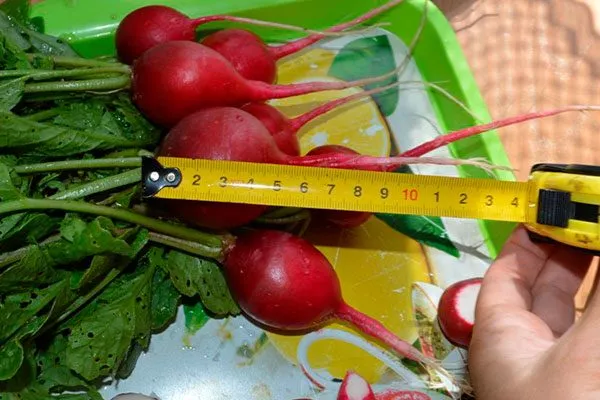
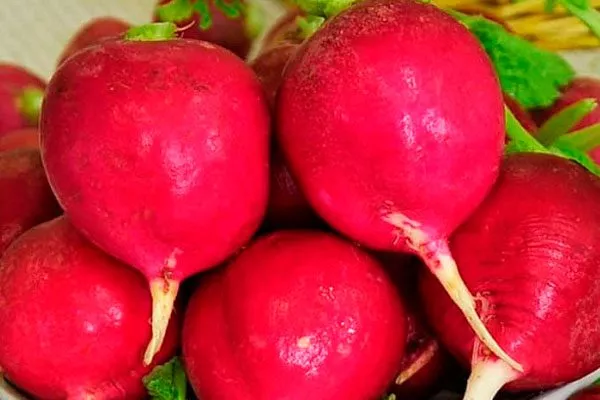
The vegetables are round or oval in shape, weighing between 100 and 400 grams, making them one of the largest of the many varieties. The diameter can reach 10 cm. The skin is bright purple, and the flesh is white and juicy.
Taste and purpose
The vegetable is eaten fresh. The juicy and tender flesh is characterized by a mild spiciness, giving the root vegetable a distinctive flavor. It is piquant and pleasant. The aroma is fresh and rich.
Ripening and yield
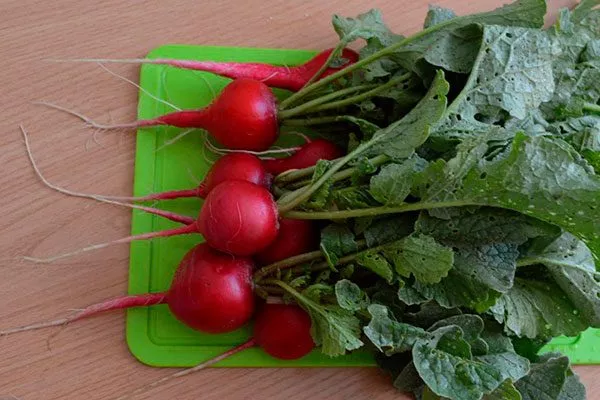
The crop matures quickly. After germination, the plant grows vigorously. Harvesting begins in just 30-45 days. Productivity is excellent: 3-4 kg per square meter is harvested, provided proper care and proper agricultural practices are followed.
Planting radishes
The plant prefers well-lit areas but can also grow in light partial shade. It thrives best in open, sunny beds, as insufficient light can cause the tops to stretch and the root vegetables to lose flavor.
Follow these recommendations:
- Avoid low-lying and flooded areas, as the variety does not tolerate stagnant moisture.
- For good growth, alternate it with other crops and do not plant it after cruciferous vegetables (cabbage, radish) to avoid the appearance of pests and diseases.
- The soil should be light, fertile, and well-drained. Loamy or sandy loam soils with a neutral acidity (pH 6-7) are ideal.
- In autumn, dig up the area to a depth of 20-25 cm and add organic fertilizers (humus or compost) at a rate of 3-4 kg per 1 sq. m.
- In spring, loosen the soil and add mineral fertilizers if necessary: Superphosphate (20-30 g per 1 sq. m) and potassium salts (15-20 g per 1 sq. m).
- Before sowing, add wood ash to improve the nutritional properties of the soil and repel some insects.
- ✓ Optimum soil temperature for sowing: +8-10°C.
- ✓ Maximum seeding depth: 2 cm, otherwise germination will slow down.
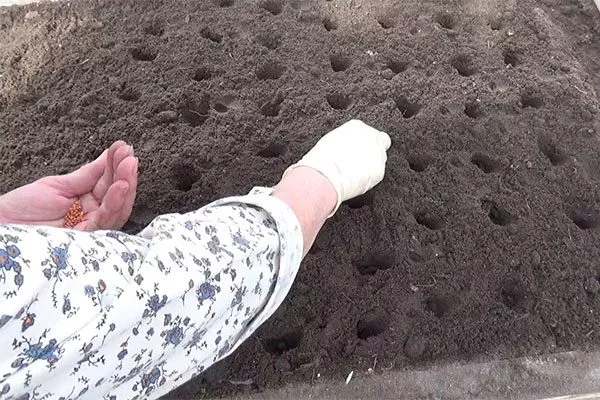
Landing algorithm:
- Prepare furrows 1-2 cm deep with a row spacing of 10-15 cm.
- Sow the seeds 3-5 cm apart. If the seeding is too dense, thin the plants out later, leaving 5 cm between them.
- Sprinkle with a thin layer of loose soil and compact gently.
- Moisten with warm, settled water from a watering can with a fine strainer so as not to wash away the soil.
If necessary, cover with film or agrofibre before seedlings emerge to speed up germination and protect from sudden temperature changes.
Agricultural technology
Caring for the crop is key to achieving a high yield and high-quality root vegetables. It's important to monitor its health. Without proper care, vegetables can lose flavor and shape.
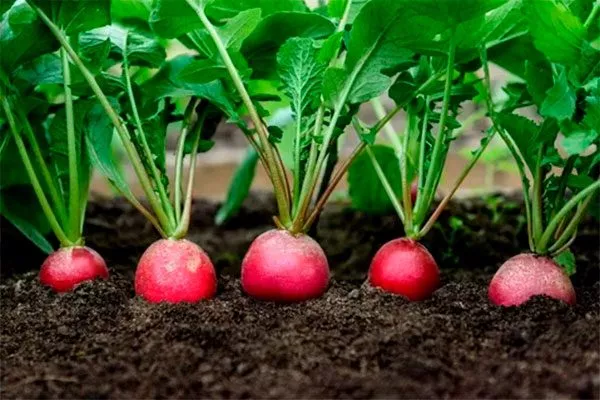
Plant care and formation
Ensure regular watering, as the soil should remain moderately moist and not dry out. Insufficient moisture negatively impacts the yield and flavor of vegetables.
Thin out plants when the first true leaf appears. Ventilate greenhouses or hotbeds and maintain temperatures between 16-20°C. High temperatures (above 26-28°C) stress the seedlings, which can lead to premature stem formation, bypassing the vegetable development stage.
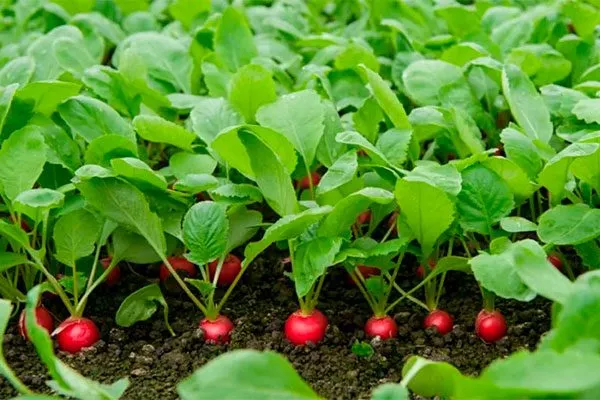
Fertilizers and dressings
During the initial growth stage, the plant requires nitrogen to develop foliage. Use an ammonium nitrate solution (10 g per 10 liters of water) or a mullein infusion at a ratio of 1:10. Water at the roots, avoiding contact with the leaves.
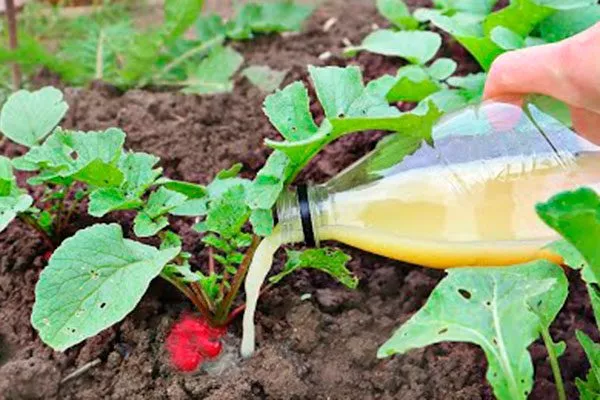
Once vegetables begin to grow actively, apply phosphorus and potassium to improve the taste and texture of the fruit. Superphosphate (20 g per 10 liters of water) and potassium sulfate (15 g per 10 liters of water) are effective. Apply fertilizer in the evening, after watering.
If plants appear weak or stunted, add wood ash—it's rich in potassium, calcium, and micronutrients. Dust or add it to the soil at a rate of 200 g per square meter.
Diseases and pests of radishes
Despite the plant's strong immunity, it can be susceptible to pests and diseases. If not properly cared for, the following problems may occur:
- Cruciferous flea beetle. Tiny black beetles that chew leaves, leaving tiny holes. This causes them to curl and fall. To control them, use insecticides such as Iskra or Aktara. Effective preventative measures include dusting with wood ash, tobacco, or mustard.
- Downy mildew (peronosporosis). Yellow spots appear on the underside of leaves and quickly increase in size. They may develop a whitish or grayish coating, especially in high humidity conditions. Apply fungicides such as Ridomil Gold or Topaz. Improve ventilation and avoid overwatering.
- Powdery mildew. White, powdery spots form on the tops, growing larger and merging over time. The leaves become brittle and may dry out. Fungicides such as Fundazol or Skor will help. Regular ventilation of greenhouses and removal of infected plants will prevent the spread of the disease.
- Fusarium wilt. The leaves become wilted and yellow, and the roots show signs of rot. The seedlings gradually die. Treat them with Previkur or Topsin fungicides. Practice crop rotation.
- Ascochytosis. Leaves become covered with gray-brown spots with dark edges, causing them to drop prematurely. Fruit becomes bitter and deformed. Spray with Bordeaux mixture or copper sulfate.
- White rot. Wet spots with a whitish coating resembling a web appear at the base of the stem or root. This leads to death. Fungicides such as HOM or Ordan will help.
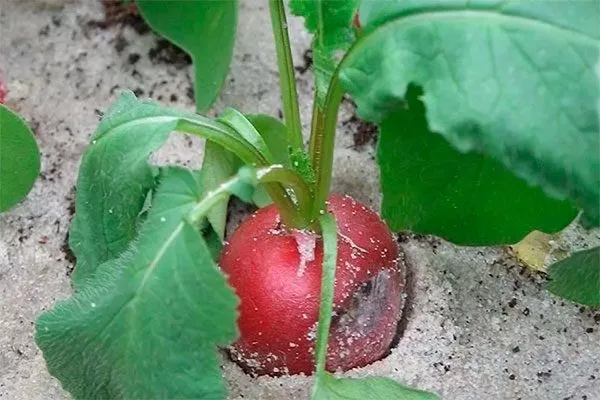
Early detection and treatment of diseases and preventative measures will help maintain crop health and ensure a high-quality harvest.
Positive and negative qualities
To avoid any difficulties, carefully study the advantages and disadvantages of the variety. Russian Size has many advantages:
Among the negative qualities, some gardeners note sensitivity to overheating and high humidity, the need for timely thinning, and susceptibility to rot.
Reviews
The Russian Size radish is an excellent choice for both beginner and experienced gardeners. It boasts numerous advantages, including generous yields and a strong immune system. Following the care recommendations will help maximize the plant's potential.