
The Rudolf radish is distinguished by its rapid ripening, good productivity, and excellent taste. This hybrid has gained popularity among gardeners due to its consistent yield and tolerance to temperature fluctuations. It's important to understand the variety's characteristics, its advantages and disadvantages, and ensure consistent and timely care.
History of selection
It was developed by the Dutch company Bejo Zaden BV and approved for use in 2002. Since then, it has become popular among many gardeners.
Introduction to the variety
Rudolf F1 is one of the most popular and highly regarded radish varieties. Gardeners consider it reliable and delicious, noting its good germination rate, high yield, and extremely fast ripening.
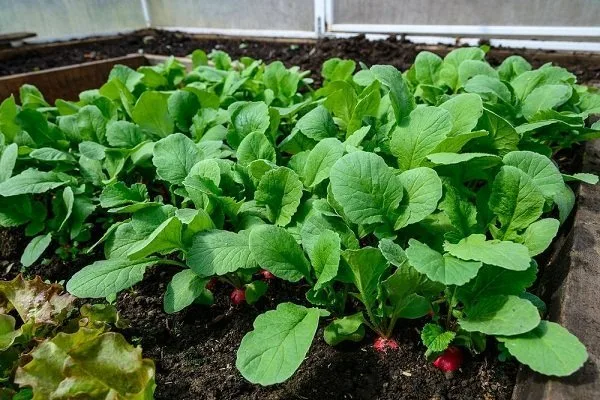
Description of tops
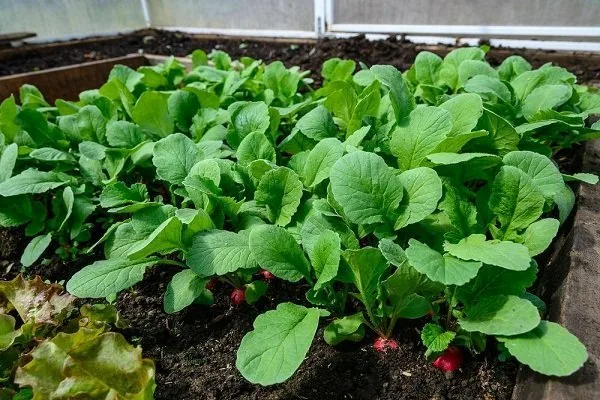
The hybrid forms a rosette of leaves that range from erect to semi-erect. Its leaves are rounded, obovate, yellowish-green, and slightly pubescent. The petiole is distinguished by its anthocyanin coloration.
Characteristics of the root crop
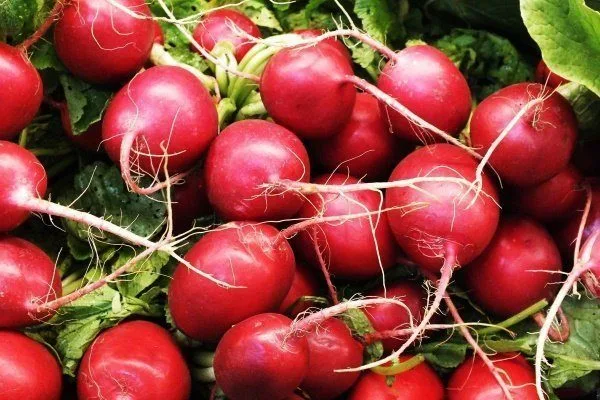
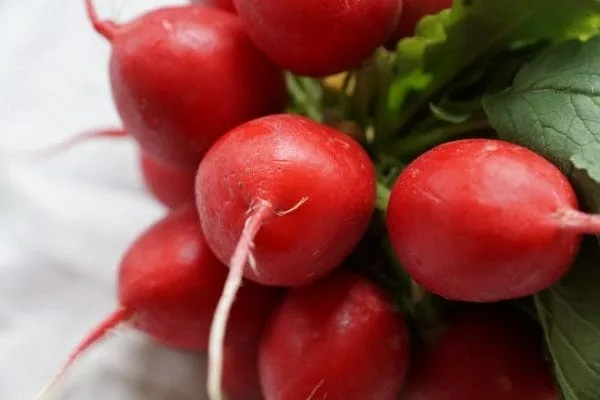
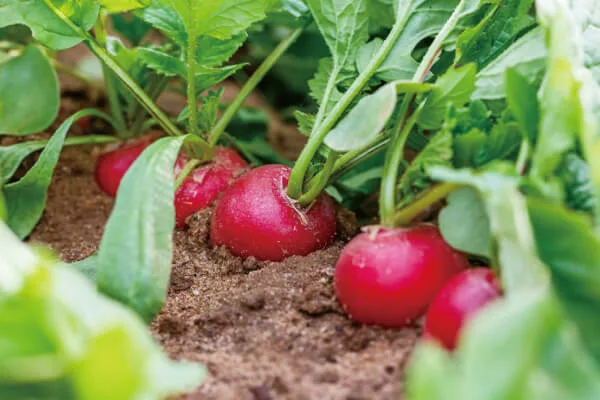
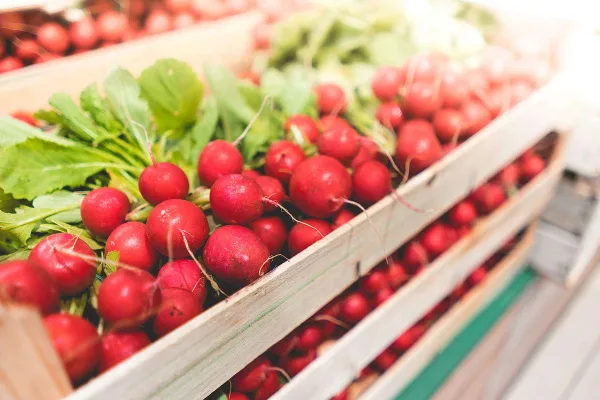
The vegetables are round, have a flat head, a smooth surface, and range in color from red to crimson. Each root vegetable weighs about 15 grams on average, which is quite a good amount.
Taste qualities
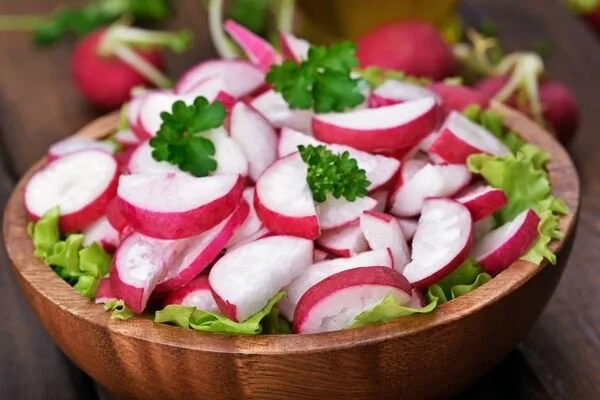
Rudolf is characterized by an excellent mildly spicy flavor with a light, semi-sharp aftertaste. It has juicy white flesh and a pleasant aroma.
What is it used for and where?
Its vibrant red or raspberry-pink color makes it a striking addition to the table. It's ideal for fresh consumption, whether in salads or as a garnish for a variety of dishes.
Ripening times under different conditions
This is an ultra-early variety: from germination to harvest takes 20-23 days. In a greenhouse, during warm and hot weather, the vegetables are harvested after just 16 days, while in the open ground and during cool periods, the ripening period increases to 25 days.
What kind of soil is best for planting?
Radishes require light, loose, and well-fertilized soil, but avoid the use of fresh manure. Soil acidity is not a major factor.
Productivity
Excellent productivity is the main advantage of this crop. Gardeners can harvest up to 3 kg of vegetables per square meter.
Landing rules
For successful cultivation, it's crucial to follow basic recommendations. Failure to follow proper agricultural practices can significantly reduce the performance and quality of root crops.
Sowing time
Day length plays a significant role for this crop. Seed formation takes longer, while root development occurs during short days.
You can get an early harvest by planting seedlings outdoors in late April or early May. In a greenhouse, plant the seedlings deeper in late March. From late July, when the days begin to shorten, repeat the process every two weeks. For winter sowing, begin when the ground has already frozen.
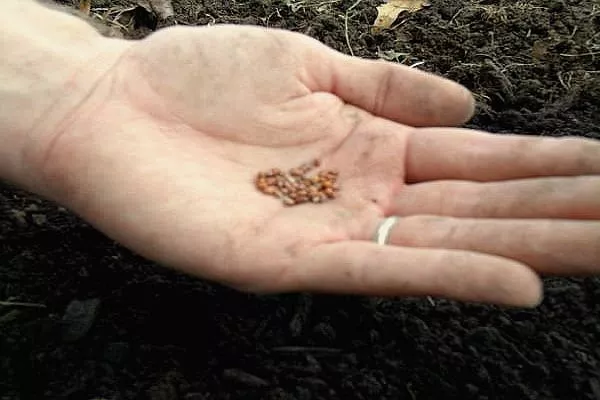
Preparing seeds for sowing
Bejo Zaden offers fully prepared seeds that require no pre-soaking. They are treated with thiram.
Prepare domestically produced seeds according to the instructions:
- Select large specimens so that they germinate faster and produce a higher yield.
- Place them in hot water at 45°C for 15 minutes.
- Wrap in a damp cloth and leave for 24 hours to swell.
Use swollen sprouts immediately after preparation; they cannot be stored.
Selecting a location and preparing beds
Radishes prefer sunny locations where the plants receive sufficient light. This promotes uniform and rapid root growth. Make sure the chosen location is protected from strong winds and does not flood during rainfall, as overwatering can lead to rot.
Preparing the beds:
- The crop doesn't require a specific pH level, but the soil should be neutral or slightly acidic. Check and adjust if necessary with lime or other suitable soil amendments.
- The beds should be well-drained to avoid waterlogging. If necessary, improve drainage with sand or compost.
- Prepare the soil by digging it to a depth of 20-25 cm. Add organic fertilizer such as humus or compost. Avoid using fresh manure, as it can lead to nitrate buildup and other problems.
- Loosen the area to remove any large clods or stones.
Create beds about 1 m wide and 20-30 cm high. This will ensure good air access to the roots and ease of care for the plants.
Features of cultivation
Avoid planting radishes where cruciferous vegetables were previously grown. It's important to follow the recommendations of experienced gardeners to maximize yields.
In open ground
A 5x15 cm pattern is recommended, where the first number indicates the distance between seeds and the second indicates the distance between rows. Avoid planting too close together. Otherwise, the root vegetables may not reach the desired size and will bolt.
Prepare the bed in the fall by adding mineral fertilizers: 20 g of superphosphate and potassium sulfate per 1 sq. m. Loosen the soil in the spring.
Sowing algorithm:
- Make furrows in the loosened bed: up to 2 cm deep in fertile soil and up to 4 cm deep in less fertile soil. In the former case, add a 2 cm layer of humus.
- Sprinkle with ash and add a small amount of nitrogen fertilizer. Too much nitrogen can make the roots flabby and ruin their round shape.
- Place the seeds at a distance of 5 cm from each other and fill the furrows with soil.
If the soil is dry, water it thoroughly.
In the greenhouse
Soil preparation in a greenhouse is similar to that for open ground, but sowing times vary. In an unheated greenhouse, sow seeds as early as March. In heated greenhouses, continue sowing year-round.
To maximize the limited space, slightly reduce the distance between rows. Monitor the air temperature by ventilating the room so it doesn't exceed 20°C. Even in an unheated greenhouse, a harvest is expected by the end of April.
Care Features
Caring for the crop involves several key aspects that promote healthy growth and high-quality root crops. Follow these simple agricultural practices:
- Watering. Regular watering helps maintain optimal soil moisture levels. Ensure it remains moist, but not waterlogged, to prevent root rot. Provide frequent watering during hot weather or when growing in a greenhouse.
- Thinning. When the seedlings begin to thicken, separate the plantings. Removing excess seedlings provides sufficient space for the vegetables to grow, helping them develop to the desired size and shape. This procedure improves air circulation around the plants.
- Loosening. Helps prevent crust formation and improve air access to the roots, promoting better absorption of water and nutrients.
- Fertilizer. Provide your plants with essential nutrients. If necessary, fertilize with organic compounds or balanced mineral mixtures.
Pests and diseases
Sometimes, even when all the necessary conditions are met, the harvest may not meet expectations. This is often due to insects or diseases. The table provides information on the most common problems and solutions:
| Disease/Pest | Symptoms | Treatment | Preventive measures |
| Blackleg | The root collar darkens and rots. | Treatment with a solution of copper sulfate (40 ml per 10 liters of warm water). | Pre-sowing heating of seeds. |
| Blackening of roots | Rot and bluish spots on the roots. | Removing diseased plants and disinfecting the soil in the greenhouse. | Use of light soils without stagnant water. |
| Downy mildew | White coating on leaves. | Removal of affected plants. | Disinfection of planting material. |
| Phoma or dry rot | White spots with black dots on all parts of the plant. | Timely weeding and proper care. | Warming up seeds. |
| Cruciferous flea beetle | Appears when the soil warms up to +10°C. | Treatment with Fitoverm, dusting wet leaves with ash. | Spraying with a solution of flea shampoo (60 ml per 10 liters of water). |
| Spring vegetable fly | Appears during cherry blossom season. | Use of Fitoverm or Karbofos. | Watering with salt water (1 glass per 10 l). |
| Cabbage white butterfly caterpillars | They cause harm to crops in the second half of summer. | Using Iskra or Fitoverm. | Planting marigolds nearby. |
Harvesting and storage
Begin selectively harvesting the vegetables after 16-20 days, when they reach technical maturity. This variety has excellent shelf life and can be stored for several months. Trim the stems, wash thoroughly, and dry. They will stay fresh in the refrigerator for up to 3 weeks.
Problems in growing
Despite the short growing season, gardeners may encounter problems when growing this hybrid. Here are the main challenges and solutions:
| Problem | Cause | Measures |
| No seedlings | Sowing too early in cold soil will cause the seeds to rot. | Warm the soil before sowing. |
| There are tops, but no root crops. | Lack of potassium, poor lighting. | Plant in a sunny place, add ash when placing the planting material. |
| Hollow and fibrous root vegetables | Excess nitrogen in the soil, planting too deep, late harvest. | Regular watering, do not bury the sprouts, timely harvesting. |
| The plants are bolting. | Late or dense sowing, damage to the root system, old seeds. | Use fresh seedlings, cultivate at the optimal time, thin out and pinch off excess plants. |
Vegetables similar to this variety
Besides the Rudolf variety, gardeners may also be interested in other early radish hybrids with round red roots and a pleasant flavor. For example, Poker and Regge are worth considering.
These varieties offer a number of significant advantages. Poker stands out for its high yield and disease resistance, as well as its early ripening, allowing for fresh produce in just 20-25 days. Reggae boasts a crisp texture and sweet flavor, with fruits ripening in 22-28 days.
Positive and negative qualities
Before growing a hybrid, carefully study its advantages and disadvantages to avoid any difficulties. Rudolf has many advantages:
Cons:
Review of reviews
Rudolf is a reliable choice for those seeking an early, high-quality radish harvest. Its early maturity, disease resistance, and excellent flavor have made it a favorite among Russian gardeners. It requires careful care to ensure good results and long-lasting enjoyment of fresh vegetables.