
The Pink-Red Radish with White Tip is an excellent choice for those looking for early, high-yielding varieties with excellent flavor. Both novice and experienced gardeners can easily grow these radishes. By following the care and planting recommendations, you'll be able to reap a bountiful, high-quality harvest all season long.
History of origin
Developed by domestic breeders, in 1940 it was approved for cultivation in almost all regions of the country, including northwest Russia, the Urals, Transbaikalia, and the Far East.
Introduction to the variety
This is one of the oldest varieties, which has long been popular with both novice and experienced gardeners. It is characterized by good productivity and simultaneous ripening of fruits.
Description of the plant, taste
The rosette is moderately dense and spreading, 20-25 cm in diameter, rising 10-15 cm above the ground. It contains 6-8 lyrate-shaped, dissected leaves. They are green with a slight grayish tint. They grow on greenish-red petioles up to 5 cm long.
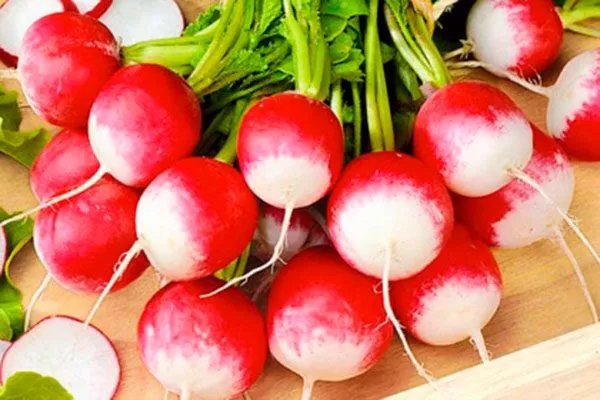
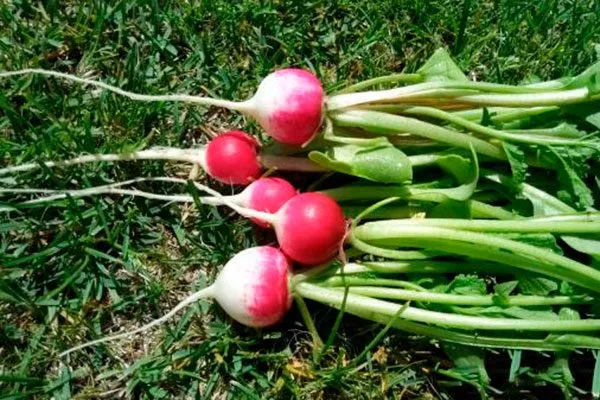
The roots have a classic round shape, measuring about 5 cm in length and approximately 4 cm in diameter. Each vegetable weighs between 15 and 25 g. The skin is primarily pink, shading to red, and the lower third is white. Beneath the smooth skin lies the white, dense, and juicy flesh.
Culinary uses
They're perfect for a variety of dishes. Fresh root vegetables are added to salads, appetizers, or used as a side dish with meat dishes. They're also used to make juices or add a little liquid to fruit and vegetable drinks, adding an interesting color and flavor.
Beneficial properties
The pink-red, white-tipped celery has a rich nutritional profile. It's beneficial for the body, including:
- Vitamin C – a powerful antioxidant that fights free radicals, stimulates the immune system, helps adapt to stress and maintains healthy skin.
- Folic acid It's important for the nervous system and the formation of new cells. It's especially beneficial for pregnant women, as it prevents birth defects in the fetus.
- Potassium regulates blood pressure, water balance, maintains normal heart rhythm and muscle function.
- Magnesium plays a key role in protein synthesis, metabolism, maintains normal heart rhythm and bone health.
- Vitamin B6 Essential for metabolism and nervous system function. It is involved in the formation of hemoglobin, which transports oxygen throughout the body.
- Calcium necessary for strong bones and teeth, normal functioning of the cardiovascular system and muscles.
Adding Pink-Red Radish with White Tip to your diet will enrich your body with beneficial elements and help you lead a healthy lifestyle.
Maturation
From germination to harvest, the vegetables take 23 to 30 days. The fruits grow evenly, ensuring simultaneous harvesting.
Productivity
The crop is characterized by high productivity. On average, 1 to 1.9 kg is harvested per square meter.
Soil requirements
Fertile soil is required for planting. This variety grows well in loose, nutrient-rich soils.
Landing
This is an important step for a good harvest. The key steps for a successful procedure are:
- Choose a sunny location protected from strong winds. The soil should be loose and well-drained. Light loam or sandy loam with a neutral pH (6-7) is ideal.
- Dig over the beds, remove weeds and add organic fertilizers (humus or compost), but not fresh manure, as it can cause cracking of root crops.
- Plant the seedlings directly into open soil as soon as it warms up to +8-10°C.
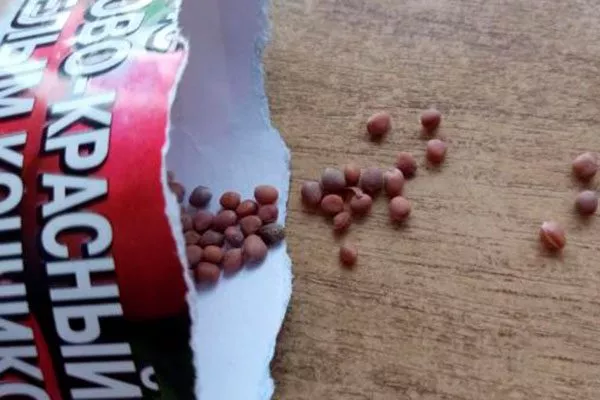
Begin this process in early spring and repeat every two weeks for a continuous harvest. Plant the seeds 1-1.5 cm deep, 3-5 cm apart, and space the rows 10-15 cm apart.
Care
Caring for your crop is key to achieving a high-quality harvest. Follow these simple agricultural practices:
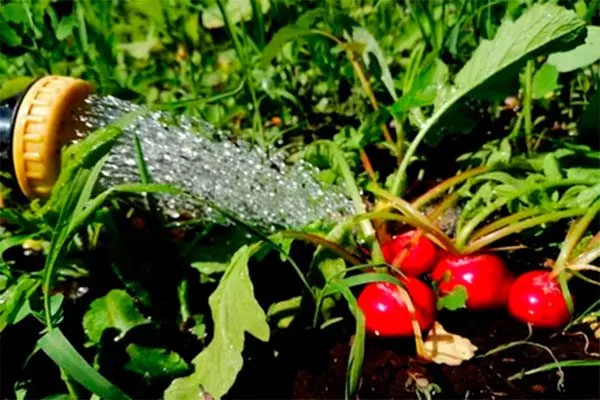
- Provide regular watering, especially during vegetable growth periods. The soil should be evenly moist, but avoid over-watering to prevent root rot. Apply warm, settled water in the morning or evening, avoiding dripping on the leaves and stems.

- Once the seedlings emerge, thin them out to ensure sufficient space for fruit development. Leave 5-7 cm between them. This will help prevent competition for nutrients.
- Loosen the soil around the plants to improve root aeration and prevent crusting. Remove weeds, which can compete with radishes and provide shelter for pests.
- The crop generally doesn't require frequent fertilizing if the soil has been well prepared. If the soil is poor in nutrients, use a low-nitrogen complex mineral fertilizer or organic compounds, such as mullein infusion or compost.
Too much nitrogen can result in excessive top growth and reduced root quality.
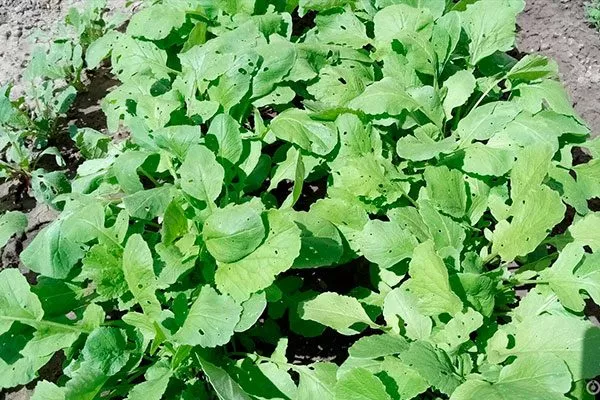
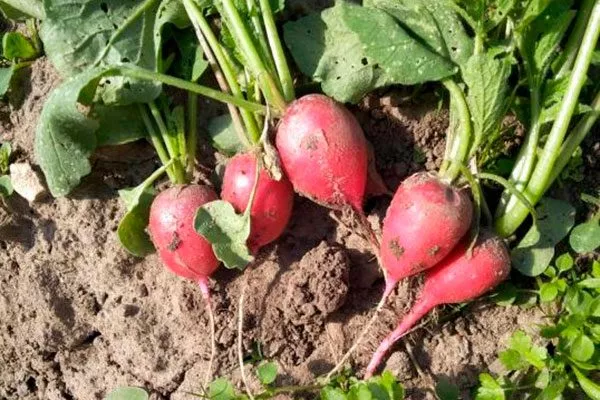
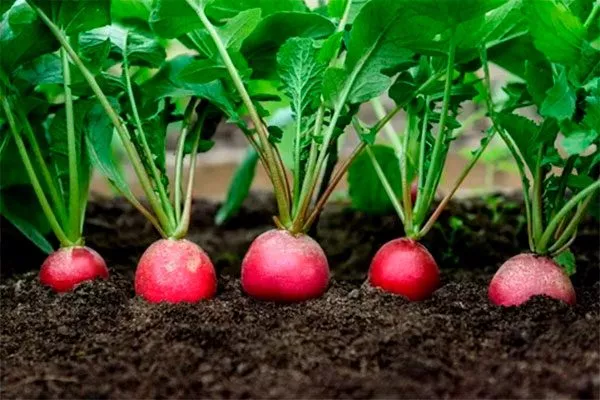
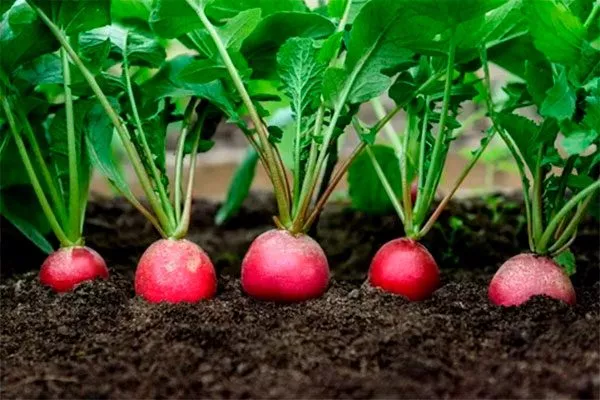
Harvest promptly to avoid overripe and tough vegetables. The key feature of this variety is that the roots are almost completely submerged in the soil and do not protrude above the soil. To check for ripeness, lightly loosen the soil around the base of the rosette.
Resistance to diseases and parasites
The pink-red variety with a white tip is not particularly susceptible to disease, but with improper cultivation practices, it can suffer from blackleg and bacterial wilt. Since it has a short growing season, avoid using chemical pesticides. Instead, opt for traditional methods, such as treating it with onion or garlic infusion.
The main pest of this crop is the cruciferous flea beetle. Spunbond is effective against it; leave it on the plants until the tops reach a significant height.
Positive and negative qualities
Before planting this variety, carefully consider its advantages and disadvantages. The Pink-Red Radish with White Tip has many advantages:
Among the disadvantages, gardeners note a low level of shelf life, a tendency to flabbiness, and demanding soil conditions.
Reviews
The Pink-Red Radish with a White Tip is a popular variety that has become popular among Russian gardeners due to its excellent characteristics. It is chosen for its juicy, large roots, excellent flavor, and resistance to adverse conditions. With timely and proper care, it will yield abundant harvests.