
Mercado is the name of an early-ripening radish variety, a champion in yield and excellent flavor. Domestic gardeners love it for its ability to grow from early spring to late fall. It is grown both in open garden beds and in plastic greenhouses.
History of selection
This radish cultivar has been known since the 19th century. It owes its name to the region where it originated—the Spanish town of Mercado. It gradually spread throughout the world, gaining universal popularity thanks to its undemanding and resilient nature, as well as its juicy, attractive roots with a piquant flavor.
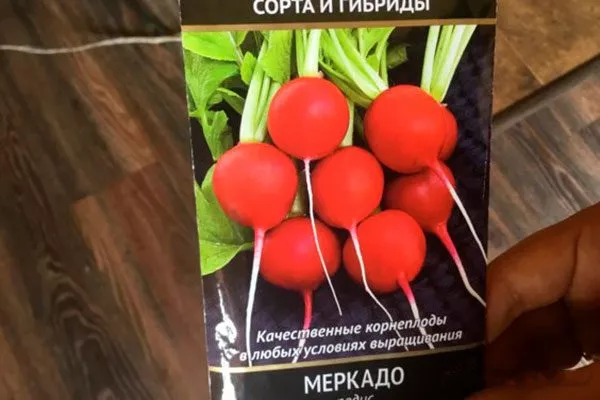
The Mercado variety, one of the most prominent representatives of the Spanish variety of the same name, was developed by domestic breeders:
- Maksimov S. V.;
- Klimenko N. N.;
- Simanova A.F.
In 2005, it was added to the Russian Federation State Register as a variety of vegetable crop intended for cultivation in open ground and under film cover for personal consumption and on an industrial scale.
Introduction to the variety
This variety of radish belongs to the category of early-ripening cultivars and hybrids. The harvest ripens 23-28 days after the first shoots appear in the garden. The turnips ripen evenly. Vegetable growers harvest 2.5-3.6 kg of radish per square meter. The maximum possible yield is 4.2 kg/sq. m.

The Mercado variety has many excellent characteristics that make it popular among domestic gardeners and farmers:
- resistance to flaking and flowering (except in the summer season, when heat and dryness increase the risk of radish flowering);
- unpretentiousness to growing conditions;
- resistance to prolonged cold, resistance to short-term frosts;
- shade tolerance;
- the ability to grow and bear fruit in dense planting conditions;
- strong immunity (plants rarely get sick or are affected by pests);
- high varietal purity;
- attractive appearance of the harvest and its excellent taste;
- shelf life of fruits.
Features of the appearance of the plant and root crops
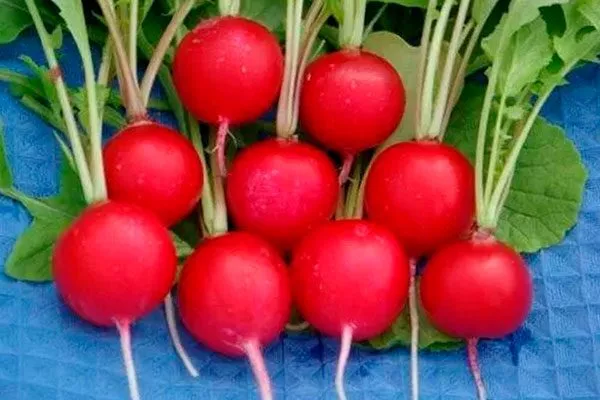
Plants of the Mercado cultivar are characterized by a semi-erect, fairly spreading rosette of leaves. The foliage is lyrate (inverted ovoid) and yellowish-green in color. Its length is 10-12 cm.
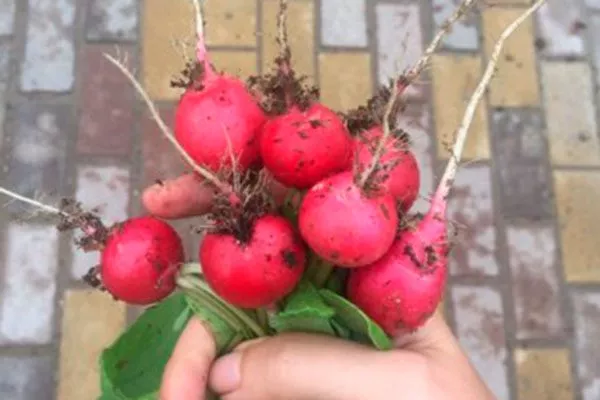
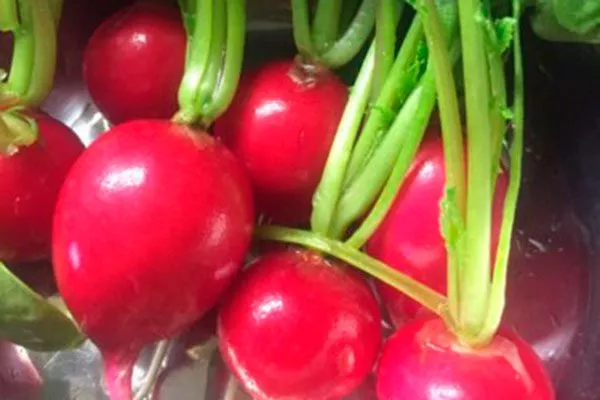
The root vegetables are beautiful and uniform. Their description includes the following characteristics:
- round or flat-round shape;
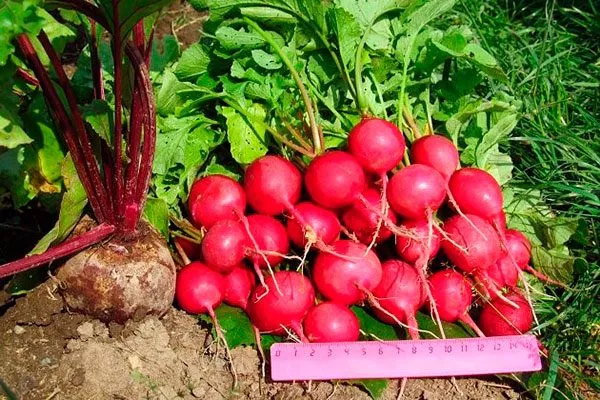
- weight - 22-25 g (up to 30 g with enhanced agricultural technology);
- diameter - 3-3.5 cm;
- length - 4-5 cm;
- rich red-raspberry color of the skin;
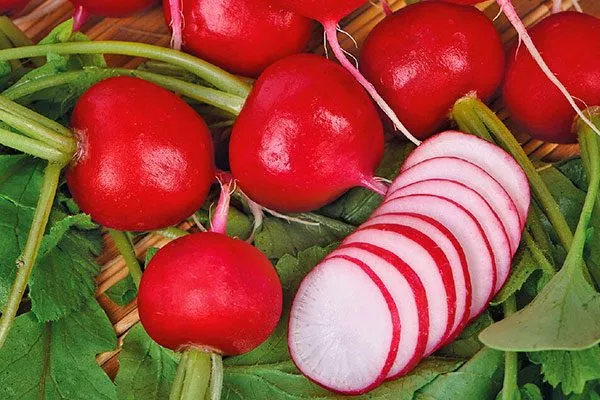
- snow-white or pinkish-white flesh, dense, very juicy, crispy.
Taste and purpose
Mercado radishes are renowned for their remarkable flavor: sweet, mildly spicy, with a hint of spice, and no bitterness. They are best eaten fresh. Homemakers add the vegetable and its greens to summer salads, use them for appetizers, and use them in cold soups like botvinya and okroshka.
Popular varieties of Mercado radish
| Name | Ripening period | Disease resistance | Watering requirements |
|---|---|---|---|
| Mercado | 23-28 days | High | High |
| Mercado She's somewhere | Mid-season | Average | Average |
| Mercado I'm home | Early maturing | High | High |
In addition to the variety of the same name, added to the state register in 2005, the Mercado variety is also represented by other species:
- Mercado She's somewhere — a mid-season variety intended for cultivation in temperate climates. The harvest is characterized by large fruits, their dark red color, and white, juicy flesh with a tangy flavor.

- Mercado I'm home — an early-ripening variety characterized by increased resistance to adverse growing conditions and diseases. Its fruits are round, covered in red skin, and have juicy, tasty flesh.
Beneficial properties
Radish is a highly nutritious food, rich in vitamins (C, PP, K, and B vitamins), minerals (potassium, iron, phosphorus, and zinc), and other valuable nutrients. Eating it will provide you with numerous health benefits:
- Strengthen your immune system, slow down the aging process, and protect your body from the harmful effects of free radicals thanks to the high content of antioxidants, including vitamin C, in the vegetable pulp;
- You will normalize bowel function and get rid of constipation thanks to the abundance of fiber in radish pulp;
- remove excess fluid from the body and get rid of swelling thanks to the diuretic effect of the vegetable;
- reduce the level of bad cholesterol in the blood;
- increase your vitality.
Soil requirements
Mercado radishes grow best in light, loose, humus-rich soils. Growing this vegetable in heavy soil increases the risk of bolting. They also dislike acidic soil. In such conditions, clubroot is a common disease. Liming helps prevent this problem.
- ✓ Soil pH should be between 6.0-7.0 for optimal growth.
- ✓ The soil should be well drained to avoid water stagnation.
Necessary climatic conditions
The Mercado variety of vegetable crop is shade- and cold-tolerant. Plants can withstand short-term frosts down to -4°C. Due to its increased resistance to adverse conditions, this variety is successfully grown almost everywhere in Russia.
According to the state registry, Mercado radish thrives in the following regions of the country:
- Northern;
- North-West;
- Central;
- Volga-Vyatka;
- Central Black Earth Region;
- North Caucasian;
- Middle Volga;
- Lower Volga;
- Ural;
- West Siberian;
- East Siberian;
- Far Eastern.
Planting and agricultural practices
Sow the seeds of the Mercado variety within the following timeframes:
- from March 25 to May 20;
- from August 1 to September 1.
Sow vegetable crops in a plastic greenhouse in late March and early April. Starting from April 15, you can sow seeds outdoors, provided you cover the bed with plastic. Without temporary cover, grow radishes from May 5 to May 20.
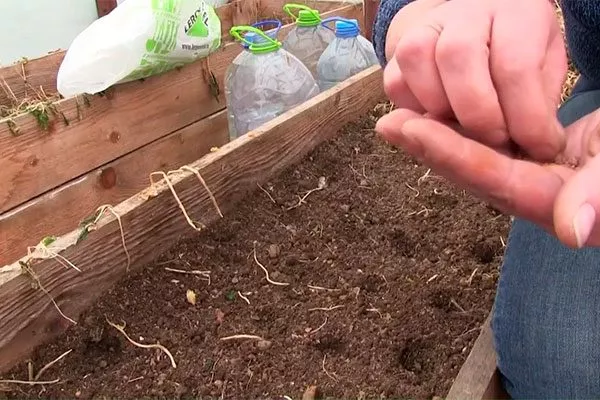
If you prefer to grow vegetables in open areas of the garden, choose places protected from drafts and wind that meet the following requirements:
- sunny areas (well warmed), located in the southern part - for April planting;
- slightly shaded to prevent overheating of the soil and, as a result, bolting and flowering of radishes - for summer cultivation of the vegetable (planting in the last week of May).
The soil in the garden will need to be made more fertile by adding compost. Do this during the autumn garden digging process. Apply up to 15 kg of organic matter per square meter. Do not fertilize the soil with fresh manure, as it will encourage the plants to develop excessive tops at the expense of root vegetables.
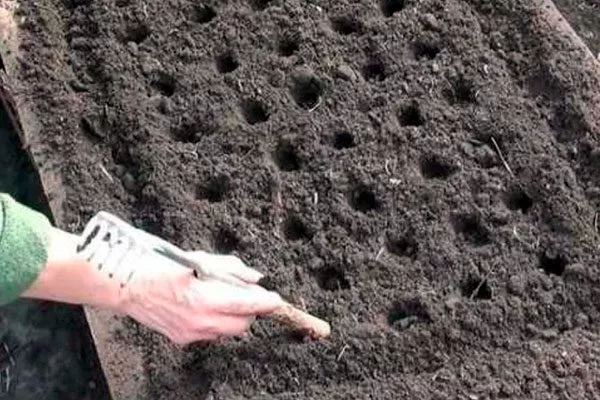
Plant Mercado radishes using a 3x15 cm planting pattern. Before sowing, loosen and level the soil in your garden. Form beds. Follow these step-by-step instructions:
- Make grooves 3 cm deep.
- Water them.
- After the soil has absorbed moisture, sow the seeds according to the pattern.
- Sprinkle the crops with a mixture of garden soil and river sand.
- Water them.
- Cover with plastic wrap. Once sprouts appear, remove the covering.
To get even, large, and tasty root vegetables, care for the vegetable crop properly:
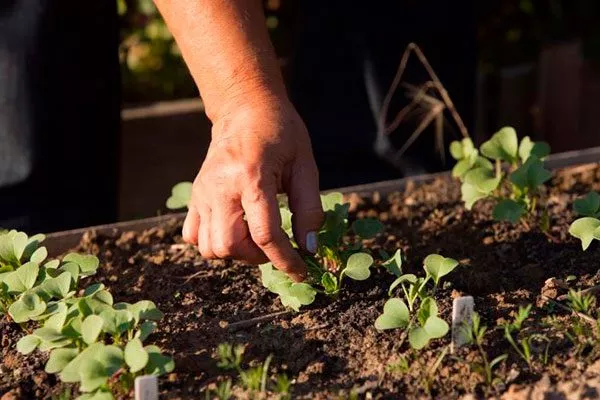
- Thin out the plantingThin the seedlings one week after they emerge. Leave 7-10 cm between the seedlings. This will ensure proper root formation and accelerate the ripening process.
- Water the bedsWater the radish frequently—every other day or daily. Apply 4–5 liters of water per square meter. Avoid overwatering. The vegetable does not tolerate waterlogged soil.
If frequent watering is not possible, mulch the bed with deciduous sawdust or grass. Stop watering the bed 7 days before harvest.
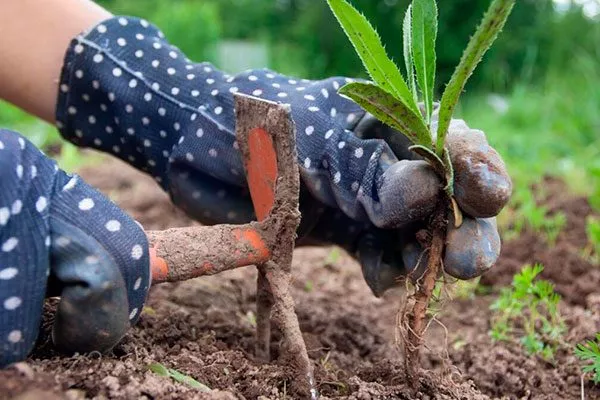
- Loosen the soil and remove weedsCarefully loosen the soil between the rows the day after watering. Otherwise, a dense soil crust will form. This will cause the root vegetables to grow coarse and bitter. If you mulch the soil after watering, there is no need to loosen it.
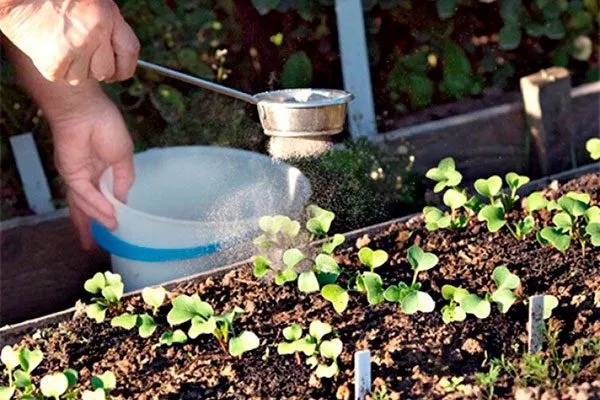
Get rid of weeds promptly. They can ruin your harvest by creating shade and robbing your radishes of moisture and nutrients. Remove weeds as soon as they appear in the garden bed. Don't let them grow too large. Pulling mature weeds out of the ground can damage your root vegetables. - Fertilize the plantingIf you've sown vegetable seeds in compost-enriched soil, you don't need to fertilize the plants in the beds. This variety doesn't require mineral fertilizers. If desired, you can add wood ash as a fertilizer.
Harvest Mercado radishes within the following timeframes:
- from May 25 to July 1;
- from September 1 to 20.
- overripe radishes become tough;
- loses its juiciness;
- its taste deteriorates;
- voids form in the pulp.
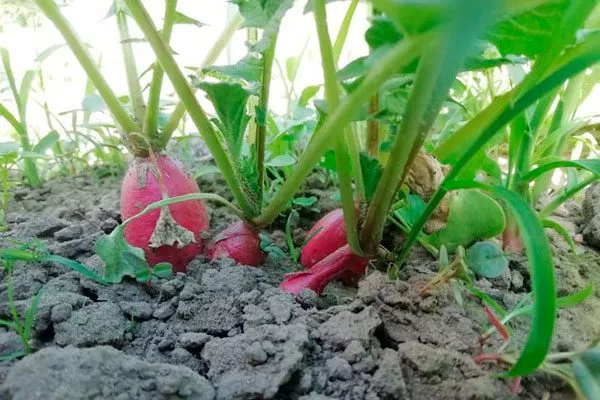
Root vegetables ready for harvest will be visible by the above-ground portion protruding from the soil. After removing them from the soil, trim off the tops, leaving stumps 1-2 cm high. Spread the roots in a single layer to dry. Let them sit for a couple of hours. Then place them in bags. Store them in a cool, dark place or in the refrigerator.
Resistance to diseases and pests
This radish variety is resistant to pests and many vegetable diseases. This is due to its short growing season. In the second half of the summer season, begin preventative treatments against powdery mildew with a potassium permanganate solution.
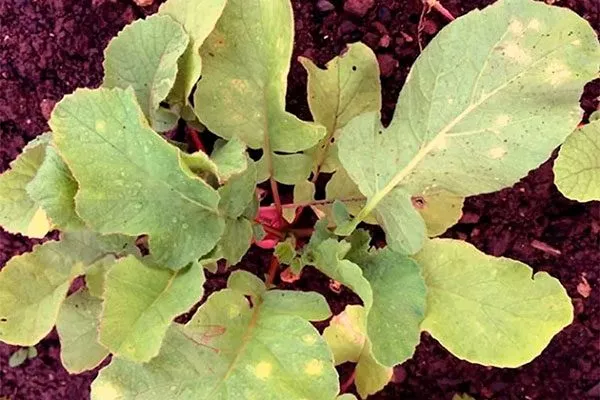
Vegetable crops are often plagued by pests such as:
- wireworm;
- aphid;
- cruciferous flea beetle.
A deep autumn tilling of the garden soil will help prevent wireworm infestations. Wood ash is an excellent aphid repellent. To prevent flea beetles, cover radish plantings with non-woven material.
Using chemical insecticides when growing radishes is highly undesirable. They will ruin your harvest. Such substances take longer to decompose than the roots can ripen.
Positive and negative qualities
Mercado is famous for its numerous advantages, for which it has become loved by domestic gardeners:
Reviews
Mercado is a representative of the early-ripening radish varieties and hybrids. Domestic gardeners love it for its high yield and marketable appearance—uniform and attractive fruits with excellent flavor and no bitterness. It is grown almost everywhere for private consumption and commercial sale.