
The Alisy's Dream radish is a modern hybrid that attracts gardeners with its early maturity, high-quality fruit, and low maintenance. This variety has gained recognition for its excellent flavor and resistance to adverse conditions. Proper care is essential to ensure a productive harvest throughout the season.
History of selection
This variety was created by renowned Russian breeder V. I. Blokin-Mechtalin. In 2020, it was included in the State Register of Breeding Achievements of the Russian Federation. It is suitable for cultivation in various climatic zones of Russia and is recommended for planting in vegetable beds.
Introduction to the variety
Alisa's Dream is a relatively new hybrid intended for outdoor cultivation. It attracts attention with its rapid growth and good productivity. What makes this variety unique is its ability to produce multiple harvests per season, allowing you to enjoy fresh and healthy vegetables even in August.
Characteristics of the appearance of the plant and root crops
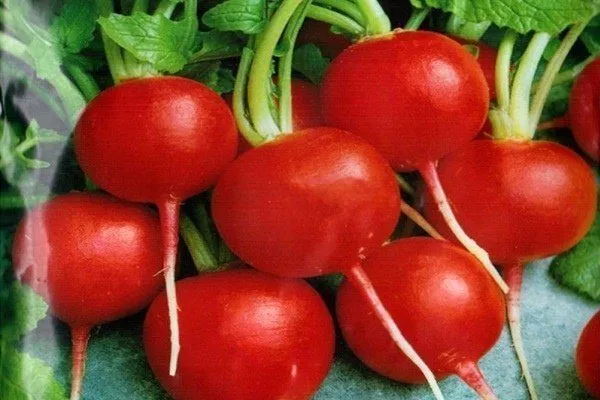
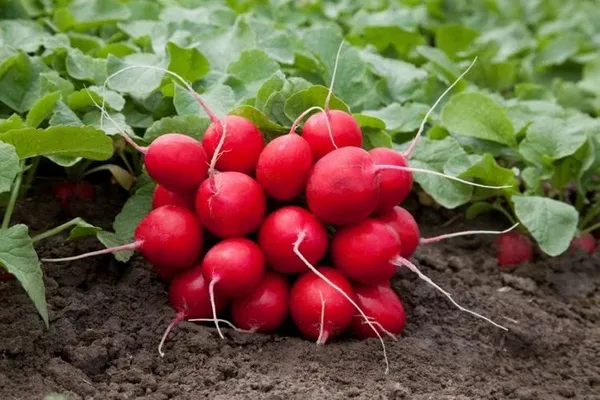
The plants are robust and weather-resistant. The fruits are neat and rounded. They reach up to 3 cm in diameter and weigh between 25 and 30 g. The head is convex, covered with a thin but durable skin of a bright red or dark crimson hue.
Taste qualities, purpose
The vegetables have snow-white, fleshy flesh. It is tender, juicy, crisp, and moderately firm. There are no air pockets or wateriness. The flavor is pleasant, with a slight sweetness and spiciness, but no bitterness.
Maturation
This early-ripening variety takes only 22-25 days from mass germination to full tuber maturity. The fruits ripen evenly, allowing for a short harvest period of 12-14 days. Radish harvesting is carried out in several stages, with intervals of 4-5 days.
Productivity
When basic agricultural requirements are met, the variety produces good yields. Up to 3.8-4 kg of crisp, juicy vegetables can be harvested per square meter, with the maximum yield reaching 5 kg per plot.
Where is it recommended to grow?
The hybrid is successfully grown in open ground and greenhouses, making it versatile for a variety of conditions. It is suitable for cultivation in most regions of Russia, including the Central, Northwestern, Ural, Siberian, and Far Eastern regions.
It adapts well to temperate and continental climates and tolerates temperature fluctuations, allowing it to be grown throughout the season—from spring to fall. In southern regions, it can even be planted in greenhouses during the winter and spring.
Landing rules
Following important requirements and guidelines will help you grow strong, disease-resistant plants. Before you begin, be sure to consult with experienced vegetable growers for recommendations.
Recommended timeframes
Sow radishes several times per season to harvest at different times. The harvesting date depends on the season:
- In the spring. Begin sowing the first seeds as soon as the soil warms to 5-7°C, usually in March or April, depending on the region. In the spring, plant the seeds under plastic covers or in open ground once the threat of severe frost has passed.
- In summer. Hold the event in July-August, when the days begin to shorten and the nights become longer.
- In autumn. To obtain a late harvest, begin the procedure in late August or early September.
- Before winter. The best time is late autumn, around November, when the weather is consistently cool and the soil is slightly frozen. Plant the seeds in the soil so they can germinate as soon as conditions become favorable in the spring.
- ✓ Optimum soil temperature for sowing: +5-7°C.
- ✓ Distance between seeds: 4-5 cm, between rows: 15 cm.
The main principle is to grow radishes during the short day period to avoid bolting and flowering.
Selecting a location and preparing beds
To successfully grow crops, choose the right site and improve it. Here are some basic recommendations:
- Plants grow well in open, sunny beds or in areas with light partial shade. Morning sun is ideal, as it warms the soil and accelerates growth.
- Choose a location protected from strong winds to avoid damaging the tender seedlings.
- Avoid planting where other cruciferous crops (cabbage, mustard, rutabaga) were previously grown to avoid disease. Good predecessors include tomatoes, potatoes, cucumbers, and onions.
- Prepare the beds in the fall. Clear the area of weeds and plant debris, add organic fertilizer (humus, compost), and dig to a depth of 25-30 cm.
- If the soil is heavy and clayey, add sand or peat to improve structure and drainage. Radishes prefer light, loose, and well-aerated soil.
- The optimal soil pH is neutral or slightly acidic. If the soil is acidic, add wood ash or dolomite flour in the fall.
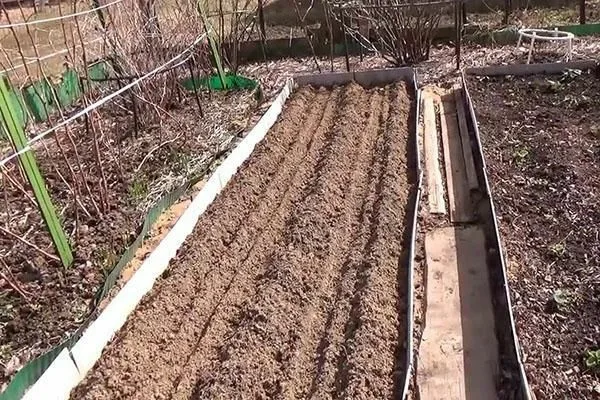
- In spring, perform additional loosening with a flat-cutting hoe or hoe to a depth of 5-7 cm. Form furrows 2 cm deep for fertile areas and up to 4 cm deep for nutrient-poor areas.
Place a thin layer of ash on the bottom to improve plant nutrition and protect them from pests.
Landing algorithm
After preparing the furrows, begin sowing the seeds. Step-by-step instructions:
- Pour a small layer of ash into the bottom of the depressions.
- Place the seedlings, keeping a distance of 4-5 cm between them.
- The distance between rows should be 15 cm.
- Sprinkle peat, coconut substrate or soil on top to a layer of 0.5 cm.
- Moisten with warm water.
For a high yield, sow seeds at close spacing to avoid the need for further thinning. Planting too deeply can cause the roots to become fibrous.
Features of cultivation
The hybrid grows quickly, and you can begin harvesting vegetables just three weeks after planting. By following simple farming recommendations, you'll be able to enjoy them throughout the season. The key is to follow these simple steps.
Watering
Drought is unacceptable for this hybrid: if the soil dries out, the roots become tough, bitter, and may begin to bloom. The variety requires regular irrigation to maintain soil moisture, which promotes the development of juicy vegetables. Plants planted in March under plastic greenhouses should be watered with warm water.
Thinning
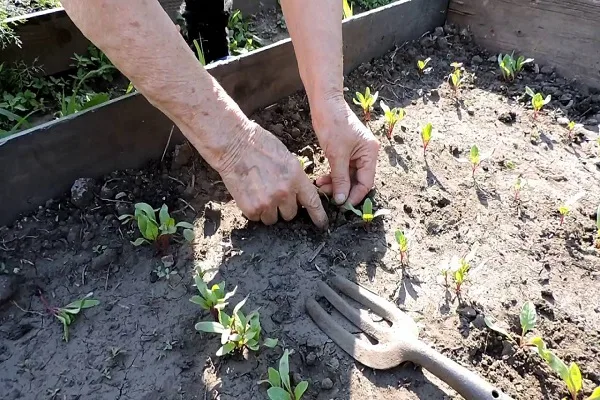
This is an important procedure that helps the plants develop properly and produce large, juicy roots. When the young seedlings reach approximately 5 cm in height, carefully inspect the bed and remove any excess or weak plants.
To avoid damaging the roots of neighboring seedlings, pinch the tips of unwanted shoots instead of pulling them out. This will create more space for the remaining plants, ensuring they have enough room to grow and absorb nutrients from the soil.
Top dressing
Radishes grow quickly, so make sure they get enough nutrients. Apply fertilizer if the soil is poor, as fertile soils may not require additional fertilizer.
Apply the first fertilizer about a week after germination, when the plants have become established. Organic fertilizers, such as an infusion of rotted manure or compost, are effective. Mix the organic matter with water and stir thoroughly. Water carefully, being careful not to get it on the leaves to avoid burning them.
If the soil is too depleted, apply a second fertilizer after a couple of weeks. Avoid using large amounts of nitrogen fertilizer, as this can stimulate excessive foliar growth at the expense of root vegetables. Alternate fertilizer application with ample watering to ensure proper nutrient absorption.
Pests and diseases
The crop is most often attacked by the cruciferous flea beetle. After planting the seeds in the bed, cover it with a breathable material. Over time, the insects will lose interest in the tops.
During root formation, reduce daylight hours. To do this, cover the beds with dark agrofibre in the evening, after 6 PM. This will help prevent early flowering.
Harvesting and storage
Harvest carefully in the morning, when temperatures are still cool, to preserve freshness. Don't leave vegetables in the garden for too long, as they may become hollow and lose their juiciness.
Follow the recommendations:
- Clear the soil and remove the tops, leaving a short stump (1-2 cm). This will prevent rot and deterioration.
- Place in a cool place with a temperature of 0 to +5°C.
- Store in containers with ventilation holes or in plastic bags with several holes punched in them. This will prevent moisture accumulation and rotting.
- ✓ Storage temperature: from 0 to +5°C.
- ✓ Air humidity: 90-95%.
Under the right conditions, radishes will retain their quality for up to 3-4 weeks. Regularly check the roots for rot and remove any damaged ones.
Positive and negative qualities
The disadvantage of this culture is the impossibility of collecting seeds independently.
Review of reviews
The Alisy's Dream radish has proven its effectiveness and ease of cultivation, becoming a favorite among gardeners. Its early ripening, attractive appearance, and excellent flavor make it an ideal choice for both beginner and experienced gardeners. By following simple gardening guidelines, you can reap a bountiful harvest.