
Icicle is one of the most resilient and versatile radish varieties, particularly prized for its ability to adapt to a variety of climates. Thanks to its good frost and low-temperature tolerance, it's ideal for both beginner and experienced gardeners. The key is to understand the plant's characteristics and provide it with proper care.
Breeding history
Developed in the USSR in the mid-20th century, it was created by Soviet breeders for cultivation in a variety of climatic conditions.
The original information about the specific author of a variety and the exact date of its breeding was not widely documented, since at that time breeding work was often carried out by teams of research institutions and authorship was attributed to the institute or station where the work was carried out.
Introduction to the variety
The Ice Icicle variety is prized for its resistance to bolting and its long, white roots with a mild flavor and juicy texture. Before growing, carefully review the crop's characteristics, as outlined below.
Description of the plant
The tops reach a height of 12-15 cm. The stems are green, and the leaf blades are colored light green, which can change to a bluish hue over time.
Characteristics of root crops
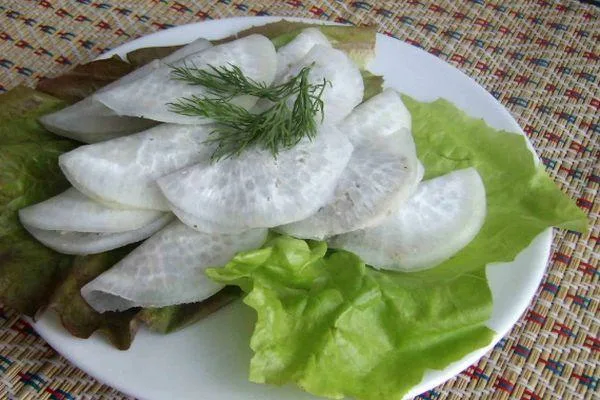
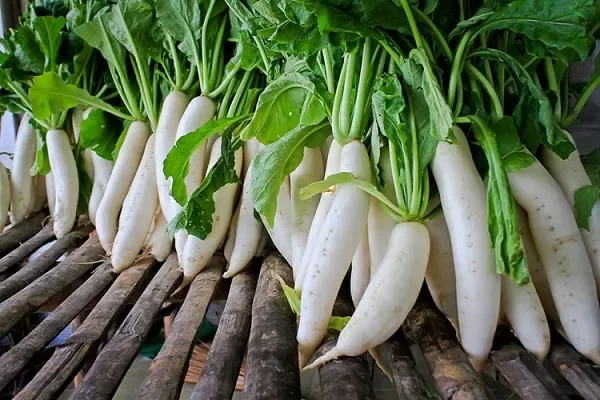
The vegetables are conical in shape and considered quite large, although specimens weighing more than 50 grams are rare. The outer skin is white-yellow, and the flesh is white, juicy, and tender.
Taste qualities, useful properties
Ripe radishes have a slightly pungent flavor. They possess impressive characteristics that make them well-suited to harsh climates and beneficial for health.
The plant can survive even in constant icy conditions. It adapts to harsh climates and withstands severe frosts. It effectively retains moisture, making it ideal for dry and sandy soils. Its roots penetrate deep into the soil, providing access to water even when it's scarce.
Composition and useful properties:
- Vitamin C. Strengthens the immune system and protects cells from free radicals.
- Anthocyanins. They have antioxidant properties and promote tissue regeneration.
- Flavonoids. They improve blood microcirculation and reduce the risk of cardiovascular diseases.
- Essential oils. They impart a pleasant aroma and have antiseptic properties.
Due to its unique composition, the Ice Icicle has a positive effect on health and is used as a medicinal plant.
How to use Icicle in cooking and medicine?
It offers numerous potential uses thanks to its excellent properties. This variety is popular in culinary and medicinal applications:
- It's a decorative element that adds elegance and appeal. Use it to decorate cakes, pies, or other desserts, placing it on top or on the side of the dish.
- Use as an addition to salads or desserts to add a unique flavor and aroma. Try radish slices in soups or meat sauces to add a fresh and original touch to dishes.
- Vegetable extract helps reduce inflammation and swelling. It is effective for treating bruises, contusions, and other skin injuries.
It supports cardiovascular health by strengthening blood vessel walls and improving circulation. It is used as drops or applied to the skin in problem areas.
Cold resistance
This variety is frost-tolerant. The plant survives low temperatures and even constant icy conditions. The roots and tops remain viable despite severe cold snaps, making it ideal for growing in cooler climates.
Maturation
It's a mid-season variety. Typically, it takes 35-40 days from germination to harvest.
Productivity
It is characterized by good productivity. Gardeners harvest approximately 2-3 kg per square meter. This yield may vary depending on growing conditions and plant care.
Growing regions
It thrives in Central Russia, the Northwest, the Urals, and the Far East. Due to its good adaptation to low temperatures, the variety is also grown in Siberia.
Planting radishes
Growing this crop is not a difficult task, but it requires attention and responsibility. It's important to choose the right location and prepare the planting material to ensure a strong and tasty plant.
- ✓ Optimum soil temperature for sowing: 8-10°C.
- ✓ Seed planting depth: no more than 1.5 cm to ensure rapid germination.
Deadlines
Sow seeds in the ground depending on time and conditions. Place seeds under cover in the second half of April or mid-May. Place seedlings in open ground in early June. Timing depends on the region and weather conditions.
Soil composition and soil requirements
In the fall, dig up the bed, break up any clods of soil, and add 50 g of superphosphate, 15 g of potassium salt, and 5 kg of humus per square meter. Icicles prefer sandy loam or loamy soil. The soil should be airy, moderately nutritious, and moderately moist.
Landing site
The vegetable grows best in a sunny spot; it develops slowly in the shade. Plant the root vegetable in raised beds, more than 20 cm high, and the location should be protected from the wind.
Preparing and sowing seeds
First, soak the seeds in water or a damp cloth for 24 hours to allow them to swell slightly. Then disinfect them with a bright solution of potassium permanganate and let them dry.
Step-by-step instructions:
- In the prepared bed, make furrows 1-2 cm deep and water them generously with warm water.
- Cover the seeds with loose soil and compact lightly. Do not water.
- Sprinkle lightly with peat or humus.

Agricultural technology
Provide your crop with comprehensive care to ensure bountiful harvests. Follow these simple agricultural practices:
- Watering. Keep the soil moderately moist regularly. Water with warm water, avoiding overwatering, which can cause the vegetables to rot. Water as needed, especially in hot weather, to prevent drying out.
- Thinning. Once the seedlings emerge, thin the plants to 3-5 cm apart. This will provide sufficient space for root growth and improve air circulation, which will help prevent disease.
- Fertilizer. Apply complex mineral fertilizers or organic supplements at the beginning of growth. Use small amounts of fertilizer to avoid nutrient overload.
- Mulching. If necessary, apply mulch (such as straw or peat) to retain soil moisture and prevent weed growth. This will help maintain a stable soil temperature.
If radishes are growing slowly, provide additional low-nitrogen fertilizer. Use a fertilizer that promotes root growth. Regularly remove weeds to prevent them from competing for nutrients.
Diseases and pests of radishes
The crop is characterized by strong immunity. However, if improperly cared for, it can be susceptible to diseases and pests:
- Black rot (Fusarium wilt). Vegetables are starting to rot, and black spots are appearing on them. Remove infected plants and improve soil drainage to prevent overwatering. Treat the soil with fungicides such as Topsin or Fundazol.
- Peronosporosis (downy mildew). Yellow spots appear on the leaves, which eventually turn brown and become covered with a gray coating. Remove infected foliage and ensure good air circulation. Treat with copper-containing products, such as Bordeaux mixture.
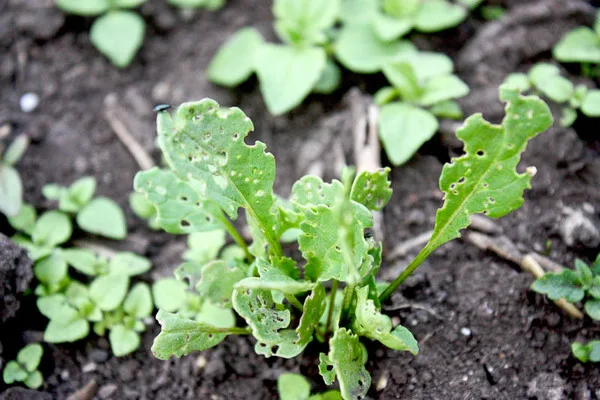
- Cruciferous flea beetle. Insects feed on leaves, leaving tiny holes that cause them to wilt. Use insecticides such as Aktara or Confidor to kill the pests. Use mechanical traps and treat plants with garlic- or tobacco-based solutions.
- Aphid. It sucks the sap from plants, causing leaf deformation and stunted growth. Spray plants with insecticides such as Fitoverm or Inta-Vir. Folk remedies such as garlic infusion or soap solution can also help.
- Slugs and snails. They leave slimy trails and chew through leaves. Set traps with beer or special bait, or use metaldehyde granules.
Regular plant inspection and timely preventative measures will help minimize the risk of disease and pests, ensuring healthy growth and a good harvest.
Positive and negative qualities
Before planting, carefully consider its advantages and disadvantages. The Ice Icicle has many advantages, but also several disadvantages.
Review of reviews
The Ice Icicle radish is an excellent choice for gardeners looking for a reliable and tasty variety that can withstand the vagaries of weather. Its frost resistance and large, juicy roots make it an indispensable vegetable, especially in cool climates. This plant requires careful care and protection, but will reward you generously with a bountiful harvest.