
Carmen radish is a true treasure for those who value freshness and good productivity. This plant is characterized by strong immunity and thrives in almost any location, provided it receives proper agricultural practices. To ensure abundant harvests, simple care is essential.
Introduction to the variety
This is an excellent choice for fresh vegetable lovers. It boasts high commercial qualities, excellent flavor, and is easy to grow outdoors. Thanks to its resistance to diseases and pests, radishes require virtually no pesticides or other protective measures.

This variety is perfect for those looking to diversify their diet and add a fresh ingredient to their dishes. It will make a great addition to the garden, and the fresh, juicy roots can be harvested within a few weeks of sowing.
Features of selection
Developed by specialists from Agrofirma Poisk LLC, S. V. Maksimov and N. N. Klimenko. It was introduced to the market and officially approved for use in 2006.
Description of tops and roots, taste
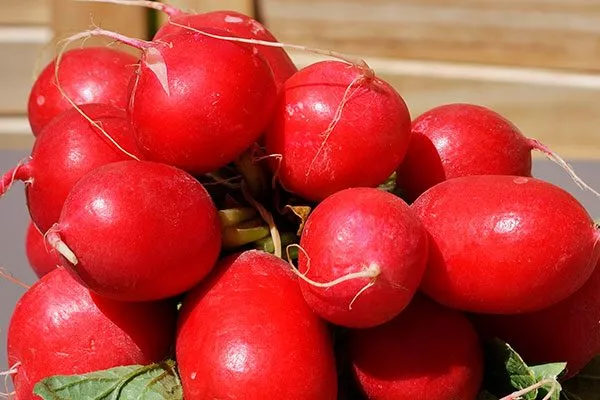
It forms a spreading rosette with obovate leaves, tinged with green. The petioles are anthocyanin-tinted, giving the plant a distinctive decorative appearance. The roots are rounded with a convex structure, weighing between 16 and 22 g.
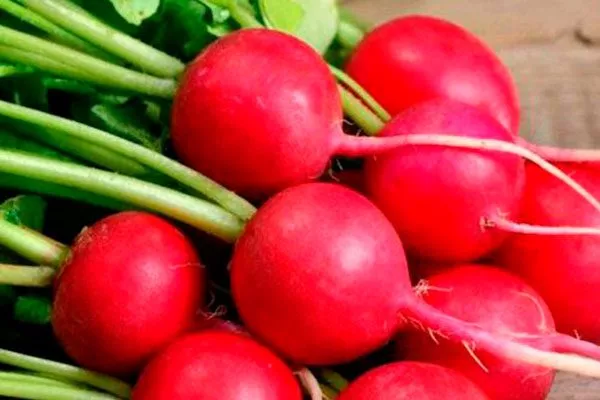
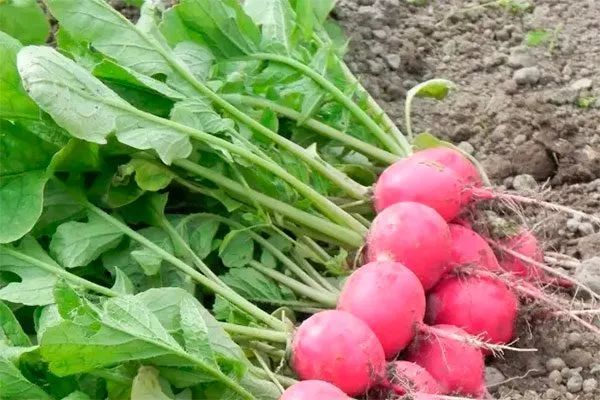
The flesh is tender and juicy, with a mild, slightly spicy flavor. The roots have an attractive bright red or raspberry-pink color, making them especially appetizing.
Application
Carmen is widely used in cooking for a variety of dishes due to its rich and unique aroma, making it an excellent addition to a variety of recipes.
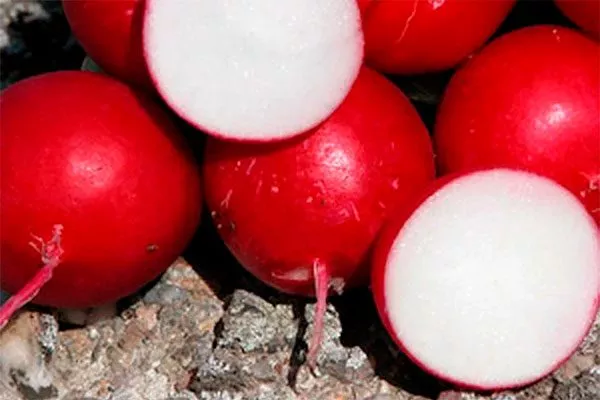
This vegetable is ideal for salads, adding freshness and a subtle tang. It not only enriches dishes but also provides a source of vitamins and minerals. It's used in appetizers and as a filling for sandwiches and wraps, adding a unique flavor and improving texture.
Medicinal properties and use in medicine:
- Rich in vitamin C, which strengthens the immune system, helps fight viruses and bacteria, prevents colds and improves overall health.
- The fiber in the composition stimulates the gastrointestinal tract, improves intestinal peristalsis, reduces cholesterol levels and helps prevent constipation.
It has anti-inflammatory and antibacterial properties, removes toxins, reduces the risk of cardiovascular disease and helps control blood sugar levels.
When ripe, productivity
It is characterized by high yields and consistently produces large volumes when proper agricultural practices are met. On average, 2.5 to 3 kg of root vegetables are harvested per square meter.
Agrotechnical subtleties
Carmen is an easy-to-grow variety, but it does require proper care. To maximize its potential, it's important to consider basic growing and care requirements.
- ✓ The soil pH level should be strictly within 6.0-7.0 for optimal nutrient absorption.
- ✓ The organic matter content in the soil should be at least 3% to ensure the necessary structure and moisture retention.
Requirements
Create suitable conditions. The optimal temperature for growth is between 10 and 20°C. The variety prefers light, fertile soils with a neutral or slightly acidic reaction. Regular and moderate soil moisture is essential to prevent bitterness and air pockets in the roots.
Growing seedlings
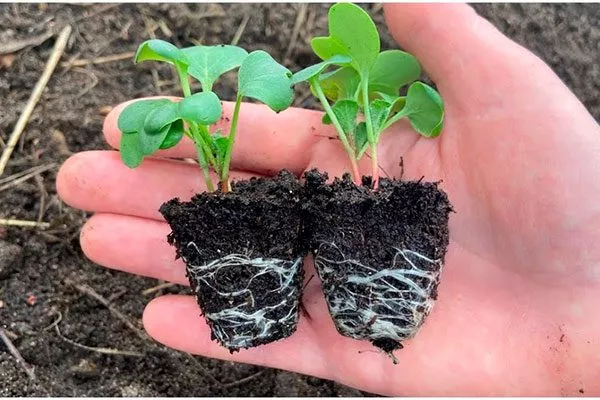
To get an early harvest, start growing seedlings. Growing tips:
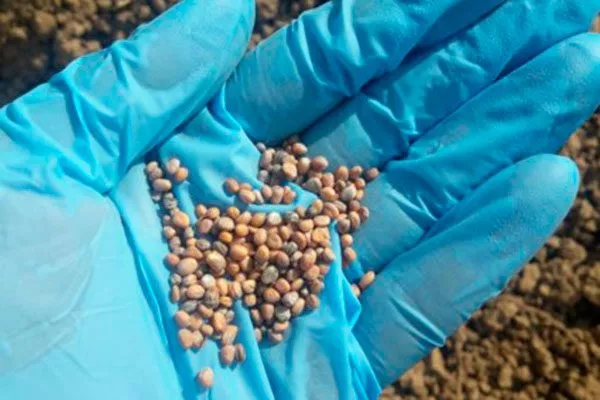
- Sow seeds in individual containers or cassettes 3-4 weeks before the planned transfer to open ground.
- Deepen the planting material by 1-1.5 cm, then cover the containers with film and place them in a warm place with a temperature of about +18-20°C.
- After the seedlings emerge, reduce the temperature to +10-12°C to prevent the seedlings from stretching.
Water the seedlings regularly and provide good lighting, and harden them off before planting, gradually acclimating them to outdoor conditions.
Care
To obtain a high-quality and abundant harvest, it's important to pay a little attention and care for your plants. Follow these simple agricultural practices:
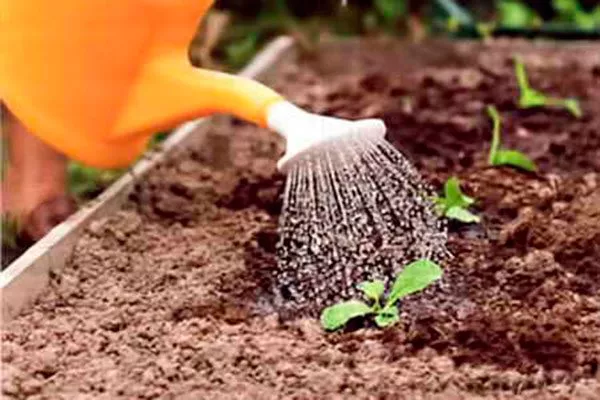
- Ensure even and regular soil moisture, especially during root formation. Water the sprouts 2-3 times a week, depending on weather conditions.

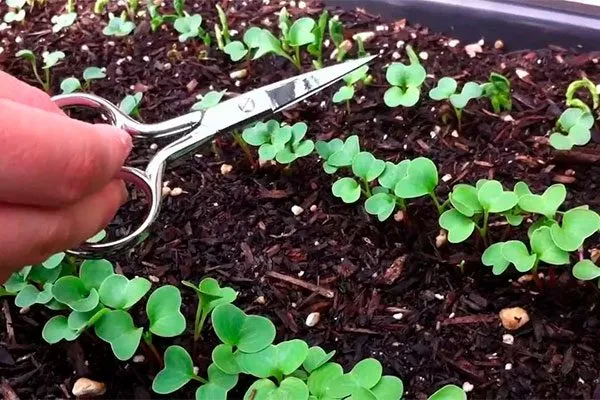
The soil should always be moderately moist, but not over-watered, as stagnant water can cause root rot. Use settled, room-temperature water. - To ensure large, even vegetables, thin the seedlings promptly. After the first true leaves appear, leave 4-5 cm between the seedlings. This will prevent the plants from becoming too dense and will provide sufficient space for growth.
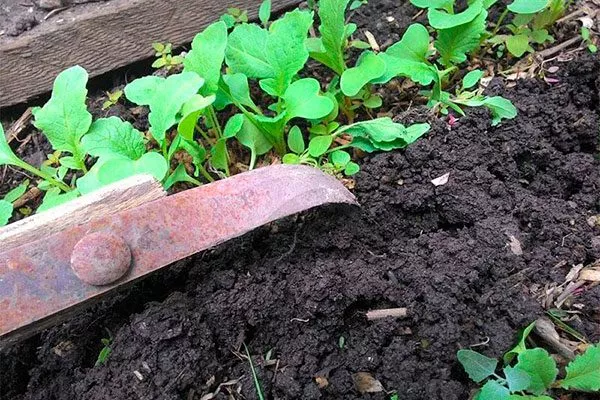
- To improve soil aeration and prevent the formation of a dense crust that blocks oxygen from reaching the roots, regularly loosen the spaces between rows. Promptly remove weeds, which can compete with radishes for moisture and nutrients.
Carmen doesn't typically require much fertilizing, but for better growth, add organic fertilizers: mullein or herbal infusion, or ash to increase the potassium content of the soil. Use mineral fertilizers sparingly to avoid over-fertilizing the plants with nitrogen, which can reduce the quality of the vegetables.
Diseases and insects
Despite its resilience, the crop can encounter various problems that can significantly reduce the quality and quantity of the harvest. Proper prevention and timely control measures will help maintain its health:
- Kila. This fungal disease attacks the roots, causing growths that impair development. To prevent this, practice crop rotation, avoid planting radishes in the same spot for several years, and maintain neutral soil pH.
If clubroot has already appeared, remove the infected specimens and treat the soil with lime. - Blackleg. It causes darkening and rot of the root collar, most often occurring during overwatering and low temperatures. To prevent this, avoid overwatering, thin out seedlings, and disinfect the area before planting.
- Peronosporosis (downy mildew). It appears as yellow spots on the leaves, which eventually become covered with a gray coating. Remove the affected foliage. Spray with fungicides, such as copper sulfate or Bordeaux mixture.
- Cruciferous flea beetle. Small black beetles that chew through leaves and cause serious damage to young plants. To protect seedlings, cover the beds with agrofibre and sprinkle the soil with ash or tobacco dust.
- Aphid. Insects suck out the plant's juices and cause weakening. Spraying with a soap solution, garlic infusion, or onion peel infusion is effective.
- Cabbage fly. The larvae damage the roots, which can lead to death. If pests are detected, treat with insecticides such as Aktara or Intavir.
- Two weeks before sowing, treat the soil with a solution of phytosporin to suppress pathogenic microflora.
- After the seedlings appear, spray the plants with an ash solution (100 g per 10 l of water) to prevent cruciferous flea beetles.
- At the first signs of downy mildew, remove the affected leaves and treat the plants with Bordeaux mixture.
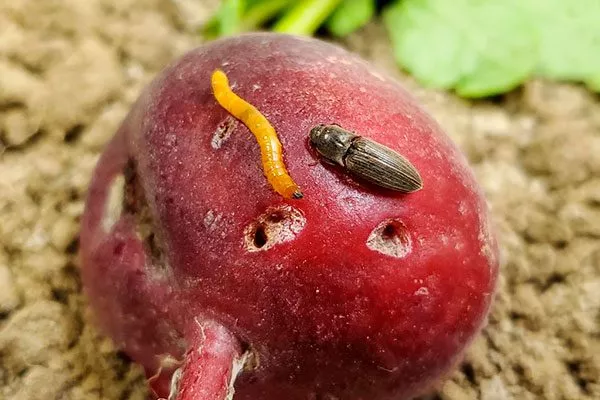
Timely preventative measures, proper care, and regular inspection will help protect Carmen radishes from diseases and pests, ensuring a healthy and bountiful harvest.
Harvesting
The optimal time for harvesting is when they reach maturity, which usually occurs 20-24 days after sowing. At this time, they have a firm texture, a sweetish flavor, and a delicate texture.
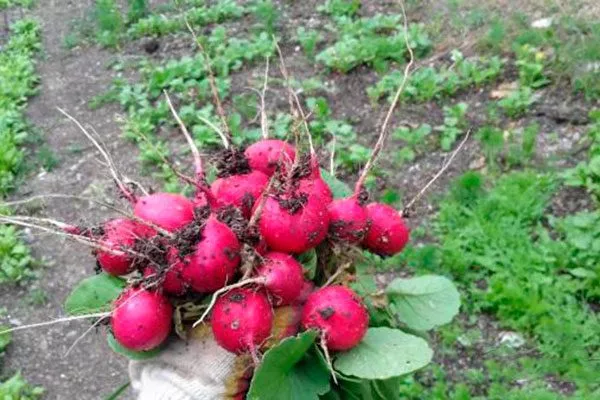
Carefully dig the root vegetables out of the soil to avoid damaging them. It's best to pinch close to the surface to minimize damage to the roots and leaves. Wash the vegetables thoroughly, remove any remaining soil, and let them dry.
Storage
The optimal temperature is between 0 and 2°C. Store the harvest in the refrigerator, first packing it in a plastic bag or container with holes to ensure air circulation. The vegetables will retain their properties and freshness for no more than 2-3 weeks.
Advantages and disadvantages of growing Carmen radishes
Before planting a crop in your garden, carefully study its characteristics, advantages, and disadvantages. This will help you avoid potential difficulties during cultivation.
The variety has many advantages:
Reviews
Carmen is one of the most attractive radish varieties on the market, gaining popularity among gardeners and cooks thanks to its impressive characteristics. Fast-maturing, productive, and rich in flavor, it offers everything needed for successful cultivation and versatile culinary uses. The key is timely care.