
One of the most common problems gardeners face when growing radishes is bitterness in their roots. Read on to learn about the causes of this problem, how to avoid it, and how to get rid of it.
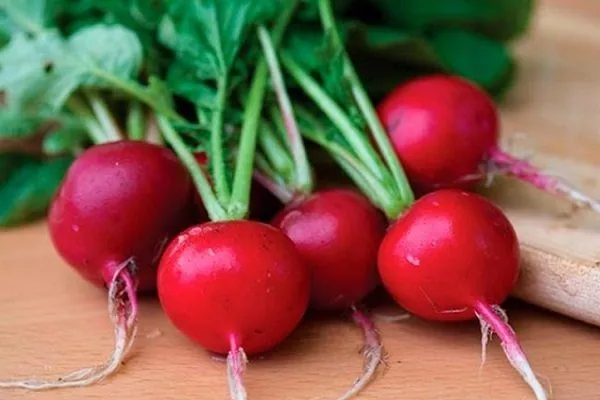
Reasons for the bitterness of radishes
Possible reasons for the bitter taste of radishes:
- Lack of moisture. Occasional watering is a sure way to get a bitter harvest.
- Overripening. If you miss the harvest deadline, expecting the root vegetables to become larger and tastier, you will end up with vegetables that are unfit for consumption.
- Not enough light. The crop grows poorly and develops poorly in low light. If you plant a bed in the shade, be prepared to end up with small, tasteless radishes.
- Dense crops and lack of weeding and loosening. Instead of growing, densely planted and weed-infested root vegetables compete for nutrients, light, and moisture. This also negatively impacts their flavor.
How to Grow Radishes Without Bitterness? Proper Care
The plant requires care and attention from the gardener; even a few mistakes will ruin all efforts. Let's look at each agricultural technique aimed at achieving the desired result—growing radishes without bitterness.
- ✓ Ensure daylight hours do not exceed 12 hours to prevent bolting.
- ✓ Maintain soil temperature between 15-20°C for uniform root growth.
Thinning
Radish seeds are small, and planting them far enough apart isn't always possible. Often, after sowing, gardeners leave all the seedlings alone without bothering to thin them out, which is a necessary step in growing radishes.
Follow certain rules:
- Remove the first sprouts on the 5-6th day after the first shoot, leaving a gap of 2 cm between plants.
- Repeat the procedure after a month. Remove weak plants, maintaining a distance of 1 cm between roots.
- Third thinning – this is the beginning of the harvest. Select large, ripe radishes, allowing weaker plants time to gain strength. Maintain a distance of 3 cm between plants.
To avoid damaging young growth:
- thin out crops after the soil has become moist;
- hold the soil around the plant with your fingers;
- After the procedure, loosen and water the beds.
Pinch off sprouted plants if you cannot remove them without damaging the root system of neighboring ones.
Watering
Spring weather is fickle, but radishes thrive on consistency. If the plant is thirsty, it accumulates mustard oil. With abundant watering, this imparts a piquant flavor to the root vegetable, but with sporadic moisture, the vegetable will be inedible.
When watering radish beds, follow certain rules:
- Keep the soil thoroughly moist at all stages of growth. plants from sowing to harvest.
- Avoid shallow wateringTaking into account the absorption capacity of the roots, moisten the soil to a depth of 30 cm.
- Water using the sprinkler method, so as not to wash away the soil and expose the root crops.
- Moisturize in 2-3 stagesso that moisture is better absorbed and reaches sufficient depth.
- Use settled water room temperature.
- ✓ Use water with a temperature of at least 18°C to prevent stress on plants.
- ✓ Monitor the soil moisture level using a moisture meter; the optimal level is 70-80%.
Water the beds with root crops based on weather conditions:
- in hot and dry weather – twice a day;
- in cool weather – 2-3 times a week;
- in rainy weather - as needed and when the soil dries out.
Water crops generously in the morning and evening hours when evaporation is not as active.
Weeding and loosening
The time between planting and harvesting radishes is very short, so weeds don't have time to quickly take over the beds. Remove them as they grow to prevent them from robbing the radishes of moisture and nutrients, and to prevent them from becoming bitter.
Loosening the soil is a necessary agricultural technique for producing tasty root vegetables. Do it correctly:
- begin the first cultivation of the surface layer of soil even before the seedlings appear, this will help the shoots to sprout together;
- carry out the procedure with caution, to a depth of no more than 3 cm, until the plants have gained strength;
- Loosen the soil after each watering to avoid the formation of a soil crust;
- Provide air access to the roots to a depth of 5-6 cm after the plants have become stronger.
Fertilizers
Fertilizing indirectly prevents radish bitterness by helping regulate its growth and proper development. This leads to the formation of large roots and harvesting within the specified variety's timeframe.
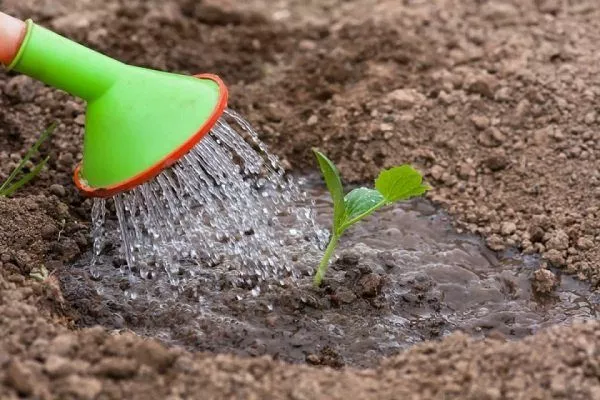
If the soil in your area is fertile, or you fertilized it when planting, don't add fertilizer. You can easily determine whether your radishes are getting enough nutrients by looking at them:
- powerful development of the leaf part of the plant indicates an excess of nitrogen in the soil;
- Pale tops indicate a lack of mineral compounds Na.
To correct excess nitrogen, apply potassium and phosphorus fertilizers over 4-5 days using any of the suggested methods:
- Dissolve 40-50 g of superphosphate and 15-20 g of potassium sulfate in 10 liters of water and water the beds;
- Dissolve 1-2 cups of ash in a bucket of water and add fertilizer.
In the opposite situation, when nitrogen is deficient, fertilize the soil with urea at a rate of 1 teaspoon per 10 liters of water. One application is sufficient for proper plant development.
Timely harvesting
Radishes ripen unevenly in the garden. Choose roots that reach technical maturity, even if they're smaller than the size stated on the seed package. They won't grow any larger, but they will develop a bitter taste.
How to remove bitterness from radishes
Even if your radishes turn out bitter, that's no reason to throw them away. Try one of these tips for eliminating bitterness from root vegetables:
- Soaking in water with salt. Dissolve 1 tablespoon of salt in 2 liters of water and soak the peeled, chopped radish there for 30 minutes, then rinse thoroughly.
- Scalding with boiling water. Pour boiling water over the chopped root vegetables, and if they are very bitter, soak them for 10 minutes.
- Using sugar and lemon. If you plan to add radishes to a salad, cut them into cubes, drizzle with lemon juice and sprinkle with a little sugar.
- Dressing the salad with sour cream. It masks and partially neutralizes the bitter taste of root vegetables.
Reviews from gardeners
You can grow a vitamin-rich, juicy, and crunchy vegetable without bitterness by analyzing your mistakes and following proper growing practices. If your radishes turn out bitter, don't worry. Use methods to eliminate the bitterness.