
Dusya F1 is a hybrid radish variety belonging to the early-ripening category. It is beloved by domestic gardeners for its hardiness, excellent yield, marketable appearance, and pleasant, mild flavor. It is grown in open garden beds in virtually every region of the country.
Introduction to the variety
The hybrid was developed by breeder V. I. Blokin-Mechtalin in 2018. The Dusya F1 radish was added to the Russian State Register in 2020 as a vegetable variety intended for cultivation in private households. Its characteristics are as follows:
- early maturity (fruits ripen 23-25 days after emergence);
- The yield rate is 3.2-3.6 kg per 1 sq. m of garden bed (the maximum possible yield is up to 5 kg, with enhanced agricultural technology).
- ✓ The optimal soil temperature for sowing radish seeds Dusya F1 should not be below +3°C.
- ✓ To prevent plants from bolting, provide moderate lighting, avoiding direct sunlight throughout the day.
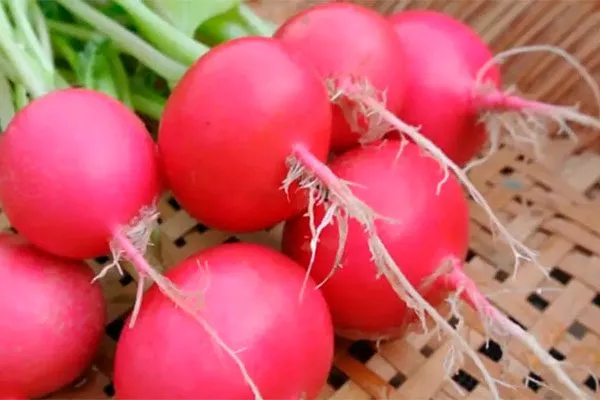
Features of the appearance of the plant and root crops
Radish Dusya is distinguished by its compact, semi-spreading rosette of leaves. It has a semi-erect structure and consists of medium-sized, grayish-green, obovate leaves with a rounded tip.
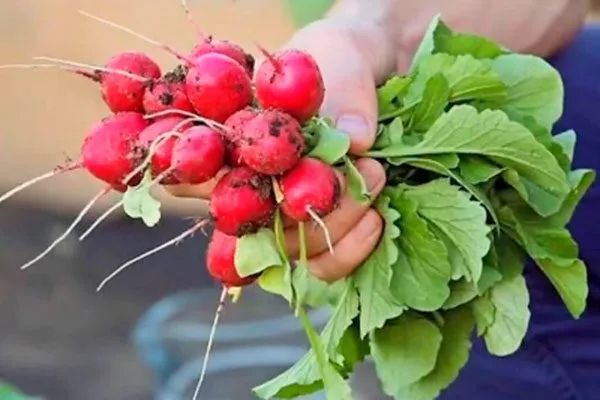
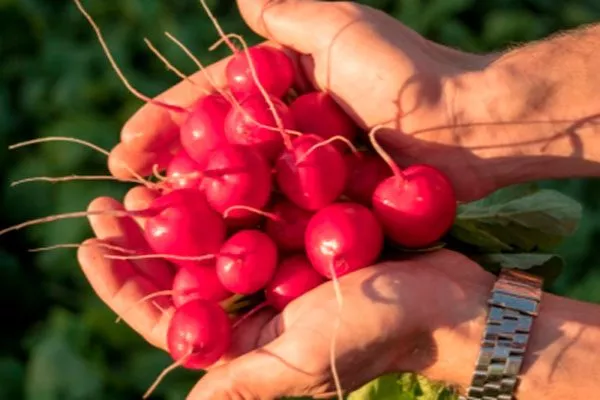
The hybrid's yield is renowned for its high commercial quality. Its roots are uniform in size and shape, possessing the following characteristics:
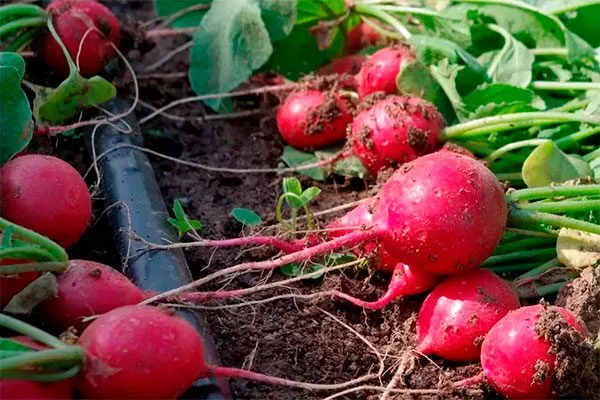
- weight - 27-30 g;
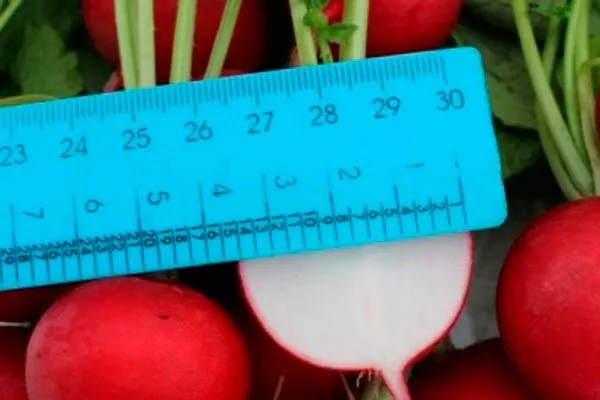
- diameter - 2-3 cm;
- smooth surface, not ribbed, without protrusions;
- round shape with a neat thin white root;
- raspberry-pink skin color;
- white flesh, oily, opaque, dense, sparkling, with a crunch and rich aroma.
Taste and purpose
This hybrid radish is winning the hearts of Russian gardeners thanks to its remarkable flavor: delicate, sweet, without bitterness, with a slight tang. It's intended for table use.
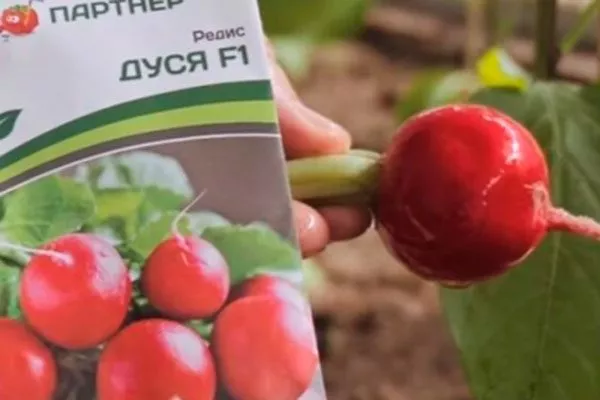
The vegetable is eaten fresh and is also suitable for preparing various dishes:
- summer vitamin salads;
- cold soups like okroshka, botvinya;
- vegetable stew;
- snacks.
Dusya's tops are also useful in cooking. They successfully replace spicy garden herbs like dill and parsley in dishes. Add them finely chopped (without cooking) to salads and prepared soups.
Growing regions
Gardeners successfully grow this radish hybrid almost everywhere. It is recommended for cultivation in the following regions of the Russian Federation:
- Northern;
- North-West;
- Central;
- Volga-Vyatka;
- Central Black Earth Region;
- North Caucasian;
- Middle Volga;
- Lower Volga;
- Ural;
- West Siberian;
- East Siberian;
- Far Eastern.
The Dusya variety of radish is a healthy food. Its fruits are rich in vitamins (C, PP, and B vitamins) and minerals (potassium, iron, and phosphorus). The tops also contain many nutrients beneficial to human health.
Including radish in your diet allows you to experience healing effects:
- stimulation of the digestive process due to the high fiber content of the vegetable;
- removal of excess fluid from the body, reduction of swelling due to the diuretic effect of the product;
- reducing the level of bad cholesterol in the blood;
- strengthening the immune system;
- increasing vitality.
Resistance to diseases and pests
The Dusya hybrid is resistant to disease and pests. Its plants are rarely damaged by cutworms and ants in the garden. They are also resistant to fungal infections.
Soil requirements
This vegetable crop is quite demanding when it comes to soil conditions. Due to its hardiness, it can grow in poor, heavy, and even marshy soils. However, a bountiful harvest of juicy, beautiful fruits is only possible when grown in garden soils that meet the following requirements:
- loose, well-permeable to air and moisture;
- rich in humus;
- neutral in acidity;
- drained;
- soft and light.
If your soil isn't above average in fertility, improve it by adding compost while tilling. Apply up to 15 kg per square meter. Don't use fresh manure. It's high in nitrogen, which can cause radishes to become tops and the roots to become smaller.
If the soil is acidic, lime it. Adding dolomite or chalk during fall tillage will also help reduce acidity.
Necessary climatic conditions
The Dusya radish is easy-to-grow and cold-hardy. It can withstand temperatures as low as -3°C, making it suitable for growing in virtually all regions of the Russian Federation.
The optimal temperature regime for a hybrid is:
- +15-18°С — for the growth and development of bushes in the garden bed;
- +3-4°С — for seed germination;
- +12-16°С — for growing seedlings.
Landing
This radish hybrid is undemanding and hardy. It's easy to grow. Gardeners primarily cultivate it in open garden plots. It can also be grown in a greenhouse for an earlier harvest. Sow radishes every two weeks from April to early September.
Before sowing radish seeds, water the soil with Fitosporin to protect the seedlings from disease. Soak the seeds in water with a growth stimulant such as Epin or Zircon. This will speed up germination by several days, with shoots appearing in 3-4 days.
Requirements
When carrying out sowing work, follow the requirements regarding the planting pattern and density:
- sow 200-220 seeds of the Dusya hybrid per 1 sq. m of garden bed;
- sowing step - 5 cm;
- row spacing - 10 cm;
- seeding depth: 1 cm.
Sowing seeds
Prepare your garden plot for growing radishes in the fall so you can begin sowing the vegetable seeds as soon as the spring warmth arrives. You can also begin preparing the soil in the spring, a few weeks before sowing. Follow these steps:
- Dig up the soil on the site;
- clear away weeds, plant debris and other debris;
- add organic matter (humus or compost).
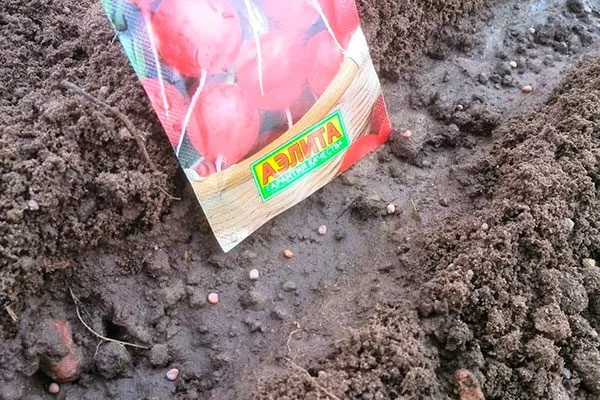
Before sowing, loosen the soil in your garden again, level it, and form beds. Sow the hybrid seeds according to the step-by-step instructions:
- Make furrows. Their depth is 3 cm.
- Water them and wait until the soil completely absorbs it.
- Sow the seeds at the manufacturer's recommended spacing of 5 cm.
- Sprinkle the furrows with seed material with a mixture of garden soil and river sand.
- Water the planting.
- Cover it with plastic wrap to retain heat and moisture in the soil. Once the sprouts emerge, the cover can be removed.
Agricultural technology
Caring for Dusya radishes is standard. It doesn't differ from the general rules of vegetable cultivation. This includes watering, fertilizing, loosening the soil, weeding, and thinning the plantings. Without these procedures, you won't get a rich, high-quality harvest.
Plant care and formation
To get high-quality radishes, take care of the garden bed properly:
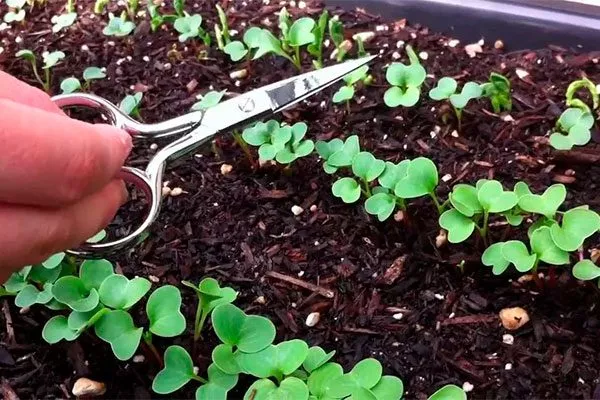
- Thin out the plantingAfter the seedlings emerge, remove weak shoots, leaving enough space between the future bushes to ensure proper formation of the turnips—5-7 cm.

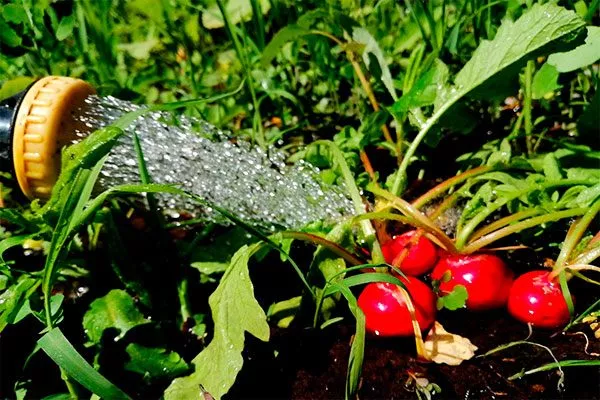
- Water the vegetable cropA lack of moisture causes the root vegetable to become loose and bitter. Water radishes every other day, or daily during hot periods. Pay attention to the soil conditions; it should always be moist.
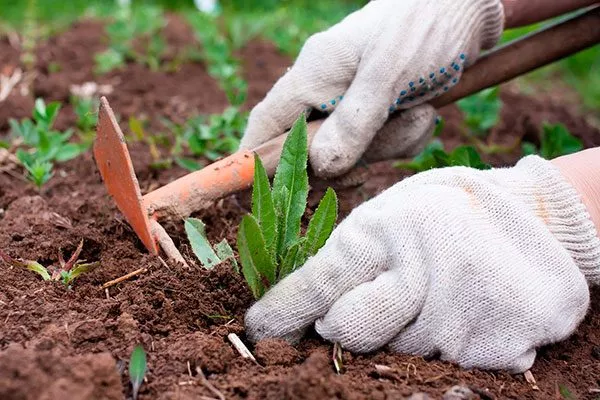
Apply water between the rows, being careful not to splash it on the root crops. Water the beds in the morning or evening to prevent evaporation in the sun. Avoid using cold water. - Loosen the soil and remove weedsCarry out these procedures at least once every 7 days. Perform them after the soil has become moist or after rain. Use a hoe for loosening the soil.
Carefully cultivate the soil between the rows, avoiding the root crops. Loosening the soil will ensure better oxygen supply to the plant's root system.
Pull weeds from your garden bed to prevent them from drawing nutrients from the soil. - Preventively treat plantings against pestsRadishes have quite a few enemies. The most dangerous is the cruciferous flea beetle. To protect against it, dust the plants with powdered wood ash mixed with tobacco dust or lime (1:1).
Repeat this procedure 2-3 times per season, 4-5 days apart. Apply the first treatment immediately after the seedlings emerge.
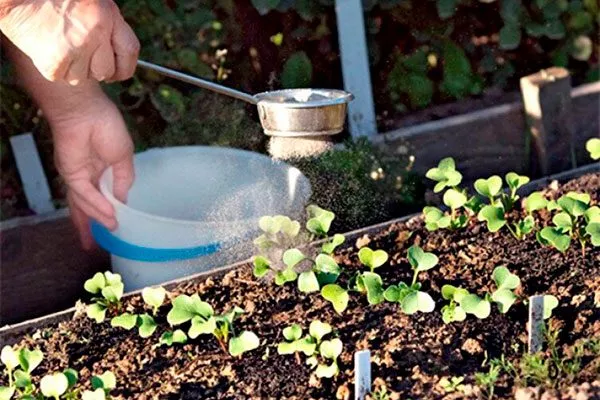
- Apply the first treatment to the plants with a mixture of wood ash and tobacco dust immediately after the seedlings emerge.
- Repeat the treatment after 4-5 days to consolidate the effect.
- Perform the third treatment a week after the second for complete protection against cruciferous flea beetles.
Fertilizers and dressings
When growing vegetables in fertile soil, well-fertilized in the fall, fertilizing is not necessary. For poor soil, use the following nutrient solutions:
- manure solution (200 g per 100 l of water);
- Superphosphate dissolved in water (30 g per 10 l);
- dry wood ash, sprinkling it between the rows.
Radishes respond well to watering with herbal infusion. To obtain this natural fertilizer, rich in nitrogen, potassium, and phosphorus, follow these steps:
- Fill the container 1/4 full with water.
- Place freshly picked plants in a container with water (10 kg of plant material per 100 liters of water).
- Add 2 kg of dry chicken manure.
- Cover the container with a net.
- Stir the contents daily. The fertilizer will be ready after the fermentation process is complete (after 14-20 days).
Before using, strain the resulting concentrate and dilute it with water in a 1:1 ratio. Apply the green fertilizer to the radishes at the roots.
Positive and negative qualities
The Dusya hybrid is renowned for its many virtues, making it a favourite among gardeners in many regions of the country:
Among the disadvantages, the crop is susceptible to attacks by cruciferous flea beetles, especially under unfavorable growing conditions.
Reviews
Dusya F1 is a striking example of an early-ripening radish hybrid. Domestic gardeners love it for its highly marketable roots, uniform size and attractive appearance, a pleasant, non-bitter taste, and a delicate aroma. It is popularly grown not only for private consumption but also for commercial sale.