
Diego radish is a popular hybrid variety that attracts gardeners with its early maturity and high yields. Its popularity stems not only from its excellent taste but also from its ability to successfully adapt to a variety of climates. The key is to provide the crop with comprehensive and proper care.
History of origin
The hybrid was specifically bred to be productive, easy-to-grow, and adaptable to a variety of climates. After successfully passing all necessary trials and tests, Diego received official approval and was added to the state register in 2011.
Introduction to the variety
Characterized by good productivity and suitable for both open and protected cultivation, the plant has a strong immune system and many interesting characteristics.
Distinctive features of tops and fruits
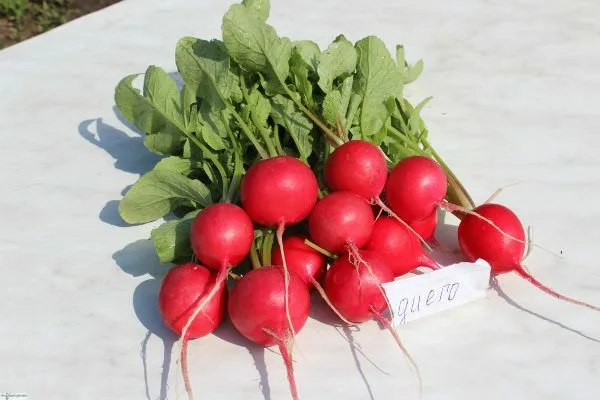
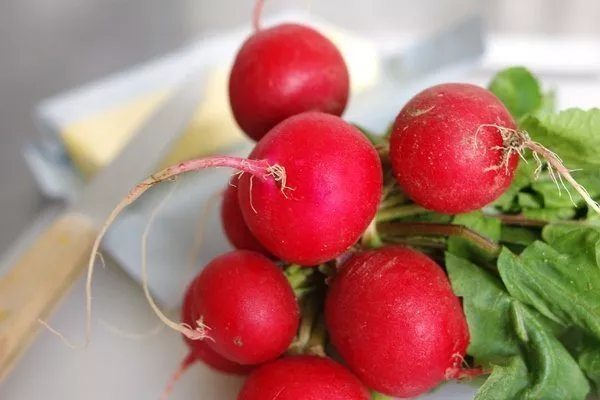
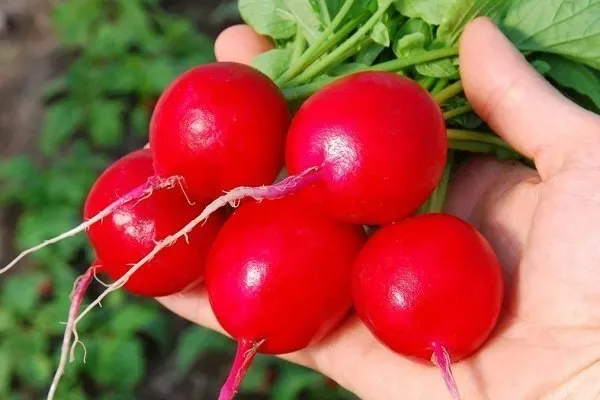
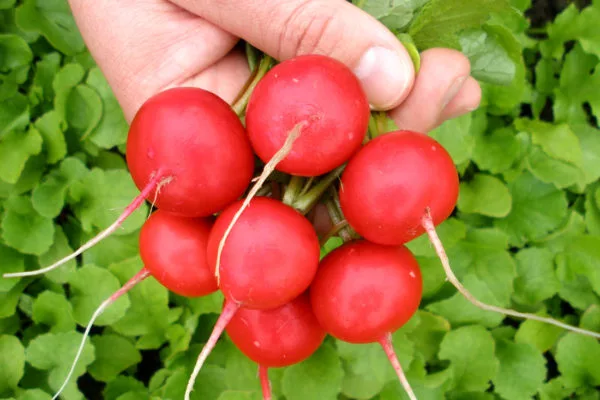
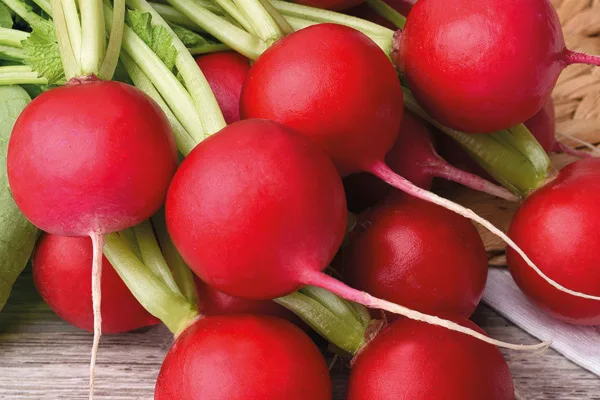
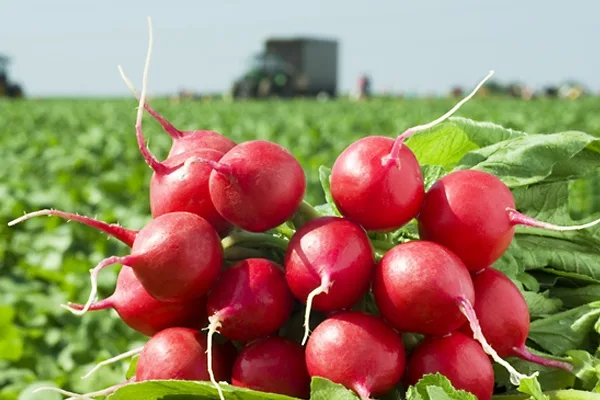
The rosette of leaves is erect. The obovate leaf blades are green, and the petioles have an anthocyanin hue of varying intensity. The roots are round, weighing between 30 and 35 grams, although specimens weighing up to 60 grams are occasionally found.
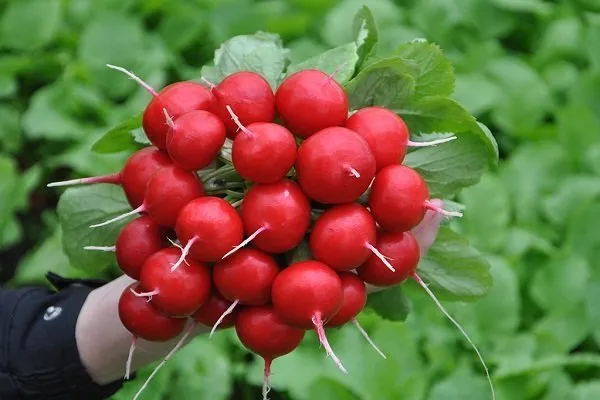
The vegetables are generally large, averaging 5 cm in diameter. The head is convex, the surface is smooth, and the flesh is snow-white. The interior is delicate and juicy, free of coarse fibers. They retain their beneficial properties for a long time.
Taste qualities, purpose
The ripe flavor of the Diego radish is highly prized by many vegetable growers. This hybrid is versatile: it can be eaten fresh, used for bunching, or sold commercially.
What is it used for and where?
In spring, the body especially needs vitamins and microelements, and this hybrid, rich in antioxidants and folate, perfectly replenishes these deficiencies. It's the first vegetable on the spring table, used in salads, vegetable platters, and cold soups like okroshka.
Not only the fruits but also the tops of the plant are added to salads and entrees. Due to its good shelf life, the vegetable is also included in winter menus, for example, baked for New Year's Eve or as a canned spicy and sour appetizer.
Maturation
This hybrid plant attracts vegetable growers with its early maturity. The roots ripen early: from germination to harvest, it takes only 33-42 days, which is excellent.
Productivity
Good productivity is the hybrid's main advantage. Germination rates reach 99%, and adverse weather conditions have virtually no effect. The yield depends largely on the planting scale.
Suitable climate, regions
The crop thrives in the following regions: the Northern, Northwestern, Central, Volga-Vyatka, and Central Black Earth regions. It is also cultivated in the North Caucasus, Middle Volga, Lower Volga, Ural, West Siberian, and Far Eastern regions of the country.
Sowing rules
To reap a bountiful harvest of radishes, it's important to plant them correctly. This process isn't fundamentally different from growing other varieties, so even a novice gardener can handle it.
- ✓ Optimum soil temperature for sowing: +8…+10°C.
- ✓ Seeding depth: 1.5-2 cm.
- ✓ Distance between rows: 15-20 cm.
Recommended timeframes
Plant seedlings throughout the summer season. The first sowing should be done in April, although earlier sowing is also possible. Be sure to use plastic covers.
Sow seeds in June, and plant subsequent times based on needs and climate conditions. In regions with hot, dry summers, late-summer sowing is not recommended unless plants can be protected from direct sunlight.
Where is the best place to grow Diego radish?
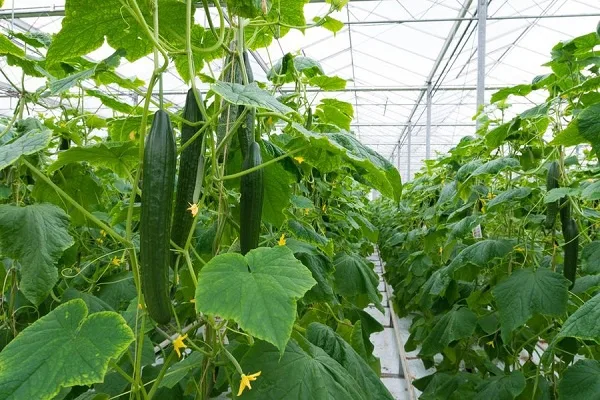
Heated greenhouses, hotbeds, and open ground are suitable. Supplemental lighting is required for year-round cultivation. Choose a well-lit site with a low water table and light, loose, neutral soil.
Preparing the beds
The hybrid's growing season is short, so prepare the site in advance. To improve heavy soil, add sand and compost. Neutralize acidic soil with slaked lime or wood ash.
Landing algorithm
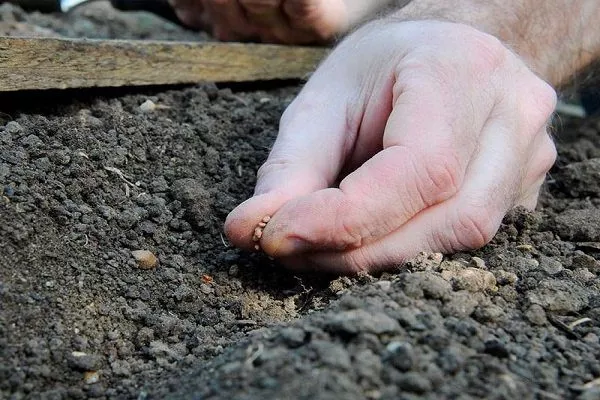
Sow the seedlings into prepared beds at close intervals to avoid thinning young shoots. They don't require pre-soaking, so use a precision seeder.
Step-by-step instructions:
- Cover the seeds with a thin layer of soil and compact it lightly.
- Sprinkle a small layer of peat or a mixture of sand and ash on top.
- Finish the process with a generous watering.
By following the recommendations, you will be able to properly carry out the event for good growth and development of vegetables.
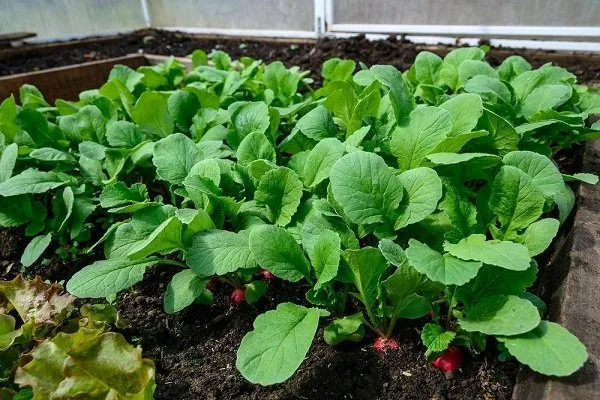
Features of cultivation
To achieve a high yield when planting the Diego variety, it's important to cultivate it responsibly. It doesn't require significant effort; simple care is sufficient.
Watering
The crop requires sufficient moisture, so ensure regular irrigation immediately after sowing. Follow these recommendations:
- During the first two weeks, water as the soil dries out, determining the required amount of water empirically, as the frequency and volume may vary depending on the region.
- Do not allow the soil to dry out completely, as this will negatively affect the growth and development of the fruit.
When root vegetables begin to form, reduce watering, but make sure there is no stagnant water in the soil to prevent the vegetables from cracking.
Thinning
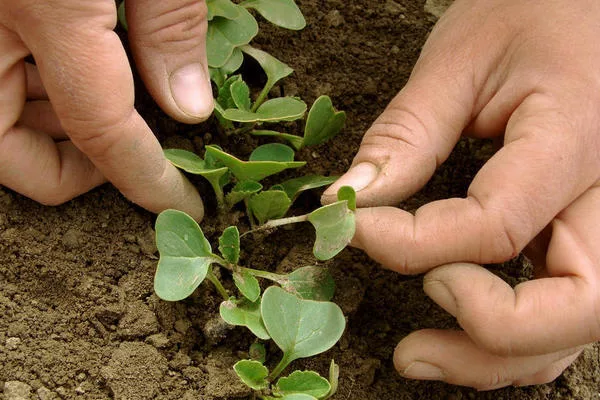
To ensure a high yield, remove weak shoots. If plantings are too dense, the roots will not have enough space to develop properly, which can lead to deformation and shrinkage. The optimal distance between plants is 7-10 cm.
- Before sowing, add a complex fertilizer with NPK 10-10-10 to the soil at a rate of 30 g per 1 m².
- Two weeks after germination, apply foliar feeding with a urea solution (10 g per 10 l of water).
- During the period of root formation, use potassium fertilizers to improve the taste.
Top dressing
After planting, don't apply fertilizer, as it's sufficient to prepare the beds. However, if fruit formation is slowed by unfavorable weather conditions, apply an ash infusion to the roots.
To prepare 200 g of ash, pour 10 liters of hot water over it and let it steep, covered, at room temperature for 2 days. Strain the infusion before using.
Harvesting
Don't leave the vegetables in the garden for too long. Harvest them within 3 days of ripening. To determine when it's time to dig up the radishes, rake away the soil over 1-2 plants and check the size of the radishes. If they haven't reached the specified diameter, replace them and wait until they reach the desired size.
Storage
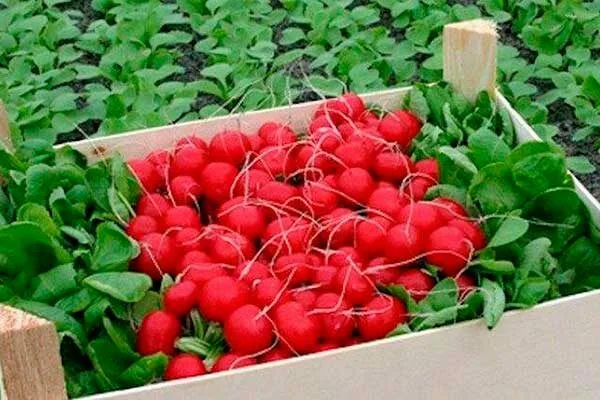
Shake off the soil from the root vegetables, trim the tops, and tie them into bundles. You can also trim the leaves completely, wash and dry the vegetables, then store them in ventilated boxes or absorbent bags.
Control of diseases and pests
The crop has a strong immune system, but improper agricultural practices can cause various problems. The table provides treatment recommendations:
| Disease/Pest | Symptoms | Control measures |
| Downy mildew | A white powdery coating on the leaves that can eventually cover the entire surface. | Remove affected leaves and treat plants with fungicides such as Topaz, Hom, or Ordan. Maintain an optimal watering regime and ventilate the greenhouse. |
| Rhizoctonia | The appearance of root rot, discoloration of root crops, slow plant growth. | Use root protection products such as Fundazol or Topsin. Improve soil drainage and avoid overwatering. |
| Root rot | Rotting of vegetables, presence of spots and deterioration of their appearance. | Apply fungicides, such as Previcur, and avoid excess moisture. Treat the soil before planting with lime or gold to prevent acidic conditions. |
| Cruciferous flea beetle | Small round holes in the leaves, which leads to their destruction. | Before loosening the soil, sprinkle the spaces between rows with mustard or ground pepper (5 g per 1 sq. m). Use ash or cover the tops with non-woven material. |
| Aphid | Sticky secretions on leaves, deformation of plants, slow growth. | Use insecticides such as Actellic or Confidor. Folk remedies such as soap solutions or garlic infusions are also effective. |
| Whitefly | White insects on the underside of leaves, yellow spots and poor plant growth. | Use Intavir or Tanrek insecticides. For prevention, use glue traps. |
Prevention of various problems
Even experienced gardeners experience setbacks, and to prevent them, it's important to address potential problems in advance. Underdeveloped root crops can be caused by several factors:
- Rapid growth of tops due to hot weather and insufficient watering.
- Planting density and untimely thinning.
To avoid a bitter taste in vegetables, ensure ample moisture and timely harvesting. If not harvested promptly, they may begin to crack and become bitter. Hard and woody roots are produced by extreme heat (no more than 10 hours of direct sunlight per day) and a lack of moisture.
Similar varieties
| Name | Ripening period (days) | Cold resistance | Root size (cm) |
|---|---|---|---|
| Dabel | 20-25 | High | 4-5 |
| Champion | 25-30 | Average | 5-6 |
| 16 days | 16-20 | Low | 3-4 |
| Heat | 18-22 | Average | 4-5 |
| Sora | 20-25 | High | 5-6 |
| Parat | 22-28 | High | 4-5 |
Diego stands out as an early-ripening hybrid with high productivity. Among similar varieties with similar characteristics, the following are noted:
- Dabel - An early variety with round roots and good cold resistance.

- Champion - An early-ripening variety for open ground and greenhouses, with smooth, dark-red roots and juicy white flesh.
- 16 days – An ultra-early variety with spherical, dark-red roots and a crisp white core. Yield is slightly lower.
- Heat – an early maturing crop with red round roots weighing up to 30 g.
- Sora - A fast-maturing variety with large roots up to 5 cm in diameter. The flavor is slightly spicy.
- Parat - one of the best varieties with spherical fruits weighing about 30 g.
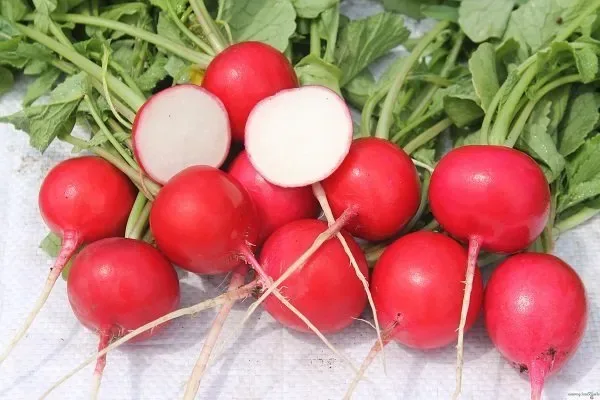
The Diego hybrid is one of the best varieties, surpassing its analogues in yield, ease of care and taste.
Positive and negative qualities
Reviews
Diego radish deservedly holds a place of honor among the best hybrid varieties due to its low maintenance, tolerance to adverse conditions, and excellent flavor. Its ability to maintain its marketable qualities over a long period makes it an ideal choice. Consistent care is essential to maximize productivity.