
The Denis radish was developed relatively recently, but it has already gained popularity among gardeners due to its excellent characteristics. Its good productivity, rapid growth, and pleasant flavor make it an ideal choice for planting in various gardens. It tolerates weather fluctuations well, but requires regular care to ensure bountiful harvests.
History of selection
Developed by specialists at Heterosis Selection LLC and approved for use since 2020, it has quickly become popular among Russian vegetable growers. Even beginners can grow it.
Introduction to the variety
Denis radish is an early-ripening hybrid prized for its high yield and resistance to adverse conditions. These qualities make it ideal for growing in a variety of climates.
Vegetable harvesting occurs 16-18 days after sowing. The average yield is 5.2-5.4 kg per square meter. The crop exhibits resistance to bolting, allowing for consistent, high yields even in challenging growing conditions.
Features of the appearance of the plant and root crops
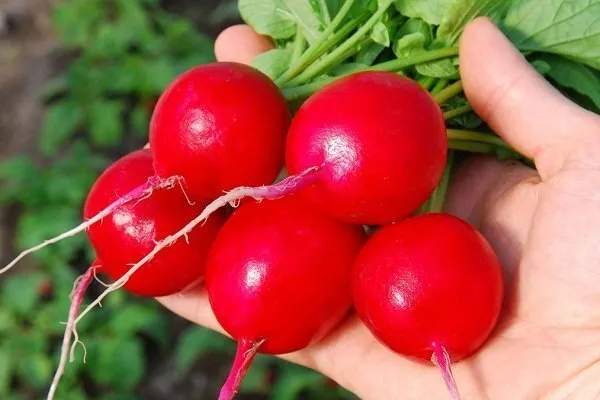
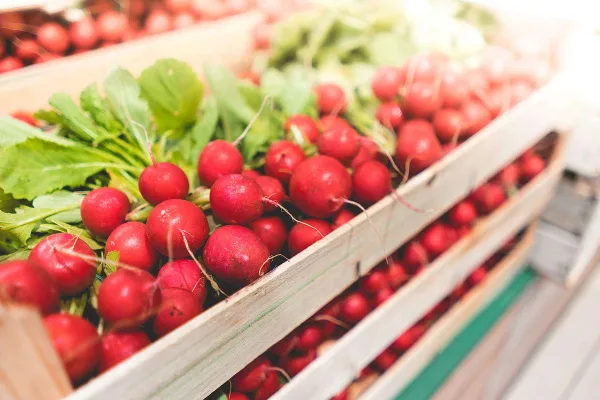
The upright rosette with grayish-green leaves reaches medium length, is narrowly obovate, and has a pointed tip. The petioles lack anthocyanin coloration. The vegetables have a rounded shape, a convex head, and a raspberry-pink color. Weight ranges from 25 to 27 g.
Taste and purpose
The flesh is white, juicy, and tender, without bitterness, with an excellent, semi-sharp flavor. These characteristics make radishes an ideal ingredient for a variety of dishes and appetizers thanks to their excellent taste.
Landing rules
This vegetable crop is valued for its early maturity, low maintenance, and strong immune system. To obtain a bountiful and high-quality harvest, it is important to follow basic agricultural practices.
Deadlines and requirements
The timing of planting depends on the region's climate. Typically, radishes are planted outdoors as soon as the soil warms to 5–7°C, but the plant tolerates short-term cold spells well.
The plant prefers light, fertile soil with a neutral or slightly acidic pH and good drainage. Loosen the soil before planting, remove weeds, and add organic fertilizer to improve its structure and nutritional value. The site should receive full sun—radishes dislike shade.
Sowing
Pre-calibrate the seeds and soak them in warm water for several hours to speed up germination. Place the seeds in prepared furrows 1-1.5 cm deep.
Maintain a 4-5 cm spacing between rows, and 10-15 cm between rows. This will provide the plants with sufficient space to grow and prevent them from becoming overly dense, which negatively impacts the quality of the root crops.
Carefully fill the beds with soil and compact them lightly to ensure seed-to-soil contact. To maintain optimal germination conditions, water moderately with warm water, avoiding overwatering.
Care
Caring for radishes is the key to their rapid growth and high yield. The plants require constant attention. Adherence to proper agricultural practices allows you to grow high-quality root vegetables with excellent flavor.
Weeding
The crop is sensitive to weed competition, which can choke young seedlings and reduce access to light and nutrients. Regular weeding keeps the beds clean and promotes proper plant development.
Watering
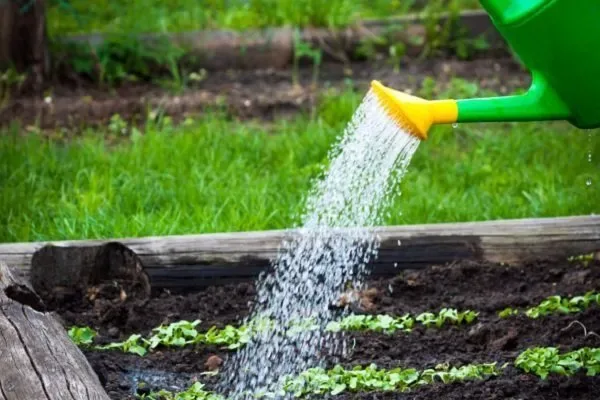
Provide frequent watering, as insufficient water causes the roots to become tough and crack, increasing their pungency and bitterness. Water the beds as the top layer of soil dries out, keeping it slightly moist.
Add more water during the period of active root development. Apply in the morning or evening, using warm, settled water, avoiding drips on the leaves to prevent disease.
Top dressing
During the initial growth stage, plants require nitrogen—add it in the form of organic infusions or mineral fertilizers such as urea or ammonium nitrate. As root vegetables develop, opt for potassium-phosphorus fertilizers, which improve flavor and texture.
Pest control
The hybrid is susceptible to pests such as flea beetles and cabbage flies, which can significantly reduce yields. To protect against insects, take a combination of measures:
- regular loosening of the soil;
- using agrofibre to cover seedlings;
- dusting with wood ash or tobacco dust.
In cases of widespread infestation, use biological insecticides that are safe for humans and the environment. Effective protection will minimize losses and ensure healthy growth.
Harvesting
Harvesting vegetables is an important step that directly impacts their quality and shelf life. Follow these recommendations:
- The roots should be firm, elastic and easy to pull out of the ground.
- Carry out the procedure in the morning or evening hours, when the temperature is lower, to avoid loss of juiciness.
- Before harvesting, lightly moisten the bed to make it easier for the vegetables to be removed from the soil without damaging them.
- Hold the plant by the tops, gently pulling upwards, and trim the leaves immediately to prevent moisture loss.
Radishes have a limited shelf life, so eat them immediately after harvesting. They stay fresh for 1-2 weeks. Store them in the lower compartment of the refrigerator at 2 to 4°C.
Positive and negative qualities
Reviews
Denis radish is a versatile variety that combines ease of cultivation, excellent yield, and flavor. It's suitable for both experienced and novice gardeners. When basic gardening recommendations are followed, this crop consistently yields high-quality crops, making it an excellent choice for both personal consumption and retail.