
Radishes are harvested early—in late May or early June. Good growers think carefully about how to fill the empty beds. The soil remains fertile after radishes, and many crops grow well in it during the summer of the same season, but some plant species should not be planted after radishes.
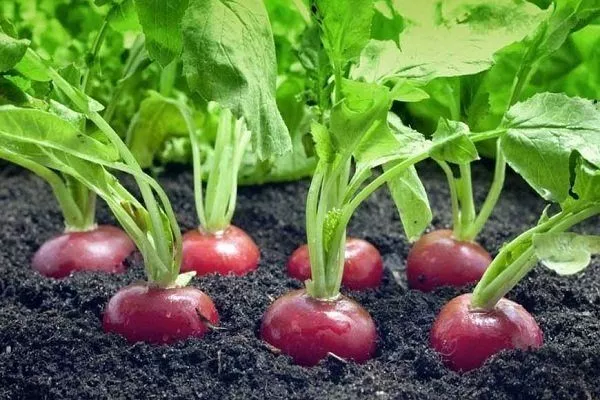
The importance of following crop rotation rules in the garden
Crop rotation is a scientifically based change of plant species on a given plot, taking into account the development characteristics and needs of crops at different stages of the growing season. After harvesting a crop, the same crop cannot be replanted in the same season or the following year.
Crop rotation is necessary in order to:
- avoid the accumulation of infections in the soil and the active reproduction of insect pests characteristic of a particular plant species;
- prevent the accumulation of toxic substances released by some vegetable crops in the soil;
- prevent soil depletion;
- increase the yield of the next planted crop.
To achieve the above objectives, it is necessary to follow crop rotation rules:
- do not plant the same crop or related crops in the same area year after year;
- do not plant the crop in the same place earlier than after 3 seasons;
- do not place plants affected by the same infectious diseases and pests next to each other;
- take into account what nutrients the planted crop species need;
- Alternate plants with shallow and deep root systems.
What can be planted after radishes?
| Name | Growing season | Disease resistance | Demanding of light |
|---|---|---|---|
| Tomatoes | 90-120 days | High | High |
| Peppers | 60-90 days | Average | High |
| Zucchini | 40-50 days | High | Average |
| Eggplants | 100-150 days | Average | High |
| Squash | 45-55 days | High | Average |
It is best to plant the beds after radishes:
- tomatoes;
- peppers;
- zucchini;
- eggplants;
- squash.
- ✓ Consider the root depth of the subsequent crop to ensure optimal use of soil resources.
- ✓ Check crop compatibility for susceptibility to common pests and diseases.
Melons grow well after radishes, but consider the size of the plants when planting. Zucchini and squash are small compared to other melons, but even they require 50 square centimeters per plant to thrive. Melons and watermelons, however, are unlikely to fit in small beds.
Potatoes grow well after radishes. Most potato varieties are planted before the radish harvest, but some varieties have a short growing season and produce a harvest before the autumn cold sets in. In this case, too, it's important to consider the small size of the beds, which will only accommodate a few potato plants.
Many gardeners plant legumes after radishes. This is a good option, as the diseases and insects that attack radishes don't affect peas and beans. Legumes, on the other hand, enrich the soil with nitrogen, allowing any garden crops to thrive in the same spot next season.
It's too late to sow celery after radishes, but you can plant parsley, dill, cilantro, and leafy greens. Umbelliferous and leafy greens aren't the best choice after radishes, but they're acceptable. Dill and parsley also don't have the same pests and infections that attack radishes, so growing them isn't a problem.
Next season, potatoes and beets will grow well in the place occupied by radishes.
What shouldn't be planted after radishes?
| Name | Growing season | Disease resistance | Soil requirements |
|---|---|---|---|
| Radish | 25-30 days | Average | Low |
| Cabbage | 50-100 days | Low | High |
| Radish | 50-70 days | Average | Average |
| Swede | 90-120 days | High | Average |
| Carrot | 70-80 days | Average | Low |
| Onion | 90-120 days | High | Low |
| Garlic | 90-150 days | High | Low |
Empty beds after radish planting cannot be occupied by:
- radish;
- cabbage, radish, rutabaga and other representatives of the Cabbage family;
- carrots, which are affected by the same pathologies as radishes;
- onions and garlic (there is a high risk of the bulbs being damaged by pests or infection remaining in the soil).
You can return the radish to its original location after 3 seasons.
How to prepare beds for replanting after harvesting radishes?
Radishes are one of the first to be planted. The soil, rich in organic matter and minerals, is prepared for them in the fall. The crop's growth and root maturation period is short (a month or a little more), and the plants only have time to extract a small portion of the soil's nutrients. Therefore, the soil after radishes remains loose and fertile.
Some gardeners sow radishes between tomato and cucumber rows. The root crops are harvested early, giving the main crops extra room to grow. However, early sowing of tomatoes and cucumbers is not suitable in all regions.
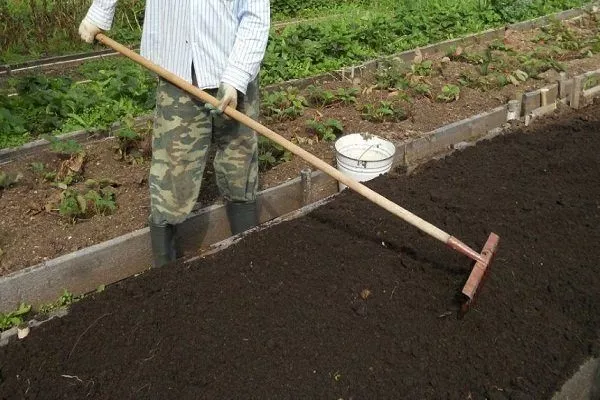
Algorithm for preparing beds for re-sowing:
- the area is cleared of leaf debris and weeds, and any remaining roots are removed from the soil;
- the soil is thoroughly dug up, compost and urea are added to increase fertility;
- the soil surface is leveled and watered;
- The soil is left to rest for several days.
If the soil was initially fertile, no fertilizer is needed. After radishes, crops with different root systems are planted, drawing nutrients from other soil layers.
Knowing and following crop rotation rules helps maintain the health and yield of crops planted after radishes. It's important to choose the right crop and prepare the beds after harvesting.