
The Zvezda tomato is a popular variety with excellent characteristics for vegetable growers who value early and consistent harvests. It will delight you with delicious fruits suitable for both fresh eating and canning. Characterized by disease resistance and ease of care, it boasts many positive qualities and features.
Characteristics of the variety, features and selection
Bred by N. S. Gorshkova, I. I. Tarasenkov, and R. Kh. Bekov at the Federal Scientific Center for Vegetable Growing and the Poisk Agrofirm. The variety was introduced for commercial use in 2002.
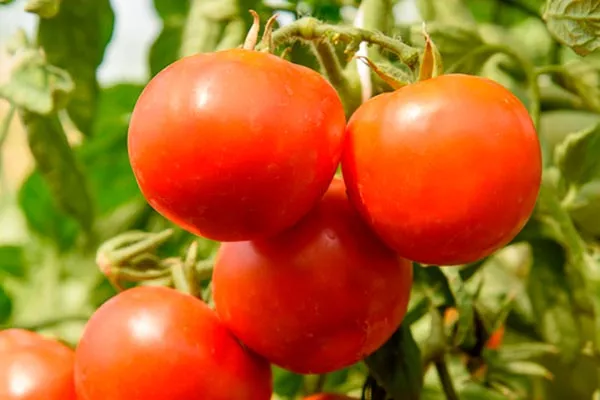
This tomato has a determinate growth pattern and is classified as an early variety, with a ripening period of 87 to 101 days. The first ripe tomatoes can be harvested within this time frame after planting the seedlings or emergence.
Appearance of the bush and fruits
The plant is medium-sized, reaching 60-70 cm in height. The bush has moderate foliage. The shoots are covered with small to medium-sized leaves, tinted green. The inflorescence is simple: the first inflorescence forms above the 8th or 9th leaf, and subsequent inflorescences form one or two leaves apart. The peduncle is unjointed.
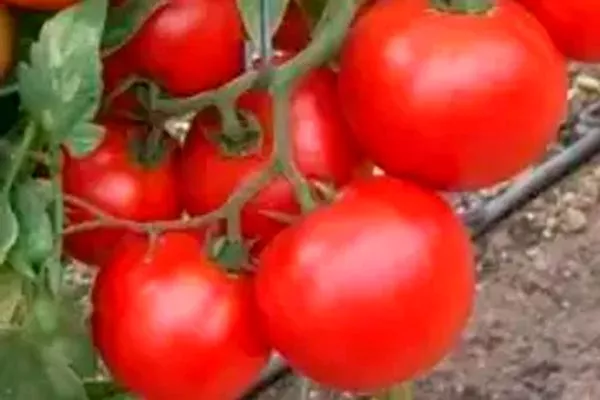
The tomatoes are round and light green when unripe. When ripe, they turn red or red-orange. They weigh between 40 and 70 grams.
Taste qualities, culinary uses
These vegetables have a delicate and sweet flavor due to the high sugar content (2.9-4%) in the pulp. The skin is smooth, and the flesh is firm. These tomatoes are ideal for fresh consumption due to their excellent taste.
The fruits are used in salads and other dishes. They are also suitable for canning and pickling. Due to their compact size, they are often preserved whole in jars.
Growing
The Zvezda tomato is a high-yielding variety that can be successfully grown both outdoors and in greenhouses. It is easy to grow and requires minimal care, but to ensure a high-quality and abundant harvest, it requires some important steps.
Sowing time, soil composition, containers
To grow the crop, sow the seeds in late February or early March, depending on the regional climate. This is the optimal time for the seedlings to develop before transplanting them outdoors.
The soil for seedlings should be light, nutritious, and well-drained. A mixture of peat, humus, and sand in equal proportions is suitable. For sowing, use plastic containers, seedling trays, or peat pots, which will ensure better root growth.
Preparatory work
Carefully treat the seeds to improve germination and protect the plants from diseases. To do this, soak them in a potassium permanganate solution or treat them with special fungicides to prevent disease.
Soak the seeds in growth stimulants, such as Epin, to speed up germination. Afterward, dry the seeds and sow them immediately in prepared containers.
Sowing and growing seedlings
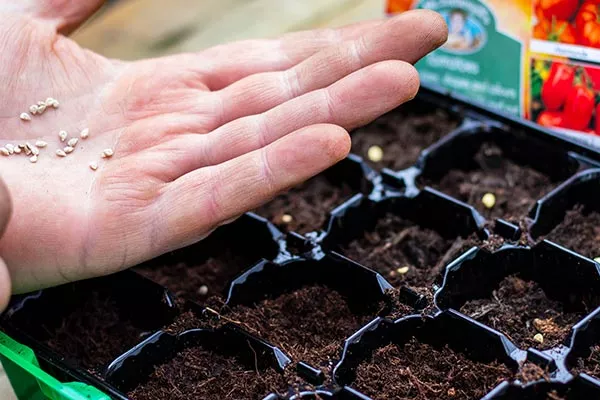
Plant the seeds 1-2 cm deep in the soil. Be sure to cover the containers with transparent film or glass to create a greenhouse effect. The temperature for germination should be between 22-25°C. Once the seedlings emerge, remove the cover and reduce the temperature to 18-20°C to prevent the seedlings from stretching.
Transfer
Transplant the seedlings into the garden beds once the danger of frost has passed and the soil temperature has warmed to 15°C. The Zvezda tomato prefers sunny sites protected from strong winds. Before transplanting, prepare the site by improving the soil structure with organic fertilizers such as humus or compost.
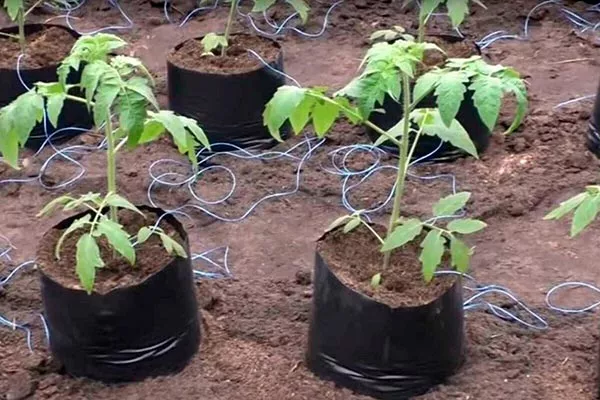
- ✓ The optimal soil temperature for transplanting seedlings should be no lower than +15°C to avoid stress on the plants.
- ✓ The distance between bushes when planting should be 40-50 cm to ensure sufficient space for growth and ventilation.
When planting seedlings, space them 40-50 cm apart to ensure they have enough room to grow. After transplanting, water the seedlings generously and provide regular care, including fertilizing and disease protection.
Care activities
Caring for your bushes is an important process that involves several key steps. Proper care contributes to a high yield and healthy plants.
| Type of feeding | Period of application | Efficiency |
|---|---|---|
| Organic fertilizers | 2-3 weeks after transplantation | Tall, especially for foliage growth |
| Mineral fertilizers with phosphorus and potassium | Period of ovary formation | High, to stimulate fruiting |
Follow standard agricultural practices:
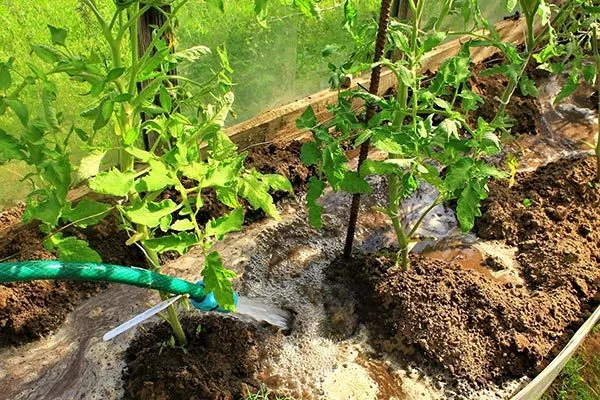
- Watering. Provide regular but moderate moisture. Overwatering can lead to root diseases, while underwatering can result in poor growth and tomato drop.
Water the bushes in the morning or evening to avoid leaf burn in sunny weather. Apply water at the roots. Increase the amount during periods of active growth and flowering, especially in hot weather. - Top dressing. To promote vigorous growth and fruit formation, consider fertilizing. Two to three weeks after transplanting the seedlings into open ground, add organic fertilizers, such as a solution of mullein or bird droppings. Mineral fertilizers containing nitrogen are also effective.
During the period of ovary formation, use fertilizers with a high content of phosphorus and potassium - superphosphate and potassium salts, to stimulate flowering and fruiting.
During the period of active tomato growth, use a comprehensive mineral fertilizer with a balanced balance of micronutrients to support the plants at peak ripening. Alternate feedings, using both organic and mineral fertilizers. Avoid excess nitrogen, which can cause excessive foliar growth at the expense of the fruit. - Loosening and weeding. Regularly loosening the soil helps improve air access to the roots and prevents a crust from forming on the surface, which can impede proper moisture absorption. Loosen the soil carefully to avoid damaging the plant's roots.
Remove weeds that take away nutrients and water, competing with tomatoes. - Mulching. This is an important measure that helps conserve soil moisture, prevent weed growth, and maintain a stable temperature in the root zone. Use hay, straw, sawdust, or grass clippings. This will prevent the soil from overheating on hot days and protect the roots from freezing in cold weather.
Zvezda is a determinate variety that does not require regular pinching, but to prevent damage and improve air circulation, it is recommended to tie the bushes to vertical supports or trellises.
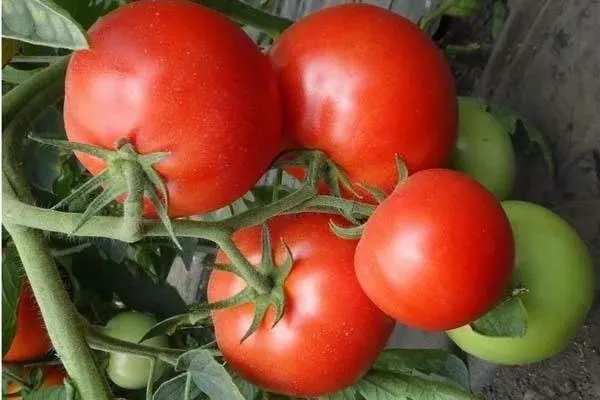
Regularly removing yellowed and damaged leaves improves ventilation and reduces the risk of disease. Preventative treatments against diseases and pests will help avoid crop losses.
Pros and cons
Before growing seedlings, carefully study the pros and cons of the variety to avoid potential problems in the future. Zvezda has many advantages:
Among the crop's shortcomings, some agronomists note its sensitivity to nutrient deficiencies in the soil and the potential for cracking of tomatoes in extreme heat. Furthermore, the bushes may require additional watering management in hot weather.
Reviews
Zvezda is a tomato characterized not only by its excellent taste but also by its high yield. These tomatoes are ideal for salads and canning, and their compact size allows for savings on the garden. Easy care and disease resistance make them an excellent choice for both beginner and experienced gardeners.