
Zolotoy Königsberg is a young indeterminate variety prized by gardeners for its rich, sweet flavor and vibrant color. These characteristics have earned it another, and entirely appropriate, name: Siberian Apricot. This variety is suitable for both open-field and greenhouse cultivation.
Characteristics and description of the variety
This Siberian-bred tomato was not developed by a research institute or agricultural firm, but by enthusiastic gardeners O. Postnikova and A. Zelenin. It was only added to the State Register of the Russian Federation in 2019, but had been successfully grown by gardeners in their private plots for several years prior.
Distinctive features of the plant
The bushes reach a height of 180 cm when grown in a greenhouse, and in open ground the average height is about 150 cm.
Other cultural features:
- The plants are compact, neat and not prone to overgrowth.
- The shoots are covered with large leaves, colored bright green.
- The bushes are distinguished by a racemose type of fruit ripening, in which inflorescences are formed through one leaf, less often through two.
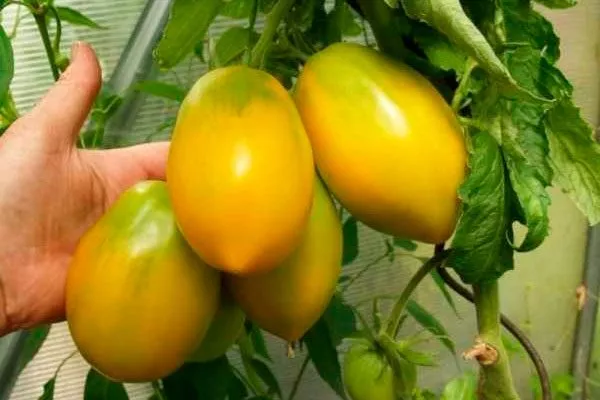
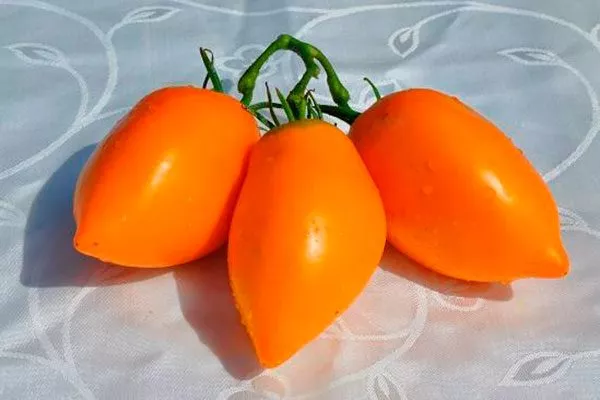
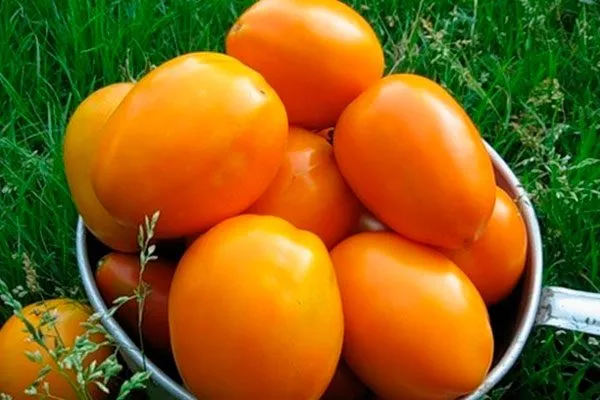
When ripe, the plants produce striking clusters of 6-8 bright orange tomatoes. Because of their decorative appearance, experienced gardeners often plant Golden Königsberg in the foreground of their beds, where the bushes look especially attractive.
Fruit characteristics
These tomatoes resemble large apricots thanks to their rich yellow-orange color. The color is uniform, unblemished, and when unripe, the fruits have a pale green tint.
- ✓ The variety has high resistance to heat and drought, which makes it ideal for growing in southern regions.
- ✓ The fruits have a unique ability to retain their shape and not crack when overripe, which is rare among tomatoes.
Distinctive characteristics of tomatoes:
- Form - Cylindrical, with slight ribbing and a slight taper at the tip. The peduncle has no articulation.
- Pulp – juicy, medium density, with four seed chambers.
- Taste - rich, sweet, with subtle fruity notes.
- Peel - thin but strong, thanks to which vegetables do not crack even when overripe and retain their shape when canned, becoming a real decoration for winter preparations.
Tomatoes store well and transport well, making them a popular choice among gardeners who grow the fruit not only for personal consumption but also for sale.
Ripening time and yield
This variety is considered a mid-season variety. It takes approximately 110-120 days from germination to the first harvest. The tomatoes ripen evenly.
Their size depends on the position of the brush:
- on the lower shoots, tomatoes reach a weight of up to 300 g;
- in the middle part of the plant - about 200-220 g;
- The vegetables on top rarely exceed 180 g.
The average yield of this variety is 8-9 kg per 1 square meter of planting, but under favorable conditions productivity figures reach 10 kg.
Application of fruits
The Zolotoy Königsberg variety is a salad variety and was originally bred for fresh consumption due to its excellent taste and nutritional qualities. However, these tomatoes are also excellent for home canning.
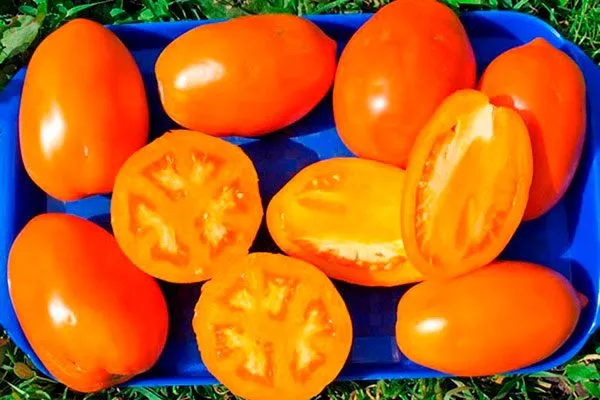
The vegetables are used to make juices, purees, adjika, and lecho. They withstand heat well and, when paired with red varieties, look stunning in glass jars.
Resistance to diseases and pests
Like any greenhouse tomato variety, Zolotoy Königsberg is susceptible to fungal diseases, including late blight and brown rot. High humidity indoors can cause characteristic black spots to appear on the fruit.
In regions with temperate and warm climates, fungal infections are extremely rare. As for pests, the crop is susceptible to them just like other varieties.
How to grow seedlings?
To obtain high-quality seedlings, seeds are sown approximately two months before transplanting into the ground. Since this variety is not a hybrid, the seeds can be harvested independently.
Seed preparation
Spread the seeds out on a flat surface and inspect them carefully, selecting only light-colored, smooth, and undamaged specimens. Follow these guidelines:
- To check for germination, immerse the seeds in a salt solution for 10 minutes: discard any seeds that float to the surface, as they are empty and not suitable for planting.
- Disinfect the planting material in a weak solution of potassium permanganate or 2% hydrogen peroxide, then rinse with clean water and dry.
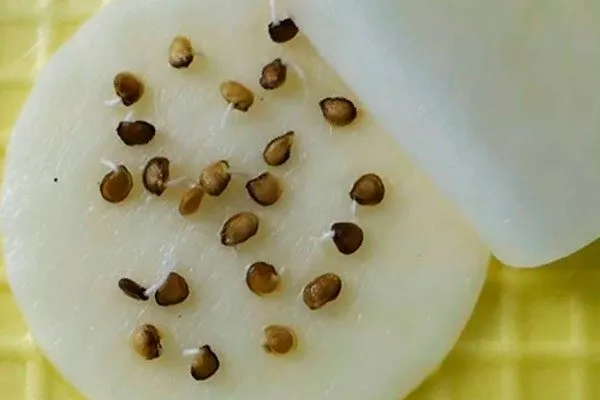
- To increase germination, sprout the seeds on damp cheesecloth for 2-3 days at 25-28°C in a dark place. Regularly moisten the cheesecloth with warm, settled water.
Container and soil
For planting, prepare nutritious and fertile soil: mix garden soil, peat, and humus in equal proportions. To improve the soil structure, add washed river sand.
Follow a few important steps:
- Disinfect the prepared mixture with a strong solution of potassium permanganate, as clean soil is the basis for healthy seedling growth.
- After disinfection, distribute the soil into planting containers, making drainage holes in the bottom to prevent water stagnation.
- Sow seeds in a common wooden box or individual containers: plastic cups, paper honeycombs or pots.
Peat pots are considered the most convenient, as they eliminate the need for picking and replanting. These pots are planted in the soil along with the plant, where they decompose without damaging the root system.
Sowing
Sow seeds 2 cm deep, leaving 3 cm between them. Follow the recommendations of experienced gardeners:
- Fill the furrows with peat, lightly moisten with warm, settled water using a spray bottle and cover with film or glass to create greenhouse conditions.
- Transfer the containers to a bright and warm room with a temperature of +24°C.
- Remove the film periodically to ventilate the soil.
Moisten the seedlings as the top layer of soil dries out with warm, settled water.
Caring for seedlings
Once the first shoots emerge, remove the plastic wrap and move the containers to a brighter location, such as a windowsill. Seedlings need at least 14 hours of daylight, so in northern regions with shorter days, install supplemental lighting, such as fluorescent lamps, in advance.
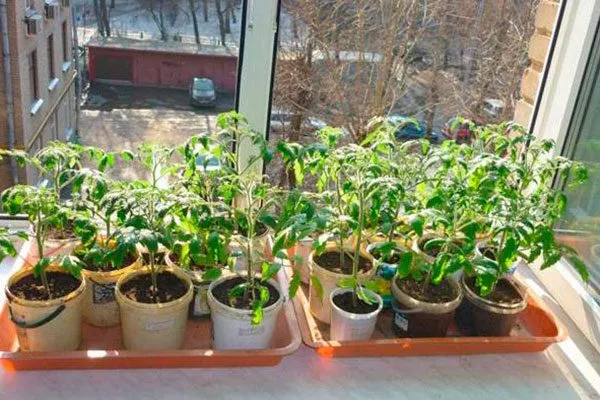
Seedlings develop more slowly if they don't get enough light. Provide moderate watering. Use a shallow watering can, applying water around the edges of the containers. After watering, gently loosen the top layer of soil with a wooden stick.
Picking tomato seedlings
When the seedlings have 2-3 true leaves, transplant them into individual containers. Helpful tips:
- If the plants remain in a common container, increase the distance between them to 10-15 cm - remove weak specimens.
- During transplantation, feed the seedlings with liquid fertilizer for seedlings, which will promote their active growth and development.
- Two weeks before planting, begin hardening off the seedlings by placing them outdoors for 1-1.5 hours. Gradually increase this time outdoors to 14 hours.
Simultaneously with daytime hardening, reduce the night temperature in the room to +13°C.
How to plant the Golden Konigsberg tomato in the ground?
After two months, the seedlings are ready for transplanting when the soil warms to 15-17°C. You can transplant the plants into the greenhouse two weeks earlier, as this variety is frost-resistant.
Follow these important rules:
- Golden Königsberg prefers slightly alkaline soil. Prepare it in the fall: when digging, add 0.5 buckets of humus per square meter. Treat the area with antifungal agents.
- Transplant the seedlings into open ground when they have 3-5 true leaves. Be sure to harden off the plants to better adapt to changing climate conditions.
- The seedlings should be at least 25 cm tall. Wait until the soil warms up to 14°C, which usually happens in late May in the temperate zone. Choose a site protected from the wind.
- ✓ The optimal soil temperature for planting seedlings should not be below +15°C, which is critical for preventing stress in plants.
- ✓ The distance between plants should be at least 45-50 cm, and between rows – 80-90 cm to provide sufficient space for growth and ventilation.
For proper growth and development, this variety requires sufficient space, so maintain a distance of 45-50 cm between holes and 80-90 cm between rows. Plant seedlings in open ground along a north-south axis to ensure uniform light throughout the day.
How to care for Golden Konigsberg tomatoes?
To achieve a good harvest, it's important to provide the crop with comprehensive care, which includes several agricultural practices. Unfavorable conditions pose a risk of small fruits, disease, or plant death.
How to water and feed tomatoes?
Provide the plants with regular and moderate watering. This depends on weather conditions. It's best to apply water through furrows, maintaining a regular watering schedule of at least once every 7-8 days. Although the variety is heat-tolerant, irregular and uneven watering can cause the tomatoes to crack.
Helpful tips:
- On hot days, water the bushes 2-3 times a week, 5-7 liters per bush, preferably in the morning. Mulch the soil to conserve moisture. Drip irrigation helps maintain constant moisture and save water.
- Fertilize the plant three times per season: during flowering, when fruit set, and during fruiting. Use both mineral fertilizers and organic fertilizers, such as mullein infusion and bird droppings in a 1:15 ratio.
Due to the high concentration of bird droppings, ensure proper proportions when preparing the solution to avoid burning the roots. During the fruiting period, apply potassium fertilizer to accelerate ripening.
Garter and pinching of the Golden Koenigsberg variety
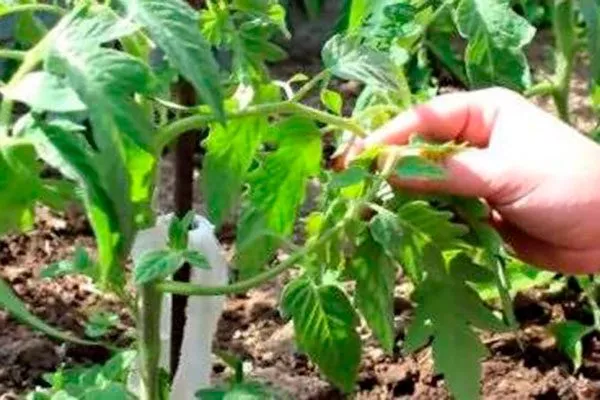
As the plant grows, daughter shoots called side shoots appear. Remove them regularly, weekly if possible. This will ensure the plant receives adequate nutrition.
Important rules for caring for bushes:
- Do not remove side shoots longer than 3 cm to avoid damaging the plants.
- Since this variety grows large, pay attention to staking. Use thin nylon cord that won't damage the stems.
- Trellis or wooden poles at least 3 m high are suitable for support. Attach wire to them in several rows, creating a grid to support the plants.
- When the bushes have 8-9 fruit clusters, pinch the tops to limit growth. Trim the lower leaves to improve soil aeration.
When the fruits are formed, stop pinching out the side shoots.
Diseases and pests
The Zolotoy Königsberg tomato variety is often susceptible to fungal infections, including late blight, especially in conditions of high soil moisture and calcium deficiency.
Follow these recommendations:
- At the first sign of infestation, immediately remove and destroy damaged parts to prevent the spread of disease. Treat the bushes with chemicals to combat infections.
- The crop can be susceptible to pest attacks, including aphids, spider mites, and whiteflies. To prevent disease and protect against harmful insects, regularly carry out preventative measures.
Use both ready-made chemical products and folk recipes, for example, infusions of garlic, celandine or laundry soap.
Nuances for open ground and greenhouse conditions
Greenhouse tomatoes often fail to pollinate themselves due to high humidity, which causes pollen to clump together. If the pollination process is not controlled, this can significantly reduce the number of fruit sets.
Other possible difficulties:
- In greenhouse conditions, plant growth significantly exceeds that outdoors, so pinching becomes especially important. Those who prefer smaller fruits can take their time with this procedure, as tomatoes on high branches tend to be smaller.
- The bushes' root system is powerful and penetrates deep into the soil, so frequent watering is not required. This variety thrives in hot and dry climates.
- It is important to trim the lower leaves, as they can rot when in contact with wet soil, which promotes the spread of diseases.
Collection and storage
Golden tomatoes begin to ripen in the second half of summer. The yield is high—the fruiting branches are literally bursting with ripe fruit. It's important to prevent them from becoming overripe and to unload the plant promptly so that subsequent tomatoes have time to ripen.
Methods of storing the harvest:
- This variety is versatile in cooking and is especially delicious fresh. These tomatoes are ideal for a variety of dishes: hot dishes, vegetable dishes, appetizers, salads, and purees.
- Large specimens aren't used for canning, but smaller ones are perfect for marinades and pickles. The yellow ones look especially beautiful in jars with red vegetables. They also make excellent adjika, lecho, and juice.
Pros and cons
Before planting seedlings on your plot, carefully study their features, advantages, and disadvantages to avoid potential difficulties in the future.
Golden Königsberg has many advantages:
The variety has significantly fewer drawbacks: regular side-shoot removal, mandatory staking, and pinching. Another negative aspect considered by gardeners is the limited seed supply, which makes it difficult to collect high-quality seeds for future plantings.
Reviews
The Zolotoy Königsberg variety is an ideal choice for gardeners and farmers who value high-quality, tasty fruit and low maintenance. It produces a consistent harvest even in challenging climates. It has received numerous positive reviews for its excellent taste, attractive appearance, and ability to be used for winter preserves.